Introduction
A pyranometer is a precision solar radiation sensor designed to measure the amount of solar irradiance received on a surface from the sun. Understanding the pyranometer working principle is essential for accurate solar irradiance measurement, especially in photovoltaic monitoring, solar resource assessment, and meteorological applications.
Solar radiation sensors include different types of devices designed for measuring sunlight intensity and energy. While a pyranometer is specifically developed for measuring global solar irradiance with professional accuracy, other solar radiation sensors may serve different monitoring purposes. For a detailed comparison, see Pyranometer vs Solar Radiation Sensor: What’s the Difference?
Solar radiation data plays a critical role in evaluating solar energy potential, analyzing PV system performance, and supporting renewable energy project decisions. By measuring parameters such as Global Horizontal Irradiance (GHI) and Diffuse Horizontal Irradiance (DHI), pyranometers provide reliable data for solar monitoring systems and resource assessment.If you are comparing different pyranometer technologies, see our guide to thermopile vs silicon pyranometers for a closer look at their differences and selection criteria.
What Is a Pyranometer?
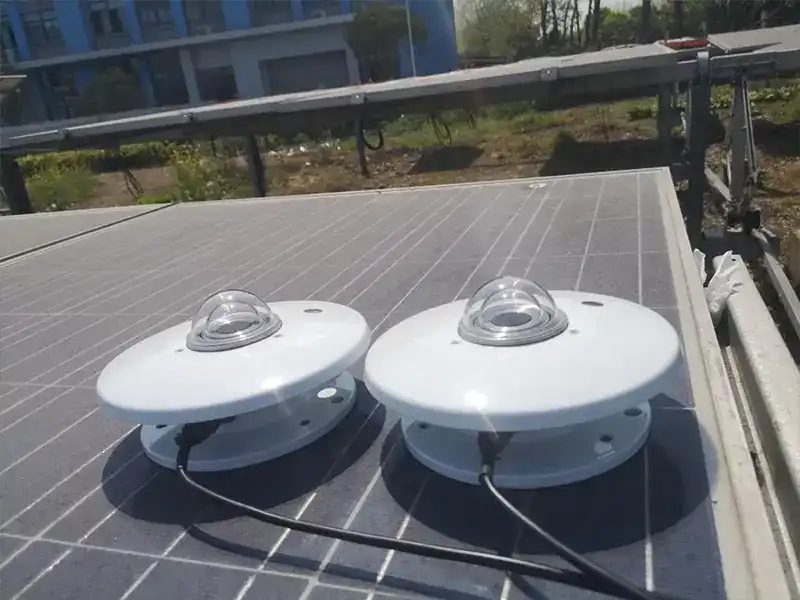
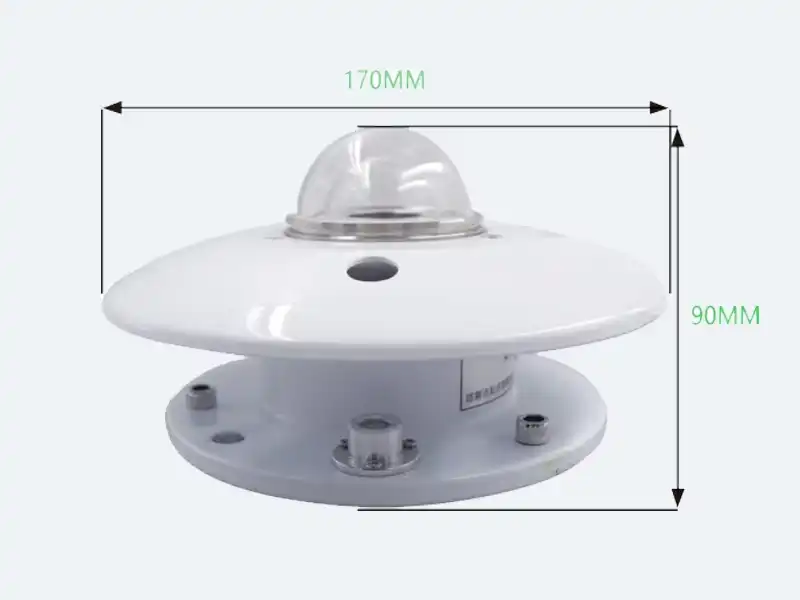
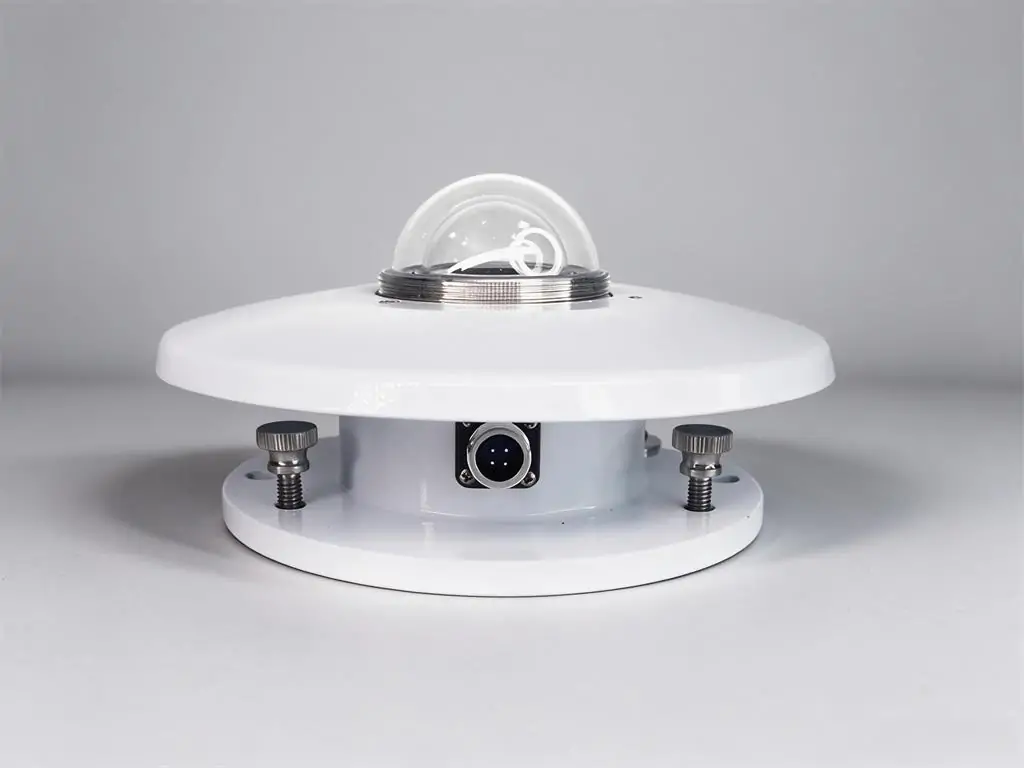
A pyranometer is a professional solar radiation sensor used to measure the amount of shortwave solar radiation received on a horizontal surface. It is one of the most widely used instruments for solar irradiance measurement in photovoltaic monitoring, meteorological observation, and solar resource assessment.
Unlike sunshine duration instruments that only record how long direct sunlight is present, pyranometers measure the actual solar radiation energy reaching the sensor surface. The measurement output is usually expressed in watts per square meter (W/m²), providing quantitative solar radiation data for engineering analysis and energy evaluation.
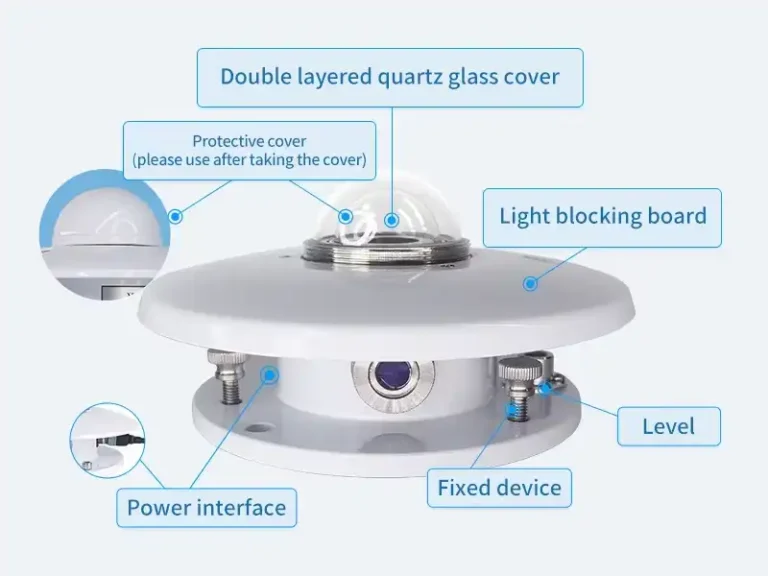
The pyranometer working principle is based on converting absorbed solar radiation into an electrical signal. High-quality pyranometers typically use thermopile sensing technology combined with glass domes, temperature compensation, and calibration procedures to ensure accurate and stable measurements under different environmental conditions.
What Parameters Does a Pyranometer Measure?
Pyranometers are mainly used to measure different components of solar irradiance depending on installation configuration and application requirements. The most common parameters include Global Horizontal Irradiance (GHI) and Diffuse Horizontal Irradiance (DHI), which are essential for evaluating solar resources and photovoltaic system performance. For a detailed explanation of solar radiation components, see What Is GHI, DNI, and DHI in Solar Energy?
| Parameter | Description |
| Global Horizontal Irradiance (GHI) | Total solar radiation received on a horizontal surface, including direct and diffuse radiation |
| Diffuse Horizontal Irradiance (DHI) | Solar radiation scattered by the atmosphere and received from the sky dome |
For direct normal irradiance (DNI) measurement, a pyranometer alone is not sufficient. DNI is typically measured using a pyrheliometer installed with an automatic solar tracking system, which keeps the sensor aligned with the sun’s position throughout the day.
Pyranometer Working Principle Explained
The pyranometer working principle is based on converting solar radiation into an electrical signal for accurate solar irradiance measurement. As a professional solar radiation sensor, a pyranometer measures the shortwave radiation received from the sun and converts the absorbed energy into a measurable output signal.
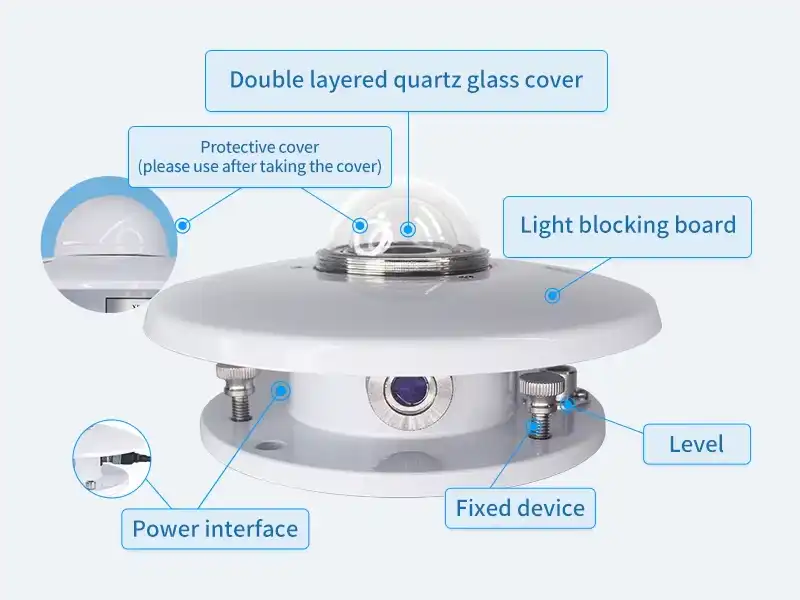
During operation, solar radiation passes through the glass dome and reaches the thermopile sensor inside the instrument. The absorbed radiation creates a temperature difference between the sensing and reference surfaces, generating a small voltage signal. After signal processing, temperature compensation, and calibration correction, the output is converted into solar irradiance values, typically measured in W/m².
In practical solar monitoring applications, measurement accuracy depends not only on the sensing element but also on optical design, environmental protection, and calibration stability. These factors determine whether the collected radiation data can support reliable PV performance analysis, solar resource assessment, and long-term weather monitoring.If you would like to learn more, click on “Benefits of Solar Tracking in Radiation Measurement.”
Main Technologies That Improve Pyranometer Accuracy
Thermopile Sensor
The thermopile sensor is the core component responsible for detecting solar radiation. It provides a broad spectral response and stable output, making it suitable for professional applications such as photovoltaic monitoring stations and solar radiation measurement systems.
Glass Dome Protection
The glass dome protects the sensor while ensuring solar radiation reaches the thermopile element with minimal distortion. A high-quality dome helps maintain measurement consistency in outdoor environments affected by dust, humidity, and temperature changes.
Temperature Compensation
Temperature variations can influence sensor output, especially during long-term outdoor operation. Temperature compensation technology helps correct these changes and improves measurement reliability under different climate conditions.
Calibration Correction
Calibration ensures that the sensor output accurately represents actual solar radiation levels. Professional pyranometers are calibrated against reference instruments to maintain measurement accuracy and provide dependable data for engineering analysis.
Types of Pyranometers and Their Differences
Different types of pyranometers are designed for different measurement requirements, accuracy levels, and application environments. The selection mainly depends on required measurement precision, response characteristics, budget, and whether the system is used for professional solar monitoring or general PV performance evaluation.
Thermopile Pyranometer
Thermopile pyranometers are widely used for professional solar radiation measurement due to their high accuracy and broad spectral response. They provide stable long-term performance and are commonly applied in meteorological stations, solar resource assessment projects, research facilities, and utility-scale solar farms where reliable irradiance data is required.
Silicon Pyranometer
Silicon pyranometers use photovoltaic sensor technology and are typically more affordable with faster response times compared with thermopile models. However, their spectral response range is more limited, making them suitable for applications such as PV system monitoring, basic solar performance analysis, and educational or commercial solar measurement where extremely high accuracy is not the primary requirement.
Class A, Class B and Class C Pyranometers
According to the ISO 9060 classification, pyranometers can be categorized into different accuracy classes based on measurement performance, response time, and long-term stability. Class A models provide the highest accuracy and are preferred for professional solar resource assessment, while Class B and Class C instruments are commonly selected for less demanding applications where cost and monitoring requirements need to be balanced.
Pyranometer vs Pyrheliometer: What Is the Difference?
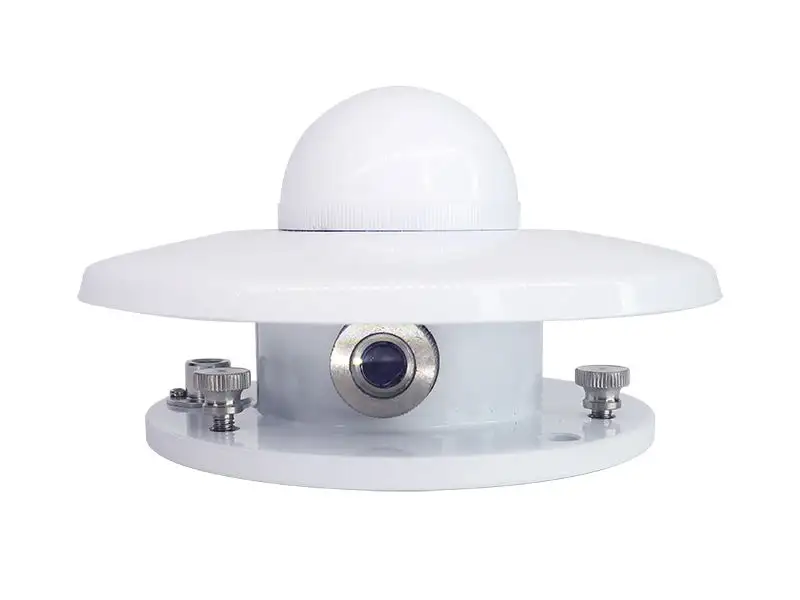
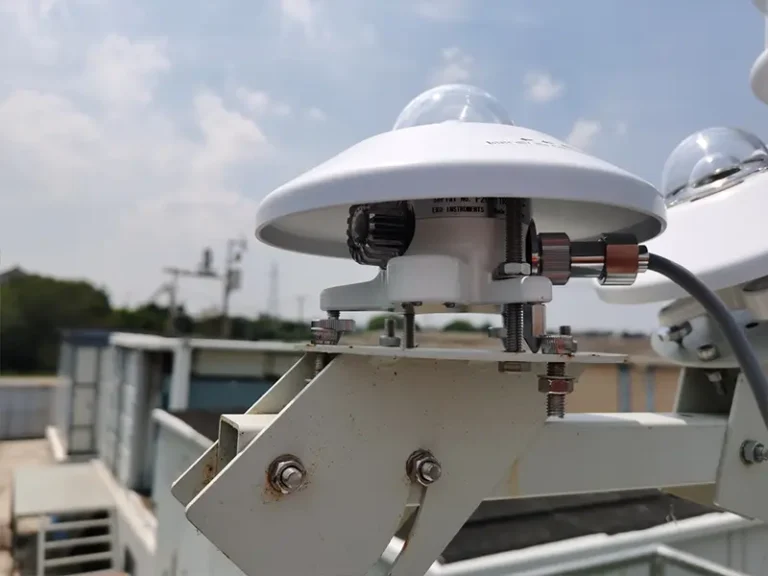
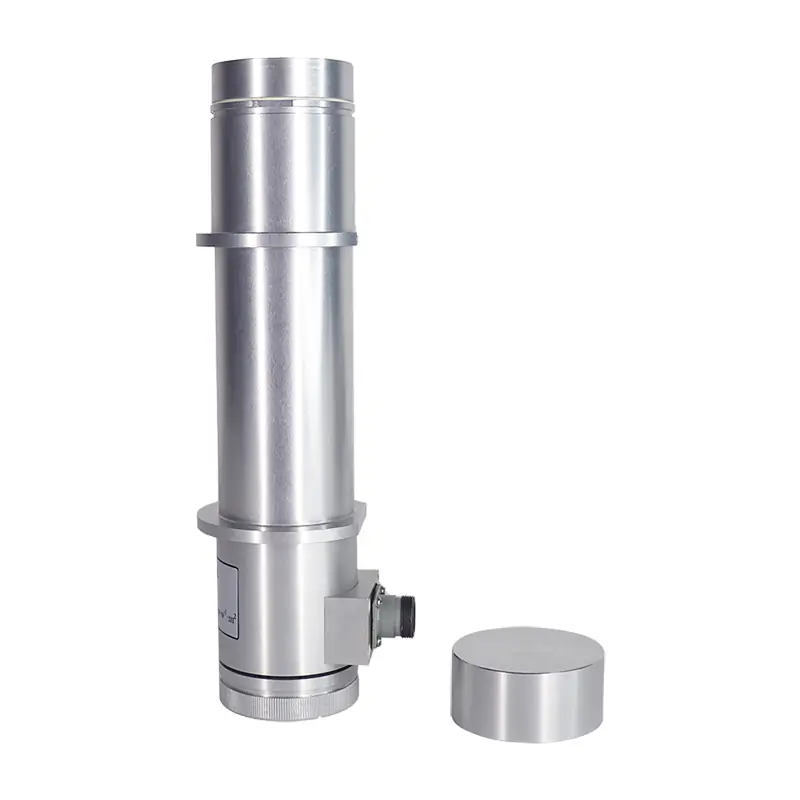
Pyranometers and pyrheliometers are both professional solar radiation measurement instruments, but they are designed for different measurement purposes. A pyranometer measures global or diffuse solar radiation received on a surface, mainly used for GHI and DHI measurement. A pyrheliometer measures direct normal irradiance (DNI) by detecting only direct sunlight from the sun’s direction, which requires installation on an automatic solar tracking system to maintain accurate alignment throughout the day.
| Comparison | Pyranometer | Pyrheliometer |
| Measurement | Global Horizontal Irradiance (GHI) and Diffuse Horizontal Irradiance (DHI) | Direct Normal Irradiance (DNI) |
| Measurement Principle | Measures total solar radiation received on a horizontal surface | Measures direct solar radiation from the sun’s direction |
| Installation | Usually installed on a fixed horizontal surface | Requires an automatic solar tracker to follow the sun |
| Sensor Technology | Commonly uses thermopile sensing technology | Uses precision radiation sensing with narrow field-of-view optics |
| Main Applications | PV monitoring, solar resource assessment, meteorological stations | DNI measurement, concentrated solar power (CSP), advanced solar resource evaluation |
For solar monitoring systems, pyranometers are commonly used when measuring overall solar irradiance conditions, while pyrheliometers are selected for projects requiring precise DNI data. In advanced solar radiation measurement stations, both instruments can be integrated with a solar tracking system to provide comprehensive solar resource data.
How Pyranometers Are Used in Solar Monitoring Systems?
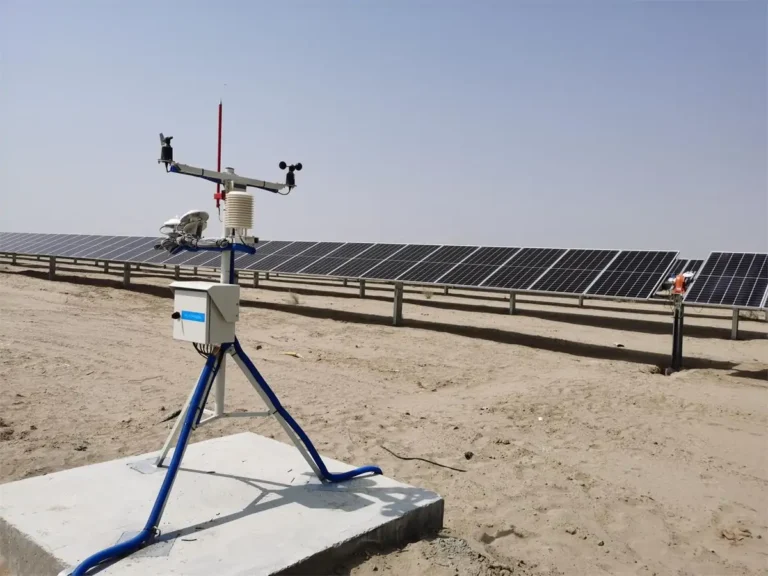
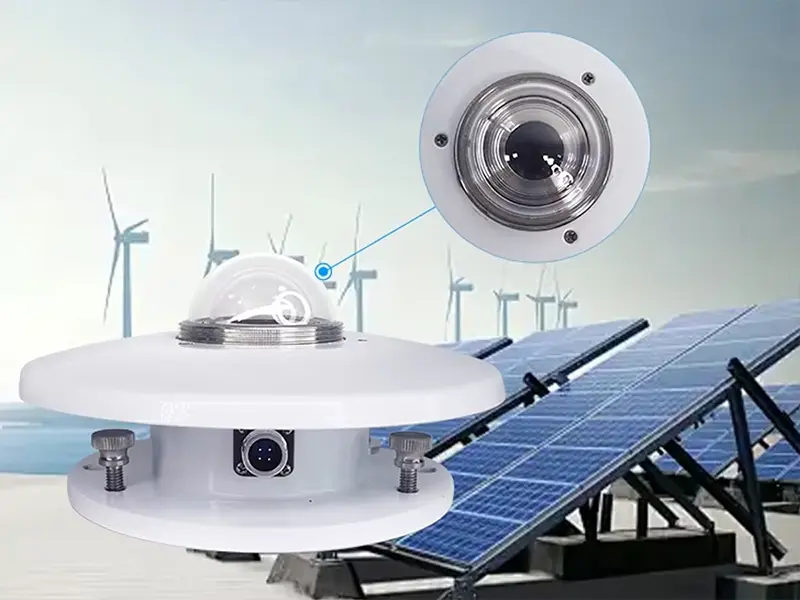
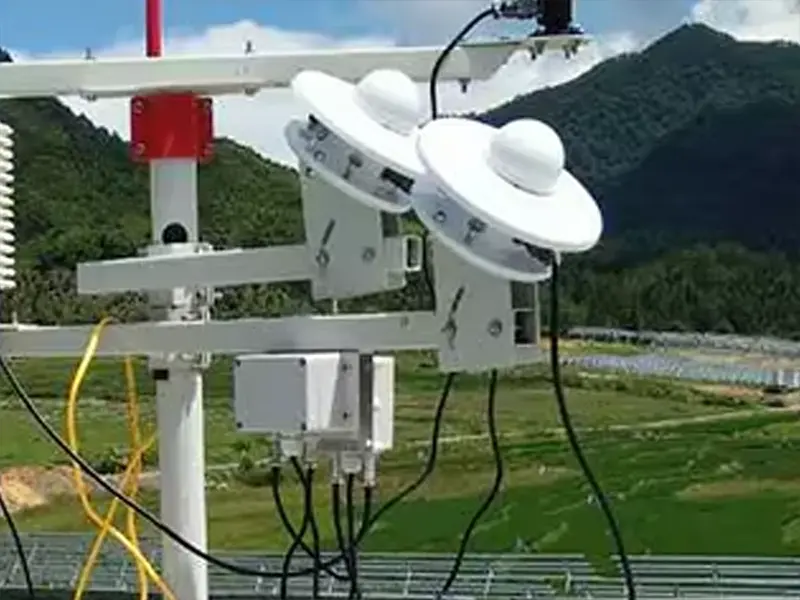
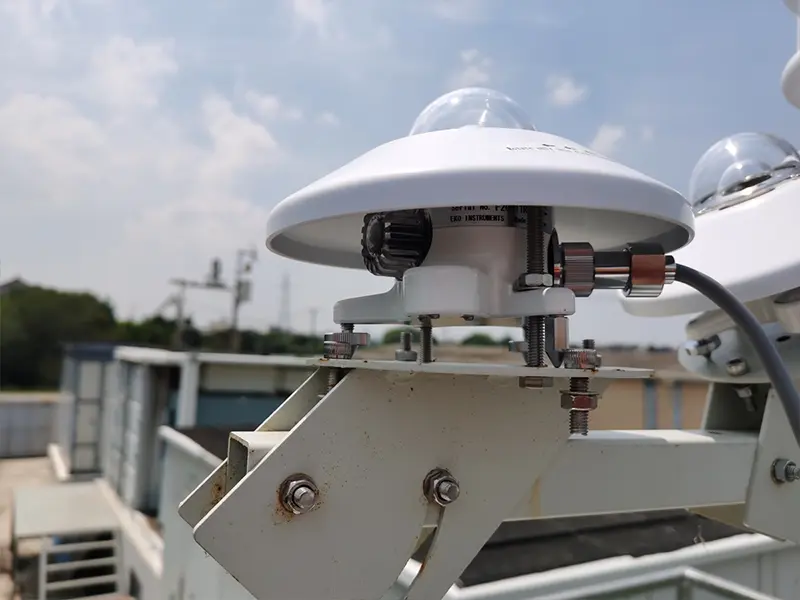
Pyranometers are essential instruments in solar monitoring systems because they provide accurate solar irradiance data for evaluating solar resources and photovoltaic system performance. They are widely used in solar monitoring stations, PV power plants, weather stations, and renewable energy assessment projects to measure radiation conditions and support data-driven operation decisions.
In photovoltaic applications, pyranometers help operators analyze the relationship between available solar radiation and actual power generation, identify performance issues, and improve system efficiency. For advanced radiation monitoring stations, pyranometers are often integrated with solar tracking systems to improve measurement consistency and support accurate solar resource evaluation, especially when measuring different radiation components such as DNI.To learn more, click on “What Is an Automatic Solar Tracking Measurement System?”
Common applications include:
| Application | Role of Pyranometer |
| Solar Monitoring Stations | Provides continuous solar irradiance data for long-term radiation analysis and resource evaluation |
| PV Power Plants | Monitors solar input conditions and supports PV performance analysis and efficiency assessment |
| Weather Stations | Measures solar radiation as part of environmental and meteorological monitoring systems |
| Solar Resource Assessment | Provides reliable radiation data for solar project planning, site evaluation, and energy forecasting |
For professional solar monitoring projects, selecting the right pyranometer depends on required accuracy, measurement parameters, installation conditions, and integration requirements. High-quality solar radiation sensors combined with reliable data acquisition systems help ensure accurate and long-term monitoring performance.
Factors Affecting Pyranometer Measurement Accuracy
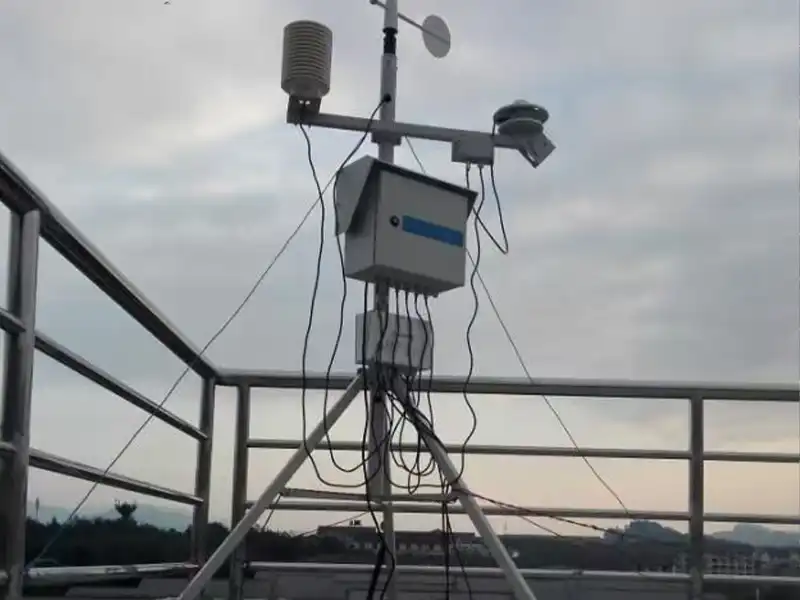
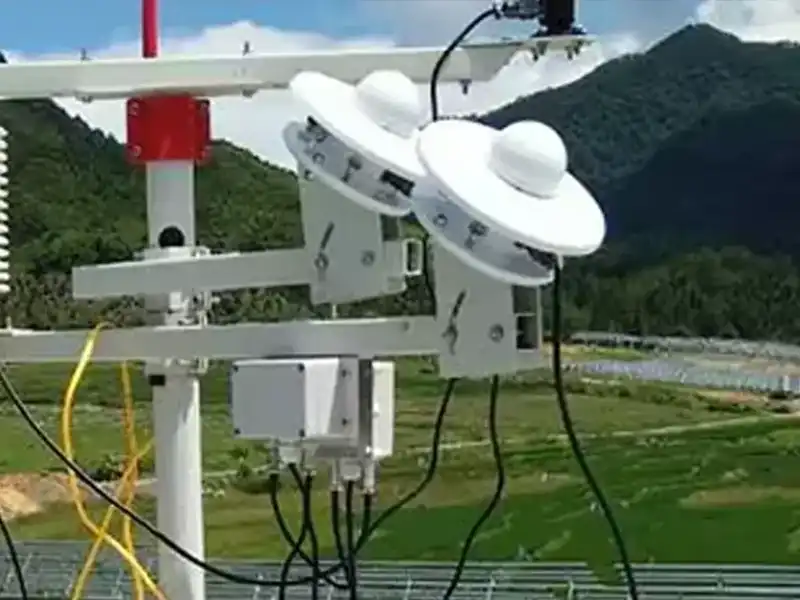
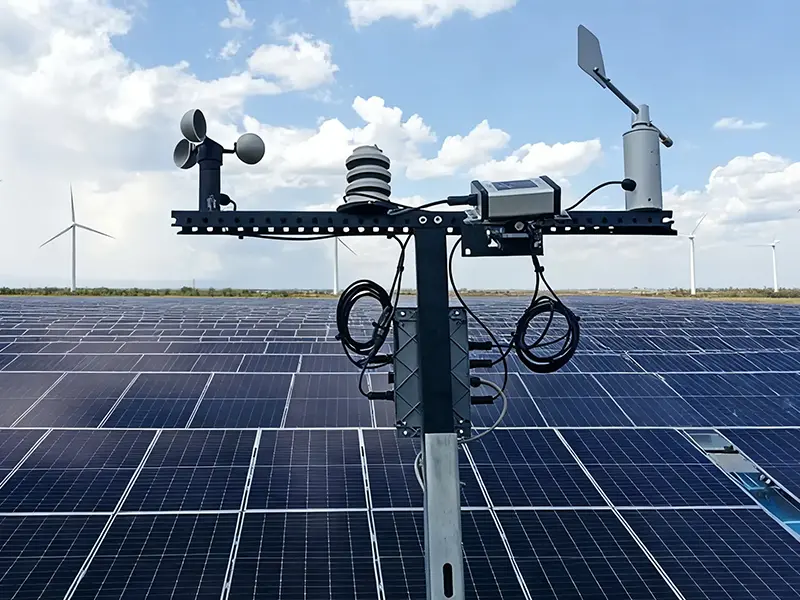
The accuracy of a pyranometer depends on more than the sensor itself. Installation conditions, calibration status, environmental exposure, and data processing methods can all influence measurement results. Understanding these factors helps ensure reliable solar irradiance data for PV monitoring, solar resource assessment, and weather observation.To learn more, click here: Solar Measurement Mistakes: Common Errors Affecting Solar Irradiance Data Quality.
Calibration and Installation Conditions
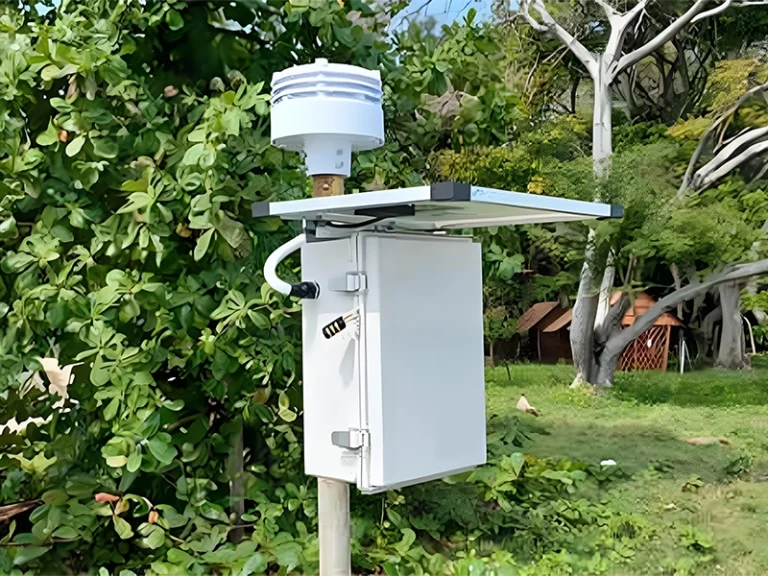
Calibration and installation quality are two key factors affecting pyranometer accuracy. Regular calibration helps maintain long-term measurement reliability by correcting sensor sensitivity changes over time. At the same time, proper installation requires accurate leveling, correct orientation, and avoiding shading from nearby objects such as buildings or trees. For solar monitoring stations, correct installation is essential to ensure that measured irradiance data represents actual solar conditions.
Environmental Conditions and Data Management
Outdoor operating conditions can affect pyranometer performance, especially dust accumulation, snow coverage, condensation, and temperature variations. High-quality pyranometers use protective designs and temperature compensation technologies to reduce environmental impact. In addition, reliable data acquisition systems are required to process, store, and transmit sensor signals accurately, ensuring stable data quality for long-term solar monitoring applications.
How to Choose the Right Pyranometer for Solar Radiation Measurement?
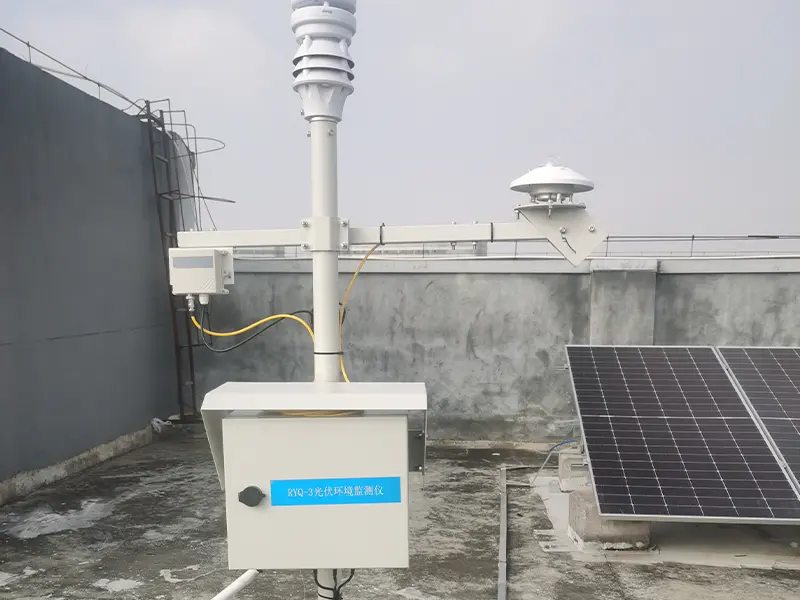
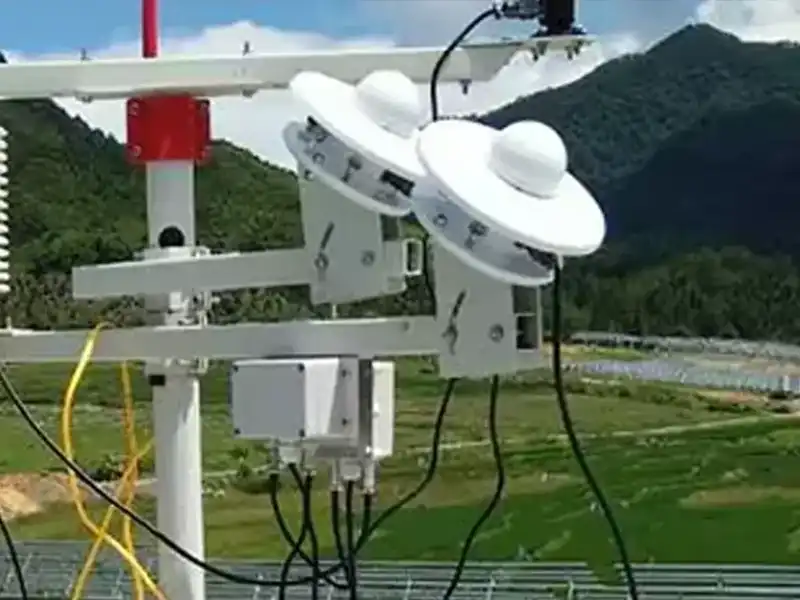
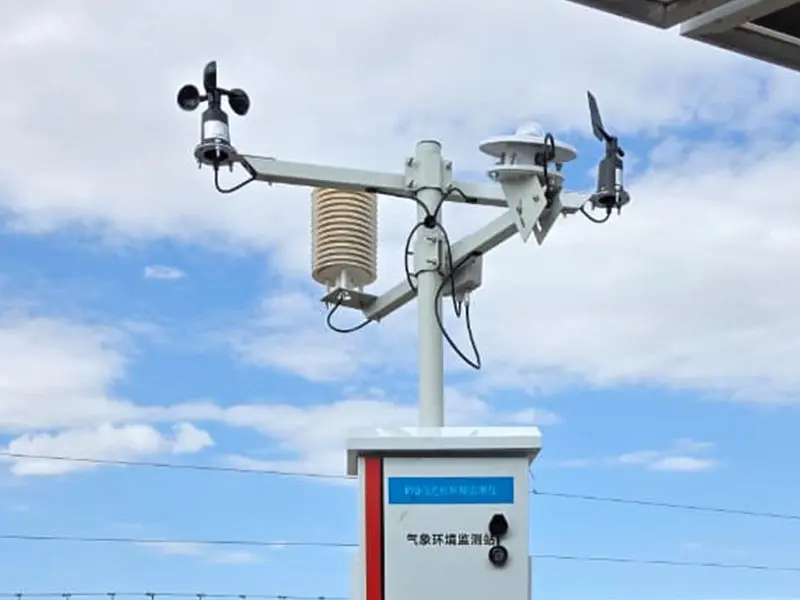
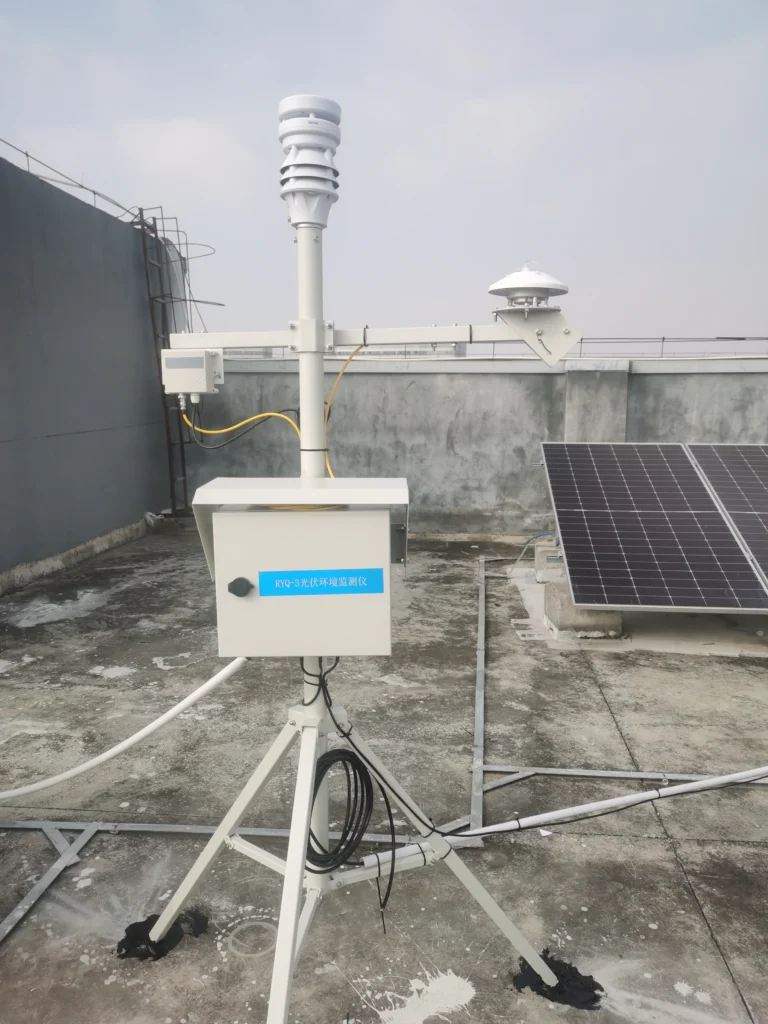
Choosing the right pyranometer depends on the required measurement accuracy, radiation parameters, installation environment, and system integration needs. For professional solar resource assessment and utility-scale solar farms, a high-accuracy Class A thermopile pyranometer is usually recommended because it provides better long-term stability, wider spectral response, and reliable irradiance data for project evaluation. For general PV monitoring applications, compact solar radiation sensors with suitable accuracy, simple installation, and easy communication interfaces may provide a more cost-effective solution.
Before selection, users should consider key factors including ISO 9060 accuracy class, required measurement parameters (such as GHI or DHI), communication protocols, environmental conditions, and compatibility with existing data acquisition or SCADA systems. In long-term outdoor monitoring projects, features such as temperature compensation, durable protection design, and easy maintenance can significantly improve data reliability and reduce operating costs.
Conclusion
Pyranometers are essential solar radiation sensors for accurate solar irradiance measurement in photovoltaic monitoring, meteorological observation, and solar resource assessment. Understanding the pyranometer working principle helps engineers select suitable instruments for reliable GHI measurement, DHI monitoring, and long-term solar radiation data analysis.
Yantai Sensor provides professional solar radiation monitoring solutions, including pyranometers, automatic solar tracking systems, and integrated weather sensors for renewable energy and environmental monitoring applications. With reliable sensor technology and accurate data acquisition solutions, Yantai Sensor helps users achieve consistent solar radiation measurement and improve solar resource evaluation efficiency.