For solar project owners and system integrators, ambient temperature alone cannot show the actual thermal conditions of PV modules. During operation, backsheet temperature changes with solar irradiance, wind speed, and installation conditions. Even with a dedicated temperature sensor, readings can be affected by the measurement location, contact quality, and cable arrangement. These factors make reliable PV backsheet temperature measurement an important consideration in long-term module monitoring.
This article explains the basics of backsheet temperature measurement and focuses on three key installation factors: sensor placement, thermal contact, and installation disturbances. It also covers sensor selection, data verification, and how Yantai Sensor's equipment can support PV module temperature monitoring.
What Is PV Backsheet Temperature Measurement and Why Does It Matter?
Correctly interpreting PV module temperature data requires distinguishing backsheet temperature from cell temperature and ambient temperature. These measurements represent different thermal conditions and should not be used interchangeably.
Backsheet Temperature vs. Cell Temperature
Backsheet temperature is measured at the rear surface of a PV module, while cell temperature refers to the actual temperature of the photovoltaic cells. Heat transfers through the encapsulation and backsheet materials, so the two temperatures may differ depending on module construction and operating conditions.
A backsheet temperature reading is therefore a practical reference for monitoring module surface temperature, but it does not directly represent the actual cell temperature. If cell temperature is required for performance analysis, an appropriate estimation or correction method is needed.
Sandia National Laboratories’ Cell Temperature overview identifies irradiance, weather conditions and module construction as factors affecting cell temperature.
Backsheet Temperature vs. Ambient Temperature
Ambient temperature measures the air surrounding a PV module, whereas backsheet temperature reflects the module's thermal condition. Under sunlight, the backsheet is generally warmer than the surrounding air, although the difference varies with solar irradiance, wind speed, module design, and mounting conditions.
The two measurements provide complementary information. Ambient temperature describes the surrounding environment, while backsheet temperature shows how the module responds to those conditions. Monitoring both helps operators understand the thermal conditions under which the modules operate.
3 Main Tips for Accurate PV Backsheet Temperature Measurement
A temperature sensor's rated accuracy does not guarantee reliable field measurements. Results also depend on the measurement location, thermal contact with the backsheet, and the effect of the installation on the module's operating environment. These factors need to be addressed when planning sensor installation.
1. Select a Measurement Point That Represents the Active Cell Area
The measurement point determines how well a reading represents the module's actual thermal condition. A sensor placed near the frame, junction box, or module edge may record a local temperature affected by structural components and different heat dissipation conditions.
For conventional crystalline-silicon modules, IEC 61724-1:2021 Annex B provides informative guidance on positioning the temperature sensor near the center of a representative cell on the rear surface. When planning PV temperature sensor placement, start by checking the cell layout and module construction.
- Identify the active cell area: Position the sensor on the backsheet behind a representative cell rather than directly on the frame, junction box, or module edge. These areas may have different thermal characteristics from the active cell region.
- Account for module technology: Thin-film modules have different internal structures and heat-transfer characteristics. Select the measurement point according to the module design and manufacturer's guidance instead of automatically applying crystalline-silicon placement practices.
- Check the mounting arrangement: Module tilt, orientation, clearance behind the module, and ventilation can all affect temperature. These factors should be considered when selecting measurement points across different installation sections.
For large PV plants, PV module temperature measurement may require representative points across different array sections. Where module types, mounting arrangements, or ventilation conditions vary, one sensor reading may not represent the entire array. Sensor quantity and distribution should follow the monitoring objective and project requirements rather than an assumed universal number.
2. Maintain Stable Thermal Contact Between the Sensor and Backsheet
A contact-based PV backsheet temperature sensor relies on heat transfer from the module surface to its sensing element. An air gap or incomplete contact introduces additional thermal resistance, which can delay the sensor response and cause its reading to differ from the actual backsheet temperature. Contact area and the thermal properties of fixing materials also influence this process.
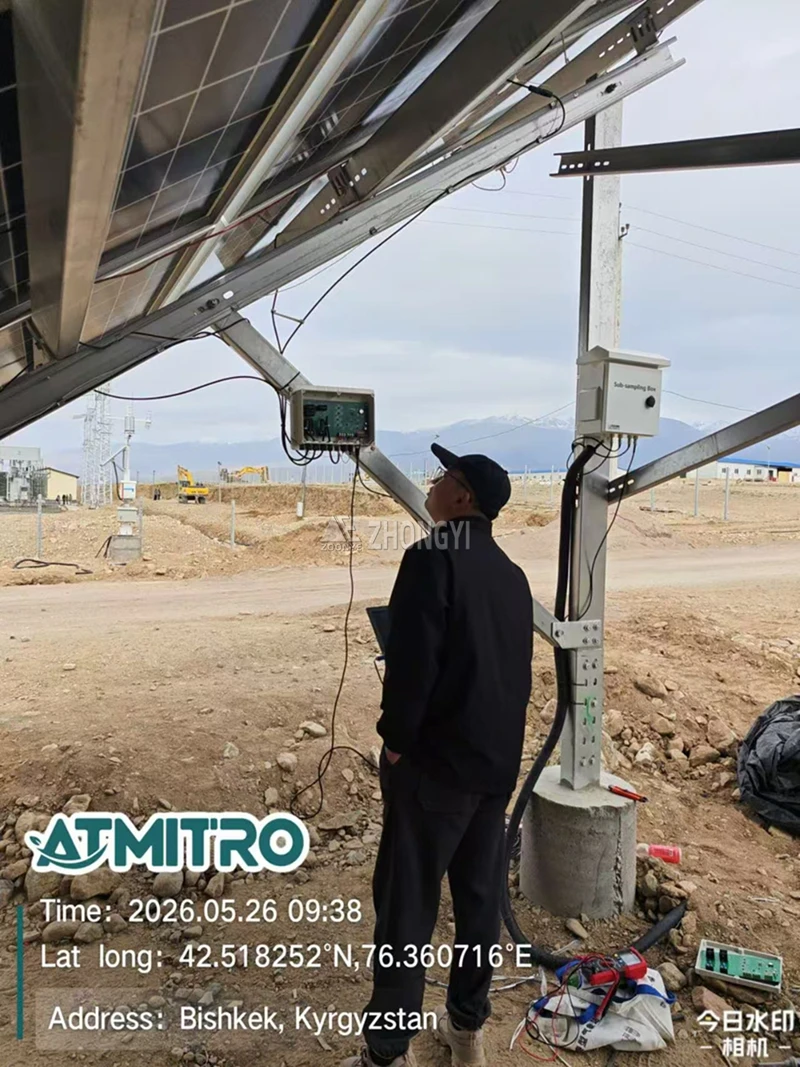
During module temperature sensor installation, check the following before securing the probe:
- Contact condition: Make sure the sensing area sits evenly against the backsheet without visible gaps or loose contact.
- Fixing material: Avoid unnecessarily thick material layers between the probe and the backsheet. The fixing material must be compatible with the backsheet surface and suitable for outdoor exposure.
- Cable tension: Secure the cable independently so its weight or movement does not pull the probe away from the module.
Initial contact is only part of the installation requirement. Temperature cycling, humidity, and UV exposure can gradually affect the fixing material and sensor attachment. The probe needs to remain in its intended position during normal outdoor operation. Follow the sensor manufacturer's installation instructions for the fixing method, as different probe designs and backsheet materials may require different arrangements.
3. Plan Sensor and Cable Routing to Minimize Installation Disturbances
The probe, fixing materials, and cables should not unnecessarily alter the module's rear-side irradiance or heat dissipation. This is an important consideration in bifacial PV temperature monitoring because the rear surface also receives irradiance and contributes to energy generation.
| Installation detail | Monofacial modules | Bifacial modules |
|---|---|---|
| Probe position | Avoid unnecessary obstruction of rear ventilation | Avoid covering active rear-side cell areas |
| Cable routing | Keep cables clear of the sensing point and airflow paths | Route cables away from active rear-side areas where practicable |
| Fixing arrangement | Avoid interference with the frame, junction box, and mounting structure | Also consider shading from fixing materials |
| Final inspection | Check probe stability, cable clearance, and ventilation | Check these points and inspect rear-side shading |
For back-of-module temperature measurement on bifacial modules, the sensor assembly needs to be considered as a whole. IEC 61724-1:2021 Annex B provides additional guidance on shading caused by temperature sensors and their cables. Where the module structure allows, route cables along suitable structural paths or between cells to reduce obstruction of active rear-side areas.
Before completing the installation, check whether the probe or fixing material covers an active area, whether cables cross the rear irradiance path, and whether the arrangement restricts natural ventilation. This final physical inspection helps ensure that the sensor installation does not introduce unnecessary changes to the module's operating conditions.
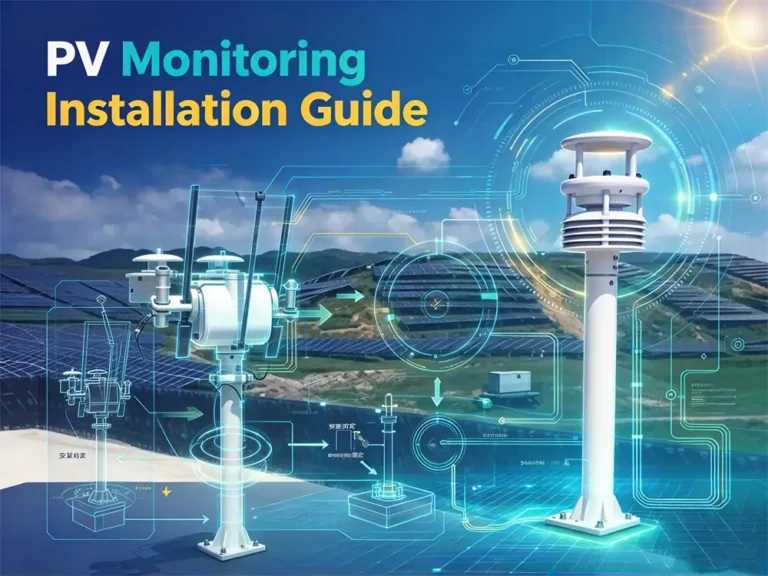
The broader installation checks in PV Monitoring Installation Guide also cover sensor connections, mounting and commissioning.
How to Choose a PV Backsheet Temperature Sensor
A sensor suitable for one PV project may not meet the requirements of another. Even when installation conditions are similar, differences in probe design, measurement performance, and data output can affect the reliability of temperature readings. Selecting a PV backsheet temperature sensor therefore requires checking both its sensing characteristics and compatibility with the monitoring system.
Sensor Type and Contact Design
Common contact temperature sensors use RTDs such as Pt100 and Pt1000, thermistors, or thermocouples. RTDs are commonly selected for their stability and repeatability, thermistors offer high sensitivity within a defined temperature range, and thermocouples can cover a wider temperature range. Their suitability depends on the required measurement performance and the signal processing supported by the acquisition system.
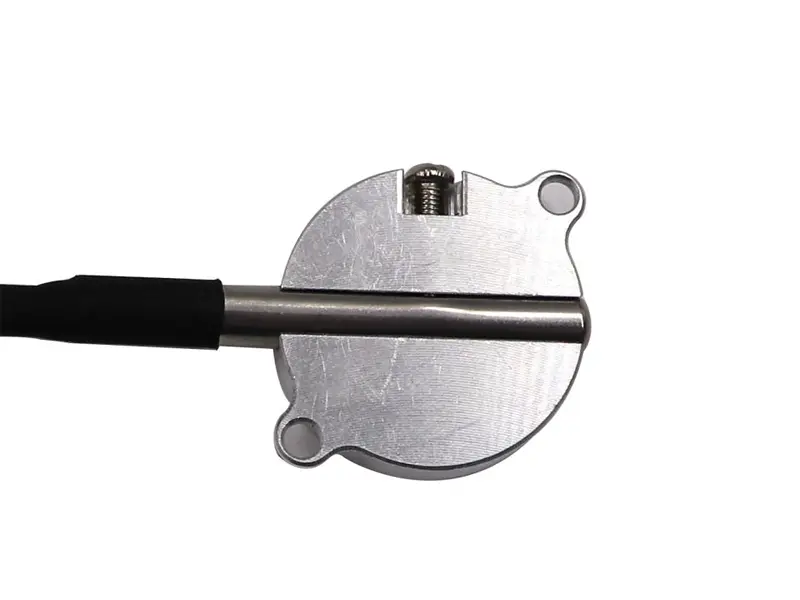
For PV module temperature measurement, the sensing element is only one part of the design. Probe thickness, contact area, and thermal mass influence how heat transfers from the backsheet to the sensing element and how quickly the reading responds to temperature changes. The fixing structure, cable construction, and available space behind the module also need consideration, particularly for long-term outdoor use. A suitable module temperature sensor should therefore be evaluated as a complete probe assembly rather than selected by element type alone.
Accuracy, Temperature Range, and Data Acquisition Compatibility
Start with the expected operating temperatures of the modules and check whether the sensor's measurement range covers them. PV temperature sensor accuracy is another important factor, but it should be assessed alongside resolution. Accuracy indicates how close a reading is expected to be to the reference value, while resolution describes the smallest temperature increment the sensor can report. A finer resolution does not necessarily mean a more accurate measurement.
Response time should match the monitoring purpose and the temperature changes that need to be recorded. Output compatibility matters just as much: RS485, analog signals, or other output formats must be supported by the data logger. Cable length, connection type, and outdoor protection should also match the project layout and operating environment. These details affect both temperature sensor data acquisition and long-term maintenance.
Finally, check whether calibration records and long-term stability information are available. Sensor accuracy alone does not determine the accuracy of the complete measurement system. Probe contact, signal transmission, acquisition equipment, and calibration status can all influence the recorded values. For reliable PV temperature monitoring, these factors need to be considered together rather than judging a sensor by its specifications in isolation.
For sites exposed to prolonged heat, High Temp Solar Monitoring discusses the operating limits of sensors, electronics and connected equipment.
How to Verify PV Backsheet Temperature Measurement Accuracy
After installation, recorded temperature data should be checked before it is used for performance analysis. In field operation, an unusual reading does not always indicate a module temperature problem. Probe movement, poor contact, cable damage, or data acquisition faults may produce similar symptoms. Checking the sensor and its data path first helps narrow down the cause.
Check Sensor Installation and Measurement Consistency
Begin with the probe and its data acquisition system. During routine site inspections, pay particular attention to whether the probe has shifted or loosened after maintenance work or cable adjustments. Also check for damaged cables, loose terminals, unstable power supply, and communication interruptions.
Physical inspection:
- Confirm that the probe remains in position and maintains contact with the backsheet.
- Check for visible gaps, loose connections, or damaged cables.
- Inspect the power supply, terminals, and communication status.
Data review:
- Look for sudden temperature jumps, repeated values over unusually long periods, or missing readings.
- Compare modules operating under similar irradiance and ventilation conditions. Unexpected differences should be investigated rather than immediately treated as sensor faults.
- Check whether temperature trends broadly follow changes in POA irradiance, ambient temperature, and wind speed.
- Review data logger records to identify possible acquisition or transmission problems.
If a reading changes suddenly after maintenance while nearby modules show no similar trend, check the probe position and cable connections first. When the installation and data acquisition system appear normal but the reading remains questionable, compare it with an independent reference instrument.
The data fields and time records needed for these checks are covered in What Data Should a Solar Monitoring System Collect?
Compare Temperature Readings with Reference Data
A calibrated contact thermometer or thermocouple can provide an independent reference reading at the same or a nearby representative point. Take both readings under similar operating conditions, since differences in POA irradiance, ambient temperature, and wind speed can affect the comparison. Infrared thermometers and thermal cameras are useful for examining surface temperature distribution, but emissivity, reflected radiation, and viewing angle can affect their readings. They should not be treated as direct replacements for contact-based measurements.
Record the measurement location, operating conditions, sensor contact condition, and reference instrument calibration status. Repeating the comparison under similar conditions makes it easier to determine whether a difference comes from the sensor, its installation, or changes in the module's thermal environment.
For the next stage of fault investigation, How to Detect Solar Panel Faults Using Monitoring Data explains how to review temperature readings alongside other plant measurements.
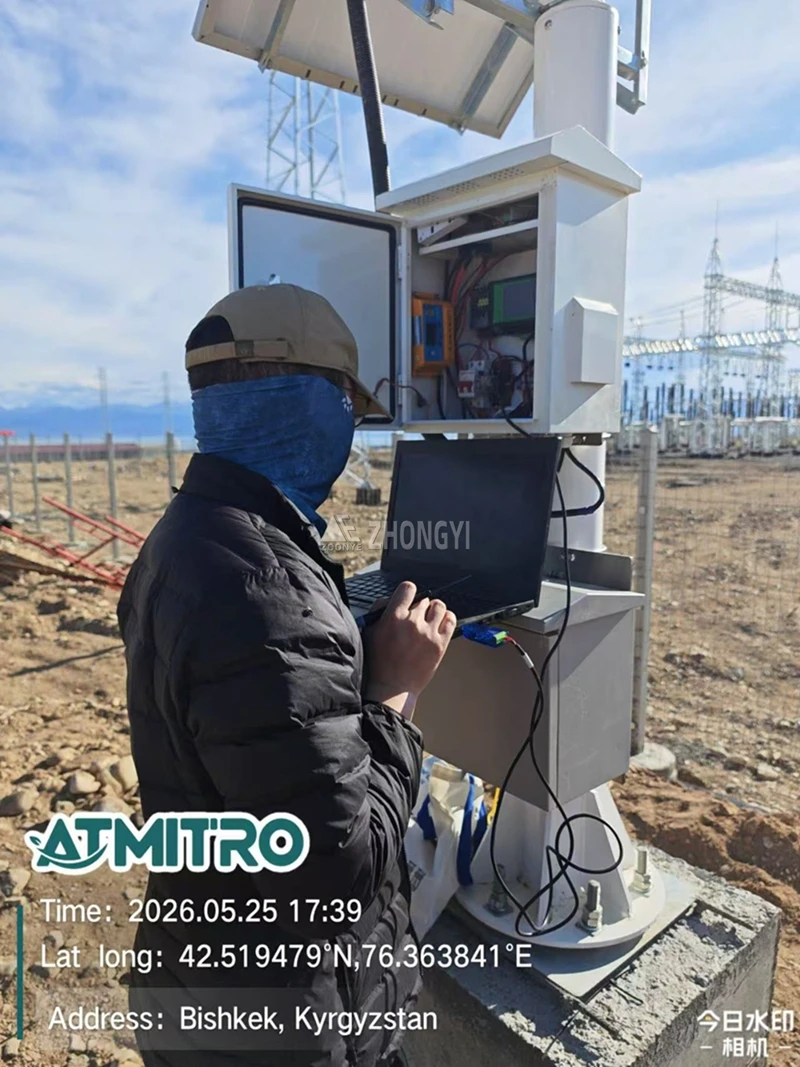
How to Use Backsheet Temperature Data in PV Performance Monitoring
Backsheet temperature should be analyzed with POA irradiance, ambient temperature, and wind speed. Comparing these measurements with inverter output power helps operators understand how weather conditions affect module temperature and operating performance. For bifacial modules, rear-side irradiance and mounting conditions should also be considered.
The module manufacturer's Pmax temperature coefficient can be used to assess the potential effect of temperature on power output. However, backsheet temperature is not identical to cell temperature, so accurate power estimation requires an appropriate temperature correction method.
For long-term PV performance monitoring, compare temperature records across seasons and similar operating conditions. Synchronized temperature, irradiance, weather, and electrical data make it easier to identify recurring thermal patterns and assess module operating conditions.
The use of combined operating records is developed further in How to Optimize Solar Farm Performance Using Data?
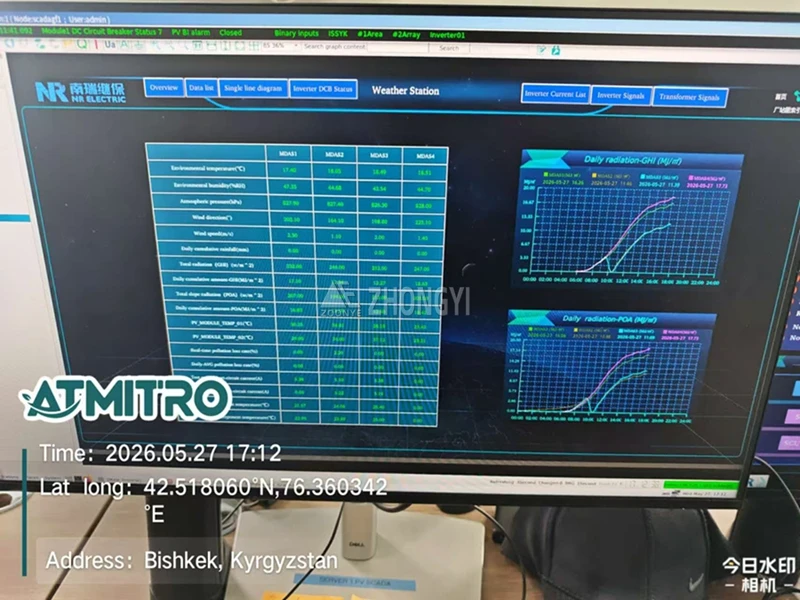
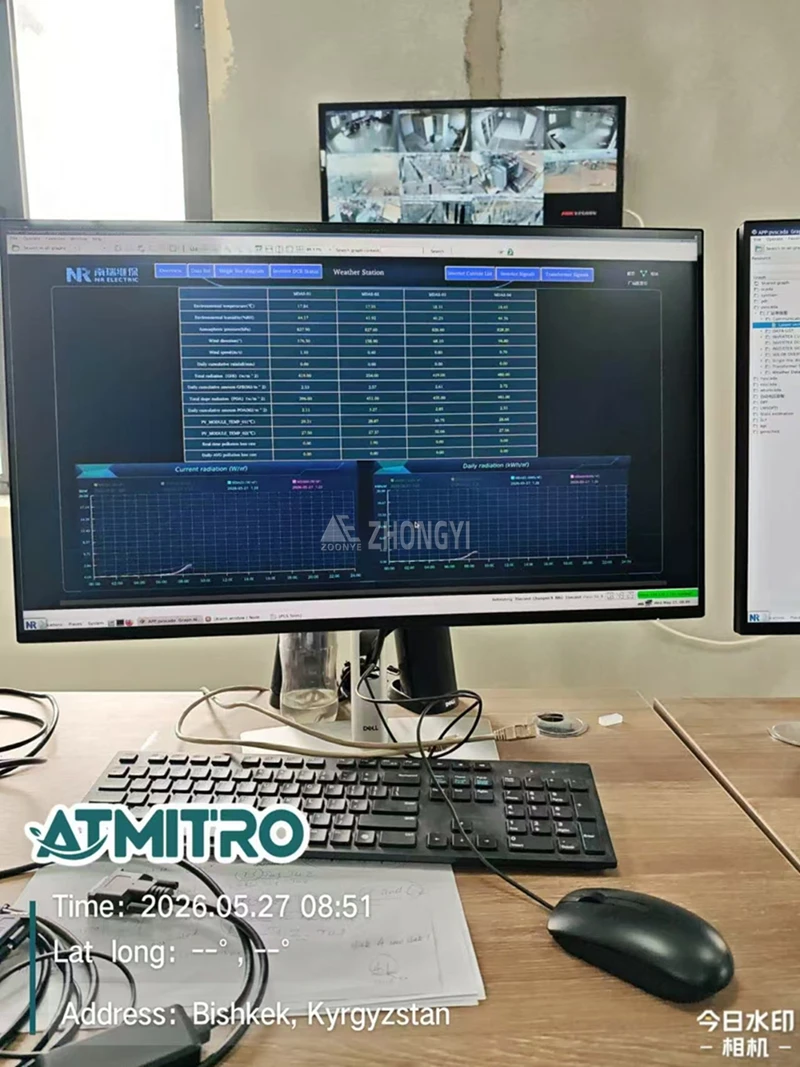
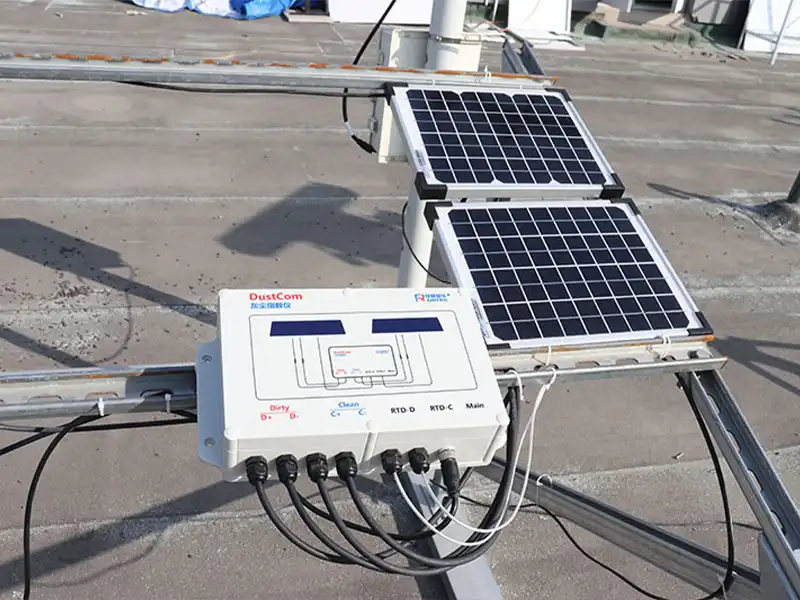
PV Module Temperature Monitoring with Yantai Sensor
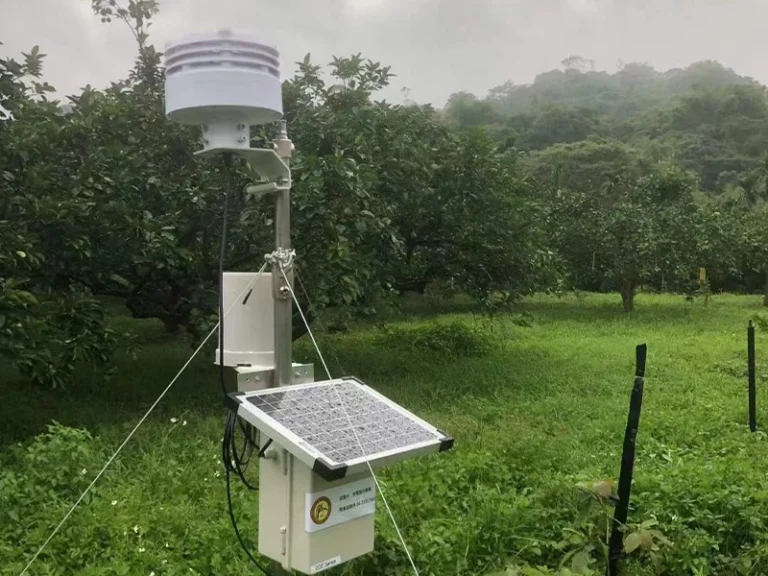
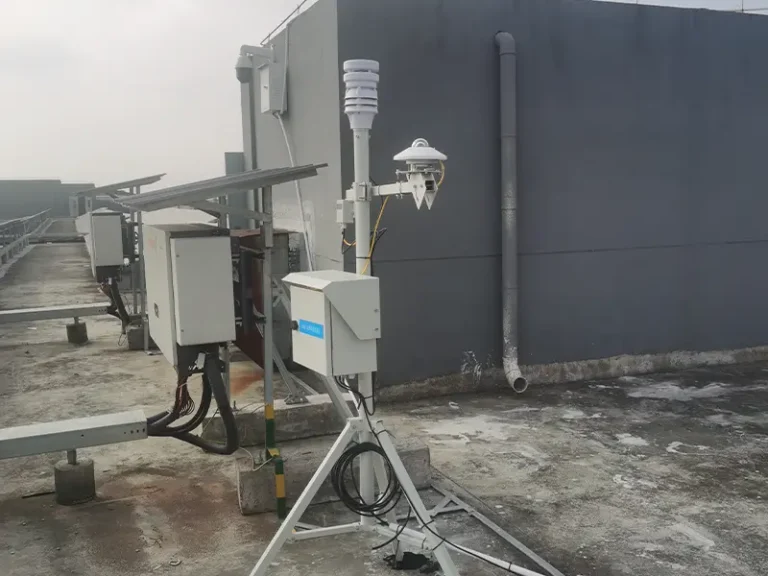
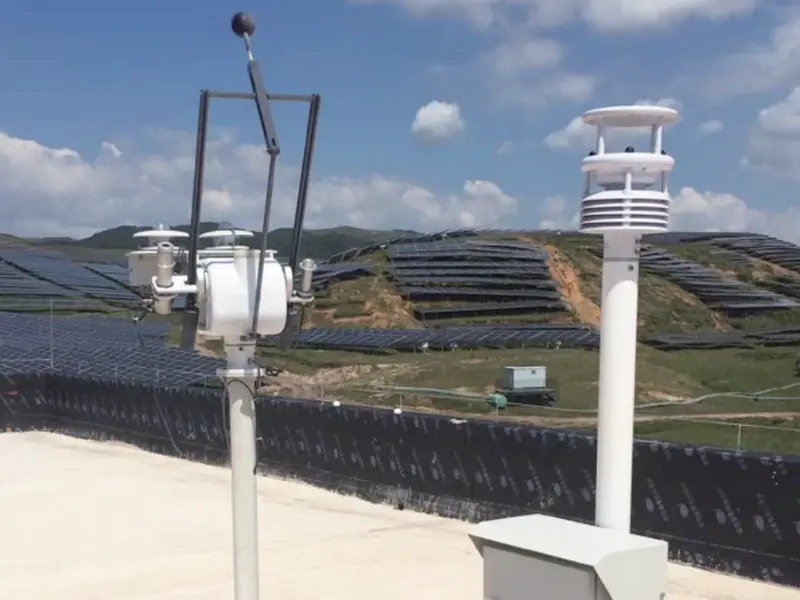
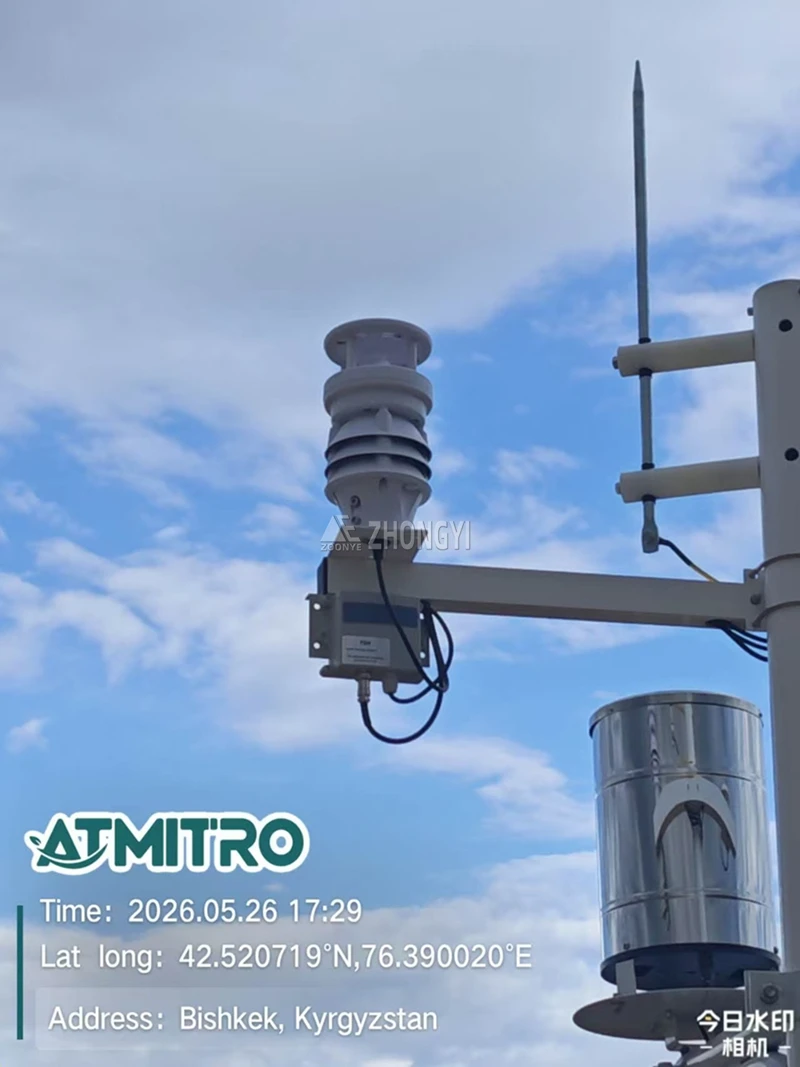
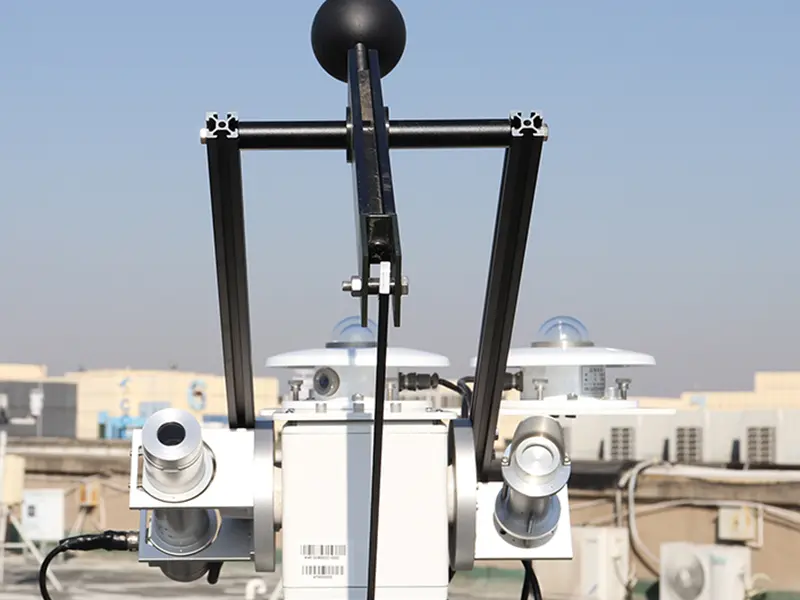
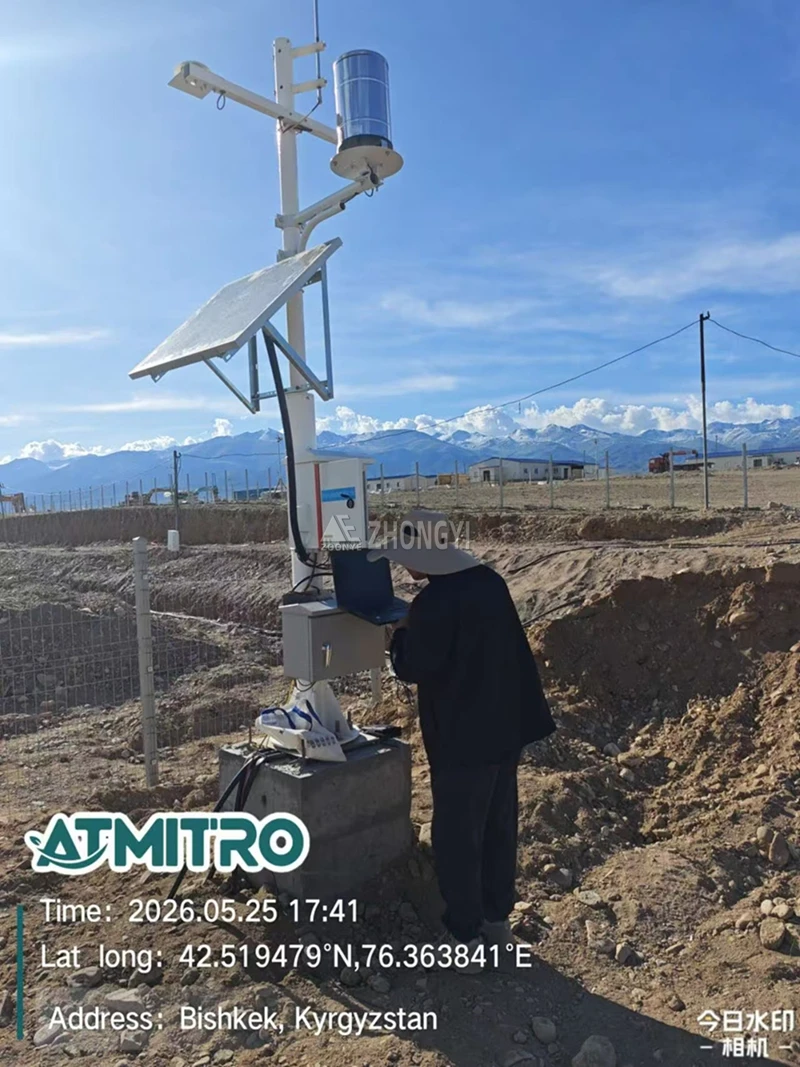
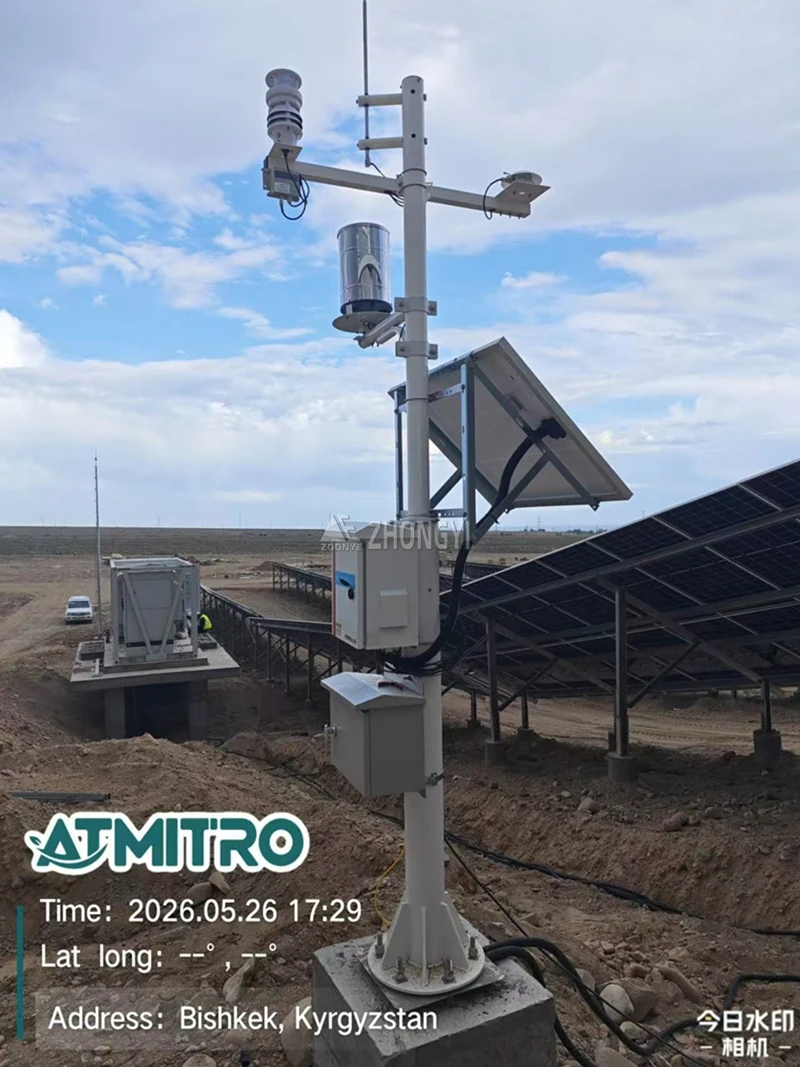
Yantai Sensor provides temperature measurement equipment and environmental monitoring configurations for PV projects. Its RYQ-3 Solar Photovoltaic Environmental Monitoring Station combines component temperature measurement with solar radiation, wind speed, wind direction, and ambient temperature and humidity monitoring, providing multiple environmental measurements for PV plant operation.
RYQ-3 Solar Photovoltaic Environmental Monitoring Station
The RYQ-3 integrates a component temperature sensor into a multi-parameter solar monitoring station. Its component temperature readings can be analyzed alongside irradiance, wind, and ambient weather data to review module operating conditions.
Component Temperature Measurement Specifications
| Parameter | Specification |
|---|---|
| Temperature Range | -40 to 120°C |
| Accuracy | ≤±0.3°C |
| Resolution | 0.01°C |
| Probe Size | Φ6 × 30 mm |
| Probe Cable | 1 m |
| Transmitter Cable | 15 m |
| Output | RS485 |
| Supply Voltage | DC 12–24V |
| Current Consumption | ≤15 mA at 12V |
For project selection, the temperature range and accuracy should match the monitoring requirements. The probe dimensions determine the available measurement space, while the 1 m probe cable and 15 m transmitter cable need to be considered when planning the sensor and data acquisition layout. The RS485 output must also match the communication interface of the site's data logger.
PV Temperature Monitoring Configuration and Technical Support
Sensor configuration depends on module type, array layout, measurement locations, and data acquisition conditions. Yantai Sensor can provide technical support for the following project requirements:
- Sensor selection: Confirm temperature range, accuracy, and required monitoring parameters.
- Measurement planning: Determine representative monitoring points based on module structure and array layout.
- Connection configuration: Check cable distances, RS485 communication, and data logger compatibility.
- Installation support: Provide installation guidance, commissioning assistance, and technical support during project integration.
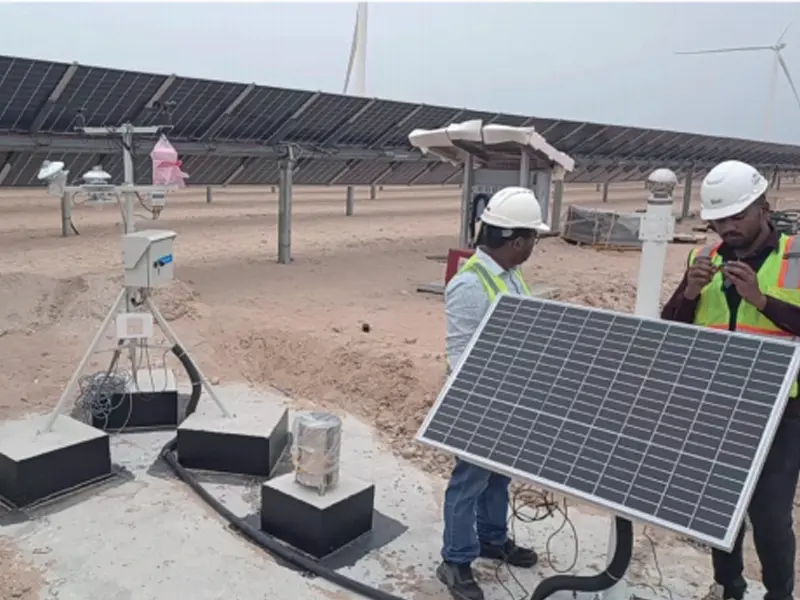
The final configuration should reflect the actual site layout and monitoring objectives. Rooftop and ground-mounted PV projects may require different measurement points, cable arrangements, and environmental monitoring combinations.
Conclusion
Reliable PV backsheet temperature measurement starts with choosing a representative measurement point, maintaining stable contact between the sensor and backsheet, and avoiding unnecessary interference with the module's rear surface. Proper sensor selection and data verification are equally important. Together, these factors help ensure that temperature readings reflect actual module operating conditions and can be used reliably in PV module temperature monitoring.
For PV projects requiring long-term component temperature monitoring, the equipment should match the module structure, site layout, and data acquisition requirements. Yantai Sensor's RYQ-3 Solar Photovoltaic Environmental Monitoring Station provides component temperature and related environmental measurements for PV applications. Contact Yantai Sensor to confirm equipment specifications and discuss a monitoring configuration suited to your project.