
Peru Andes Automatic Weather Station Monitoring System Project
Project Background
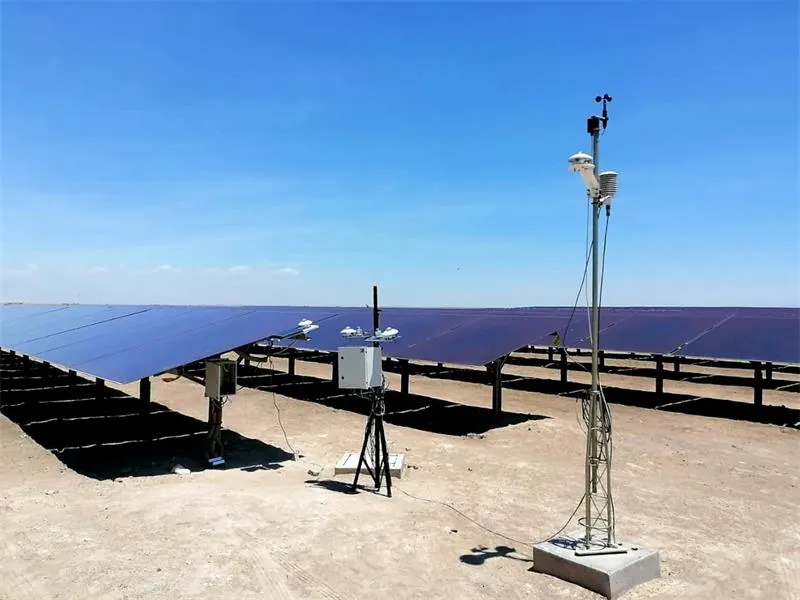
The Peruvian Andes span a wide range of elevations and landscapes, including snow-covered mountain ridges, alpine grasslands, river valleys, agricultural areas, and the edges of tropical forests. Weather conditions vary considerably across these environments. Strong winds, frost, heavy snowfall, and intense rainfall can affect mountain communities, water resources, agriculture, and infrastructure. Reliable, continuous weather records are also needed for glacier research and meteorological assessment at high-altitude photovoltaic sites.
Many monitoring locations are remote, with difficult road access and limited opportunities for routine manual inspection. Low temperatures, strong ultraviolet radiation, wind exposure, and seasonal snow cover place additional demands on outdoor monitoring equipment. To collect weather data across different elevations and land-use types, the project uses Yantai Sensor automatic weather stations with configurable sensors, independent solar power, data logging, and wireless communication. The collected data support mountain weather observation, water-resource management, agricultural planning, glacier research, and environmental assessment at solar power sites.
- Project Location: Andes Mountains, Peru
- Power Supply: Solar panels with battery storage
- Monitoring Points: Distributed monitoring sites across different elevations and environments
- Application: Mountain weather monitoring, glacier research, hazard assessment, water-resource management, agricultural weather services, and photovoltaic site monitoring
- Data Transmission: 4G wireless or microwave communication, depending on local network coverage
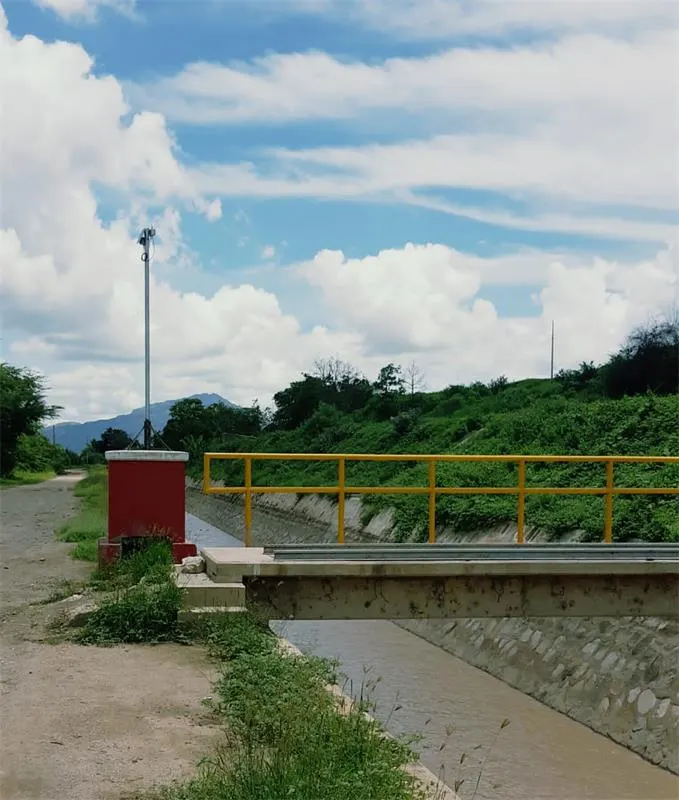
On-Site Installation Process
Site Survey & Foundation Installation
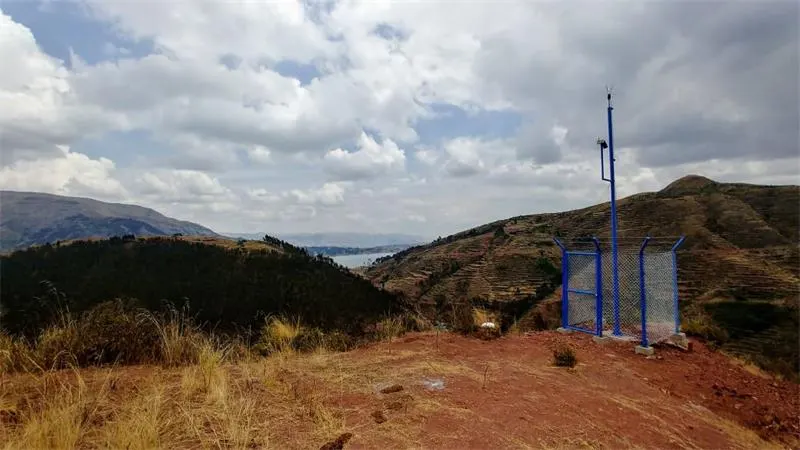
Before installation, the team assessed each monitoring point according to elevation, terrain, wind exposure, tree coverage, solar access, and communication availability. At high-altitude sites, the mounting poles and concrete foundations were designed with strong winds and seasonal freeze-thaw conditions in mind. At forest-edge locations, the team avoided tree cover that could obstruct the sensors or shade the solar panels. Equipment for remote sites was carried over the final section of the route where vehicles could not reach, so installation had to account for site access and suitable weather conditions.
Equipment Installation & Commissioning
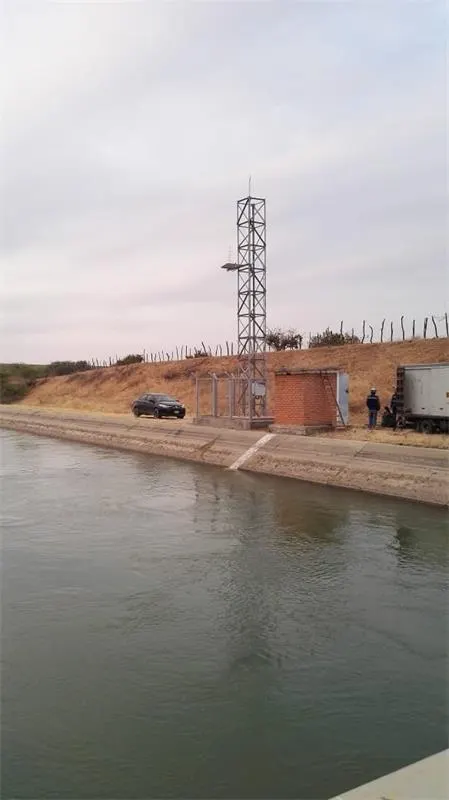
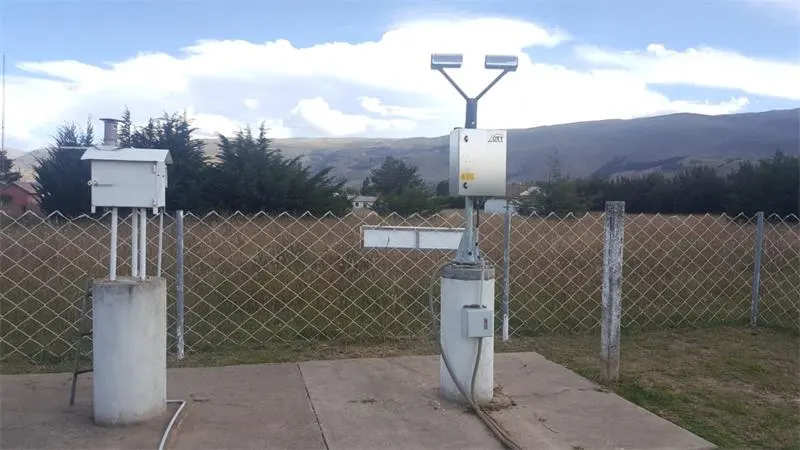
After the foundations and mounting poles were in place, the team installed the weather sensors, data logger, solar power system, communication equipment, and protective enclosure. Sensor connections and power supply were checked, and data transmission was tested using 4G or wireless microwave links according to local coverage. Protective fencing was installed where required to reduce the risk of damage from livestock, wildlife, or unauthorized access. Before handover, the team checked sensor readings, data logging, and remote data reception at each station.
Equipment Used
The monitoring system uses a modular configuration that can be adapted to the required parameters and local conditions.
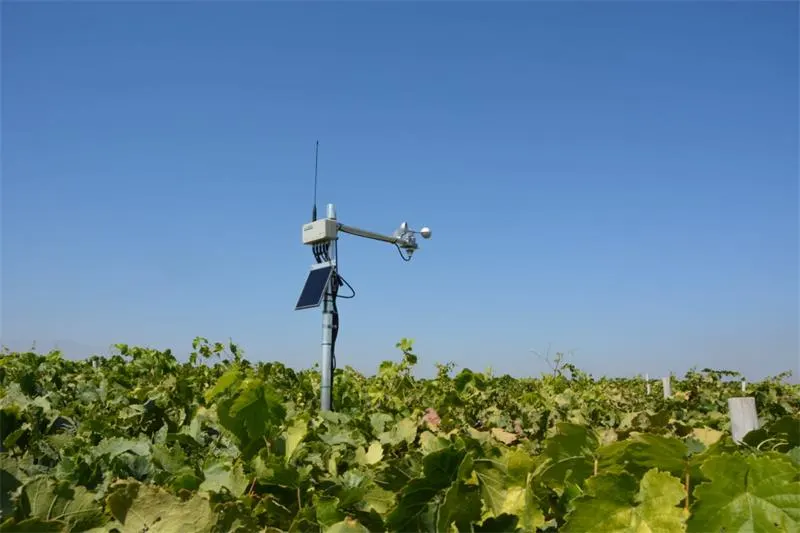
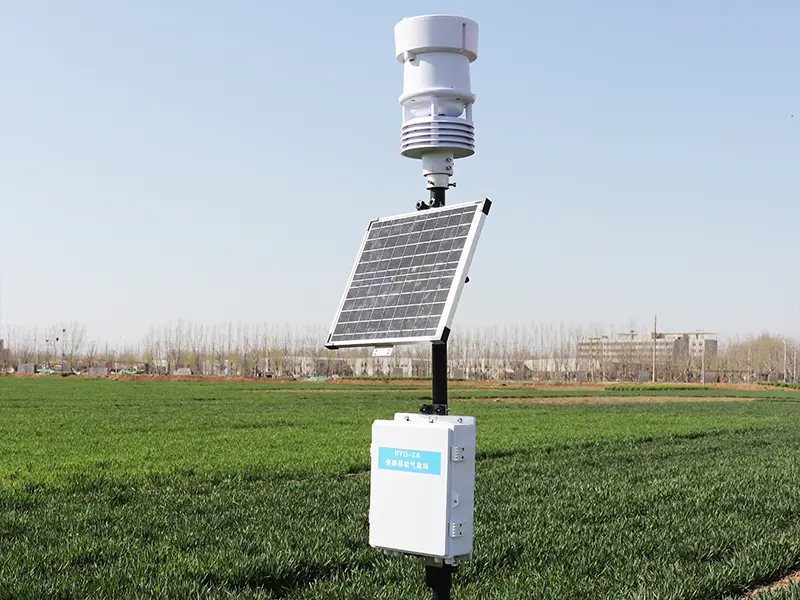
- Automatic Weather Station: Collects air temperature, relative humidity, wind speed, wind direction, atmospheric pressure, rainfall, and global solar radiation.
- Optional Soil Sensors: Soil temperature and soil moisture sensors can be added where ground conditions and agricultural monitoring requirements justify them.
- Optional Snow Depth Sensor: Measures snow depth at selected high-altitude sites where snow accumulation is part of the monitoring objective.
- Solar Power System: Combines solar panels and battery storage to supply the station at locations without grid electricity.
- Data Logger: Collects, processes, and stores sensor readings before transmitting them to the monitoring platform.
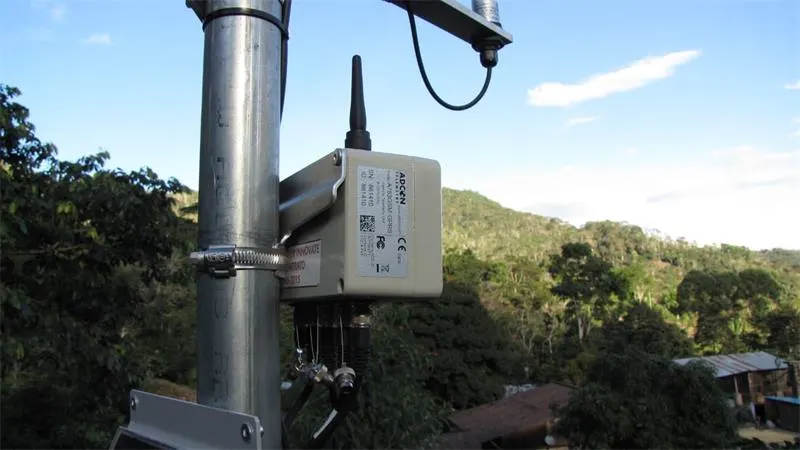
- Wireless Communication Module: Uses 4G or wireless microwave communication according to site coverage and transmission requirements.
- Galvanized Steel Mounting Pole: Supports the sensor assembly and is configured for the wind and terrain conditions at each site.
- Protective Enclosure: Houses the relevant electrical and data acquisition components and protects them from outdoor exposure.
- Concrete Foundation and Safety Fence: Provide a stable mounting base and help protect equipment at remote sites.
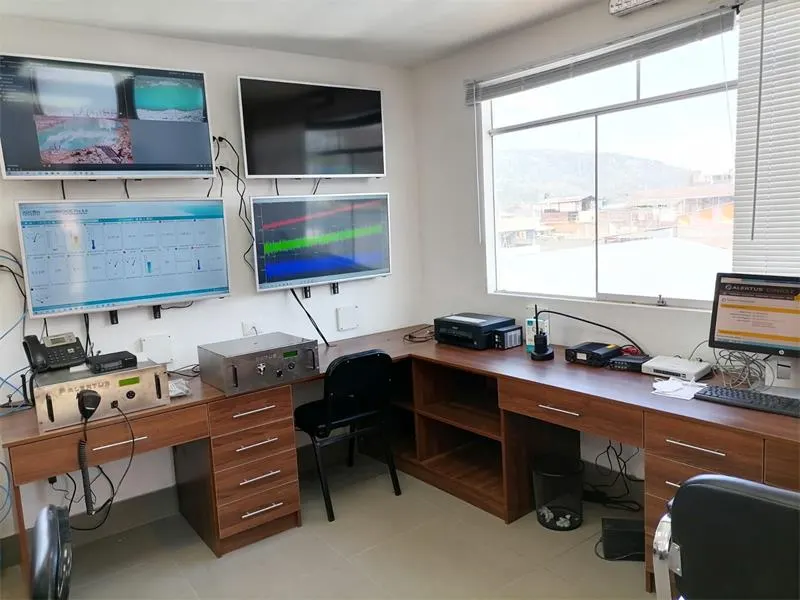
The monitoring platform provides access to current measurements and historical records. Configured thresholds can also be used to generate alerts when specified meteorological values are exceeded.
Project Site:
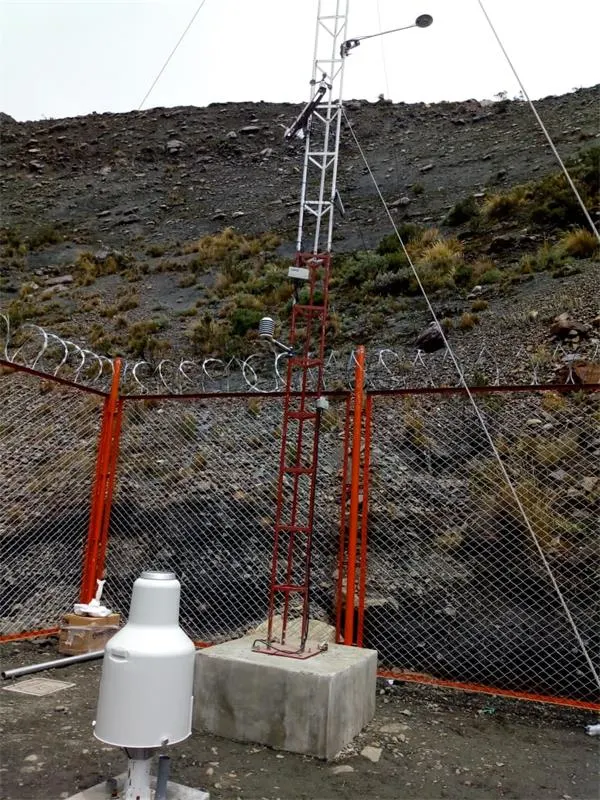
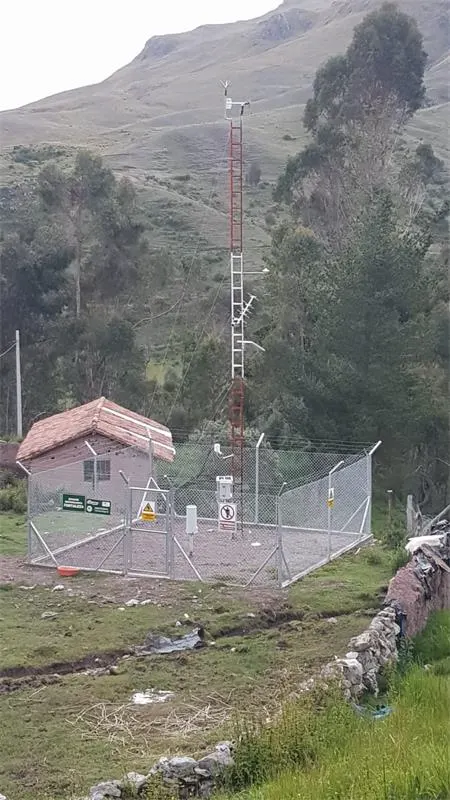
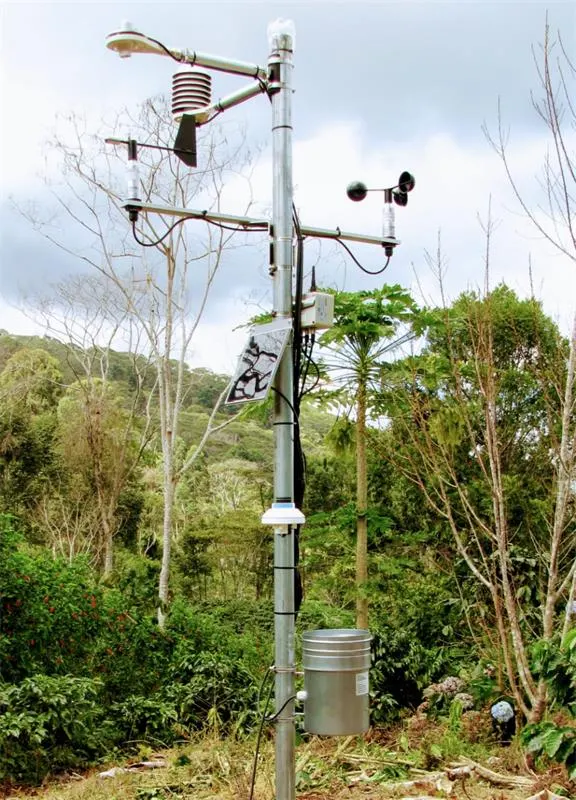
Project Highlights
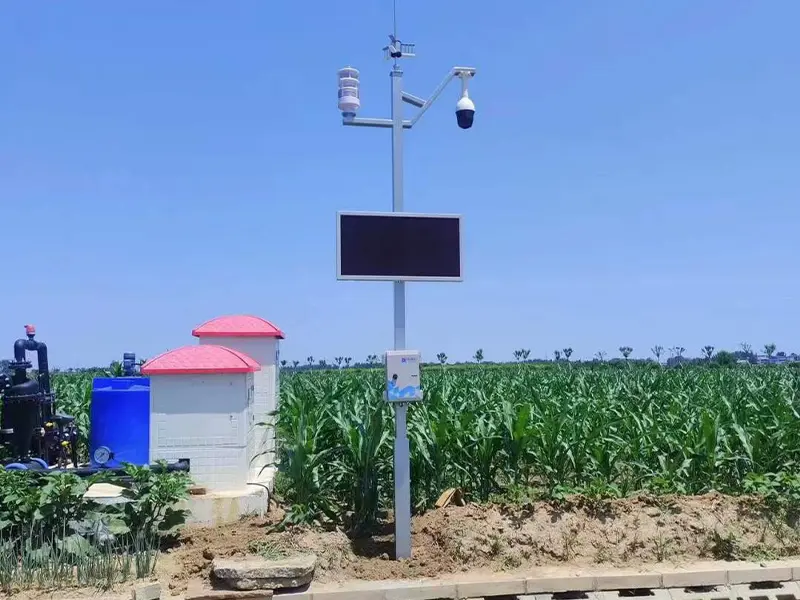
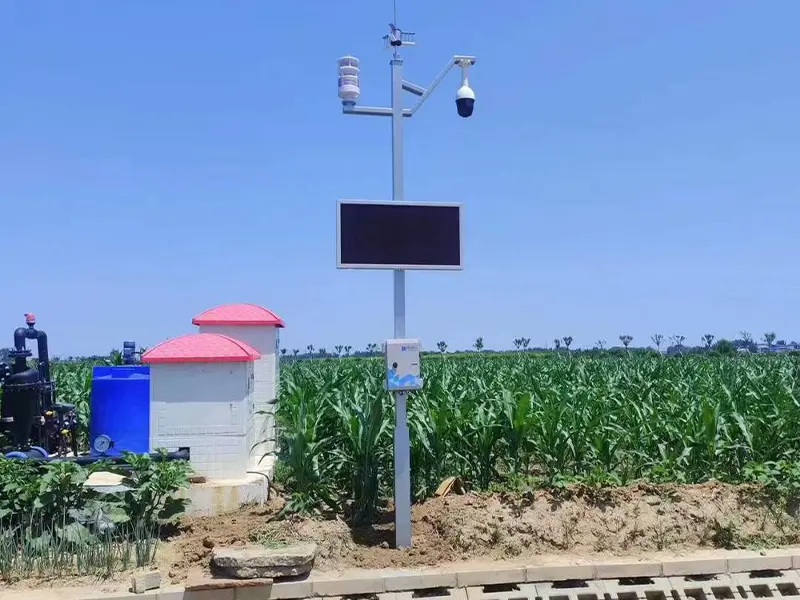
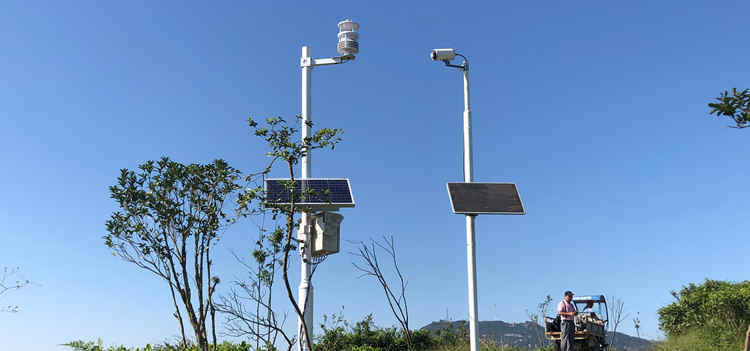
- Monitoring Across Different Elevations: The stations cover high-altitude ridges, exposed mountain slopes, river valleys, forest margins, irrigation areas, and photovoltaic sites.
- Solar-Powered Operation: Solar panels and battery storage supply power at remote locations without grid access.
- Site-Specific Communication: 4G is used where cellular coverage is available, while wireless microwave links serve locations with limited mobile coverage.
- Configurable Weather Measurements: The stations measure wind speed, wind direction, temperature, humidity, atmospheric pressure, rainfall, and solar radiation. Soil temperature, soil moisture, and snow depth can be added where required.
- Remote Data Access: The data logger stores measurements and transmits them to the monitoring platform for current-data review and historical analysis.
- Protection for Remote Sites: Mounting structures, concrete foundations, protective enclosures, and fencing are configured according to local wind, terrain, weather, and site-access conditions.
Project Results
The monitoring network provides continuous weather data from sites across different elevations and environments in the Peruvian Andes. Measurements are recorded by the data loggers and transmitted to the monitoring platform through 4G or wireless microwave links, depending on local coverage. This gives users access to current readings and historical records without requiring routine manual data collection at every site.
The collected data support glacier research, mountain weather assessment, irrigation planning, agricultural monitoring, and meteorological evaluation at photovoltaic sites. Solar power and remote data access reduce the need for frequent field visits, while periodic inspection and sensor maintenance help keep the stations operating under local conditions.
Customer Feedback
The monitoring system provides a more convenient way to access weather data from remote locations across the Andes. Solar power and wireless data transmission reduce the need for routine manual readings, while periodic field inspections remain necessary to check the sensors and supporting equipment.
“Being able to check the weather data remotely is useful, especially at sites that are difficult to reach. The solar power system and wireless transmission make routine monitoring easier to manage across different locations. We still need to carry out regular inspections, but we no longer have to rely entirely on manual data collection.”
Related Products
Related Articles
Contact us
Looking for customized smart sensor solutions? Our team specializes in delivering scalable, flexible, and tailored solutions to meet your specific needs.
Fill out the form now to get a personalized solution. Our experts will provide professional advice and ensure your project runs smoothly. Contact us today to start boosting efficiency!