
RY-CGH Photosynthetically Active Radiation Sensor
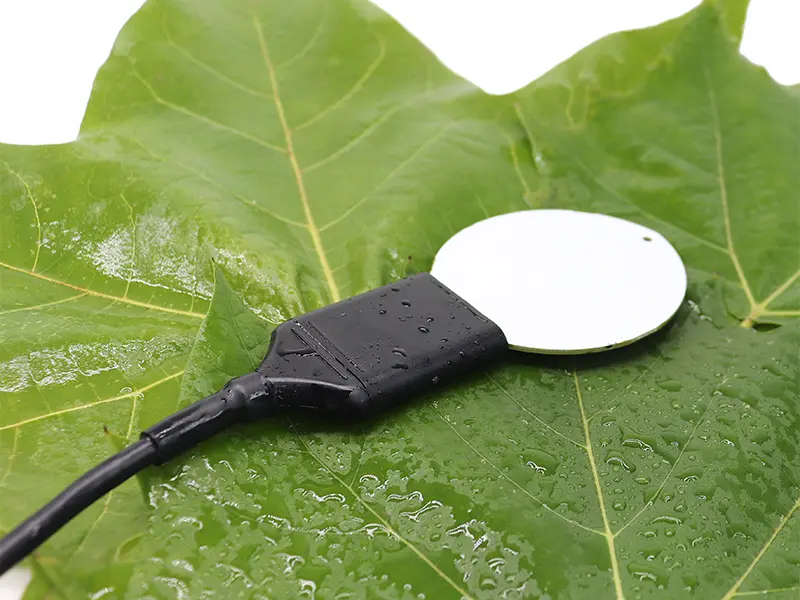
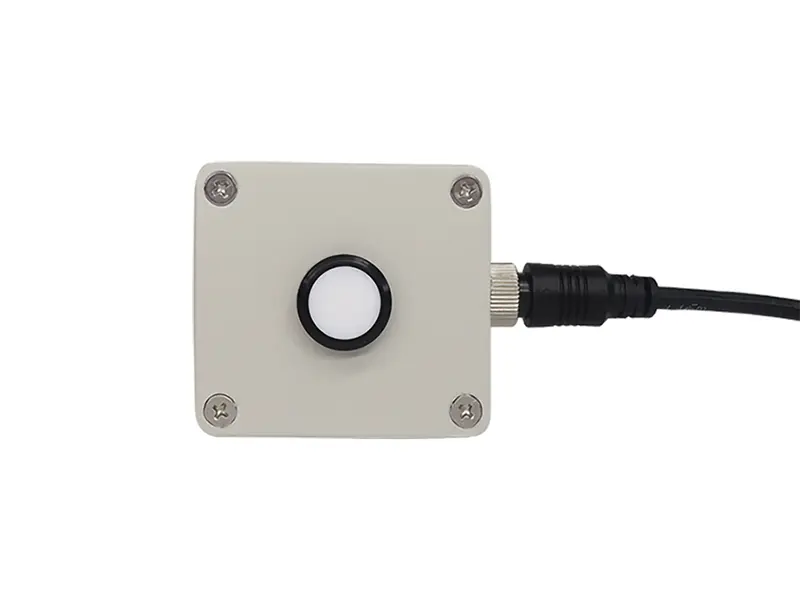
The RY-CGH photosynthetically active radiation sensor measures PAR within the 400–700 nm wavelength range using a photoelectric sensing principle. It is designed for continuous light monitoring and features a compact structure, convenient wiring, and an IP65-rated enclosure for outdoor use. With 4–20 mA or RS485 Modbus output options, it can be integrated into agricultural meteorological monitoring, greenhouse light management, plant growth research, and ecological monitoring systems.
|
Parameter |
Specification |
|---|---|
|
Output |
RS485 |
|
Spectral Range |
400-700nm |
|
Response time |
<1s (99%) |
|
Temperature related |
maximum 0.05% / ℃ |
|
Working temperature |
-40℃~65℃ |
US$30.8–36.96/ Unit
Introduct
The RY-CGH photosynthetically active radiation sensor is designed for continuous light monitoring in agricultural and environmental applications. Its compact design, convenient wiring, and multiple output options support integration with compatible data acquisition systems. The IP65-rated enclosure makes it suitable for outdoor monitoring environments.
Structure of photosynthetically active radiation sensor
- Optical Receiving Component: Receives incident light for measurement within the sensor’s specified spectral range.
- Optical Filter (400–700 nm): Defines the spectral response range for measuring photosynthetically active radiation (PAR).
- Silicon Photodetector: Converts incident light into an electrical signal proportional to light intensity.
- Signal Processing and Output Circuitry: Processes the detected signal and provides the selected output, including 4–20 mA or RS485 Modbus.
- Sensor Housing and Sealing Structure: Features an IP65-rated enclosure designed to protect against dust and water ingress during outdoor use.
- Mounting and Interface Structure: Supports sensor installation and cable connection for integration with compatible data acquisition and environmental monitoring systems.
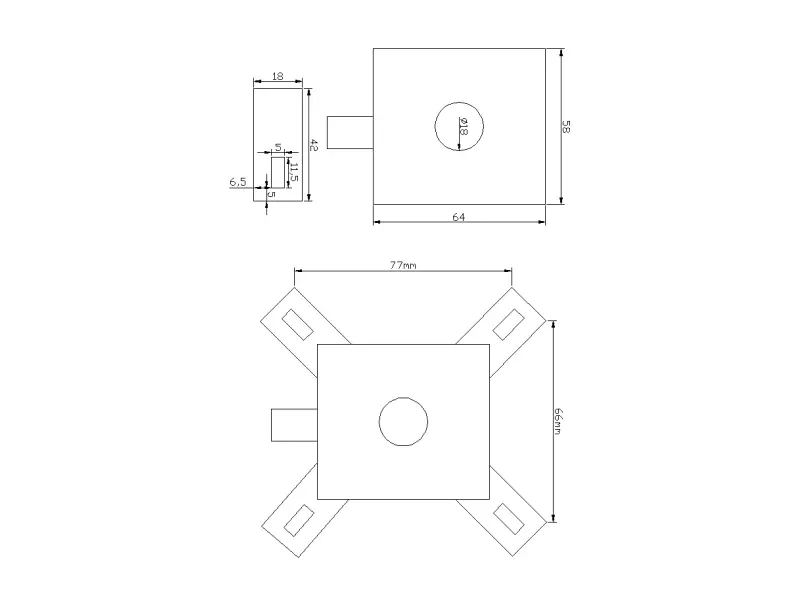
Details Show
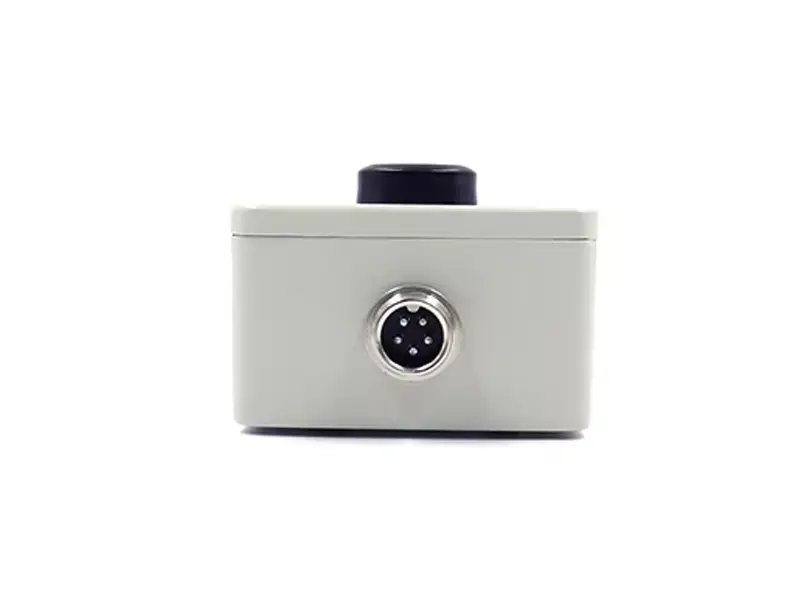
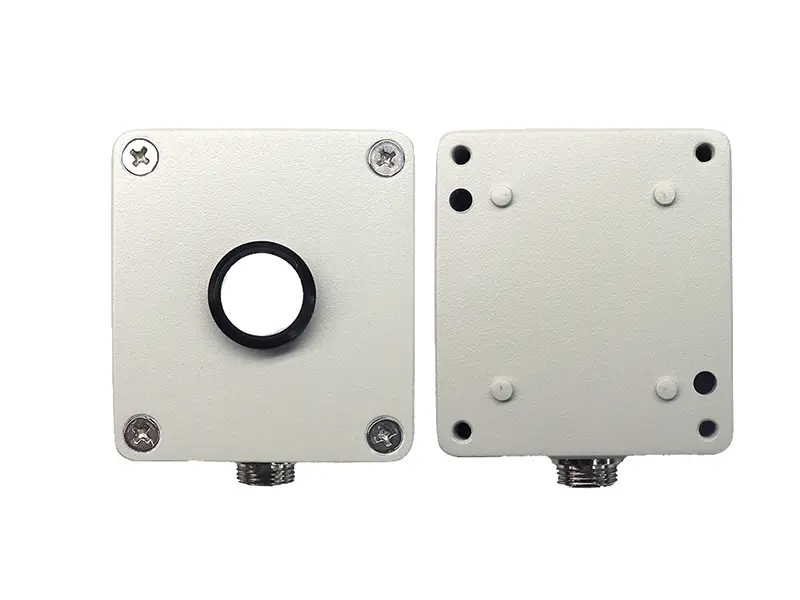
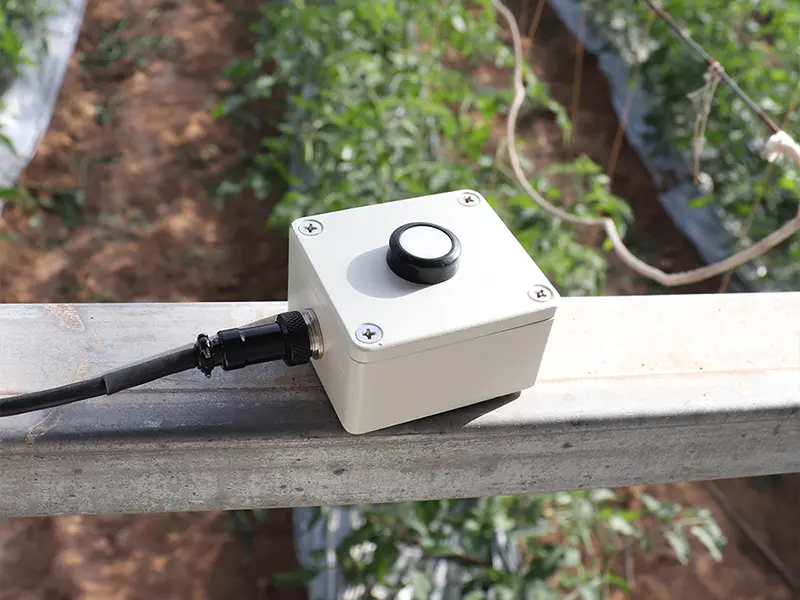
The following images show the key details of the RY-CGH photosynthetically active radiation sensor, including its design, components, and connection interfaces. These details help illustrate the sensor’s construction and installation features.
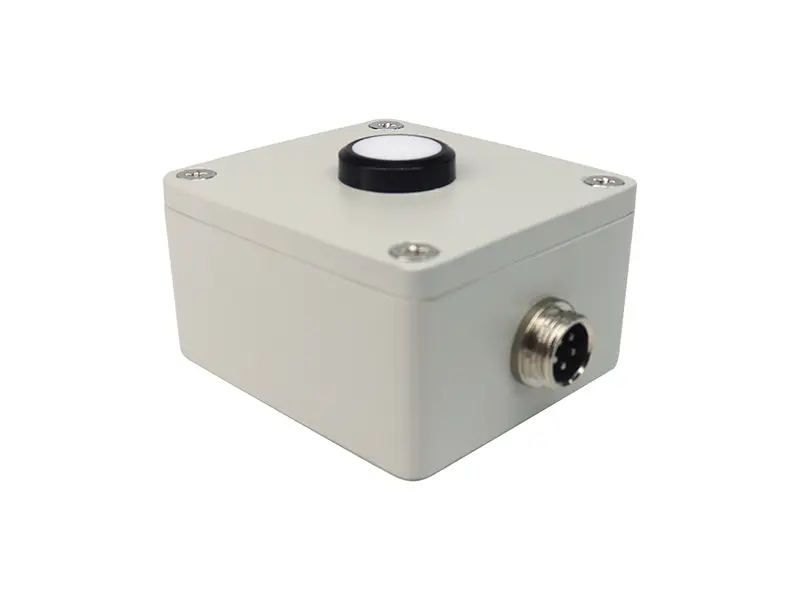
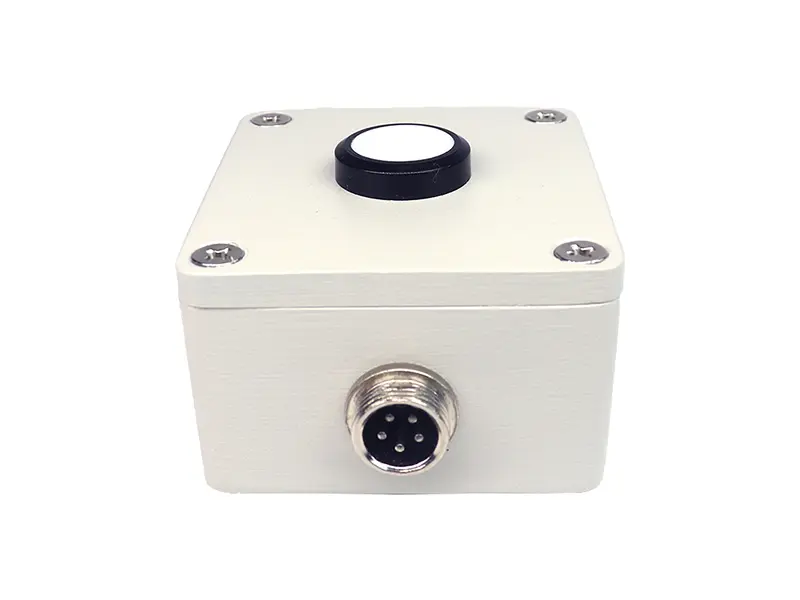
Specifications
The RY-CGH photosynthetic radiation sensor measures PAR in the 400–700 nm wavelength range. It features high sensitivity, fast response, and stable signal output. Available output options support connection to compatible data acquisition systems for agricultural meteorology, greenhouse monitoring, and plant research.
Parameters
| Mounting Type | accessories | Model Number | RY-CGH |
| Type | weather station | Brand Name | XINFENG |
| Usage | photosynthetically active radiation | Description | photosynthetically active radiation |
| Place of Origin | Hebei, China | Series | HCD |
| Features | HIGH SENSITIVITY | Output | RS485 |
| Description | RY-CGH PAR Sensor | Spectral Range | 400-700nm |
| Response time | <1s(99%) | Temperature related | maximum 0.05%/℃ |
| Cosine correction | up to 80° incident angle | Internal resistance | <2K |
| Working temperature | -40℃~65℃ | Working humidity | <90% |
| Output | original output 200mv | Farthest lead length | 200m for current, 100m for RS485, 50m for voltage |
| Sensitivity | Sensitivity 7-50μv/pmol |
Features
The RY-CGH photosynthetically active radiation sensor combines PAR measurement, rapid response, and flexible system connectivity for agricultural and environmental monitoring applications.
Accurate PAR Wavelength Coverage
Measures photosynthetically active radiation across the 400–700 nm wavelength range for greenhouse light monitoring, agricultural meteorology, and plant research.
Fast Response to Changing Light
A response time of less than 1 second (99%) supports continuous recording of light fluctuations under changing natural or artificial lighting conditions.
RS485 Digital Communication
The RS485 interface enables connection to compatible data loggers, weather stations, and environmental monitoring systems.
Dedicated Plant Light Monitoring
Designed for PAR monitoring in crop production, greenhouse management, and plant growth research, where light conditions need to be tracked over time.
Integration with Data Acquisition Systems
Supports integration into agricultural monitoring setups through a compatible communication interface and data acquisition configuration.
Flexible Installation Configuration
Cable length, mounting arrangement, and connection settings can be selected according to the monitoring site and system requirements.
Applications
The RY-CGH photosynthetically active radiation sensor provides light data for agricultural production, plant research, and environmental monitoring, helping users assess growing conditions and analyze changes in light availability.

agricultural meteorology
Monitor field light conditions and collect PAR data for crop growth assessment, agricultural weather analysis, and planting management.
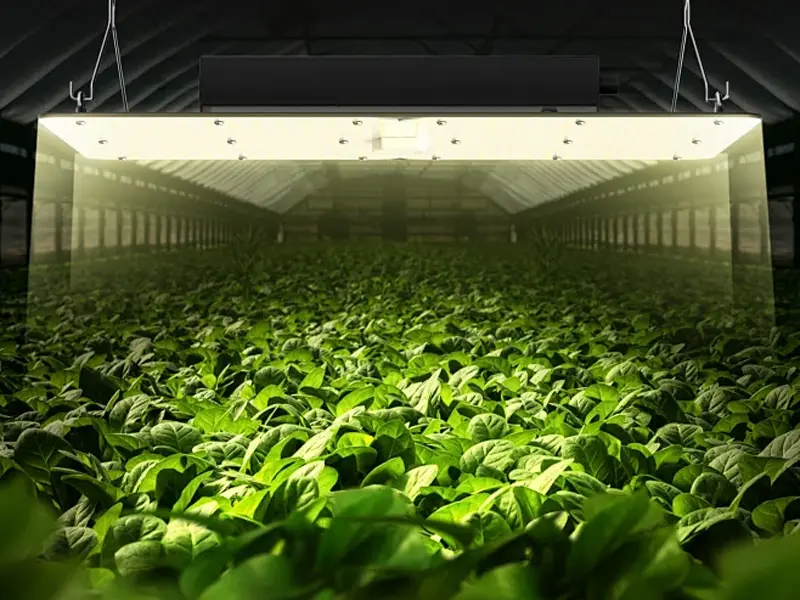
Greenhouse cultivation
Track changes in greenhouse light levels to assess natural light availability and support supplemental lighting management.

crop growth research
Record photosynthetically active radiation data to study the relationship between light exposure, photosynthesis, and crop development.

Ecological environment monitoring
Measure light conditions in vegetation-covered areas to support research on canopy light distribution, vegetation growth, and ecosystem responses to environmental changes.

Smart agricultural system
Supply PAR measurements to agricultural monitoring systems for data-based lighting management and assessment of crop growing conditions.

Weather station monitoring
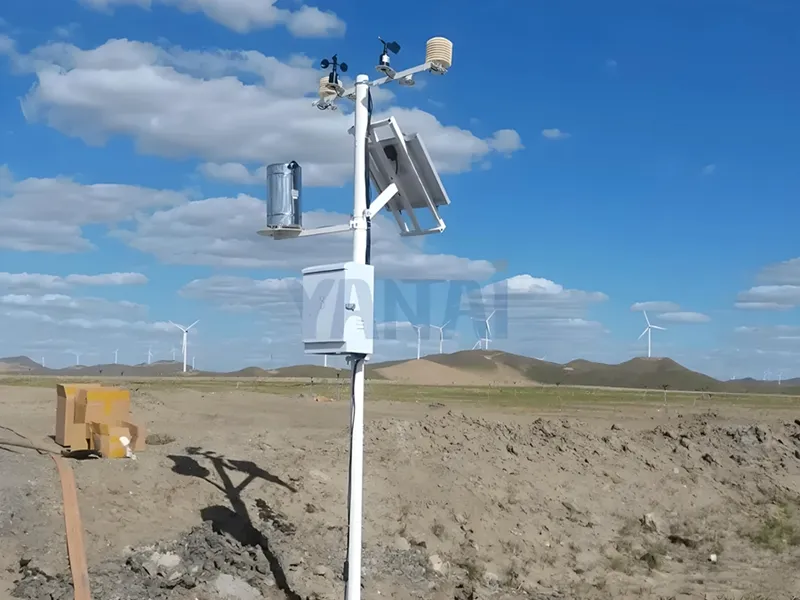
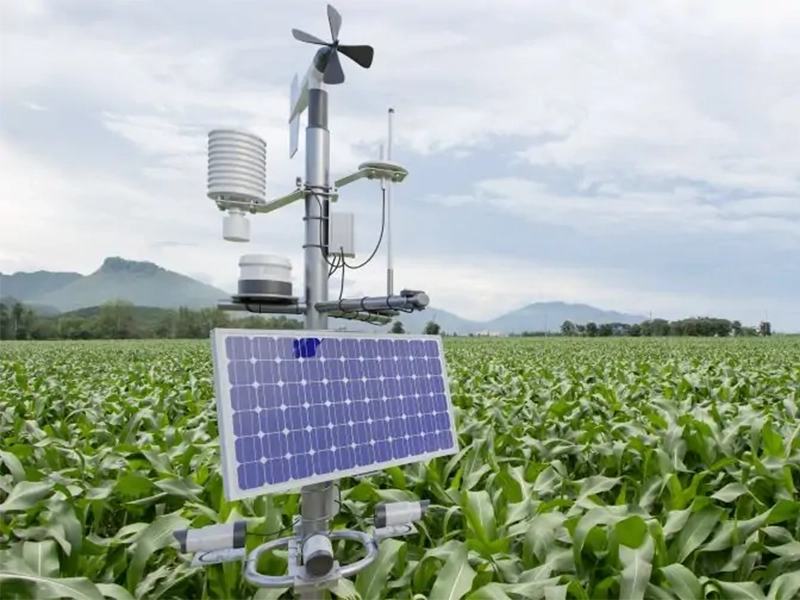
Integrate the PAR sensor into compatible weather stations and data acquisition systems for continuous agricultural meteorological and environmental data collection.
Greenhouse Weather Station for Leaf Vegetable Film Greenhouse Monitoring
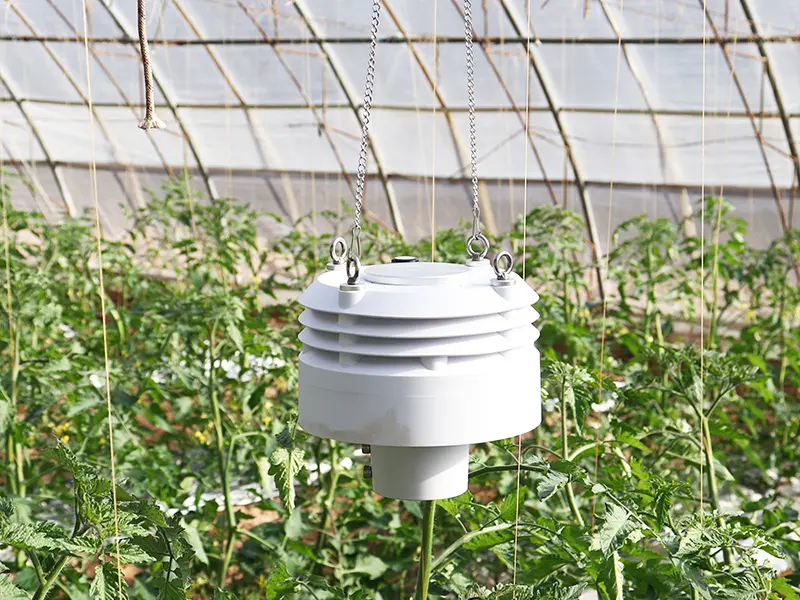
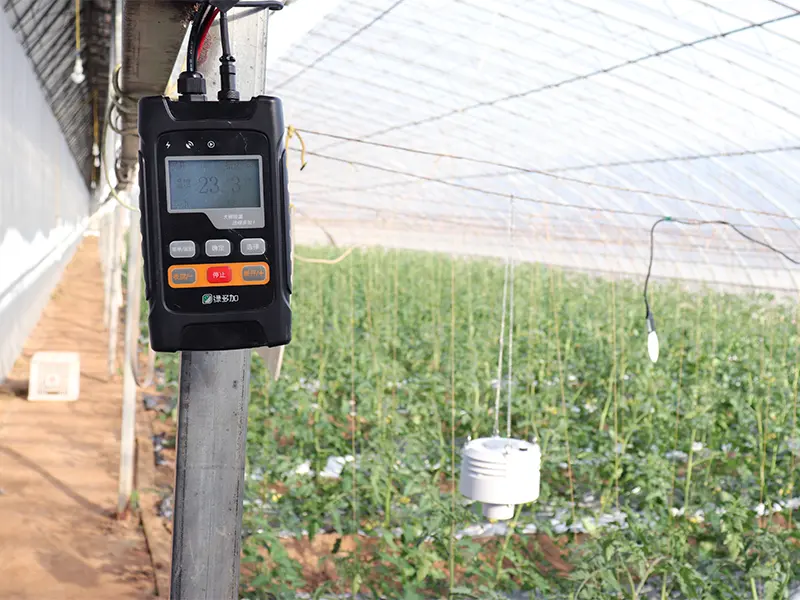
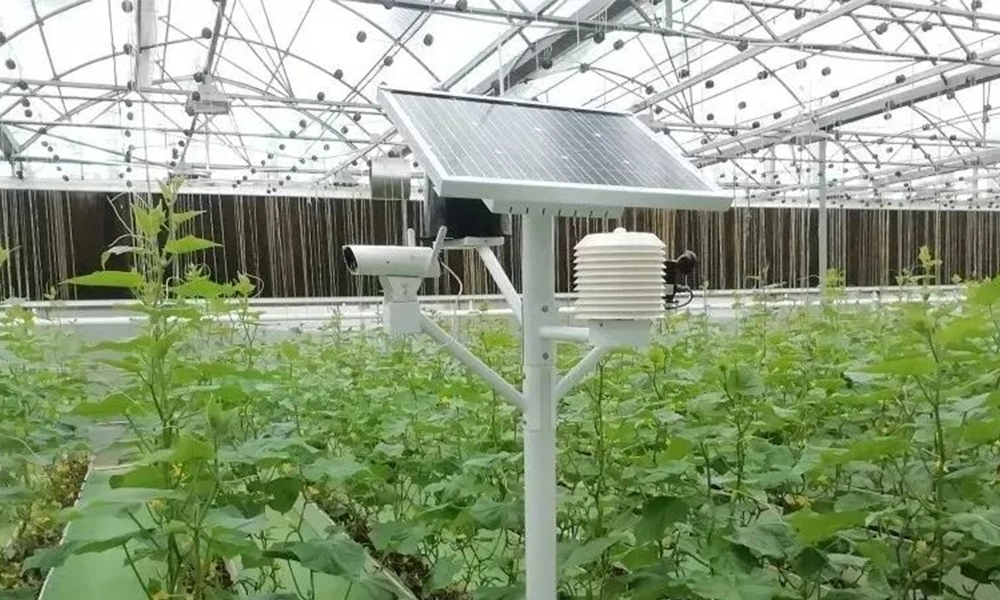
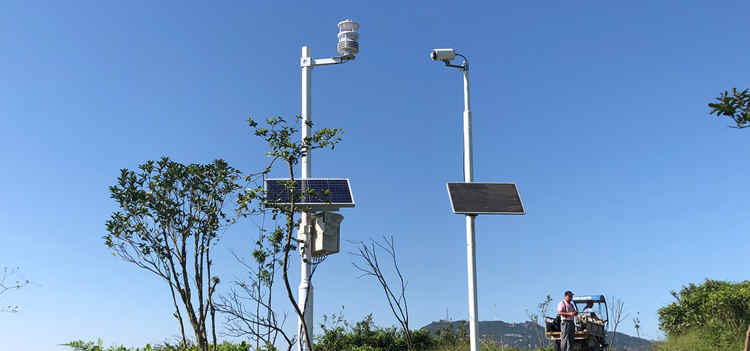
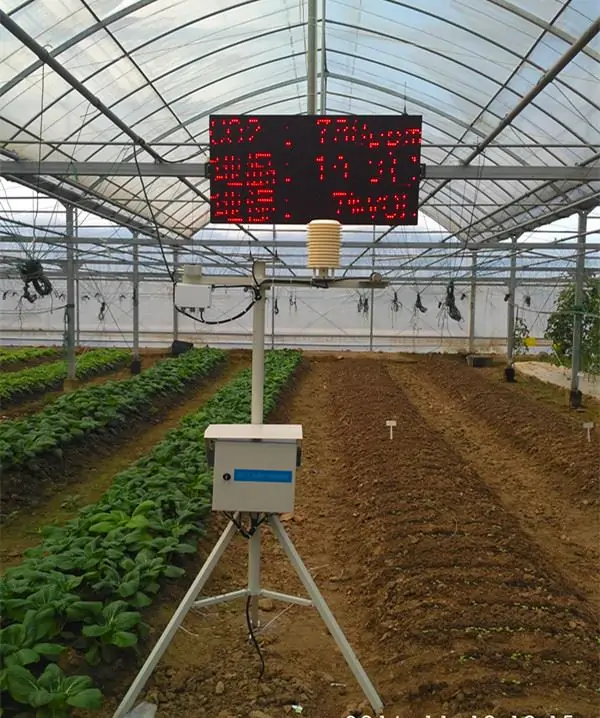
At a modern agricultural demonstration base in Hebei, China, a greenhouse weather station was installed to monitor environmental conditions in multi-span film greenhouses. The system continuously records temperature, humidity, and light intensity, while the RY-CGH photosynthetically active radiation sensor is available as an optional module for measuring PAR and assessing light conditions for crop growth. With on-site LED display, 4G remote data transmission, and historical data access, the system helps growers track environmental changes and make more informed decisions about shading, ventilation, and greenhouse management.

RY-CGH Photosynthetically Active Radiation Sensor Customization
Customize the RY-CGH photosynthetically active radiation sensor configuration to suit your measurement requirements, installation conditions, and monitoring system. Our team can assess your project specifications and recommend suitable sensor options for integration into Smart Agricultural Solutions.
Customization Options
- Measurement Range and Performance: Specify your required PAR measurement range and measurement conditions for configuration assessment.
- Signal Output: Select available output options, such as RS485, voltage, or current, subject to model compatibility.
- Mounting Options: Discuss mounting brackets, fixing methods, and installation requirements for your monitoring setup.
- Environmental Requirements: Provide site temperature, humidity, and exposure conditions so suitable protection and operating specifications can be evaluated.
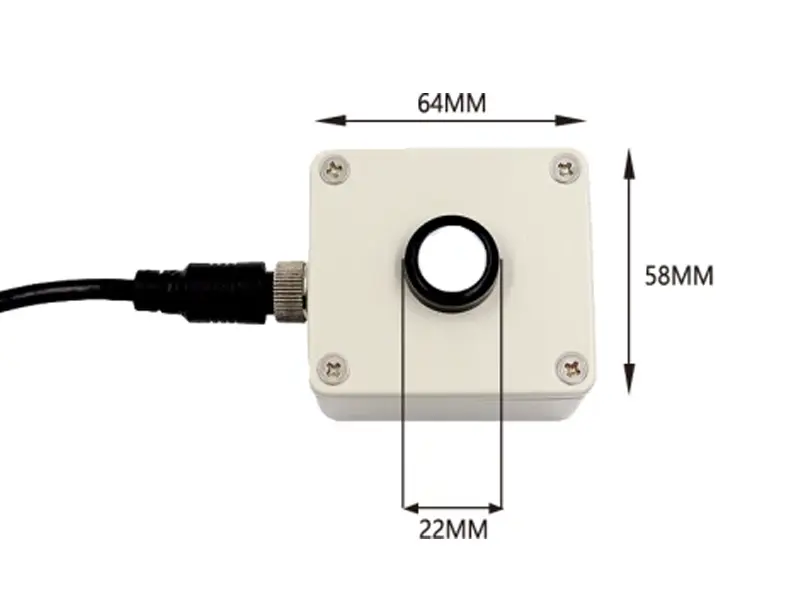
- Housing and Dimensions: Discuss enclosure dimensions, cable routing, and space constraints for your installation.
photosynthetically active radiation sensor Manufacturer and Supplier
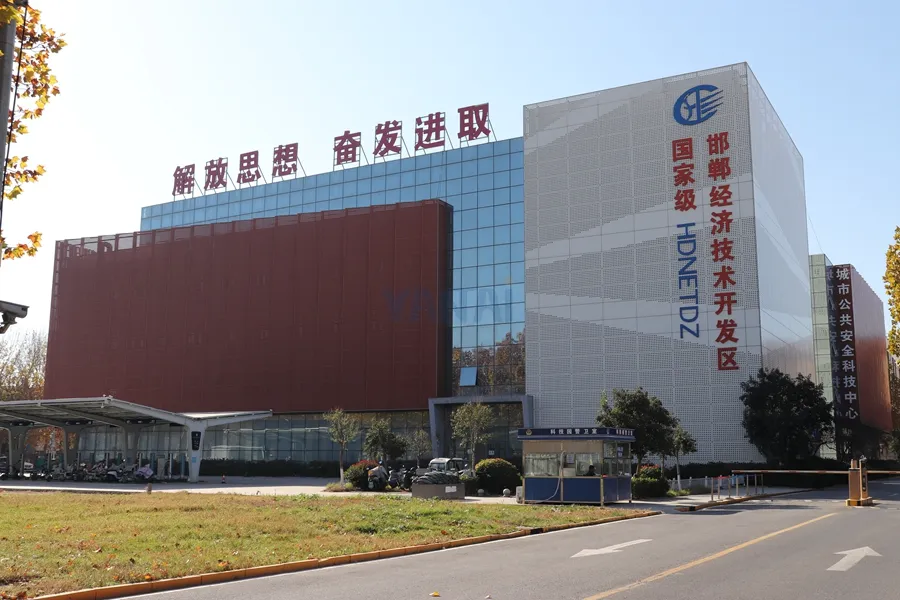
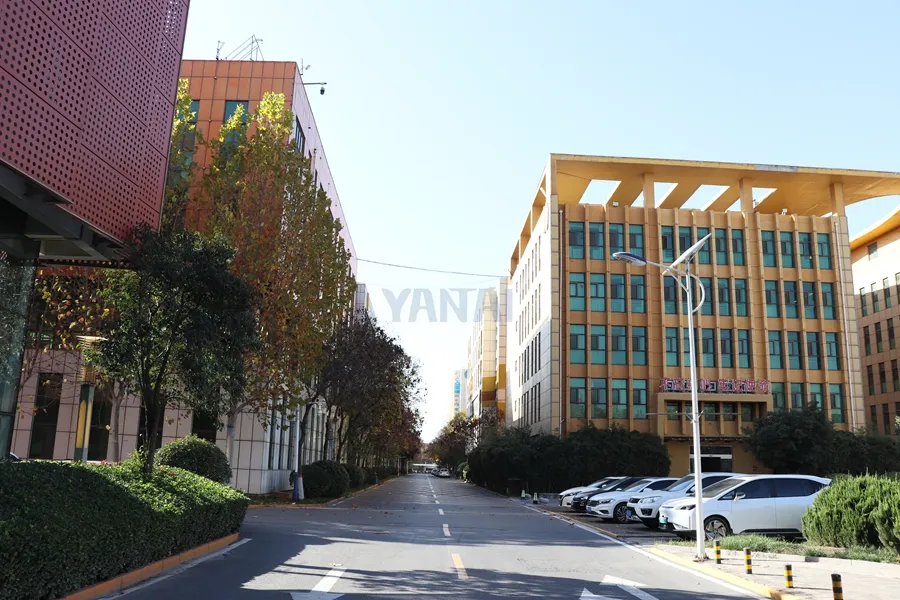
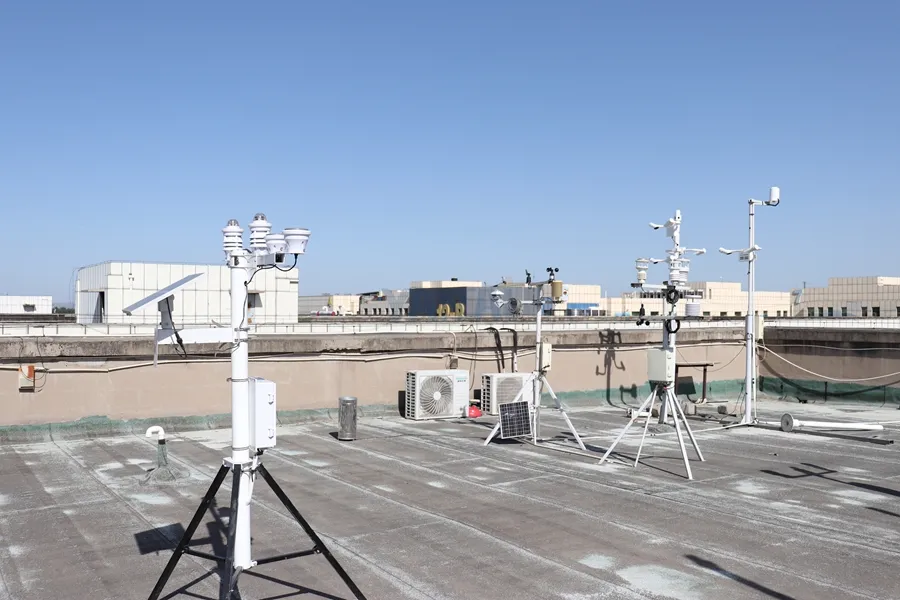
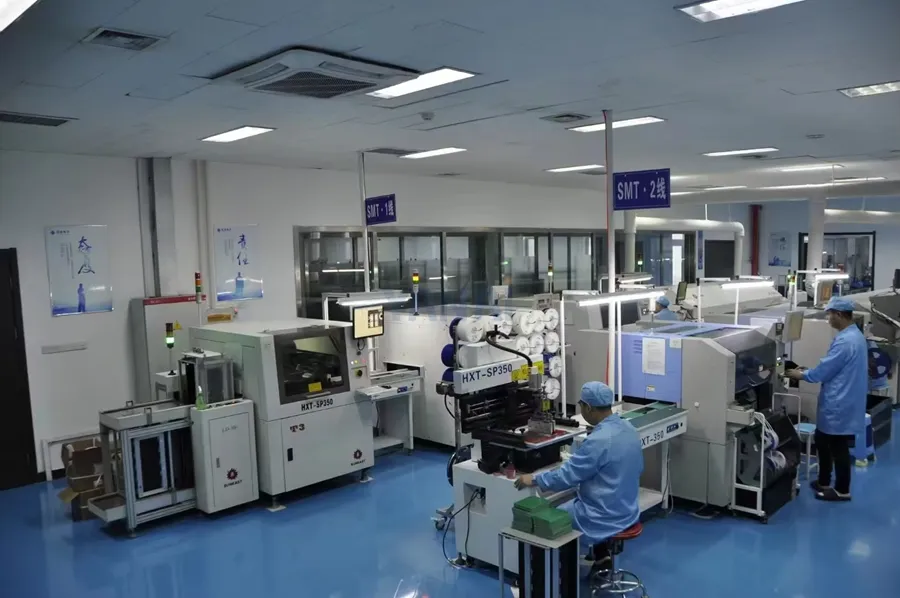
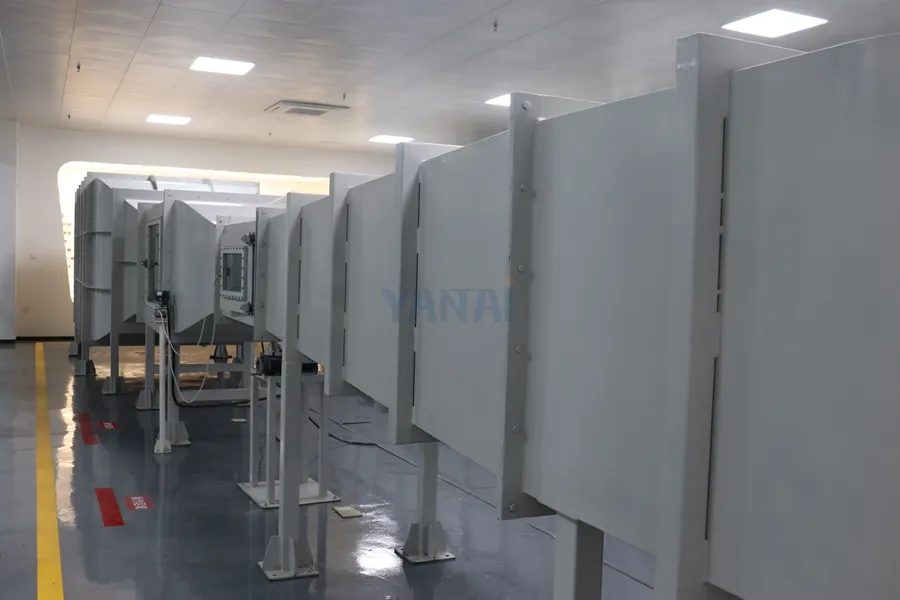
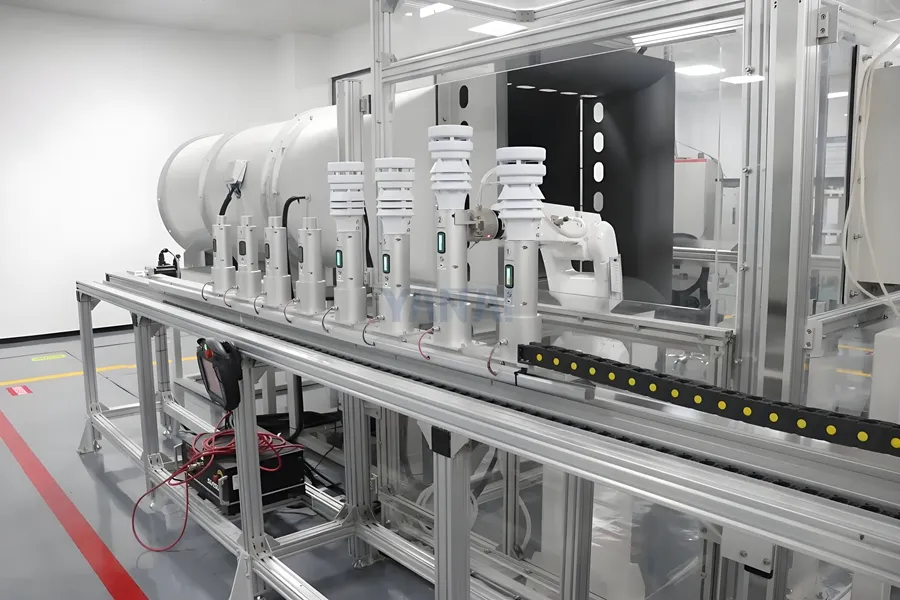
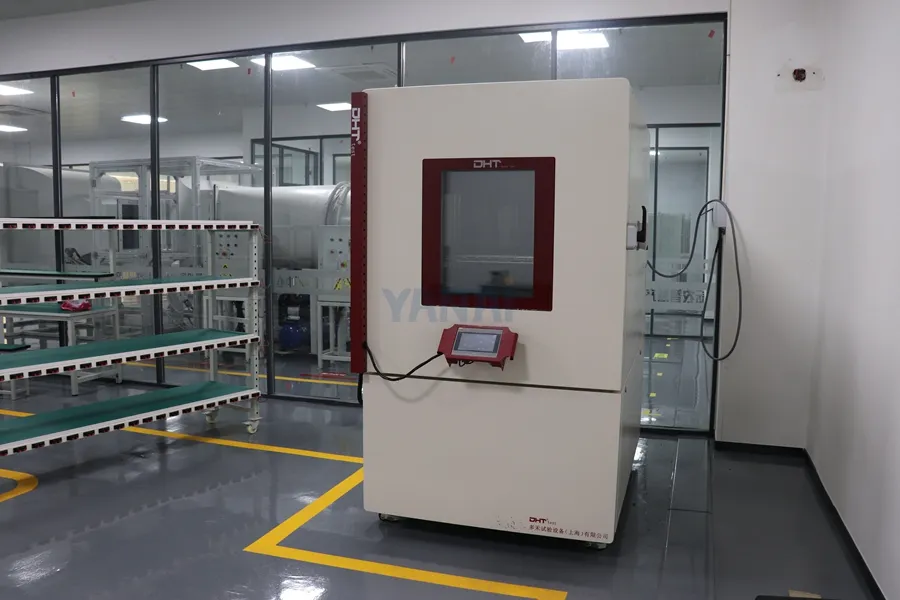
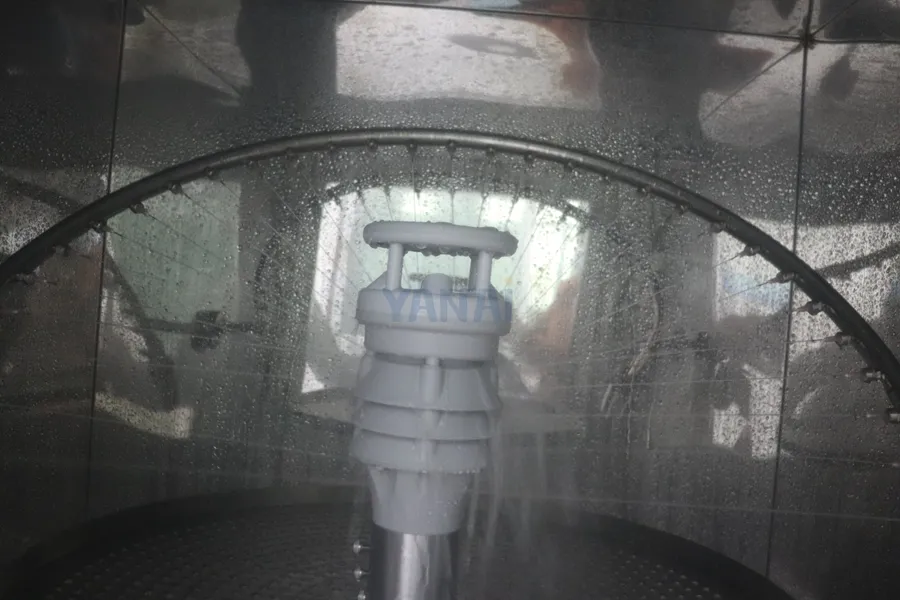
Yantai Sensor develops sensor products and monitoring solutions for agricultural meteorology, environmental monitoring, and related applications. Our production and testing capabilities support the supply of photosynthetically active radiation sensors for different monitoring requirements. We also provide OEM/ODM services, protocol development, structural customization, and functional expansion for projects requiring specific configurations.
Learn more about Yantai Sensor’s manufacturing capabilities and quality control, or contact our team to discuss your PAR sensor requirements.