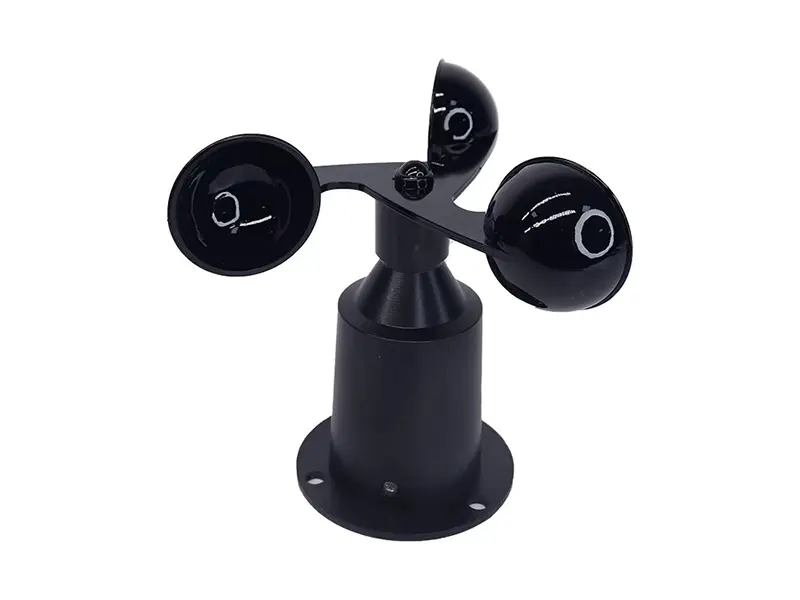
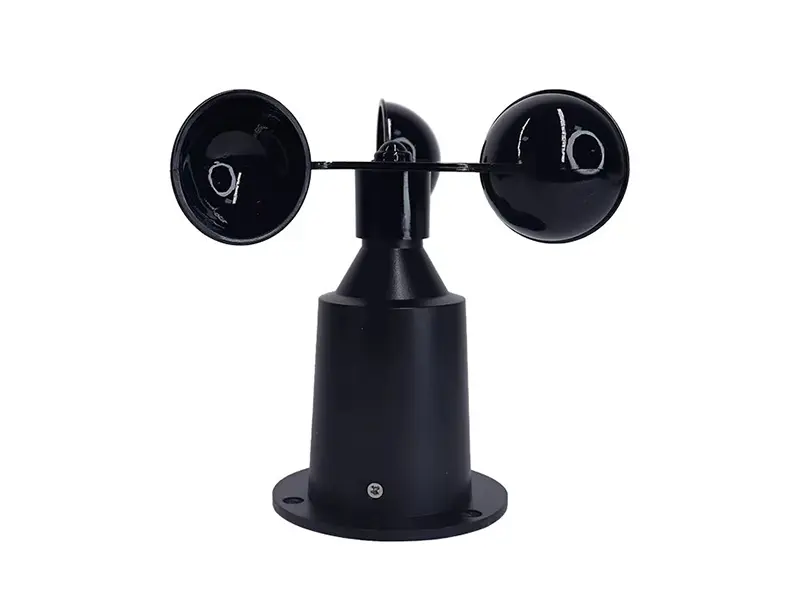


3 Cup Anemometer
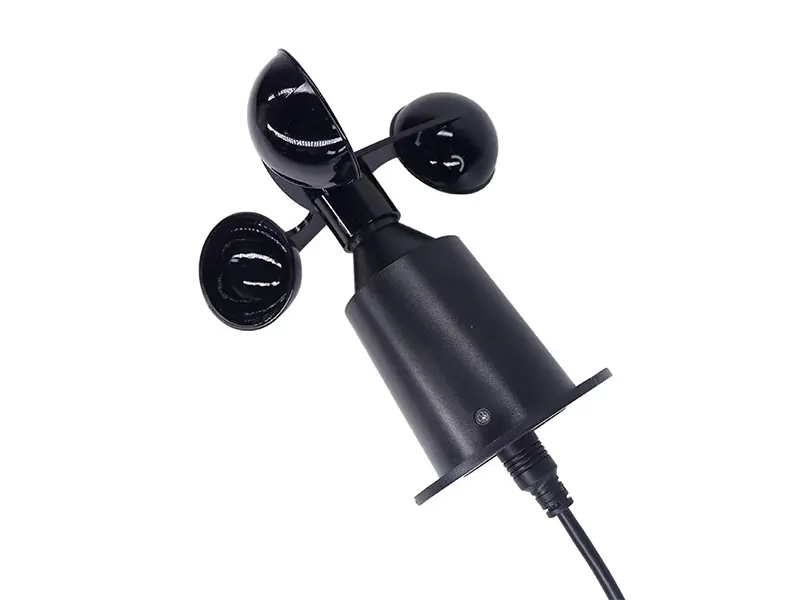
The 3 cup anemometer measures outdoor wind speed by converting the rotation of three cups into electrical signals. It features a 0–60 m/s measuring range, a starting wind speed of ≤0.6 m/s, and RS485 output with Modbus RTU communication. With an ASA housing, low power consumption, and a response time of less than 1 second, it is designed for integration into weather stations and environmental monitoring systems.
- Wind Speed Measuring Range: 0–60 m/s
- Wind Speed Accuracy: ±(0.3 + 0.03V) m/s
- Resolution: 0.3 m/s
- Starting Wind Speed: ≤0.6 m/s
Price: $18.83-$24.65
Introduction
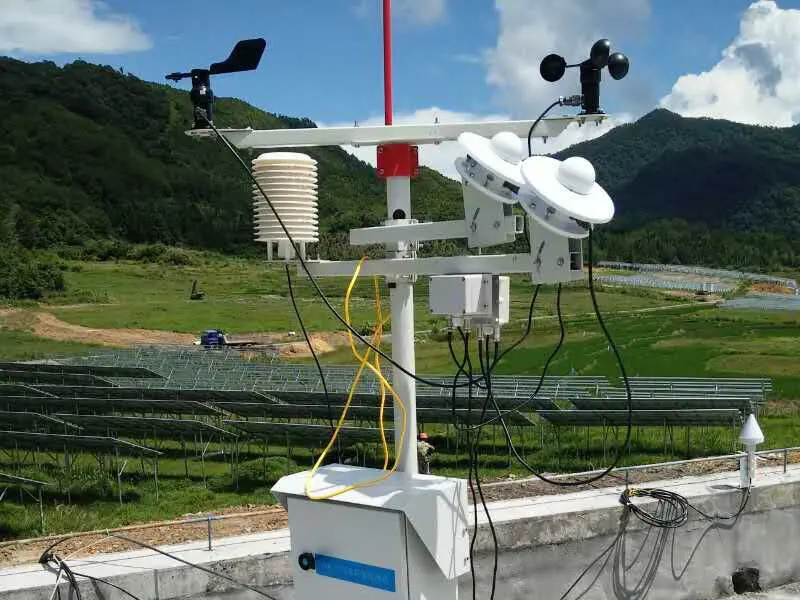
The 3 cup anemometer is a wind speed sensor designed for outdoor meteorological and environmental monitoring. It measures wind speed by converting the rotation of three cups into electrical signals that can be processed by a compatible data acquisition system. This three cup anemometer can be integrated into weather stations and other monitoring systems to provide wind speed data for environmental observation and operational monitoring.
For a comparison of mechanical and ultrasonic wind speed measurement, read our article“Ultrasonic vs. Mechanical Anemometers: Which is Better for Solar Farm Monitoring?”.
Structure of a 3 Cup Anemometer
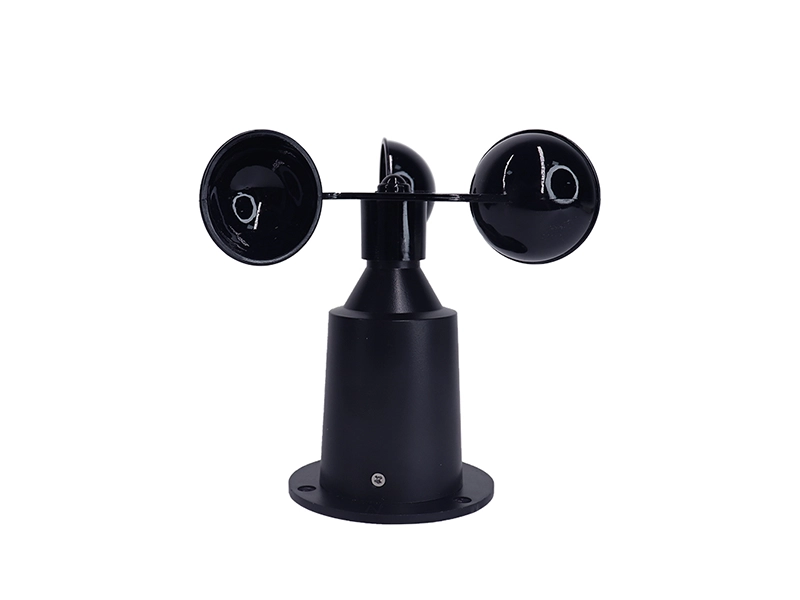
A 3 cup anemometer consists of three wind cups, a rotating shaft, a bearing system, a sensing element, signal processing circuitry, and a mounting base. The three hollow cups are mounted on arms spaced 120° apart, with their concave surfaces facing the same direction. Wind pressure differences drive the cups to rotate, and the sensing mechanism converts rotational speed into electrical signals for wind speed measurement.
- Wind Cups: Three hemispherical or conical cups generate rotational torque through differences in aerodynamic drag.
- Rotating Shaft and Bearings: Transfer cup rotation while minimizing friction and mechanical resistance.
- Signal Processing Circuit: Converts sensor signals into wind speed data; this model specifies RS485 output with Modbus RTU communication.
- Housing and Mounting Base: The ASA housing protects internal components, while the mounting base secures the sensor to a compatible mast or bracket.
Working Principle
A 3 cup anemometer measures wind speed by detecting the rotation of its cup assembly and converting the measured rotation into a calibrated wind speed value.
Wind-Driven Rotation
A three cup anemometer has three cups mounted at 120° intervals around a vertical shaft. Differences in aerodynamic drag between the concave and convex surfaces generate torque, causing the assembly to rotate when exposed to wind from different horizontal directions.
Rotational Speed Detection
As the cups rotate, the shaft transfers mechanical movement to a sensing mechanism. The sensor detects rotational speed and generates corresponding electrical signals. This measurement principle allows a cup anemometer to track changes in wind speed without requiring the sensor to face the wind manually.
Signal Processing and Wind Speed Calculation
The processing circuit converts the detected rotation signal into a wind speed value using the sensor’s calibration relationship. The measured data can then be transmitted to a compatible weather station or data acquisition system. A three cup wind speed sensor with a suitable output interface can be integrated into broader environmental monitoring applications.

Technical Specifications of 3 Cup Anemometer
The following table lists the main operating and electrical specifications of the 3 cup anemometer. Confirm the values against the technical datasheet for the exact model before publication.
| Parameter | Specification | Parameter | Specification |
| Wind Speed Range | 0–60 m/s | Wind Speed Accuracy | ±(0.3 + 0.03V) m/s* |
| Resolution | 0.3 m/s | Starting Wind Speed | ≤ 0.6 m/s |
| Response Time | < 1 s | Output Signal | RS485, Modbus RTU* |
| Supply Voltage | DC 12–24 V | Power Consumption | ≤ 200 mW |
| Operating Temperature | −20 to +80°C | Operating Humidity | 0–100% RH |
| Housing Material | ASA |
Advantages
A 3 cup anemometer offers practical advantages for continuous wind speed monitoring, including a wide measurement range, a simple mechanical structure, and convenient integration with compatible monitoring systems.
Wide Measurement Range
With a specified range of 0–60 m/s, this wind speed sensor supports a broad range of wind monitoring applications.
Simple Mechanical Structure
The three-cup rotor converts wind-driven rotation into measurable signals, providing a straightforward method for wind speed measurement.
Outdoor Monitoring
The sensor is designed for outdoor monitoring. Check the operating temperature and protection rating to ensure suitability for the installation environment.
RS485 System Integration
RS485 output supports connection to compatible weather stations, data loggers, and environmental monitoring systems.
Product Details




Applications
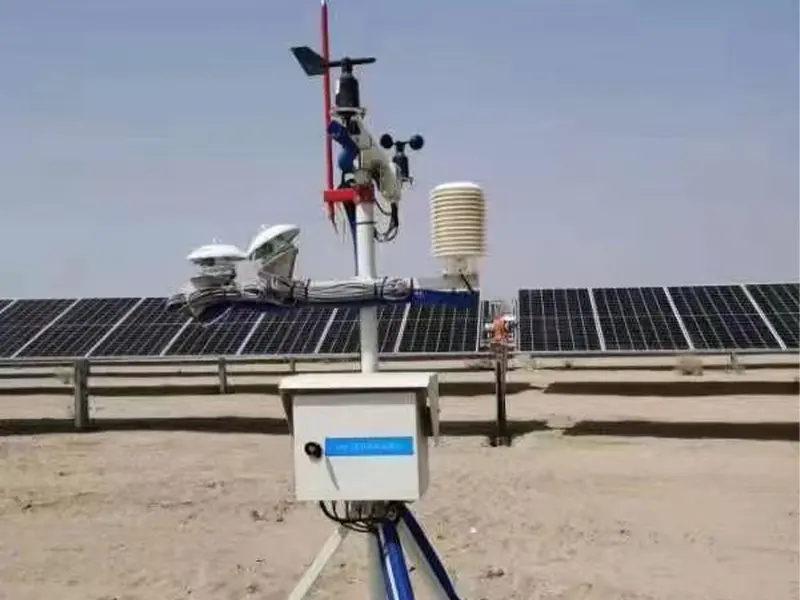
A 3 cup anemometer measures wind speed for continuous data collection across meteorological, agricultural, environmental, and industrial applications. When selecting a wind speed sensor, consider the required measurement range, starting wind speed, output interface, and installation conditions.
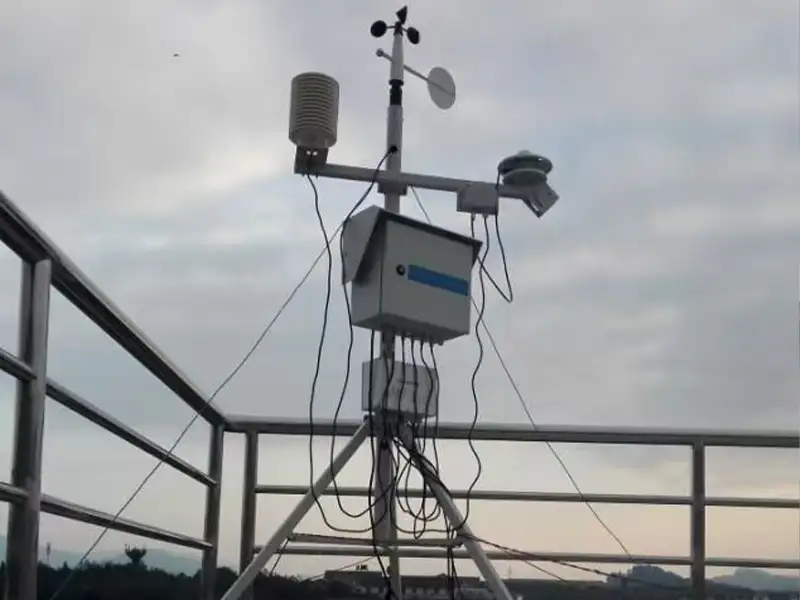
Meteorological Monitoring
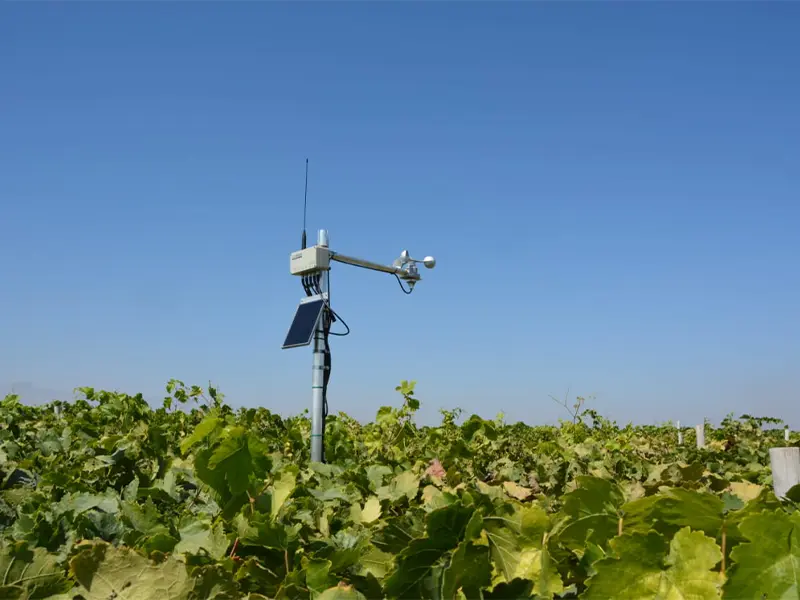
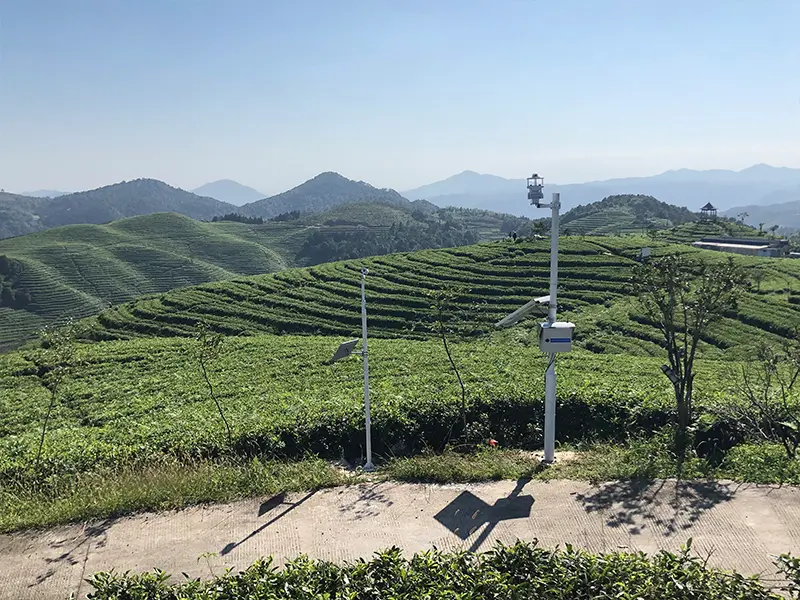
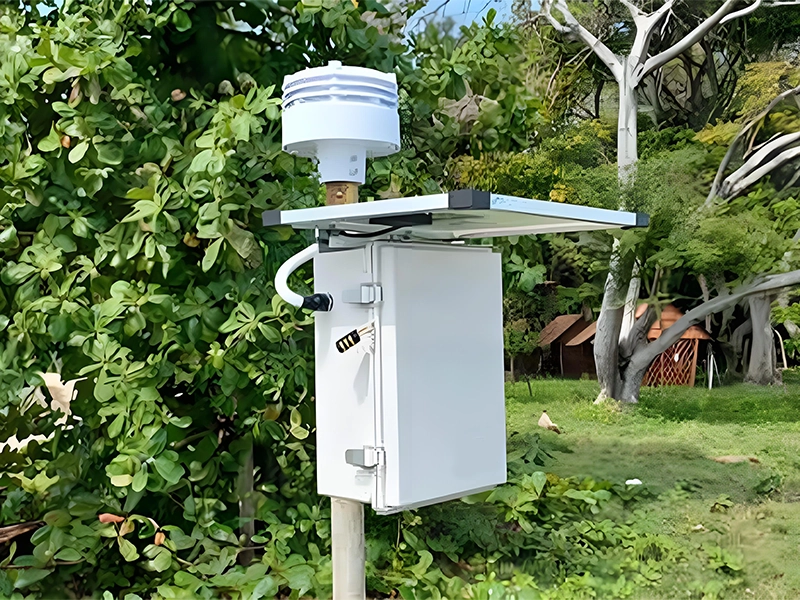
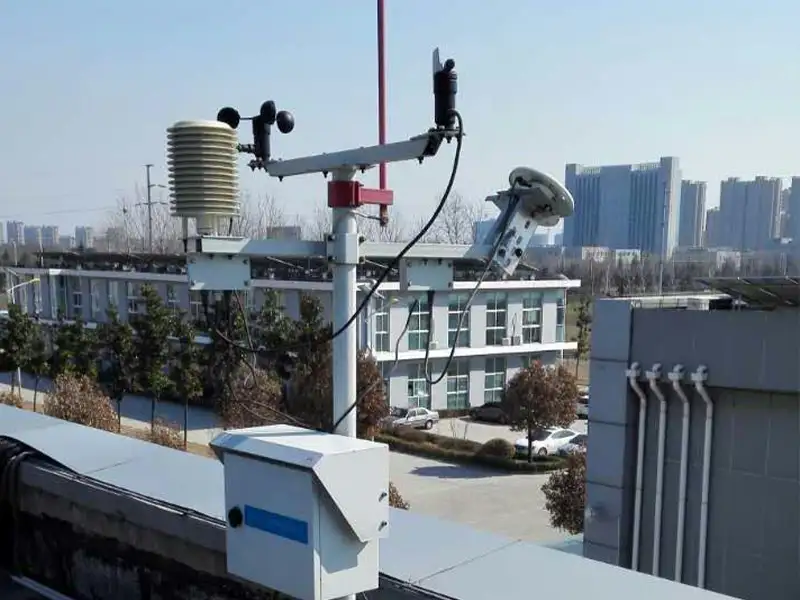
Used in automatic weather stations to measure horizontal wind speed for weather observation and local meteorological data collection.
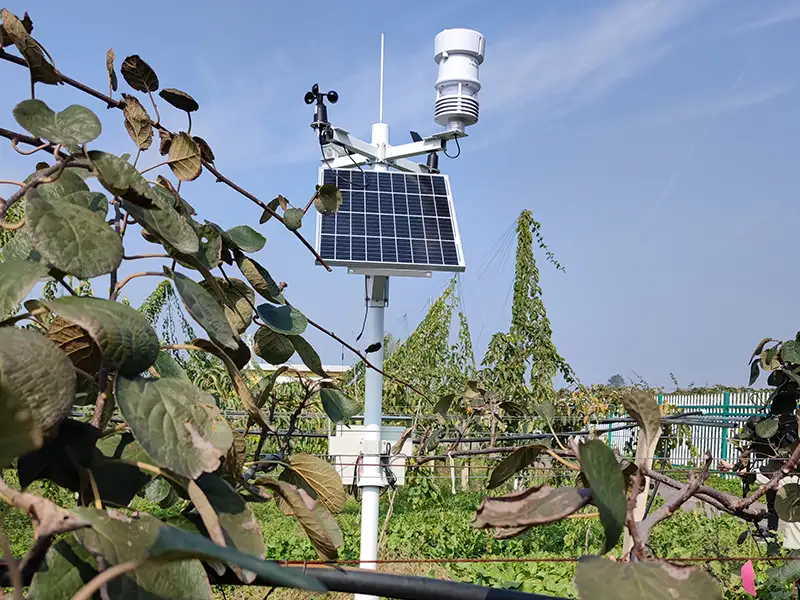
Agriculture and Greenhouses
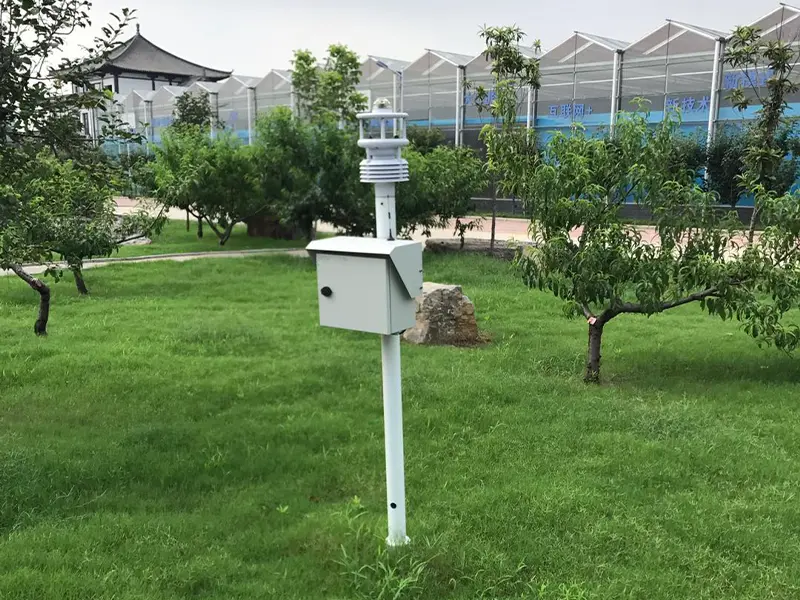
Provides wind speed data for agricultural weather stations and greenhouse monitoring systems, supporting ventilation management and local weather assessment.
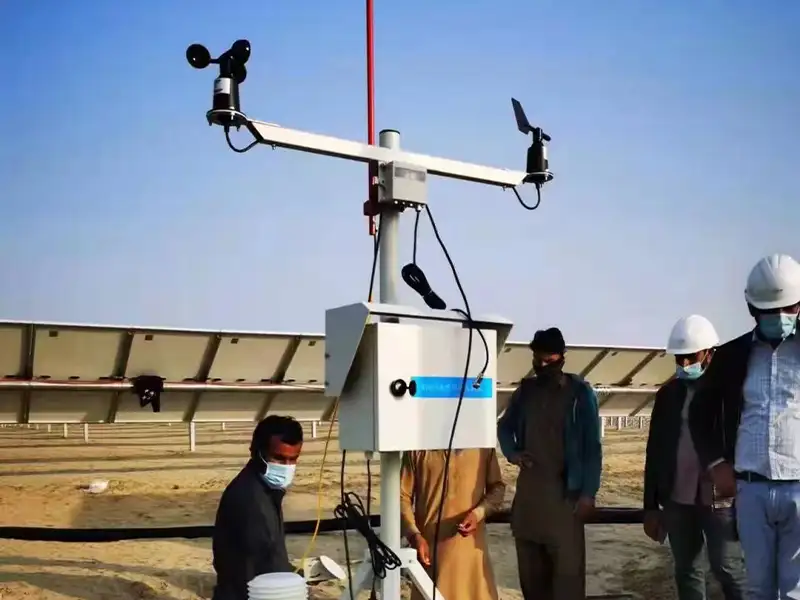
Environmental and Industrial Monitoring
Collects wind speed data at industrial sites and environmental monitoring locations to help assess wind conditions that may affect operations or air dispersion.
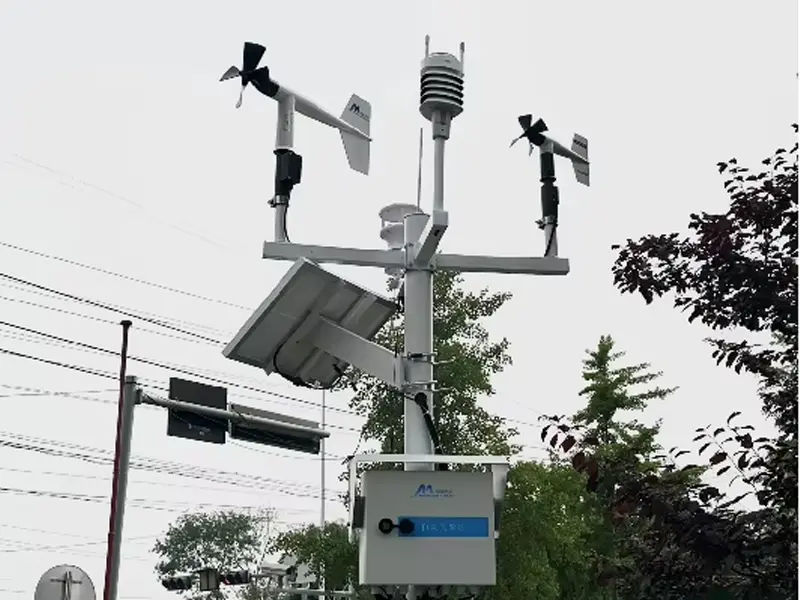
Marine and Outdoor Monitoring
Supports wind speed monitoring at ports, aquaculture facilities, and outdoor research sites. Confirm the sensor’s protection rating and operating limits for the installation environment.
Custom 3 Cup Anemometer
Looking for a 3 cup anemometer solution tailored to your project? Share your application, measurement requirements, output interface, and installation conditions. We can help you select suitable sensors and integrate them into our Agricultural Weather Monitoring Solutions to meet your project needs. Contact us to discuss your requirements and explore a suitable configuration.
- Signal Output Customization
Discuss supported outputs, such as RS485, pulse, or 4–20 mA, to match your data logger or monitoring system. - Power Supply Customization
Specify your required DC power supply so we can confirm compatibility with the selected 3 cup anemometer model. - Housing and Material Options
Discuss housing materials and corrosion protection requirements for outdoor wind speed monitoring, including coastal and high-humidity environments. - Cable and Mounting Customization
Specify cable length, connector type, and mounting arrangement to suit your installation layout and wiring requirements. - Measurement Range and Calibration
Provide your expected wind speed range and measurement requirements so we can confirm the appropriate sensor specifications and available calibration options.



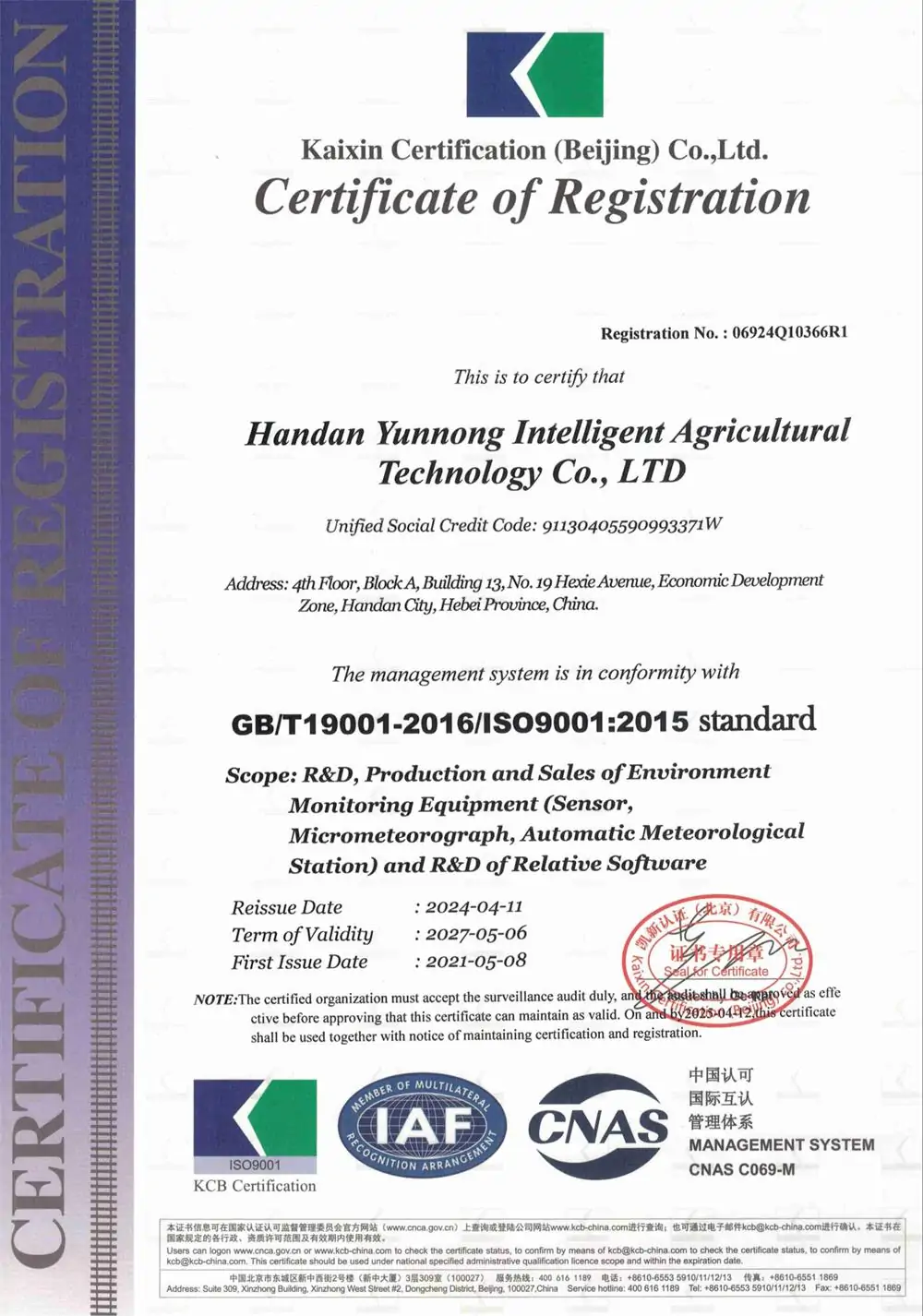

3 Cup Anemometer manufacturer and supplier
Yantai Sensor supplies 3 cup anemometers for wind speed monitoring in weather stations, agricultural meteorology, and environmental monitoring. Our product range includes sensors for different measurement requirements, with model-specific specifications for wind speed range, output interface, power supply, and installation.
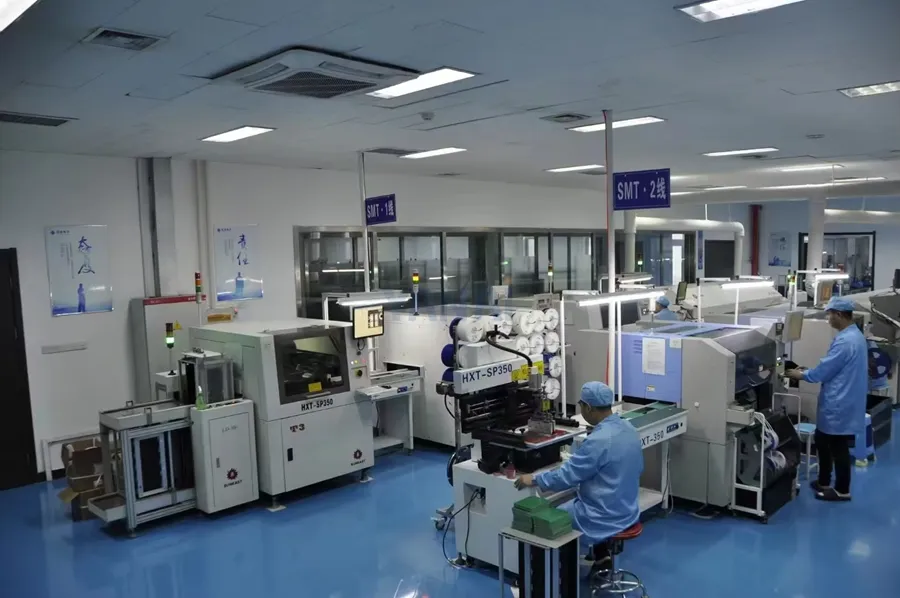
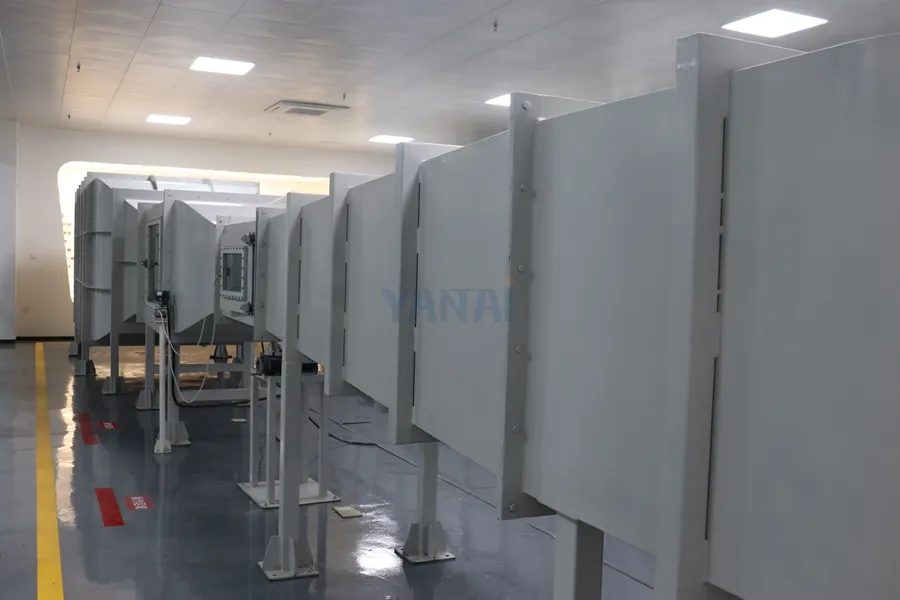
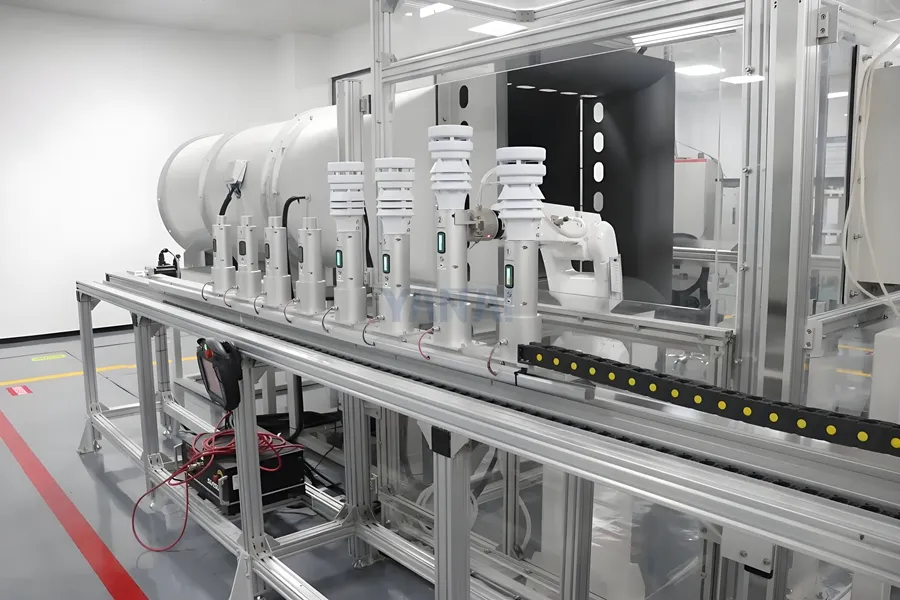
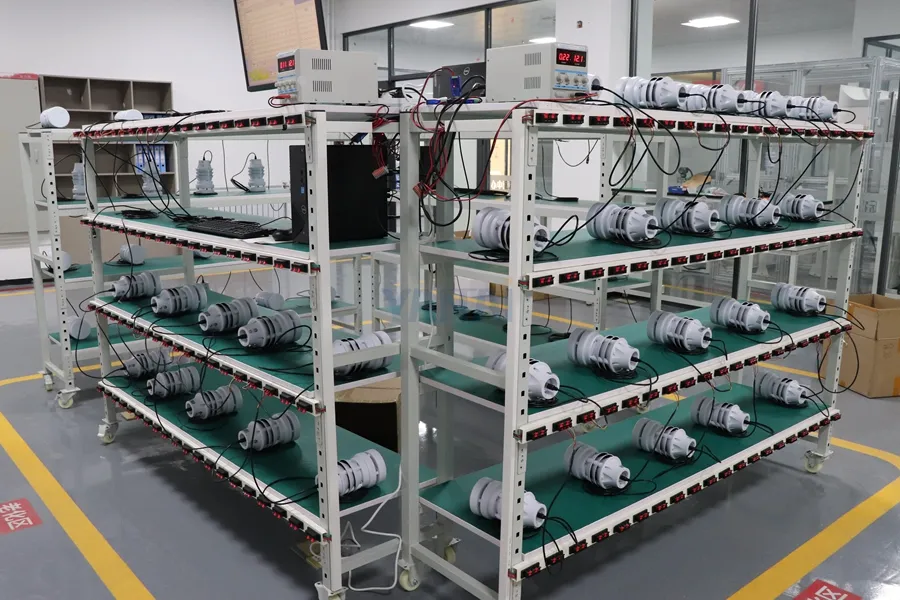
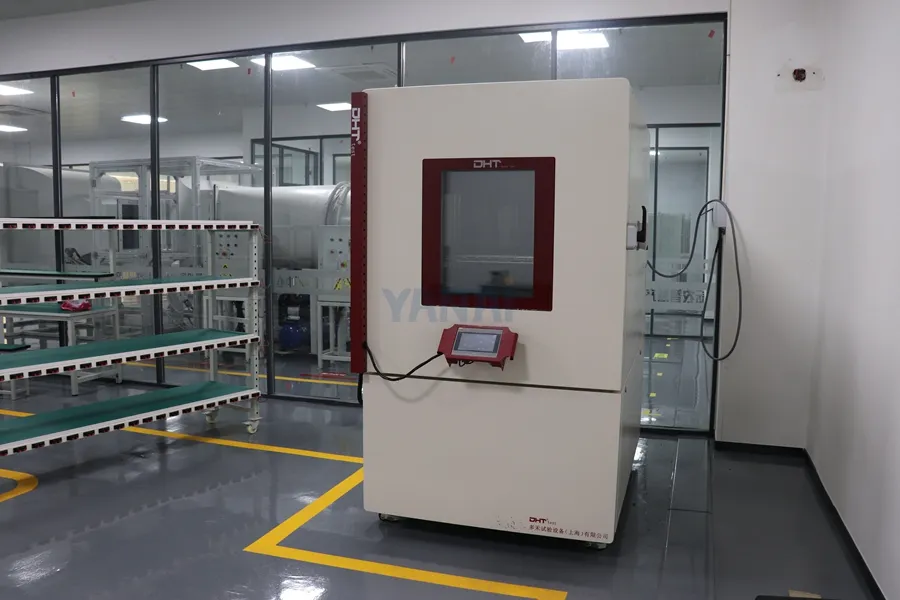
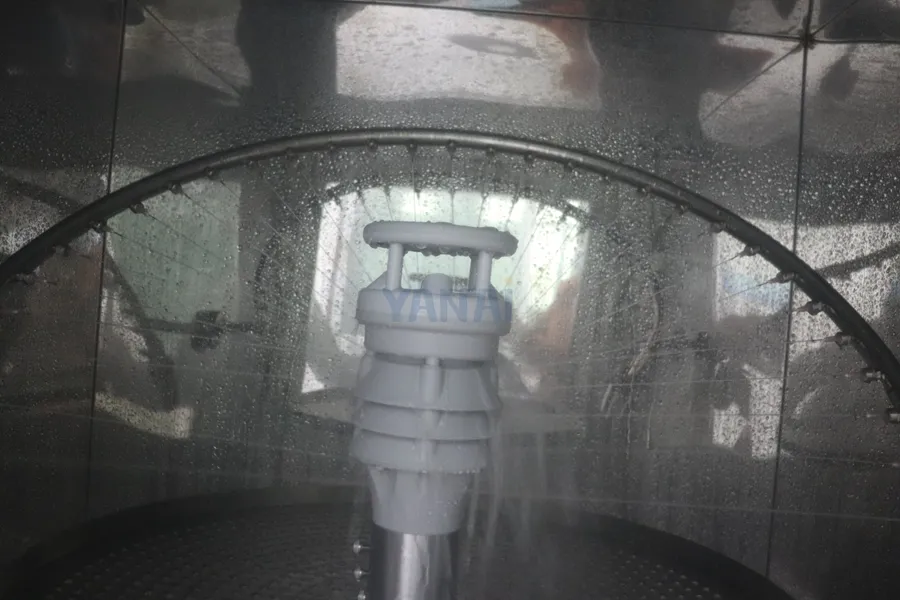
Our in-house R&D, testing, and quality control capabilities support product development and verification. Yantai Sensor operates a CNAS-accredited laboratory and a professional wind tunnel laboratory, with testing capabilities that include environmental and wind-related performance evaluation. These facilities support product testing, while the applicable specifications and test records should be checked for the selected model.
For projects with specific integration requirements, we can discuss compatible output interfaces, power supplies, cable lengths, mounting arrangements, and other available customization options. Contact our technical team with your target wind speed range, data acquisition interface, installation environment, and project quantity so we can confirm model compatibility and recommend a suitable configuration.