Introduction
Agriculture is becoming increasingly dependent on accurate environmental data as farmers face changing weather patterns, limited water resources, and the need for higher productivity. Traditional farming methods often rely on regional weather forecasts, fixed irrigation schedules, and manual field observations, which may not reflect the actual conditions in each growing area.
A Weather Station for Precision Agriculture provides field-level monitoring by collecting real-time weather data and environmental information, helping growers make more accurate decisions based on actual conditions rather than assumptions. When combined with soil condition monitoring and automated irrigation decisions, these systems can improve water management, crop health monitoring, and overall farming efficiency.
However, choosing the right system requires more than selecting basic weather sensors. Effective Agricultural weather station selection should consider sensor configuration, measurement accuracy, communication options, integration capability, and long-term reliability. The ideal solution should match specific crop requirements, field environments, and future expansion needs to support smarter and more sustainable precision farming.If you are interested in “Selecting Weather Sensors for Harsh Environments: Coastal, Mining, and High-Altitude Case Studies,” please click
What Is a Weather Station for Precision Agriculture?
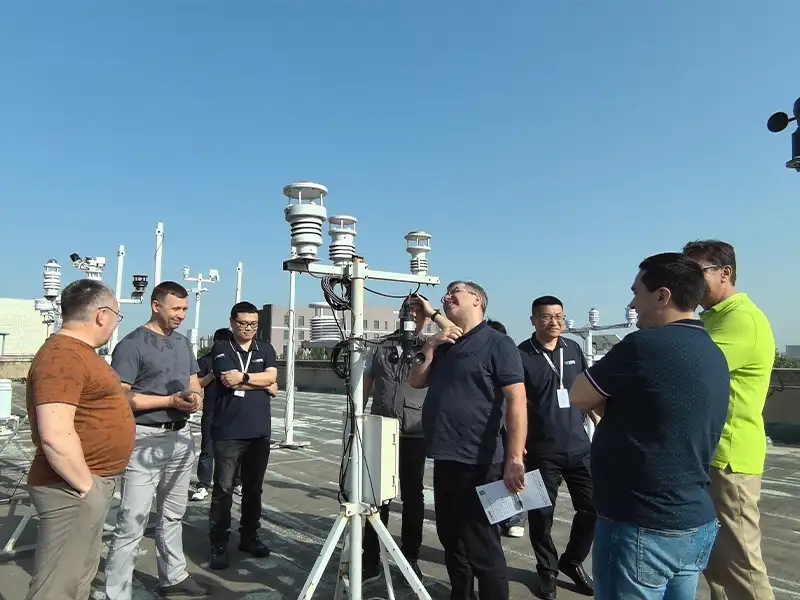
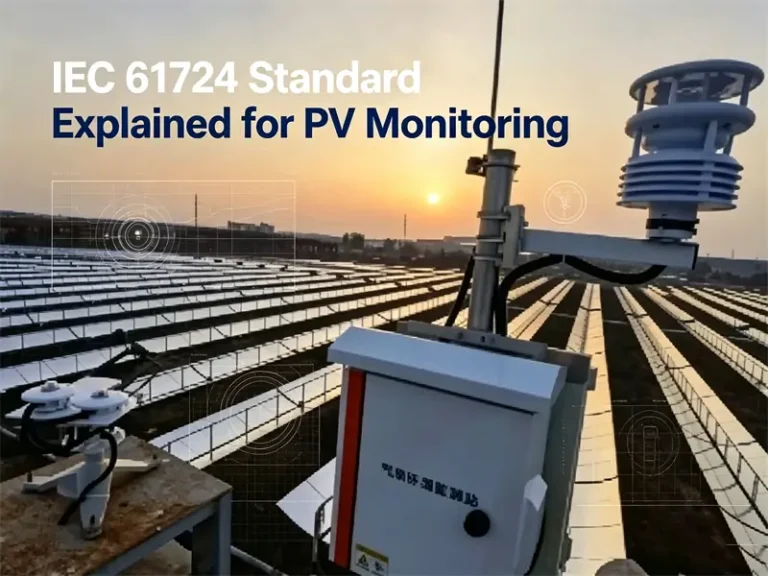
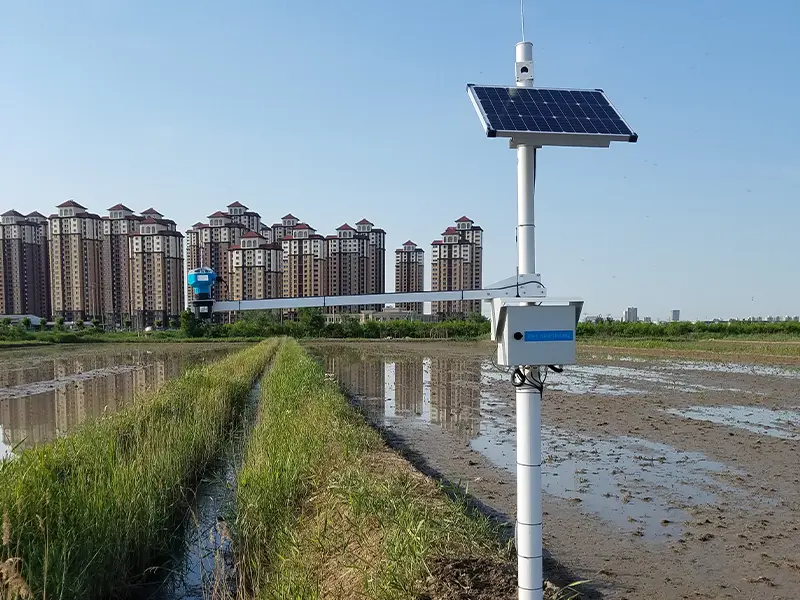
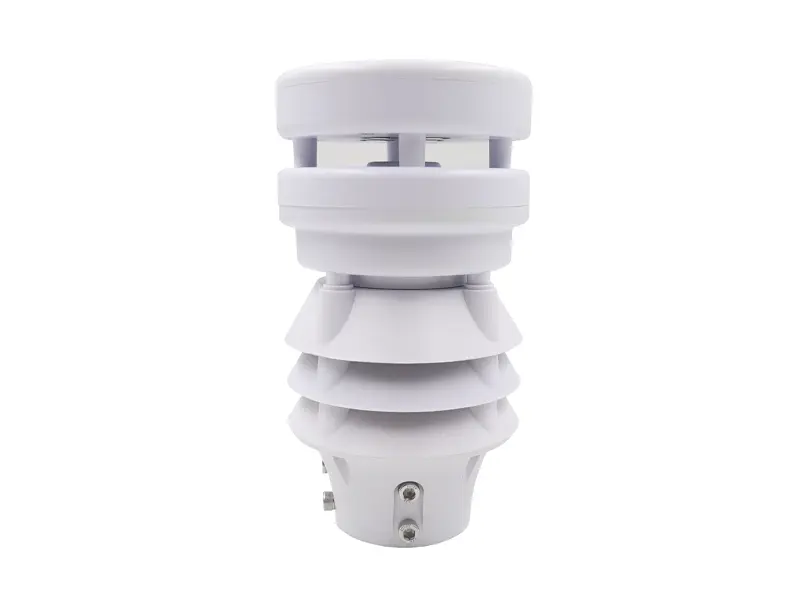
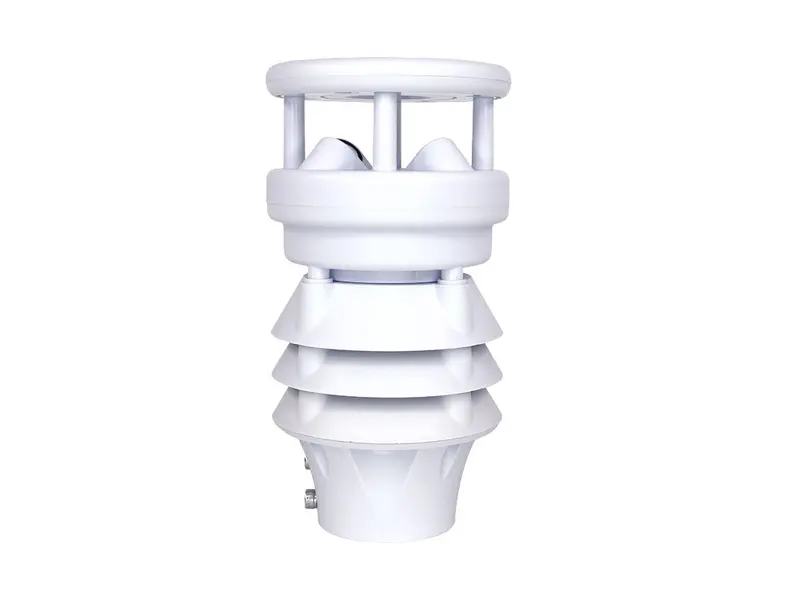
A Weather Station for Precision Agriculture is a field-based monitoring system designed to collect environmental data for agricultural management. Unlike traditional weather stations that mainly provide general weather information, a precision agriculture weather station focuses on localized conditions within farming areas. It typically monitors key parameters such as air temperature, humidity, rainfall, wind conditions, solar radiation, soil moisture, and soil temperature.
By providing real-time weather and soil data, agricultural weather stations help farmers understand actual field conditions and make more accurate decisions for irrigation management, crop monitoring, and daily farm operations. Instead of relying only on regional forecasts or fixed schedules, growers can adjust farming activities based on measured environmental changes. With flexible sensor configurations and communication options, modern weather stations can be adapted to different applications, including open-field farming, greenhouses, orchards, and smart irrigation systems.
A precision agriculture weather station is designed to provide more detailed and application-focused environmental information for farming. Compared with traditional weather monitoring systems, it combines multiple agricultural sensors and field-level data collection to support crop management, irrigation decisions, and precision farming practices. The key differences between these two types of weather stations are shown below.
| Traditional Weather Station | Weather Station for Precision Agriculture |
| General weather monitoring | Field-specific agricultural monitoring |
| Regional climate information | Real-time field environmental data |
| Manual farming decisions | Data-supported farm management |
| Limited sensor options | Flexible multi-sensor integration |
Why Do Farms Need a Weather Station for Precision Agriculture?
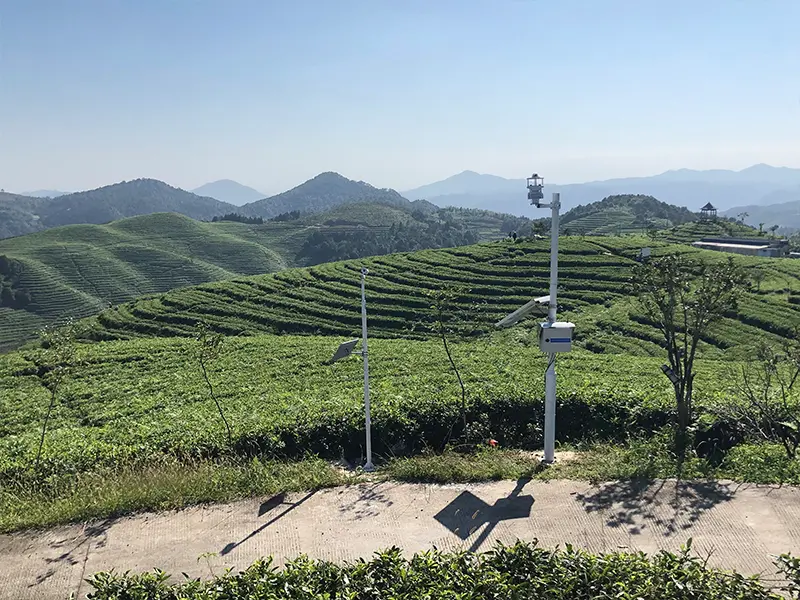
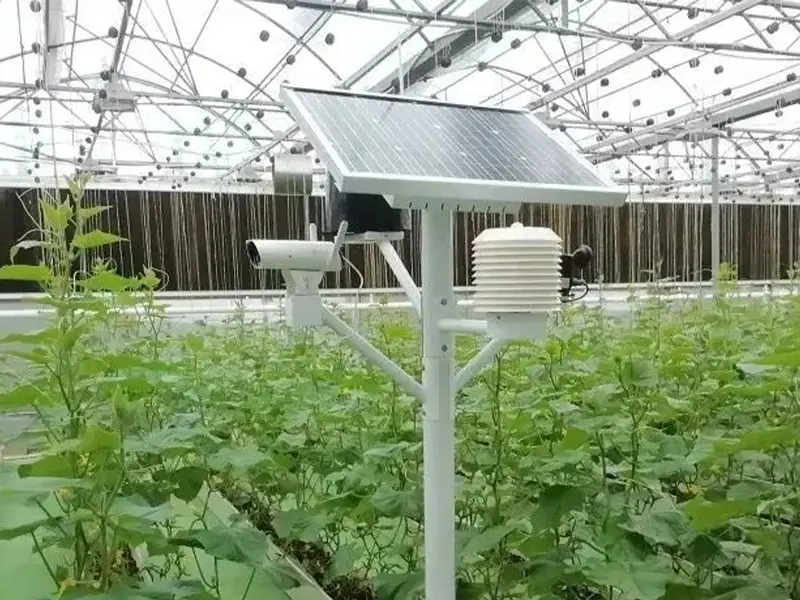
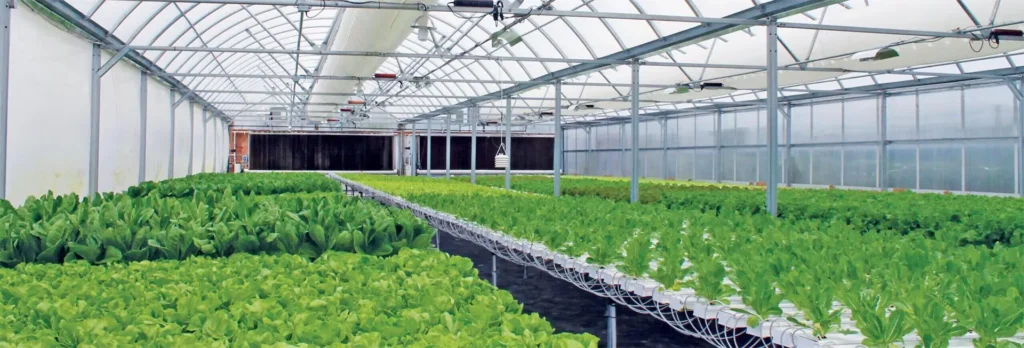
Agricultural decisions are highly dependent on local environmental conditions. However, traditional farming often relies on regional weather forecasts, fixed irrigation schedules, and manual experience, which cannot accurately reflect real-time changes in individual fields.
A Weather Station for Precision Agriculture provides continuous environmental monitoring by collecting data such as temperature, humidity, rainfall, solar radiation, and wind conditions. These measurements help farmers make more accurate decisions in crop management, irrigation planning, and weather risk prevention.
Improve Crop Management with Real-Time Environmental Data
Crop conditions are influenced by local environmental changes that may vary across different fields, even within the same Crop growth is highly influenced by temperature, humidity, rainfall, and solar radiation. Through real-time agricultural monitoring, a precision agriculture weather station provides accurate field data to help farmers understand local growing conditions, optimize planting schedules, and adjust crop management practices based on actual environmental changes.
Continuous monitoring of environmental factors also supports crop growth analysis and disease risk assessment. By tracking temperature and humidity variations, farmers can identify conditions that may affect crop development or increase disease risks, allowing them to take preventive actions and improve field management decisions.
Optimize Irrigation Decisions with Weather and Soil Data
Efficient irrigation requires accurate information about both weather conditions and soil status. Traditional fixed irrigation schedules cannot always match actual crop water requirements, as changes in rainfall, temperature, and field conditions can affect water demand. By combining weather data with soil information, farmers can make more precise irrigation decisions.
Integrated with automated irrigation system sensors, a smart irrigation system can adjust watering strategies based on real-time field conditions rather than preset schedules. This approach is widely used in open-field irrigation, greenhouse production, and water-efficient agriculture projects to improve irrigation accuracy and maintain stable crop growth conditions.

How to Choose a Weather Station for Precision Agriculture?
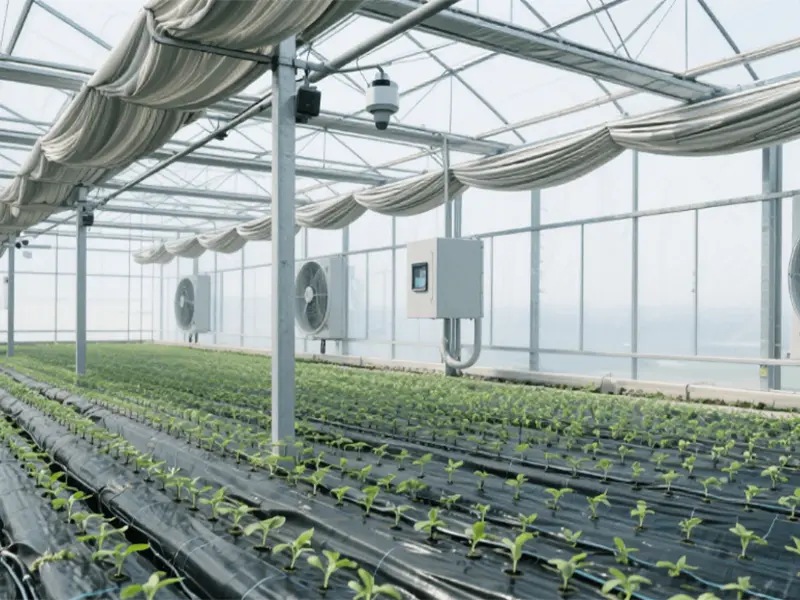
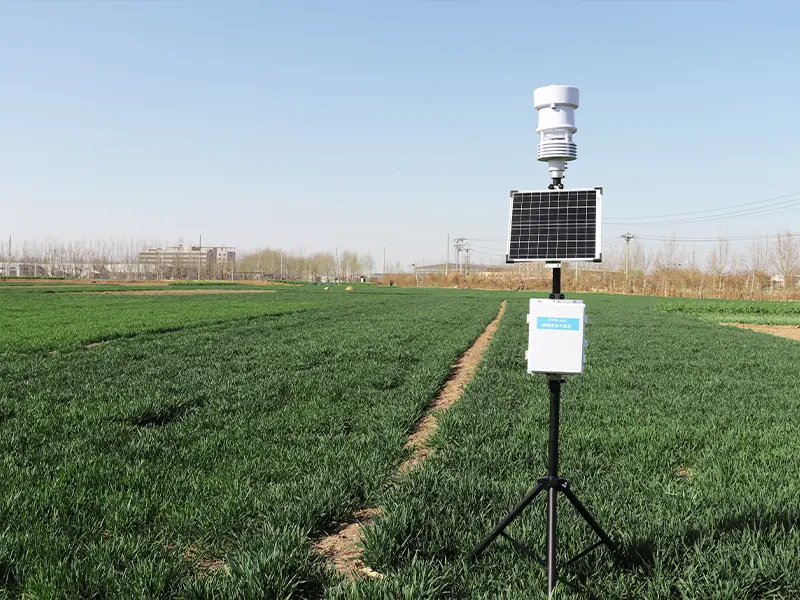
Choosing the right weather station for precision agriculture starts with understanding the monitoring purpose, crop type, and installation environment. Different agricultural applications require different sensor configurations. A suitable system should provide the data needed for crop monitoring, irrigation management, and weather risk assessment rather than simply adding more sensors.
Select Sensor Configuration Based on Agricultural Application
Sensor configuration should be selected according to the crop type, growing environment, and monitoring objectives. Different agricultural applications face different environmental challenges, so the weather station should be equipped with sensors that provide the most relevant data for daily farm management.
| Agricultural Application | Main Monitoring Requirements | Recommended Sensor Configuration |
| Open Field Farming | Field climate monitoring, crop growth tracking, and weather risk management | Air temperature sensor, humidity sensor, rainfall sensor, wind sensor, solar radiation sensor |
| Greenhouse Agriculture | Internal microclimate monitoring and environmental control | Temperature sensor, humidity sensor, CO₂ sensor, light sensor |
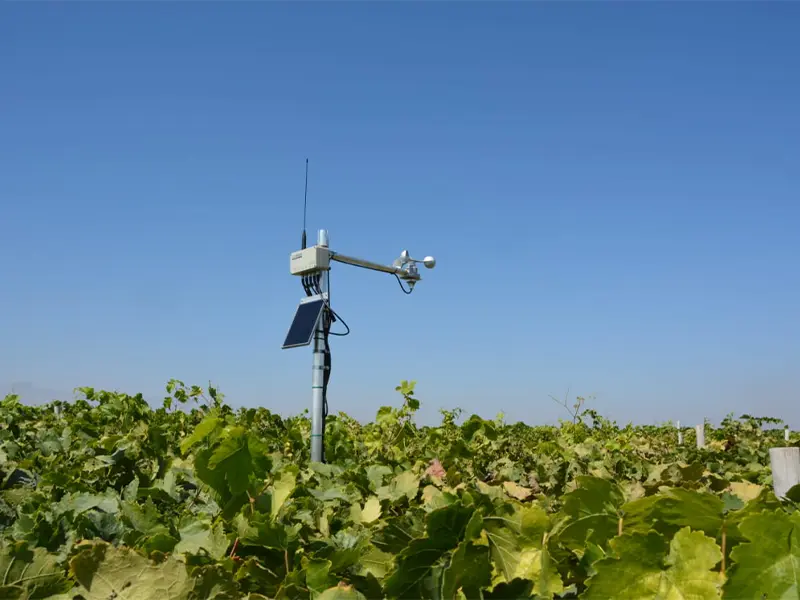
| Orchard and Vineyard Monitoring | Frost warning, disease risk assessment, and crop protection | Temperature sensor, humidity sensor, rainfall sensor, leaf wetness sensor, frost monitoring sensor |
Sensor selection should be based on the specific agricultural application, as open fields, greenhouses, and orchards have different monitoring priorities.
Evaluate Sensor Accuracy and Long-Term Reliability
Sensor accuracy and long-term stability are critical when selecting an agricultural weather station, especially for systems installed outdoors and operating continuously throughout the year. Sensors should maintain reliable measurements under changing conditions such as temperature fluctuations, rainfall, dust, and seasonal weather variations.
When evaluating a weather station, users should consider measurement accuracy, operating range, protection against outdoor exposure, and calibration requirements. Reliable sensor performance ensures that environmental data remains consistent and can be used for crop monitoring, irrigation planning, and weather risk management.
Consider Sensor Expansion and System Integration Capability
A precision agriculture weather station should not be limited to basic weather data collection. As farm management becomes more data-driven, the system may need to integrate additional sensors to monitor soil conditions, crop environments, and irrigation requirements.
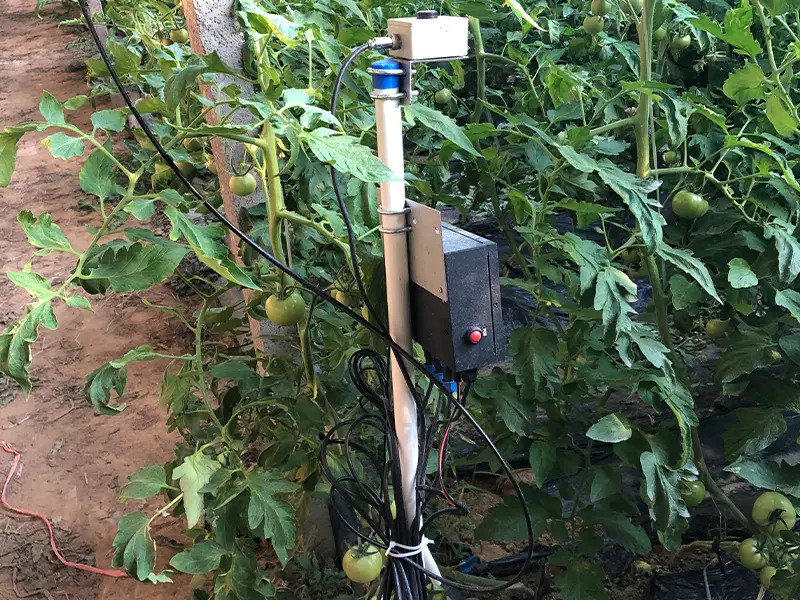
By adding soil moisture and temperature sensors, farms can combine weather information with root-zone conditions and adjust irrigation based on actual soil status instead of fixed schedules. Other sensors, such as leaf wetness and solar radiation sensors, can provide additional information for crop monitoring and weather-related risk assessment.
A flexible agricultural monitoring system allows users to expand sensor configurations according to different crops, field conditions, and application needs, making the system suitable for long-term agricultural monitoring.
Essential Sensors in a Precision Agriculture Weather Station
A precision agriculture weather station uses multiple sensors to monitor atmospheric conditions, soil status, and crop-related environmental factors. Different sensors provide specific information needed for crop management, irrigation planning, greenhouse control, and weather risk assessment. Understanding the role of each sensor helps farmers select the right monitoring configuration and build a more effective agricultural data management system.
Air Temperature and Humidity Sensors
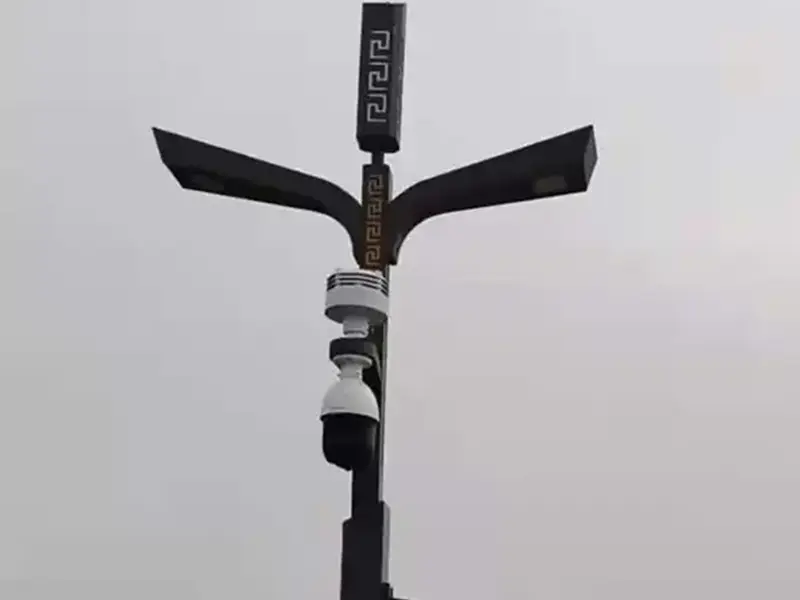
A temperature sensor and humidity sensor are fundamental components of a precision agriculture weather station. Temperature data helps monitor crop growth conditions, seasonal changes, and evapotranspiration, while humidity data provides important information for evaluating growing environments and disease risks. Together, these sensors support accurate crop monitoring and help farmers adjust field management practices based on real-time environmental changes.
Temperature and humidity conditions are closely related to the development of many crop diseases. Continuous monitoring helps identify periods with higher disease risks, allowing farmers to take preventive measures earlier and improve crop protection strategies.
Rainfall Sensors
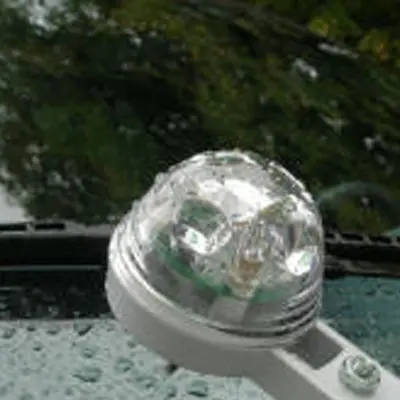
A rainfall sensor or rain gauge for agriculture is used to measure precipitation conditions, including rainfall amount, intensity, and natural water input. Accurate rainfall data helps farmers understand actual water availability and make better decisions for field management.
By monitoring rainfall changes, farmers can adjust irrigation schedules, avoid unnecessary watering, and improve water efficiency. In large farms and precision irrigation projects, rainfall data can be combined with other environmental information to support more accurate water management decisions.
Soil Moisture and Temperature Sensor Integration
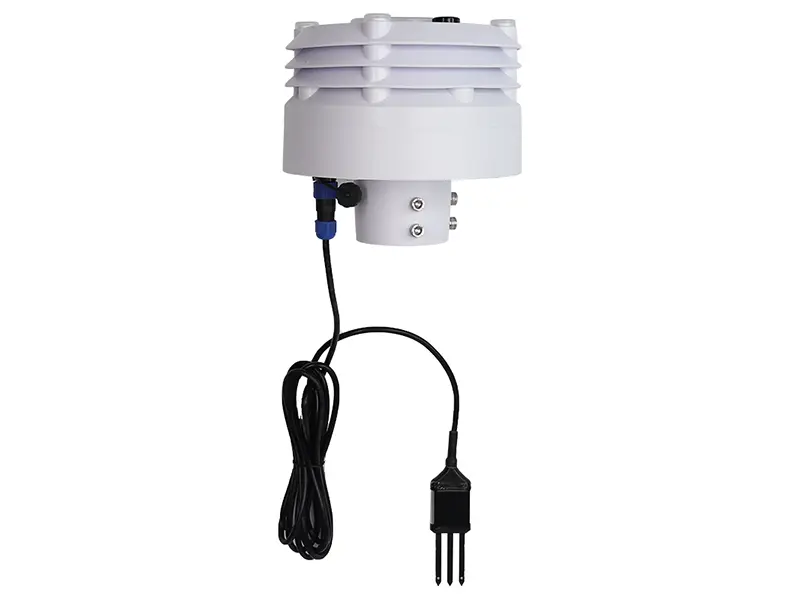
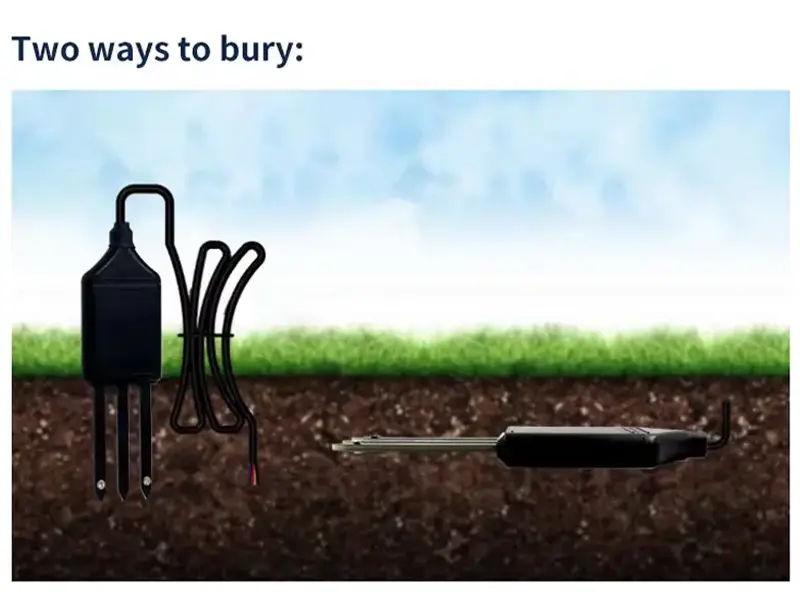
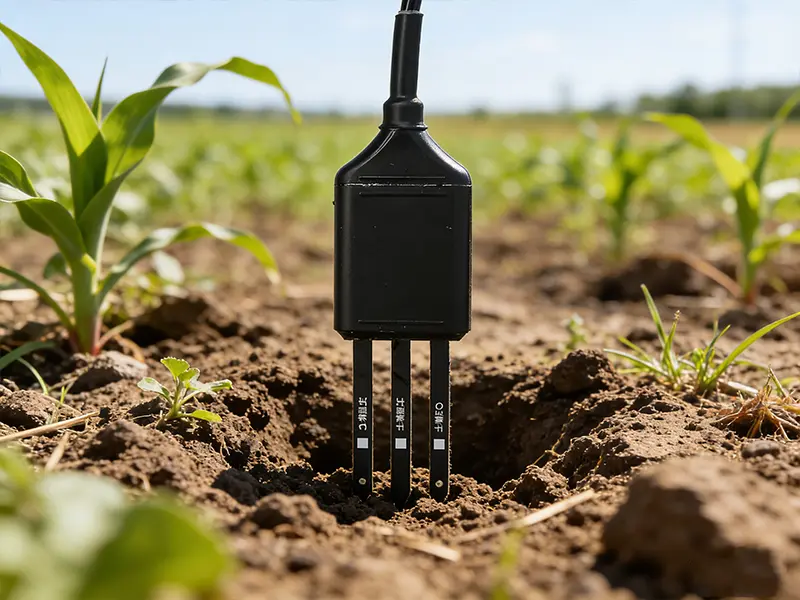
Soil sensors provide direct information from the root zone that weather monitoring cannot capture. Soil moisture and temperature sensors help measure soil water availability and root zone conditions, allowing farmers to adjust irrigation based on actual field requirements instead of fixed schedules.
By integrating soil moisture sensor integration with a precision agriculture weather station, farms can connect weather data, soil conditions, and irrigation control into one system. This approach supports drip irrigation, greenhouse irrigation, and field irrigation with more accurate water management.
Solar Radiation and Wind Sensors
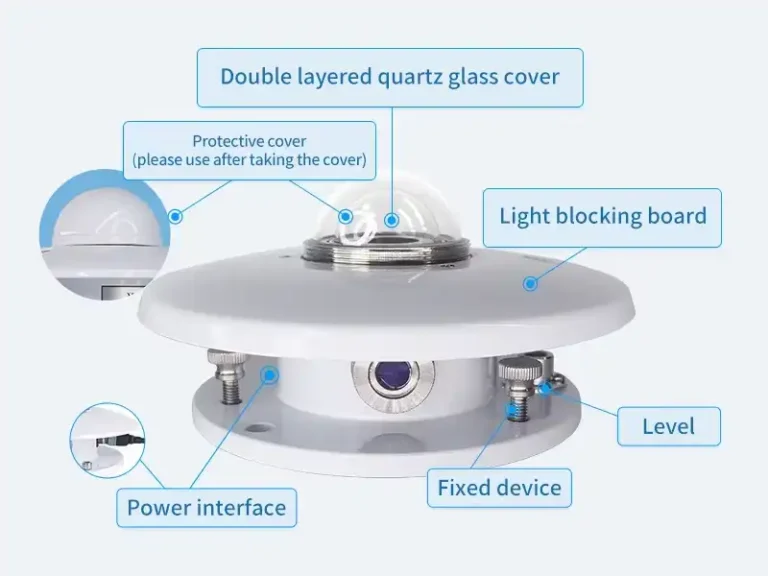
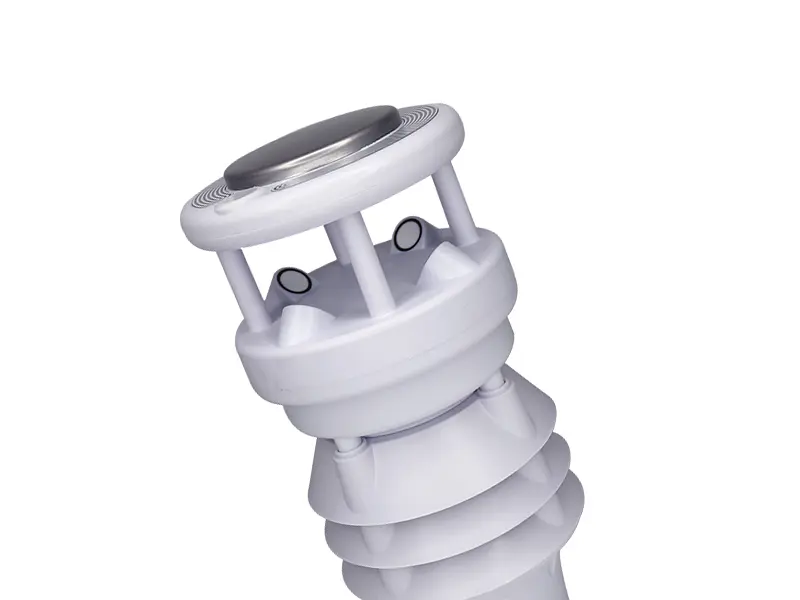
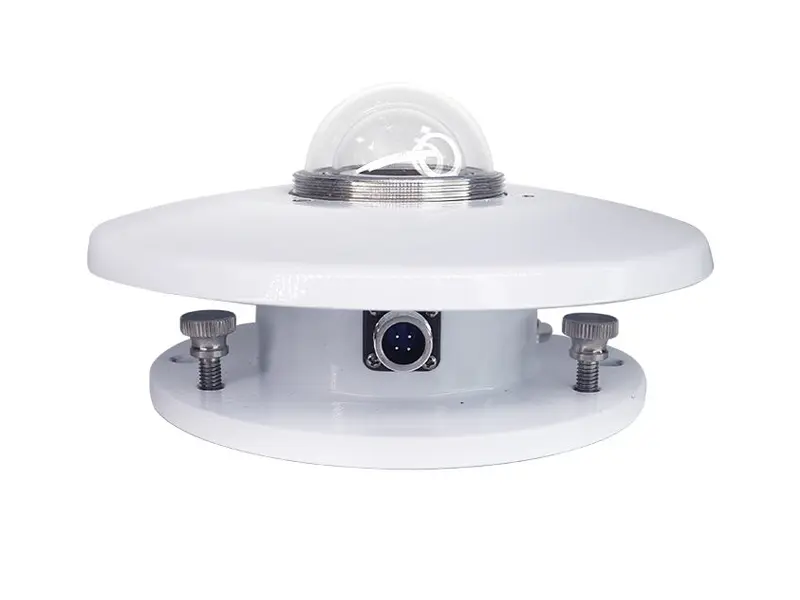
A solar radiation sensor provides data on sunlight conditions, which directly affect photosynthesis, crop growth, and evapotranspiration. By monitoring solar radiation changes, farmers can better evaluate crop development, estimate irrigation requirements, and support agricultural research.
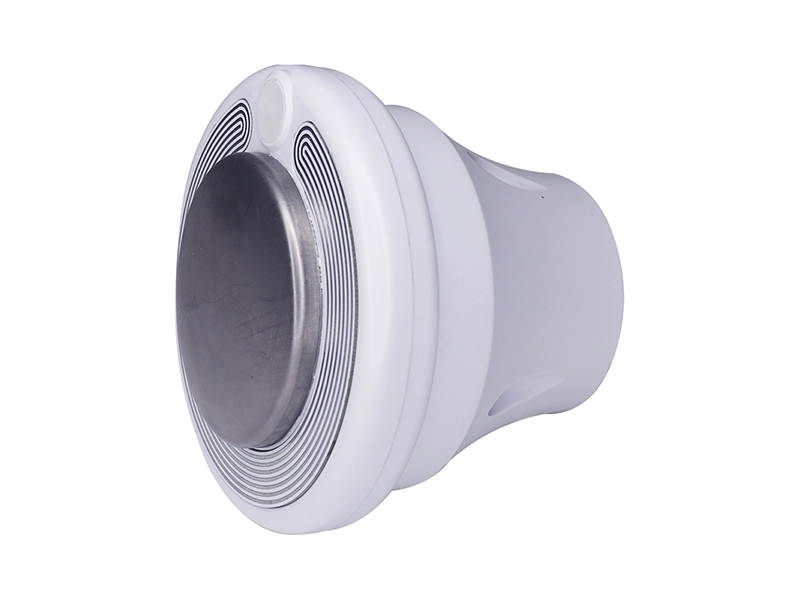
A wind sensor agriculture solution measures wind speed and direction to support spraying management, weather risk monitoring, and greenhouse ventilation control. Accurate wind data helps reduce pesticide drift during spraying operations and improves application efficiency under changing field conditions.
CO₂ and Light Sensors for Greenhouse Applications
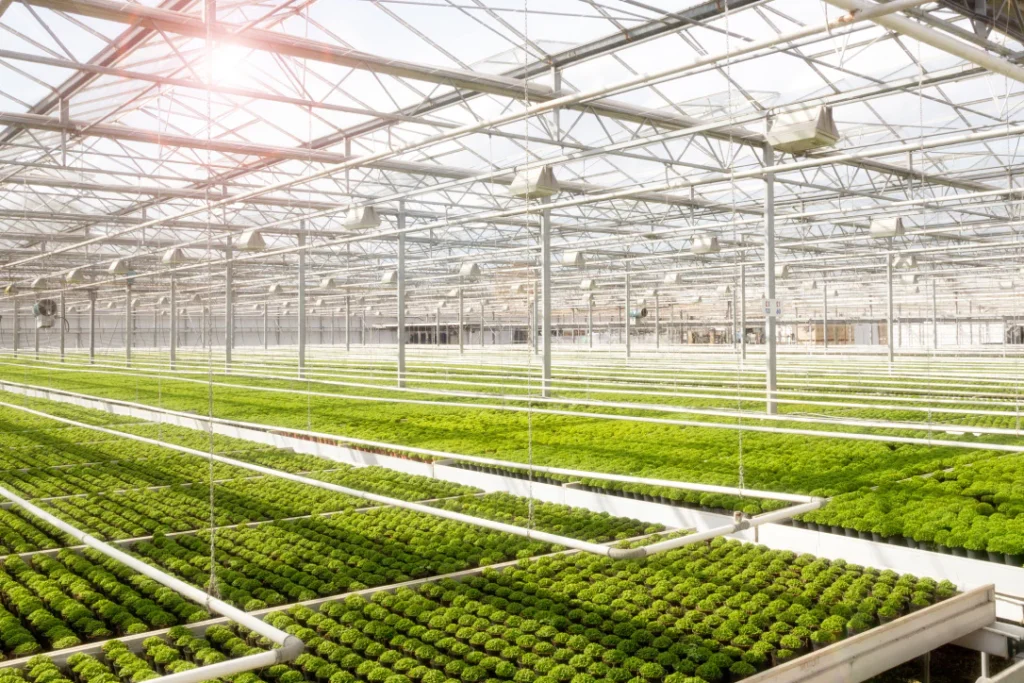
A greenhouse sensor system requires more precise environmental monitoring than open-field agriculture. CO₂ and light sensors measure carbon dioxide concentration and light intensity to support greenhouse climate control, lighting management, and crop growth optimization.
By combining CO₂, light, temperature, and humidity data, growers can maintain more stable greenhouse conditions and improve production efficiency.
Leaf Wetness Sensors for Crop Disease Monitoring
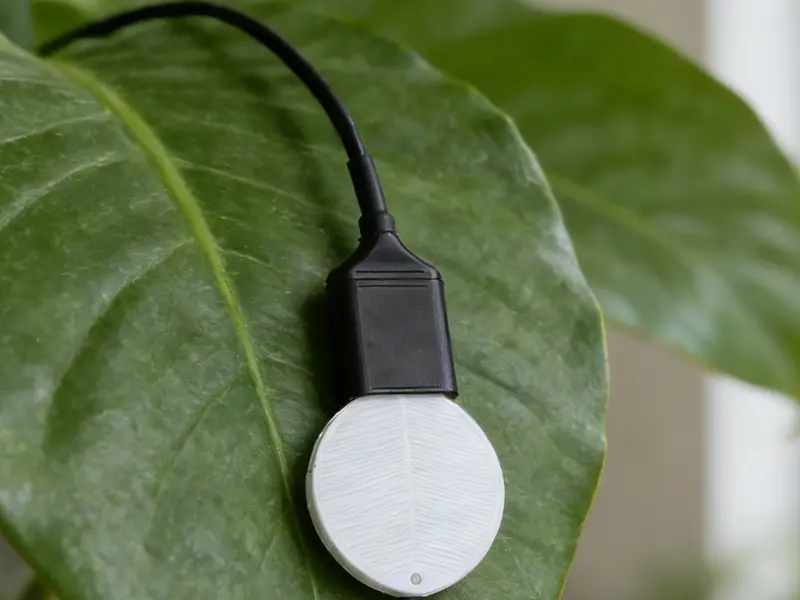
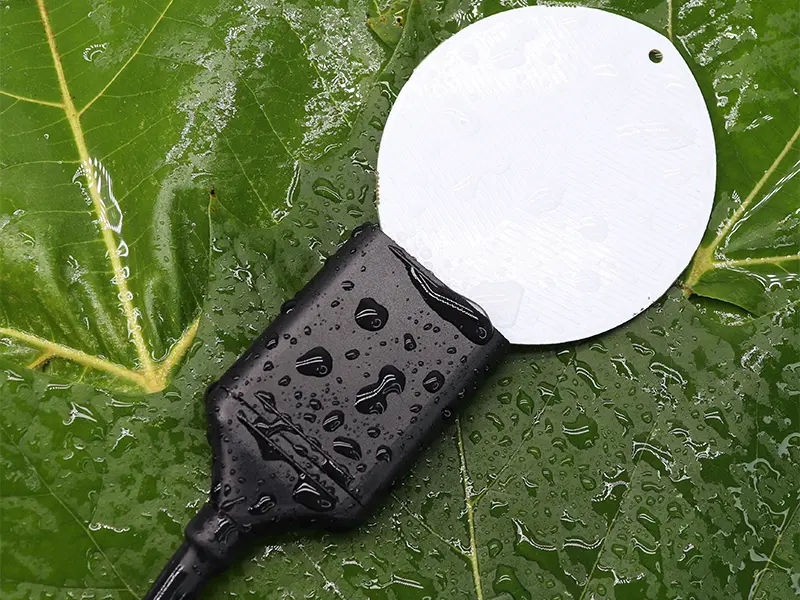
A leaf wetness sensor provides information about moisture on the crop surface, including leaf surface moisture and wetness duration. For orchards, vineyards, and specialty crops, this data helps identify conditions that may increase disease development and fungal infection risks.
By combining leaf wetness data with temperature and humidity monitoring, farmers can improve disease risk assessment and take preventive actions earlier.
How Weather Station Data Supports Precision Agriculture Decisions
A precision agriculture weather station provides reliable environmental data to support crop management, irrigation planning, and weather risk assessment. By combining weather monitoring with soil information and data analysis, farmers can make decisions based on actual field conditions rather than general weather data or fixed management schedules.
Turning Environmental Data into Practical Farming Decisions
A precision agriculture weather station continuously monitors key environmental factors, including temperature, humidity, rainfall, solar radiation, and wind conditions. This real-time agricultural monitoring provides accurate field information for evaluating crop growing conditions, planning farming activities, and identifying potential weather-related risks.
Continuous environmental records help farmers understand seasonal changes and optimize agricultural practices throughout the crop growth cycle.
Supporting Smart Irrigation with Weather and Soil Data
Weather data becomes more valuable when combined with soil monitoring information. By integrating automated irrigation system sensors, soil sensors, and irrigation controllers, farms can adjust irrigation schedules according to actual weather conditions and soil moisture status instead of relying on preset watering plans.
This smart irrigation system approach is widely used in drip irrigation, greenhouse irrigation, and field irrigation, providing more reliable data support for efficient water management and stable crop production.
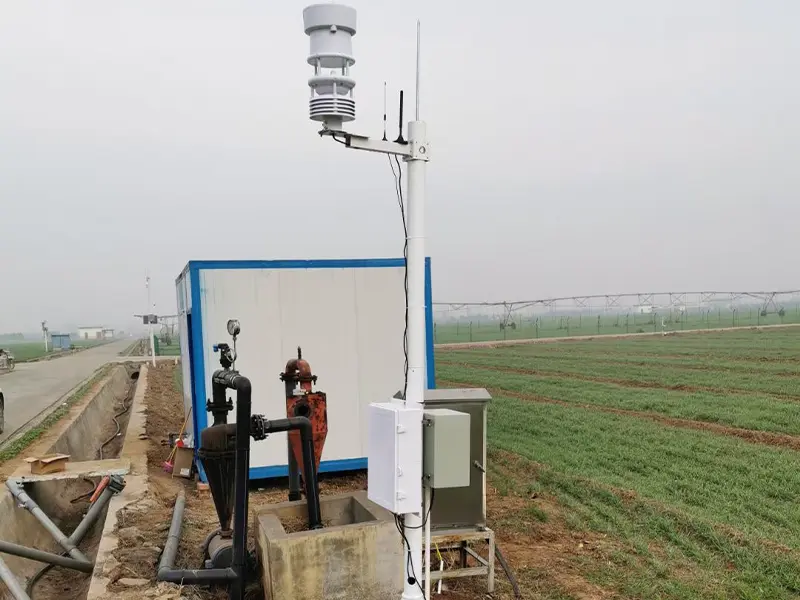
Ensuring Reliable Data Transmission
Reliable data transmission is an important part of a precision agriculture weather station because environmental data needs to be collected, transferred, and accessed consistently for long-term farm management. The communication method should be selected based on farm size, installation location, network availability, and monitoring requirements to support stable remote weather monitoring.
Wired Communication for Permanent Agricultural Installations
Wired communication methods, including RS485 and Ethernet, are suitable for large farms, research fields, and fixed monitoring locations where stable infrastructure is available. These solutions provide reliable data transmission and are commonly used in agricultural monitoring systems that require continuous operation and integration with existing platforms.
Wireless Communication for Remote Agricultural Monitoring
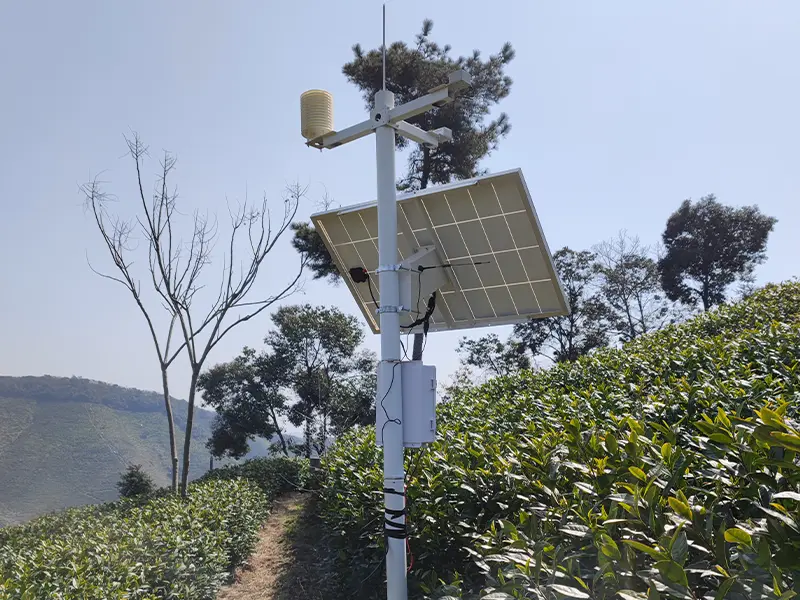
Wireless communication options such as LoRa, 4G, and WiFi are widely used for remote farmland and distributed monitoring sites where cable installation is difficult. They provide flexible deployment and allow weather stations to transmit environmental data from different agricultural locations.
In our experience, many agricultural monitoring projects are installed in open fields, orchards, and remote areas where network conditions vary significantly. Selecting the right communication method helps maintain stable data transmission and ensures that environmental information can support reliable agricultural decisions over the long term.
Installation and Maintenance Considerations
Proper installation and regular maintenance are essential for maintaining the accuracy and long-term reliability of an agricultural weather station. Even high-quality sensors may produce inaccurate readings if they are installed in unsuitable locations or not properly maintained.
Proper Installation Location
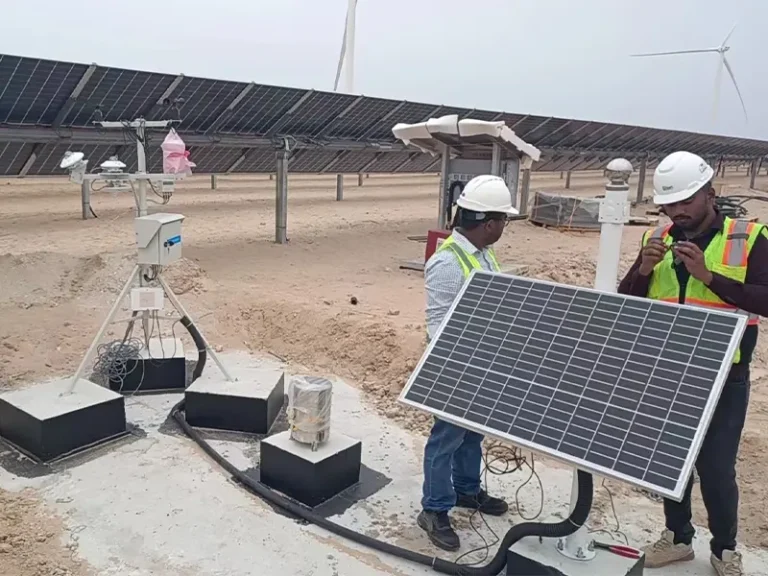
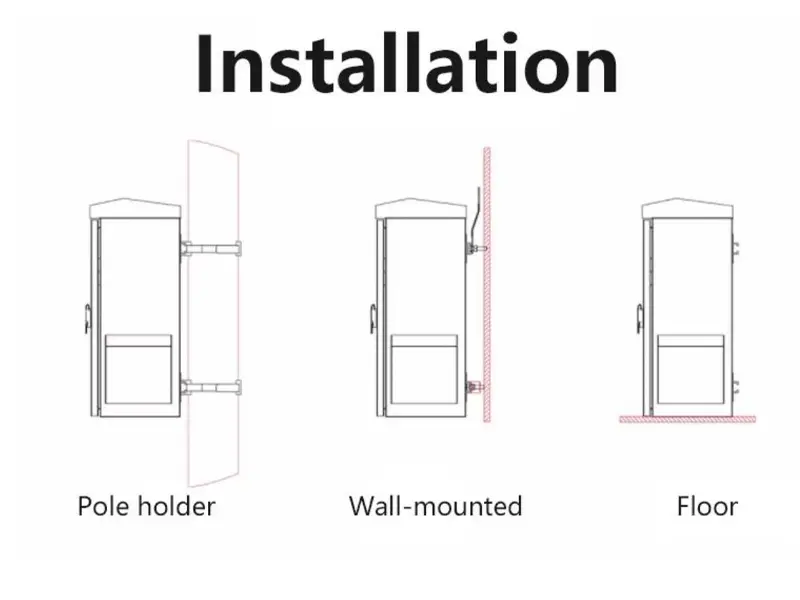
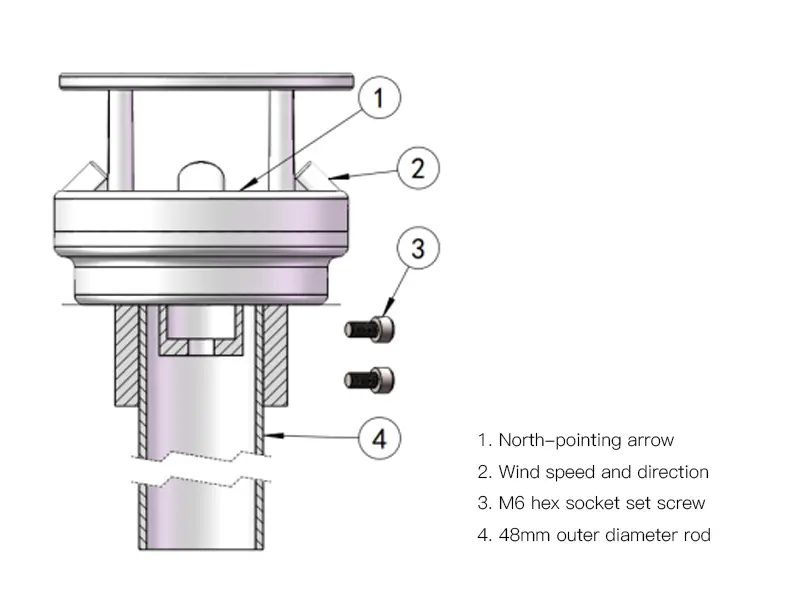
Correct agricultural weather station installation is essential for obtaining representative field data. The station should be placed in an open location with proper airflow and away from buildings, trees, irrigation equipment, and other obstacles that may affect temperature, rainfall, wind, or solar radiation measurements.
A suitable monitoring location should reflect the actual agricultural environment being managed. In large farms, orchards, and research fields, improper placement can create localized measurement differences and reduce the reliability of collected environmental data.
Sensor Maintenance and Calibration
Regular sensor maintenance is important for maintaining reliable measurements during long-term outdoor operation. Routine maintenance includes sensor cleaning, calibration checks, equipment inspection, and data verification to ensure the monitoring system continues to provide consistent environmental data.
In our experience, measurement deviations in agricultural monitoring projects are often related to installation conditions, sensor contamination, or insufficient maintenance rather than sensor capability itself. Proper maintenance combined with reliable sensors helps ensure stable performance throughout different seasons and weather conditions.
Common Mistakes
When choosing an agricultural weather station, adding more sensors does not always provide better results. The right configuration depends on the crop, monitoring purpose, and local field conditions. Installing sensors that are not needed for the application can increase system complexity without providing useful information for farm management.
Another factor that is often overlooked is communication and system expansion. Agricultural monitoring sites may require remote data access, stable transmission, or additional sensors in the future. A scalable agricultural monitoring system allows farms to expand monitoring capabilities as their needs change and supports reliable operation over time.
Conclusion
Choosing the right weather station for precision agriculture requires more than selecting individual sensors. The system configuration should match the specific needs of the farm, including crop type, monitoring objectives, field conditions, communication requirements, and future expansion plans. A properly configured agricultural monitoring system can provide reliable environmental data to support crop management, irrigation decisions, and weather risk assessment.
At Yantai Sensor, we provide customizable weather monitoring solutions designed for precision agriculture applications. Contact us to discuss your monitoring requirements and select the right sensor configuration for your farm.