Introduction
As cities grow and transportation networks become increasingly complex, managing road safety, traffic efficiency, and weather-related risks has become a major challenge for transportation authorities and infrastructure operators. Modern intelligent transportation systems require more than traditional traffic monitoring methods; they depend on accurate, real-time data from multiple sensing technologies to understand road conditions, traffic patterns, and environmental changes.
Intelligent transportation system sensors provide the foundation for smart transportation infrastructure by creating a connected sensing network that collects, processes, and delivers real-time information for better transportation decisions. This article provides a comprehensive overview of intelligent transportation system sensors, including their main types, working principles, applications, and benefits. It also explains how technologies such as traffic detection sensors, RWIS systems, and highway weather monitoring systems work together to improve highway safety, optimize traffic management, support proactive maintenance, and enable the future development of intelligent transportation networks.If you are interested in “What Is a Road Condition Sensor? Working Principle & Applications,” please click
What Are Intelligent Transportation System Sensors?
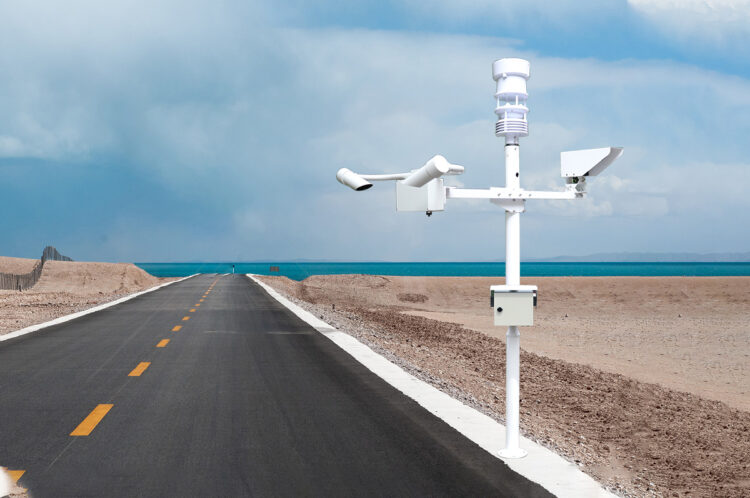
Intelligent transportation system sensors are advanced sensing devices designed to collect real-time information about traffic conditions, road environments, and surrounding factors within modern transportation networks. These sensors include technologies for traffic detection, weather monitoring, visibility measurement, and road condition sensing, providing essential data for intelligent transportation applications.
What Role Do Sensors Play in Intelligent Transportation Systems?
Intelligent transportation system sensors are essential components of modern transportation networks, providing real-time data about traffic conditions, weather environments, and road status. By continuously monitoring factors such as vehicle flow, visibility, temperature, precipitation, and pavement conditions, these sensors enable transportation systems to better understand current road situations and improve the accuracy of management decisions.
The data collected by ITS sensors is transmitted to monitoring platforms where it can be analyzed and used for traffic management, safety warnings, and road maintenance planning. For example, traffic monitoring sensors help identify congestion and changes in traffic flow, while RWIS systems and highway weather monitoring systems provide critical weather and road condition information for safer highway operations and more efficient maintenance responses.
How Do Intelligent Transportation System Sensors Work?
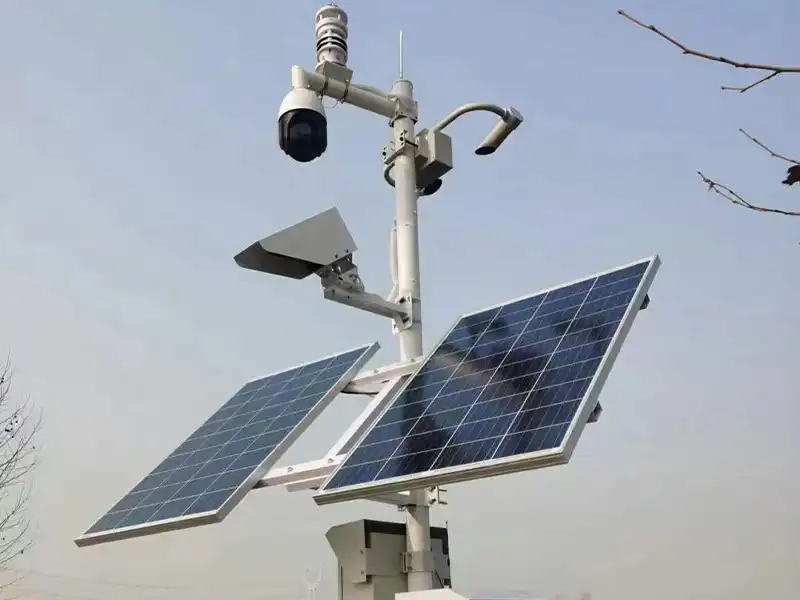
Intelligent transportation system sensors work by collecting, transmitting, and analyzing real-time information from transportation environments. These sensors are connected with monitoring platforms to gather data related to traffic conditions, weather changes, and road status, providing reliable information for transportation management and safety improvement.
Data Acquisition
ITS sensors first collect information from different areas of the transportation environment, including traffic flow, vehicle movement, weather conditions, road surface status, and visibility conditions. Traffic monitoring sensors help record vehicle flow and traffic patterns, while RWIS systems and road weather stations monitor environmental factors such as temperature, precipitation, wind, and pavement conditions that influence highway safety.
Data Transmission and Integration
After data collection, sensor information is transmitted to monitoring platforms through wired communication, wireless networks, or IoT communication systems. The collected data can be integrated into traffic management platforms, cloud monitoring systems, and emergency response centers, allowing transportation operators to access real-time information and coordinate traffic operations more efficiently.
Data Analysis and Decision Support
The collected sensor data is analyzed to support daily transportation management and maintenance activities. ITS platforms use this information to identify congestion, detect hazardous weather conditions, optimize traffic control measures, and improve road maintenance planning. By combining traffic, weather, and road condition data, intelligent transportation systems can provide more accurate support for safer and more efficient transportation operations.
Types
Intelligent transportation system sensors are not limited to vehicle detection. Modern ITS infrastructure combines multiple sensing technologies to monitor traffic conditions, weather environments, and road status. By integrating traffic monitoring sensors, RWIS systems, road weather stations, and road condition monitoring technologies, transportation operators can obtain more comprehensive information for highway safety, traffic management, and infrastructure maintenance.
Traffic Monitoring Sensors
Traffic monitoring sensors are an important part of intelligent transportation systems, providing real-time data on vehicle flow and road traffic conditions. By monitoring parameters such as vehicle volume, speed, lane occupancy, and traffic patterns, these sensors help transportation operators understand current traffic situations, improve traffic control strategies, and support more efficient road management.
Common technologies used in ITS traffic monitoring include radar detection, microwave sensing, and video-based monitoring. For example, the XF-CQ10 Radar Traffic Sensor provides reliable vehicle detection and traffic data collection for applications such as highways, intersections, and smart transportation systems. The XF-CQ11 Traffic Video Detection Sensor uses video monitoring technology to support traffic flow analysis, vehicle monitoring, and road condition observation in complex transportation environments.
RWIS System Sensors
RWIS system sensors are an important component of intelligent transportation systems, focusing on monitoring weather and pavement conditions that influence road safety and transportation operations. By collecting environmental data in real time, RWIS sensors help highway operators identify weather-related risks, improve maintenance planning, and make more informed decisions under changing road conditions.
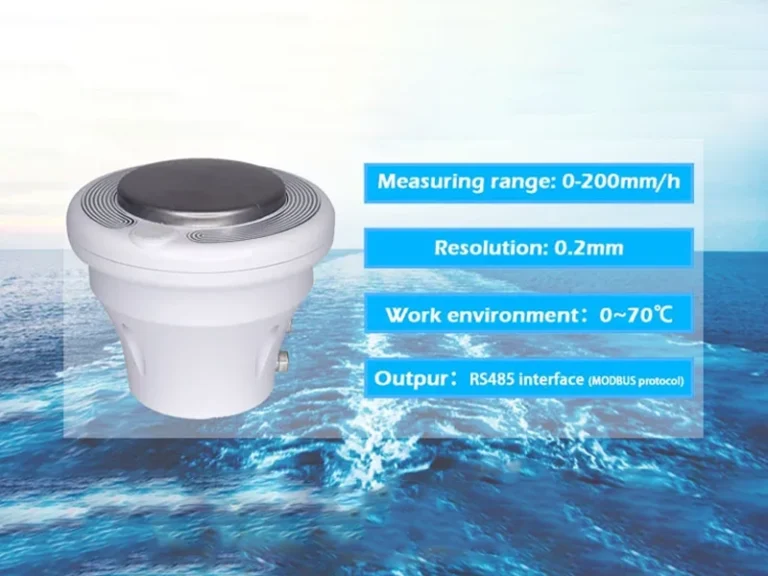
Typical RWIS monitoring parameters include air temperature, road surface temperature, humidity, wind speed, precipitation, and visibility. These sensors are widely used in highway weather monitoring systems for highways, bridges, and other critical transportation infrastructure. For example, the XF-CQ18 Road Surface Temperature Sensor provides pavement temperature data for monitoring freezing risks, while the XF-CQ19 Road Ice Detection Sensor helps identify potential icing conditions and supports winter road safety management.
Road Weather Station Sensors
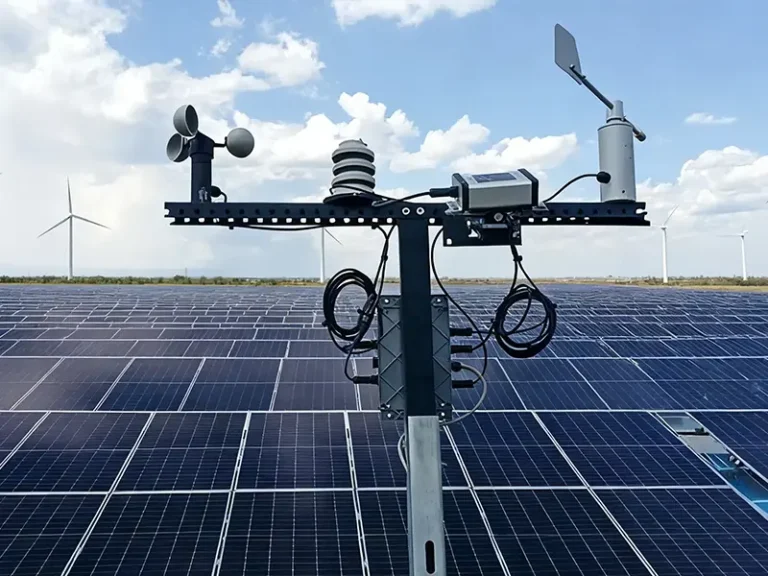
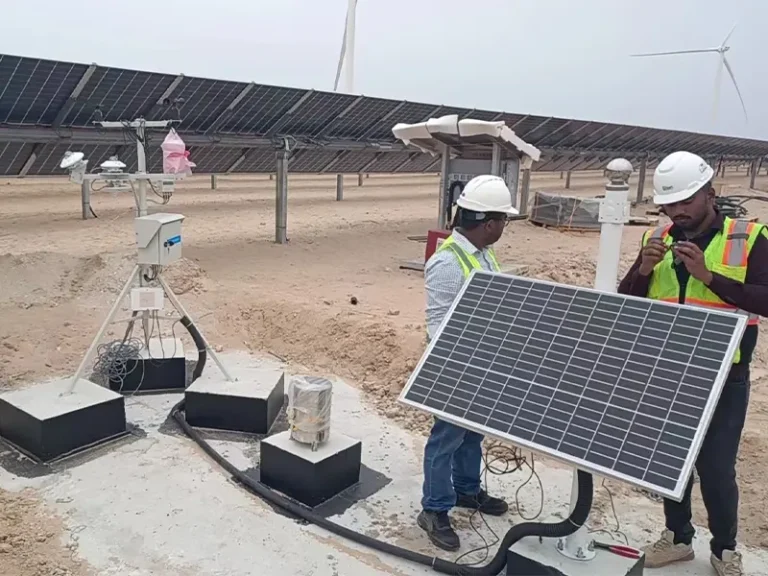
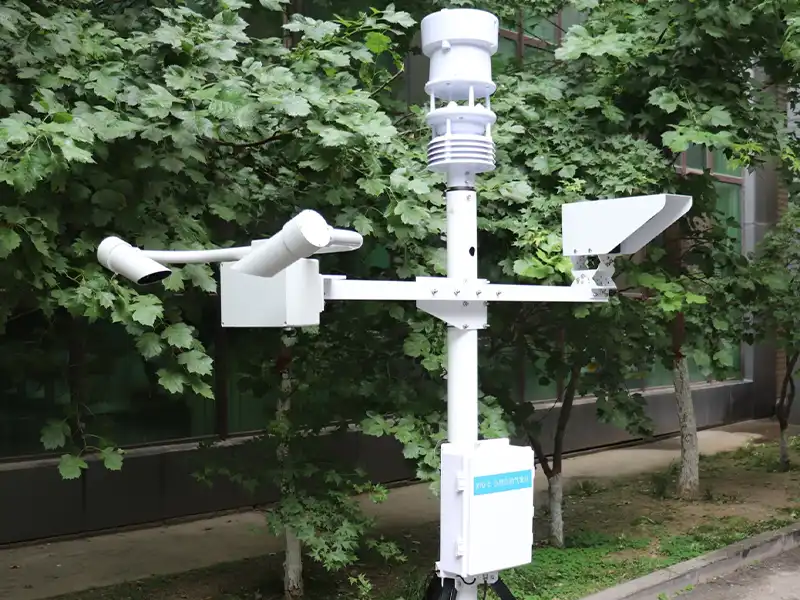
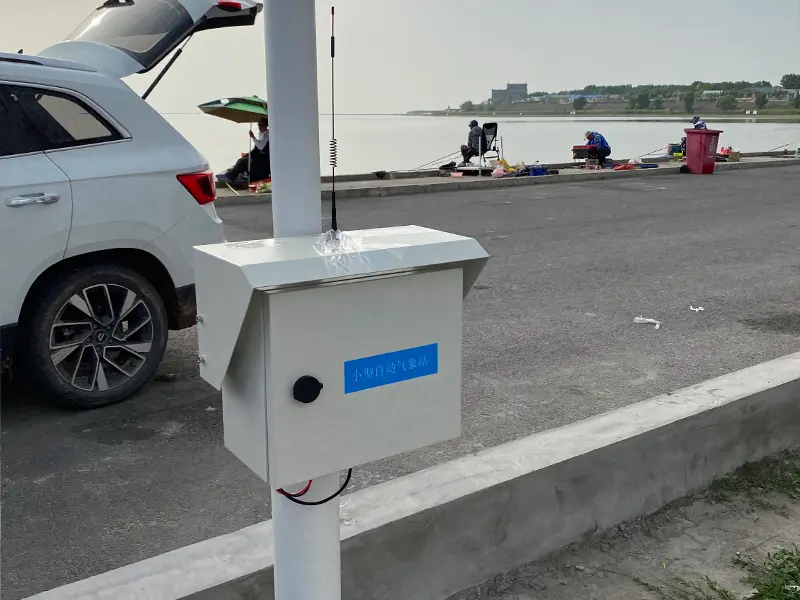
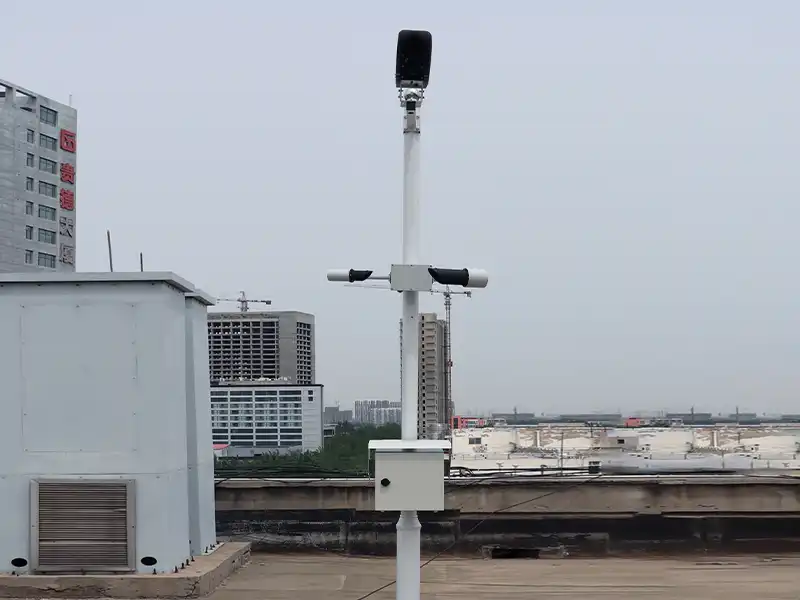
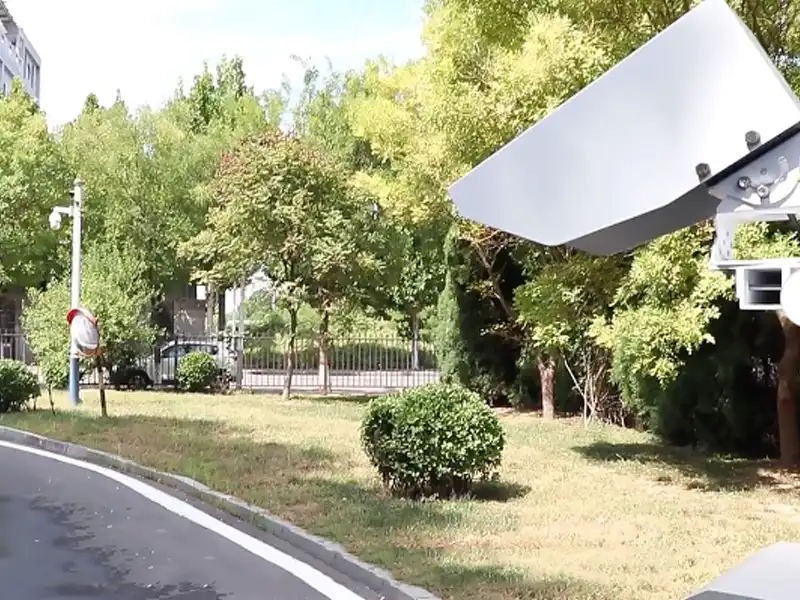
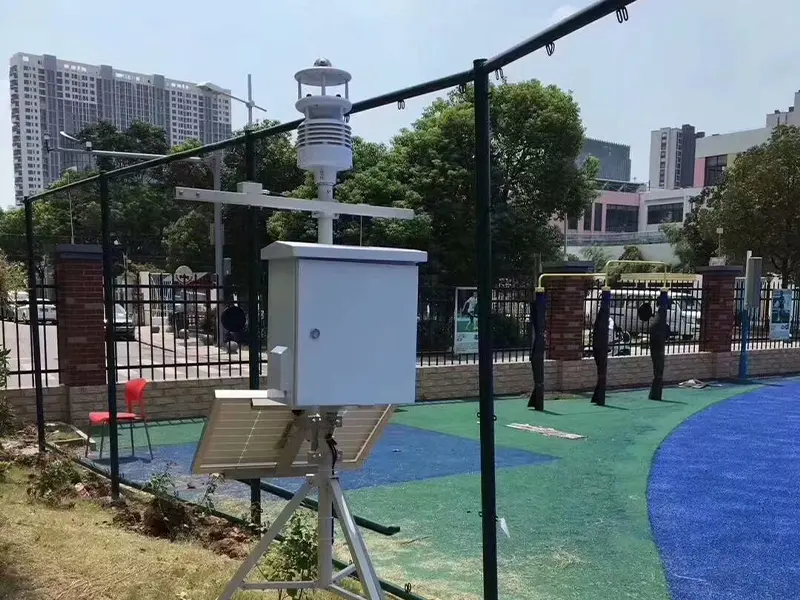
A road weather station is a field monitoring system designed to collect localized weather information for transportation applications. Installed on highways, bridges, tunnels, and other critical infrastructure, these stations provide continuous environmental data to help operators understand weather changes that may affect driving conditions and road safety.
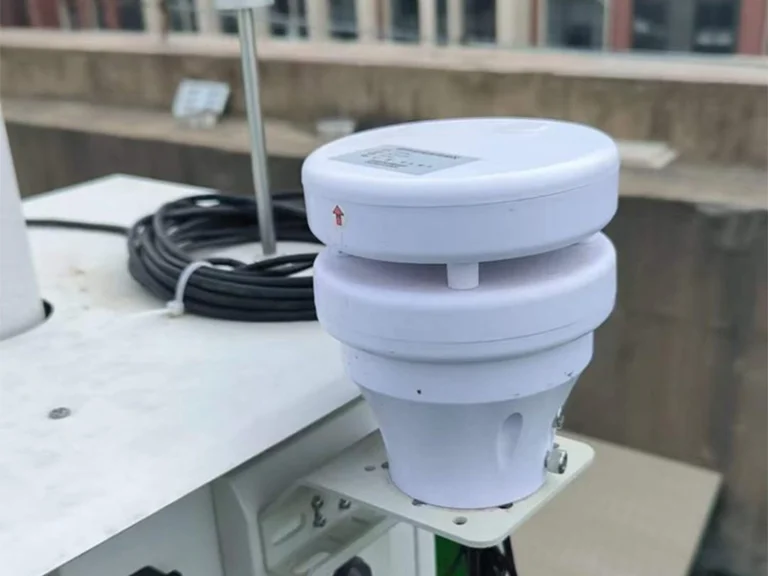
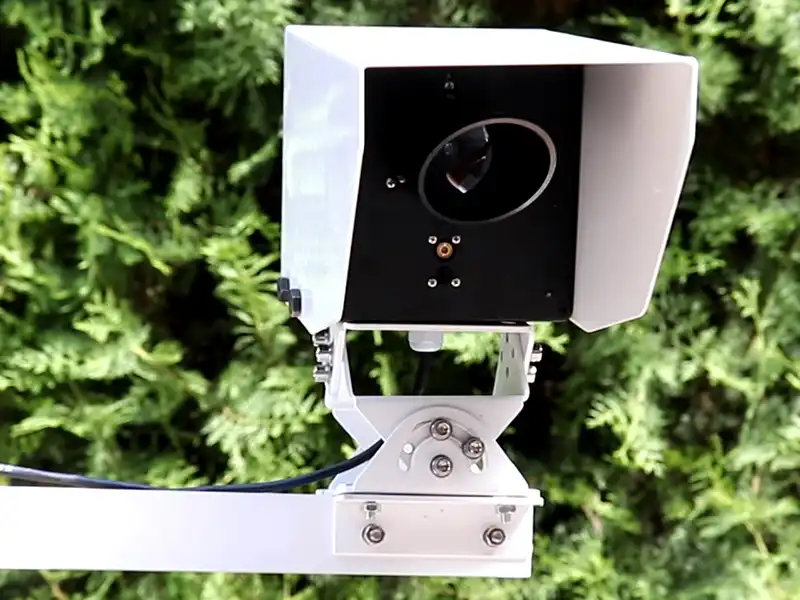
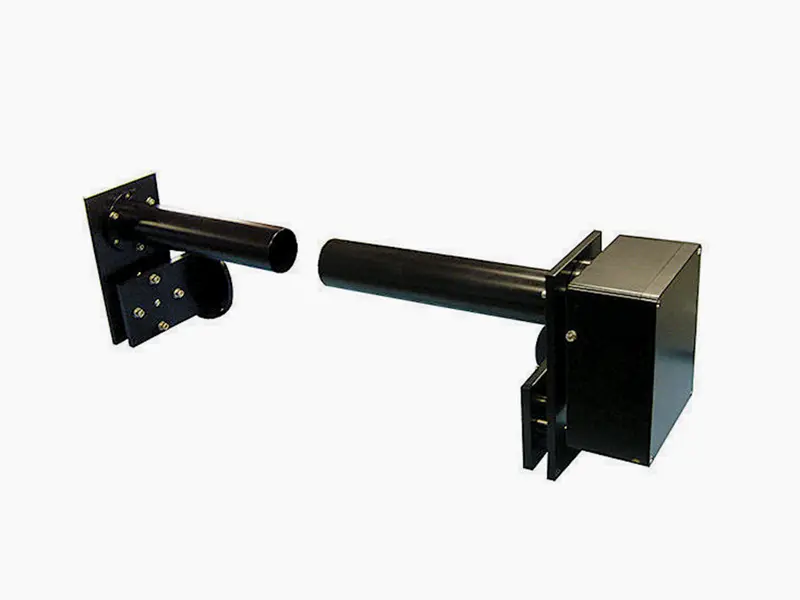
A typical road weather station integrates multiple sensors, including temperature sensors, humidity sensors, wind sensors, visibility sensors, and precipitation sensors. For example, the XF-CQ17 Visibility Sensor is used to monitor fog and reduced visibility conditions, providing important information for traffic safety warnings. The XF-CQ15 Atmospheric Visibility Sensor supports highway weather monitoring systems by measuring visibility changes and helping operators respond to weather-related risks more effectively.
Road Condition Monitoring Sensors
Road condition monitoring sensors are used to detect pavement conditions that may affect vehicle safety and road maintenance operations. By monitoring factors such as road surface temperature, ice formation risks, and wet pavement conditions, these sensors help transportation operators identify potential hazards and take timely maintenance actions.
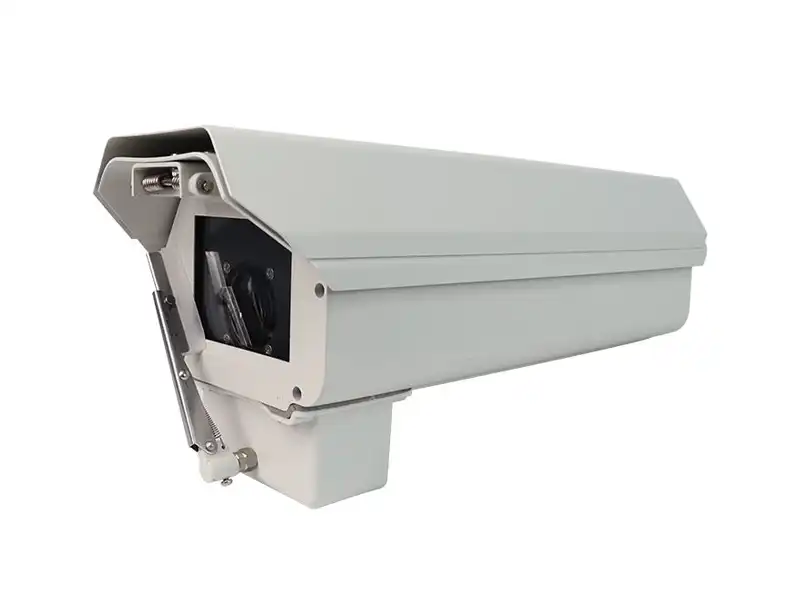
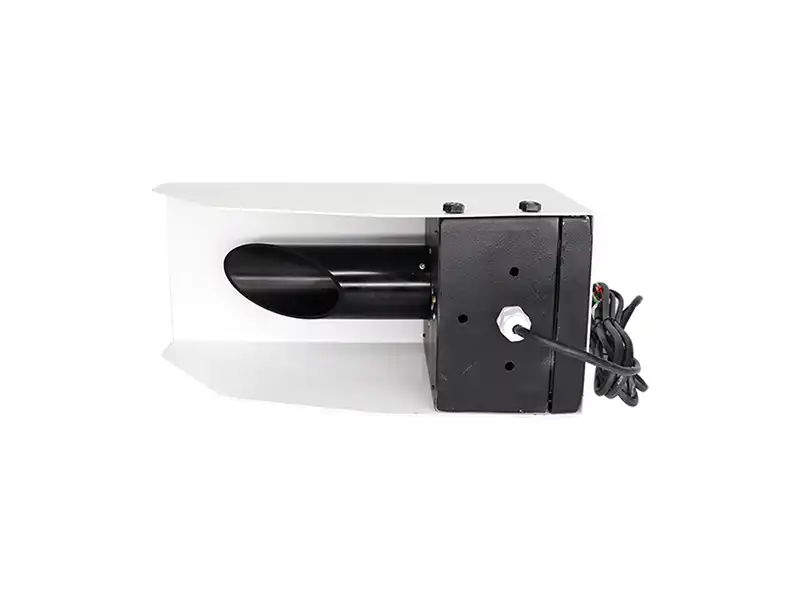
Integrated into intelligent transportation systems, road condition monitoring sensors provide valuable data for highway safety management, especially in areas affected by snow, ice, and severe weather. The XF-CQ16 Road Condition Detection Sensor can monitor changes in road surface conditions and support applications such as winter road maintenance, hazard prevention, and safer highway operations.

Advantages
Intelligent transportation system sensors improve transportation safety, traffic operation efficiency, and road maintenance management by providing reliable information on traffic, weather, and road conditions. These capabilities help transportation operators respond to changing conditions, reduce operational risks, and improve the overall performance of transportation infrastructure.
Improve Road Safety
ITS sensors improve road safety by providing timely information about traffic and environmental conditions that may affect driving conditions. They help transportation operators detect risks such as reduced visibility, icy roads, and severe weather events, allowing faster responses to potential hazards.
Applications include fog warnings, ice detection, accident response, and hazardous weather alerts. RWIS systems, visibility sensors, and road condition monitoring sensors provide critical data for highway safety management by monitoring changing weather and pavement conditions.
Enhance Traffic Management
ITS sensors improve traffic management by providing accurate information about traffic flow, congestion conditions, and road usage patterns. This data helps transportation operators optimize traffic operations, improve signal timing, manage congestion, and provide real-time traffic information to road users.
By understanding changing traffic conditions, transportation systems can adjust management strategies more effectively, reduce delays, and improve the overall efficiency of road networks.
Support Road Maintenance
RWIS systems and highway weather monitoring systems support more effective road maintenance by providing accurate information about pavement and weather conditions. Maintenance teams can use real-time data on road surface temperature, precipitation, and icing risks to determine when and where maintenance actions are needed.
These systems help improve snow removal planning, anti-icing operations, and winter road management while reducing unnecessary inspections and improving maintenance efficiency.
Enable Smart Transportation
ITS sensors provide valuable information for traffic forecasting, infrastructure planning, and transportation analysis. By analyzing historical and real-time traffic, weather, and road condition data, transportation agencies can better evaluate road performance, plan infrastructure improvements, and optimize resource allocation.
This data-driven approach helps improve long-term transportation planning and supports the development of safer, more efficient, and better-managed transportation networks.

Main Parameters Monitored by Intelligent Transportation System Sensors
Intelligent transportation system sensors monitor key traffic, environmental, and road conditions to provide reliable data for intelligent transportation management. Their performance depends on accurate detection, strong environmental adaptability, and stable communication, ensuring continuous operation and dependable data collection under complex road conditions.
| Monitoring Category | Key Parameters | Applications |
| Traffic Parameters | Vehicle volume, speed, lane occupancy, traffic flow, congestion conditions | Traffic monitoring and traffic management |
| Weather & Environmental Parameters | Temperature, humidity, wind, precipitation, visibility | Highway weather monitoring and safety warnings |
| Road Condition Parameters | Pavement temperature, ice risk, wet road conditions, road status | Road safety and maintenance management |
| Sensor Performance | Detection accuracy, environmental adaptability, communication stability | Reliable data collection and ITS integration |
Applications
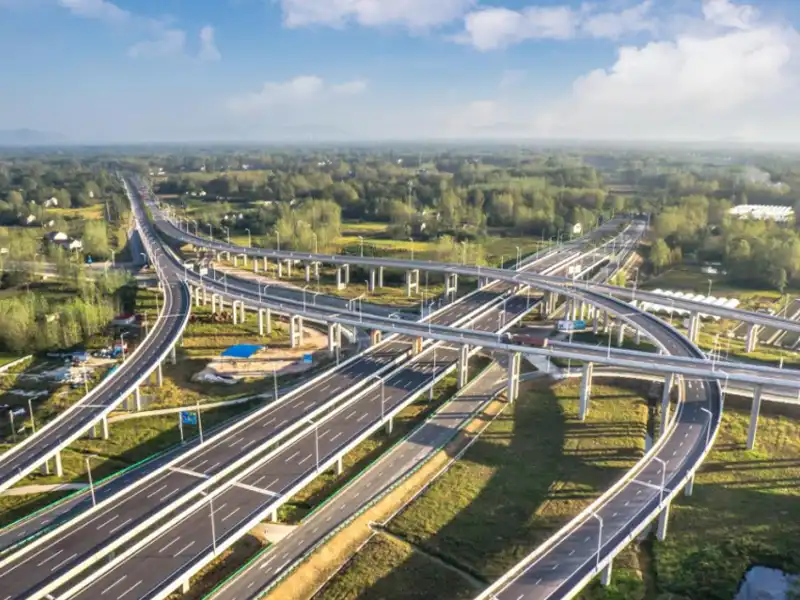
Intelligent transportation system sensors are applied in a wide range of transportation environments, including highways, urban roads, bridges, and tunnels. By supporting traffic monitoring, weather observation, and road condition assessment, these sensors help improve road safety, optimize transportation operations, and enhance infrastructure management.
Highway Weather Monitoring System
Highway weather monitoring systems use weather sensors to provide real-time environmental data for intelligent transportation systems. They help detect changing road weather conditions, support safety warnings, and improve highway operation and maintenance efficiency.
Smart Highway Management
ITS sensors provide real-time traffic and road condition data for smart highway management. They help improve traffic control, incident response, and road operation efficiency by supporting data-driven transportation decisions.
Urban Intelligent Transportation
ITS sensors provide real-time traffic data for urban transportation management. They help optimize traffic flow, improve intersection control, and enhance the efficiency and safety of urban transportation systems.
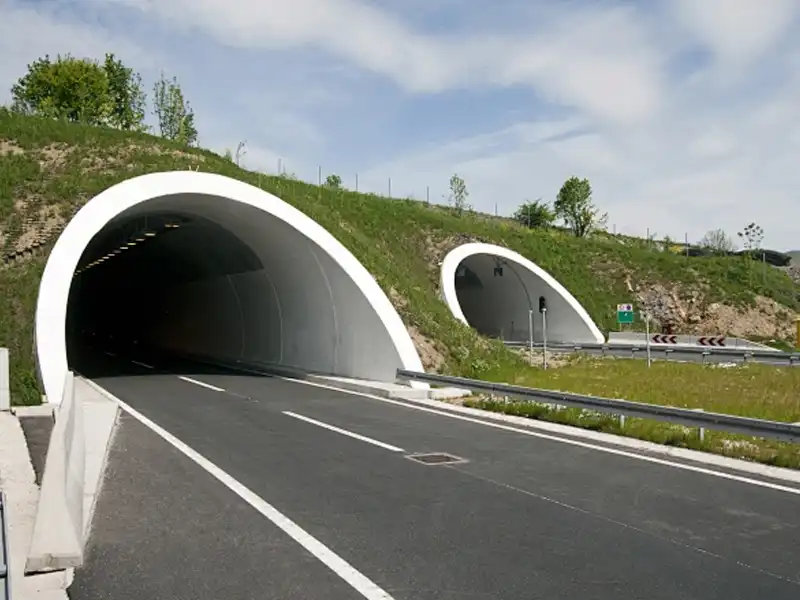
Bridge and Tunnel Monitoring
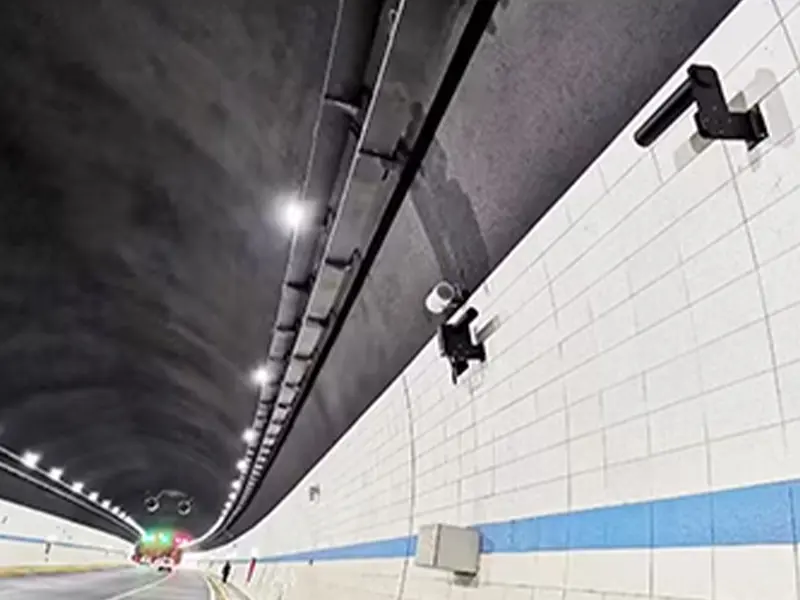
ITS sensors provide real-time data on environmental and traffic conditions in bridges and tunnels. They help improve safety management, support emergency response, and optimize infrastructure maintenance through continuous monitoring.
How to Select the Right ITS Sensors?
Choosing the right ITS sensors depends on the monitoring purpose, installation environment, and system requirements. Traffic sensors are used for vehicle flow and speed monitoring, RWIS and weather sensors support environmental monitoring, and road condition sensors help detect pavement risks. The selection should match the application scenario, such as highways, urban roads, tunnels, or bridges.
In practical projects, sensor accuracy, detection range, communication compatibility, and durability are key factors. Sensors should be able to operate reliably under local weather conditions and integrate with existing ITS platforms. A well-designed system often combines different sensor types to provide more complete and reliable transportation data.
Future Trends of Intelligent Transportation System Sensors
Intelligent transportation system sensors are evolving toward smarter, more connected, and integrated solutions. By combining advanced sensing technologies, AI analytics, and communication networks, future ITS systems will provide more accurate data for traffic management, road safety, and infrastructure operation.
AI-Enabled Transportation Monitoring
AI technology enables ITS sensors to analyze large amounts of data for traffic prediction, automatic incident detection, and intelligent traffic control, helping operators make faster and more accurate decisions.
IoT-Connected Smart Road Infrastructure
Future smart roads will integrate IoT sensors, cloud platforms, and connected vehicles to enable real-time data sharing and more efficient transportation management.
Traffic and Weather Data Integration
By combining traffic data, RWIS information, and AI analysis, ITS platforms can achieve predictive transportation management, improving congestion control, early safety warnings, and proactive road maintenance planning.

Conclusion
Intelligent transportation system sensors are becoming essential components of modern transportation infrastructure. By providing accurate traffic, weather, and road condition data, these sensors help improve traffic efficiency, enhance road safety, and support smarter transportation management. As ITS technologies continue to evolve, reliable sensor solutions will play a key role in building safer, more connected, and more efficient road networks.If you need a reliable intelligent transportation system sensor solution, feel free to contact us for professional support and customized options based on your project requirements.