Introduction
Tunnel lighting plays a critical role in ensuring safe driving conditions, especially at tunnel entrances and exits where sudden brightness changes can affect drivers’ visual adaptation and reaction time. However, natural light conditions vary constantly due to weather, time of day, and seasonal changes, making fixed lighting control strategies unable to maintain optimal illumination levels while avoiding unnecessary energy consumption.
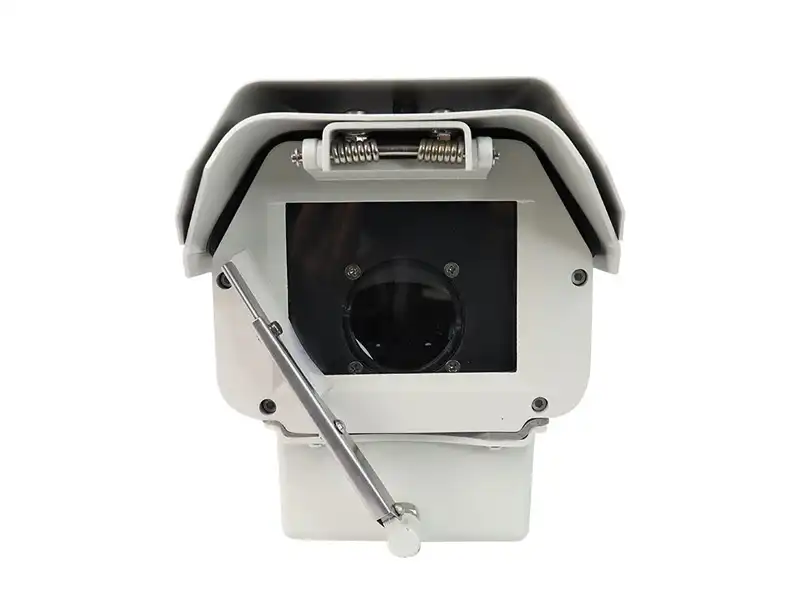
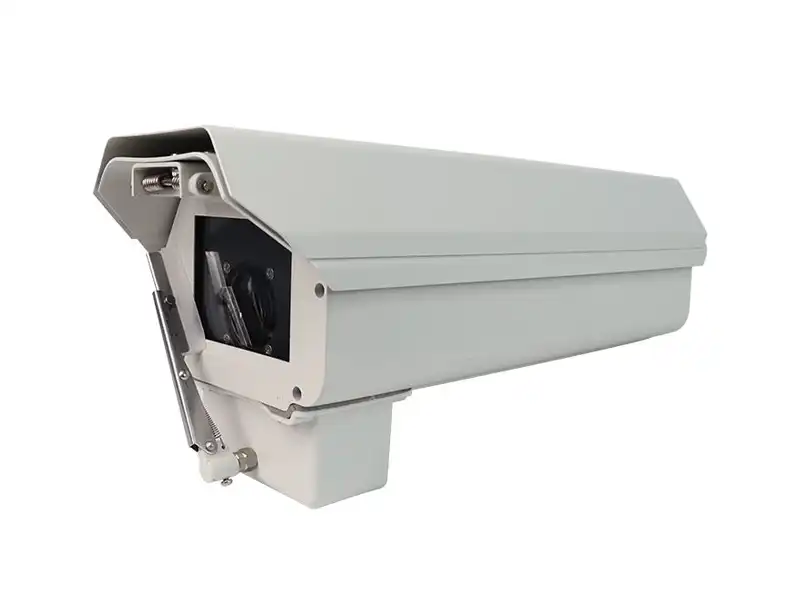
A tunnel luminance sensor is a specialized optical measurement device designed to monitor road surface brightness in real time at tunnel entrances, transition zones, interiors, and exits. By providing accurate luminance data, it enables intelligent tunnel lighting systems to adjust lighting output according to actual environmental conditions rather than relying on preset schedules.
As an advanced tunnel light sensor and lighting control sensor, a tunnel luminance sensor helps improve driver safety, optimize lighting efficiency, and reduce operational costs in highway tunnels, urban underpasses, and intelligent transportation systems. In this article, we will explain what a tunnel luminance sensor is, how it works, its key components, major applications, and how to select the right solution for modern tunnel lighting control.Want to learn about “Tunnel Luminance Sensor vs. Illumination Sensor: Differences Explained”? Click here to read more.
What Is a Tunnel Luminance Sensor?
A tunnel luminance sensor is a photoelectric measurement device that measures the brightness of tunnel road surfaces in candela per square meter (cd/m²). It provides real-time luminance data for intelligent tunnel lighting control systems, enabling automatic adjustment of lighting levels according to actual visibility conditions.
Unlike general light sensors that measure the amount of light falling on a surface, a tunnel luminance sensor measures the brightness perceived by drivers from road surfaces and surrounding environments. This makes it a critical component in tunnel lighting applications, where maintaining proper visual adaptation and visibility is essential for driving safety.
By continuously monitoring luminance conditions, the sensor helps tunnel operators optimize lighting performance, reduce unnecessary energy consumption, and maintain consistent visibility under changing conditions such as daylight variation, weather changes, and different traffic environments.
Measurement Target of a Tunnel Luminance Sensor
A tunnel luminance sensor does not measure the brightness of lighting fixtures directly. Instead, it detects the luminance conditions that affect driver visibility and provides accurate data for tunnel lighting control systems.
| Measurement Target | Description | Role in Tunnel Lighting Control |
| Road Surface Luminance | Measures the brightness of the tunnel road surface based on reflected light. | Provides visibility data for adjusting lighting levels and improving driving safety. |
| Tunnel Entrance Brightness | Monitors brightness differences between outdoor daylight and the tunnel entrance. | Helps reduce the “black hole effect” and improve driver adaptation. |
| Tunnel Adaptation Zone | Measures luminance changes in the transition area between outside and inside the tunnel. | Enables smoother lighting adjustment and maintains safe visibility. |
Why Do Tunnels Need Luminance Sensors?
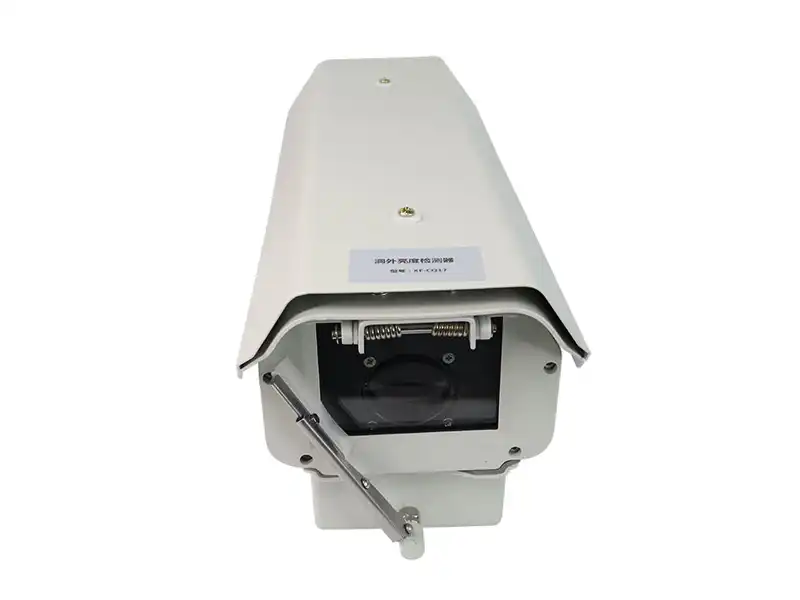
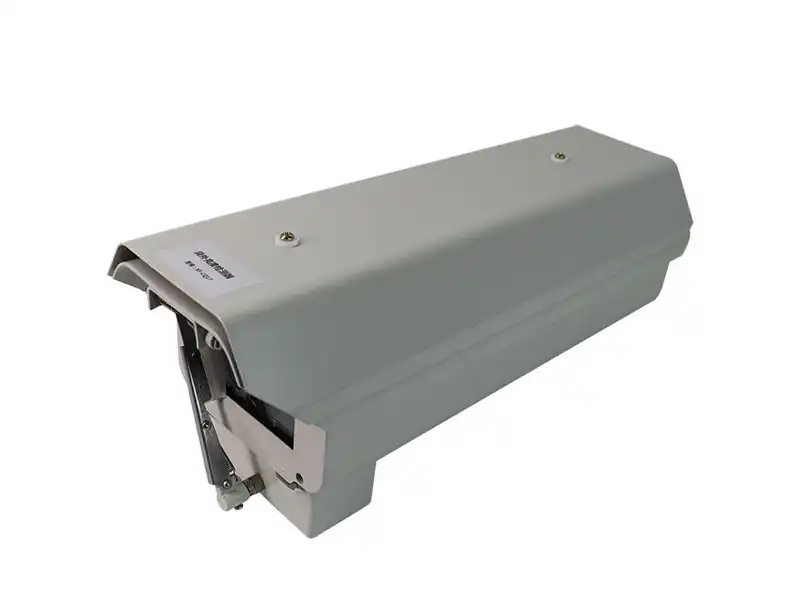
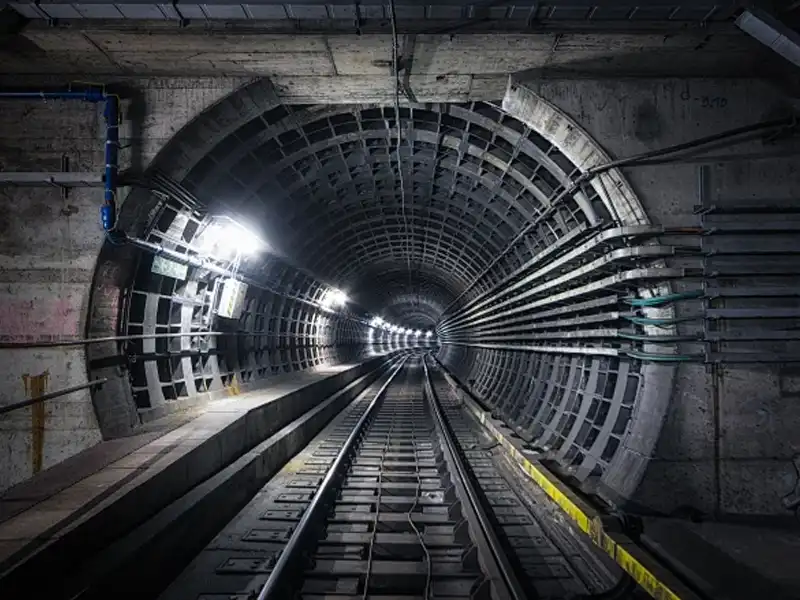
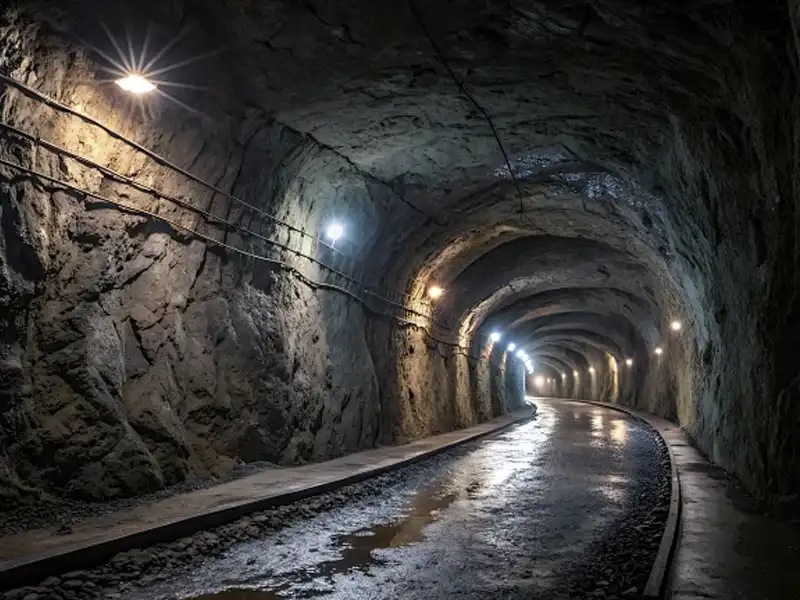
Tunnel lighting cannot rely only on fixed brightness settings because the lighting environment changes constantly. The brightness difference between outdoor daylight and tunnel interiors affects driver visual adaptation, while weather, time of day, and seasonal changes also influence lighting requirements. A tunnel luminance sensor provides real-time luminance data, allowing the lighting control system to adjust illumination based on actual conditions instead of preset schedules.
Prevent Black Hole Effect and Improve Driving Safety
The primary reason tunnels require a tunnel luminance sensor is to manage brightness transitions at tunnel entrances. When vehicles enter a tunnel from bright daylight, drivers need time to adapt to the lower luminance environment. If the contrast is too high, the entrance may appear dark, making it difficult to recognize obstacles and road conditions. This is known as the black hole effect. By monitoring entrance luminance, the sensor enables adaptive lighting control and creates a smoother transition between outdoor and tunnel environments.
Adapt Tunnel Lighting to Changing Environmental Conditions
Tunnel luminance varies with sunlight intensity, weather conditions, time of day, and seasonal changes. Fixed lighting strategies cannot respond accurately to these variations, which may result in excessive lighting or insufficient visibility. A tunnel light sensor continuously measures actual luminance conditions and helps the lighting system adjust output according to environmental changes.
| Environmental Factor | Impact on Tunnel Lighting |
| Sunlight Intensity | Affects brightness contrast between the tunnel entrance and outdoor environment. |
| Weather Conditions | Rain, fog, and cloudy conditions reduce visibility and change lighting requirements. |
| Time of Day | Day and night conditions require different lighting levels. |
| Seasonal Changes | Changes in daylight duration and solar angle affect tunnel luminance. |
Reduce Energy Consumption and Operating Costs
Tunnel lighting often operates for long periods, making energy efficiency an important concern. Traditional systems may maintain fixed lighting levels based on maximum requirements, causing unnecessary energy consumption under favorable conditions. By integrating a lighting control sensor, tunnel lighting can automatically adjust brightness according to measured luminance levels, maintaining safety while reducing power consumption and extending LED lighting service life.
How Does a Tunnel Luminance Sensor Work?
A tunnel luminance sensor works by detecting reflected light from the tunnel environment, converting the optical signal into electrical signals, and processing the data into accurate luminance values (cd/m²) for tunnel lighting control. Unlike ordinary light sensors that only measure light intensity, a tunnel luminance sensor is designed to measure the brightness conditions that affect driver visibility and provide reliable data for adaptive lighting adjustment.
The working process can be summarized as:
Light Detection → Photoelectric Conversion → Signal Processing & Output
Light Detection and Human Eye Matching
The sensor collects reflected light from the tunnel road surface and surrounding environment through an optical lens system. To improve measurement accuracy, a built-in V(λ) spectral filter adjusts the sensor’s response according to the human eye sensitivity curve. This allows the measured luminance data to better represent the brightness perceived by drivers under actual tunnel conditions.
Photoelectric Conversion and Signal Processing
After optical filtering, the detected light reaches a high-sensitivity photodiode, where optical energy is converted into an electrical signal through the photoelectric effect. Since the original signal can be affected by environmental factors, the internal processing circuit performs signal amplification, filtering, and calibration to improve stability and measurement accuracy.
Luminance Output and Lighting Control
The processed signal is calculated into luminance values in cd/m² and transmitted to the tunnel lighting control system through communication interfaces such as RS485 Modbus or 4–20mA. Based on the real-time luminance data, the control system can adjust lighting levels according to actual conditions, creating a more responsive and efficient tunnel lighting management process.
Components of a Tunnel Luminance Sensor
| Component | Function |
| Optical Lens System | Collects reflected light from the tunnel road surface and surrounding environment. |
| V(位) Spectral Filter | Matches human eye sensitivity for more accurate luminance measurement. |
| Photodiode Detector | Converts optical signals into electrical signals. |
| Signal Processing Unit | Amplifies, filters, and calibrates measurement data. |
| Communication Interface | Outputs luminance data to tunnel lighting control systems. |
Tunnel Luminance Sensor vs Brightness Detector: What Is the Difference?
Tunnel luminance sensors and lux sensors (illuminance detectors) are often confused because both are used for lighting measurement, but they monitor different aspects of light. A tunnel luminance sensor measures the brightness of road surfaces and surrounding areas as perceived by drivers, providing essential data for adaptive tunnel lighting control. A lux sensor measures the amount of light received by a surface, which is mainly used for illumination monitoring and lighting performance verification.
In tunnel applications, luminance measurement is more important for entrance lighting control because driver visibility depends on the perceived brightness of the tunnel environment, not only the amount of light reaching the road surface. By monitoring luminance changes at tunnel entrances, the lighting control system can automatically adjust lighting levels to reduce the black hole effect and ensure a smooth visual transition.
| Item | Tunnel Luminance Sensor | Brightness Detector (Lux Sensor) |
| Measurement | Surface brightness perceived by the human eye | Light intensity received by a surface |
| Unit | cd/m² | lux (lx) |
| Main Application | Tunnel entrance lighting control and adaptive dimming | Lighting level monitoring and illumination verification |
| Measurement Target | Road surface, tunnel entrance, and surrounding environment | Illuminated areas, tunnel interior lighting, and lamp output |
| Installation Location | Usually installed at tunnel entrances or key viewing points | Commonly installed inside tunnels or lighting monitoring areas |
| Main Function | Supports driver visual adaptation and intelligent lighting adjustment | Checks illumination conditions and detects lighting changes |
In practical tunnel lighting systems, both devices can be used together. The tunnel luminance sensor provides control data for dynamic lighting adjustment, while the brightness detector helps monitor actual illumination levels and system performance. However, for tunnel entrance lighting control, luminance measurement is the preferred method because it better represents the visual conditions experienced by drivers.If you would like to learn more about the Tunnel Illumination Sensor: Working Principle & Smart Lighting Applications, please click
Applications of Tunnel Luminance Sensors
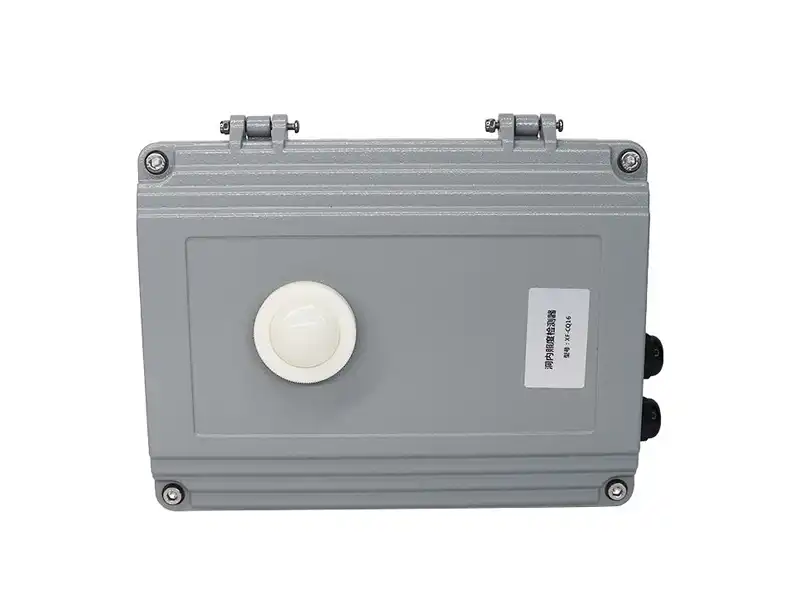
Tunnel luminance sensors are used in transportation lighting systems to measure brightness changes and support automatic lighting control. They are commonly applied in highway tunnels, urban underpasses, ITS infrastructure, and smart tunnel platforms to improve visibility, reduce energy waste, and enhance operational efficiency.
Highway Tunnel Lighting Control
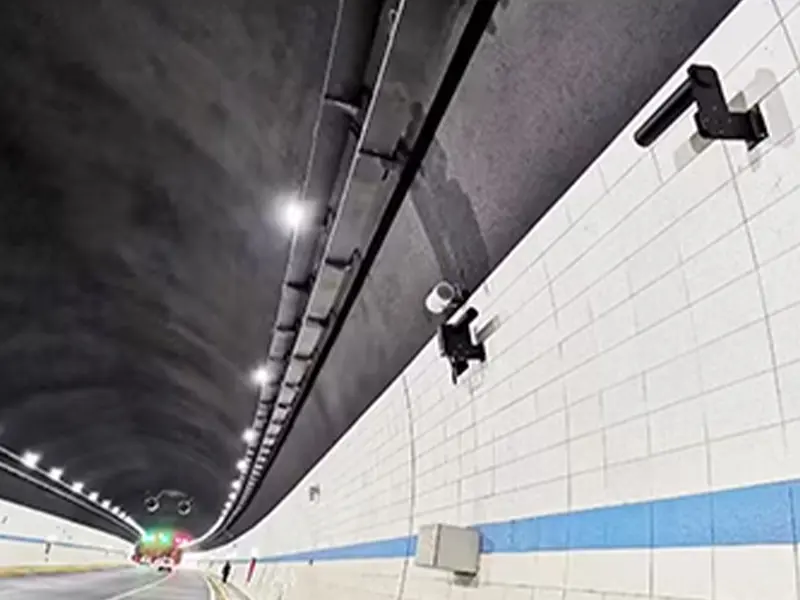
In highway tunnels, tunnel luminance sensors monitor the brightness outside and around tunnel entrances to adjust lighting levels according to actual conditions. This helps reduce the black hole effect and white hole effect, allowing drivers to adapt smoothly to brightness changes while maintaining safe driving conditions.
Urban Underpass Lighting
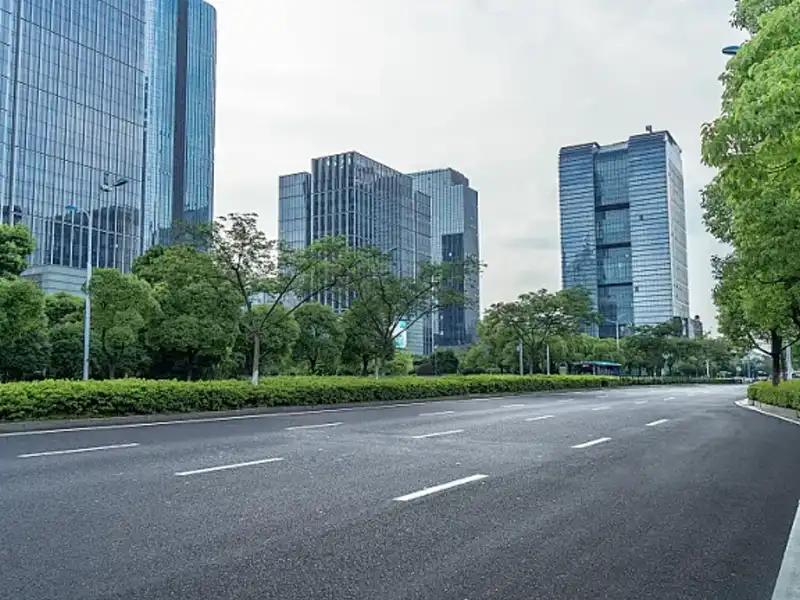
In urban underpasses, tunnel luminance sensors detect changes in natural and surrounding light conditions to maintain suitable lighting levels. They help ensure consistent visibility for vehicles and pedestrians while avoiding unnecessary lighting operation during brighter periods.
Intelligent Transportation Systems (ITS)
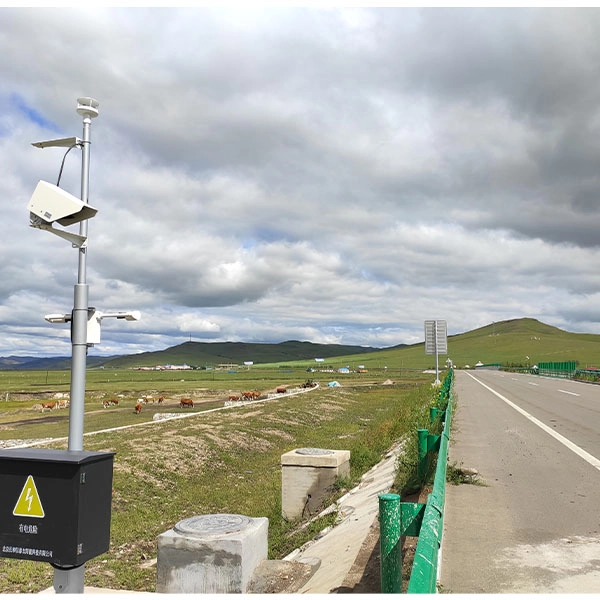
Within ITS applications, tunnel luminance sensors provide brightness data for traffic management systems. Combined with other monitoring equipment, they support coordinated control of tunnel lighting and improve the efficiency of transportation infrastructure management.
Smart Tunnel Management Platforms
Tunnel luminance sensors can be integrated into smart tunnel management platforms through standard communication interfaces. The collected brightness data helps operators monitor lighting conditions, optimize system operation, and improve maintenance efficiency.

How to Select a Tunnel Luminance Sensor?
When selecting a tunnel luminance sensor, the first consideration should be the actual application environment and measurement requirements. The sensor measurement range needs to match different tunnel areas, including the entrance portal, transition zone, and interior zone, where brightness conditions can vary significantly. Accurate luminance measurement is essential because it directly affects the performance of tunnel lighting adjustment and helps maintain safe visual conditions for drivers.
Communication compatibility is another important factor during selection. We recommend choosing sensors with standard interfaces such as RS485 or 4–20mA, which can be easily integrated with existing PLC, SCADA, and tunnel control systems. This allows real-time luminance data to be transmitted to the lighting control platform for automatic adjustment and centralized management.
From our experience, environmental adaptability and installation position should also be evaluated before deployment. Tunnel luminance sensors are often exposed to outdoor conditions, so protection against temperature changes, humidity, and dust is necessary for long-term reliability. We recommend selecting the installation location carefully, such as the tunnel entrance portal, roof structure, or roadside position, to ensure the sensor captures representative brightness conditions and provides stable measurement data.


Integration with Intelligent Tunnel Lighting Control System
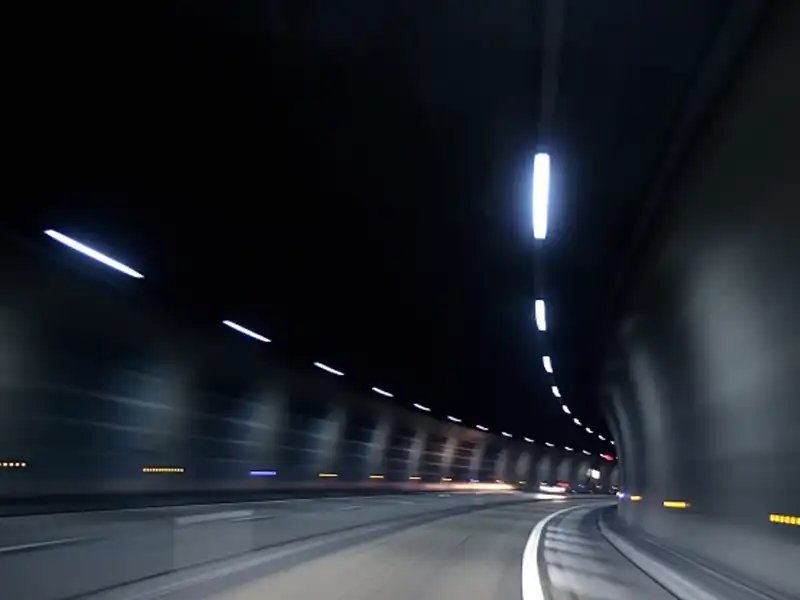
A tunnel luminance sensor is an important part of an intelligent tunnel lighting system. It collects real-time luminance data from the tunnel entrance and surrounding areas, then sends the information to the lighting controller. Based on the detected brightness conditions, the controller adjusts the output of LED tunnel lights to maintain suitable lighting levels while reducing unnecessary energy consumption.
The complete control process includes four main components: the tunnel luminance sensor, lighting controller, LED tunnel lights, and energy management platform. The sensor works as the data source by monitoring external and internal brightness changes. The lighting controller processes this information and sends adjustment commands to LED lights, while the energy management platform records operating data and helps operators monitor system performance.
Through this integration, tunnel lighting can automatically respond to changes in daylight, weather, and traffic environments. Compared with fixed lighting control methods, the system provides more accurate brightness adjustment, helps reduce the black hole and white hole effects at tunnel entrances, and improves both driving safety and long-term energy efficiency.
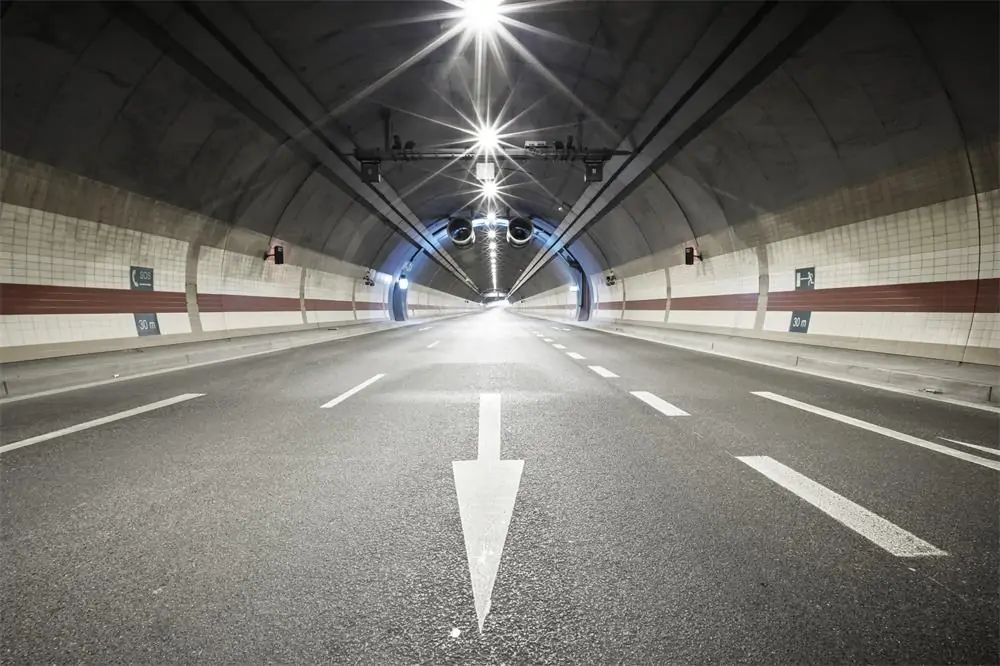
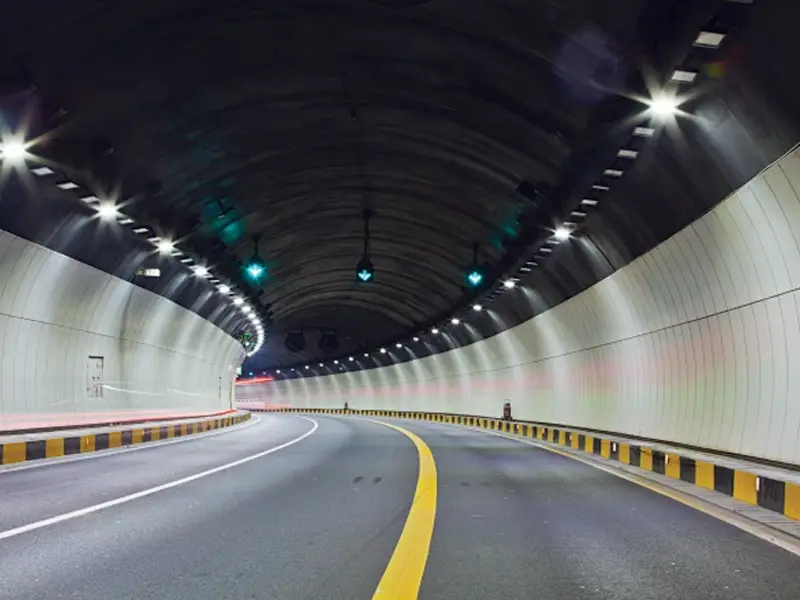
Related Tunnel Monitoring Sensors
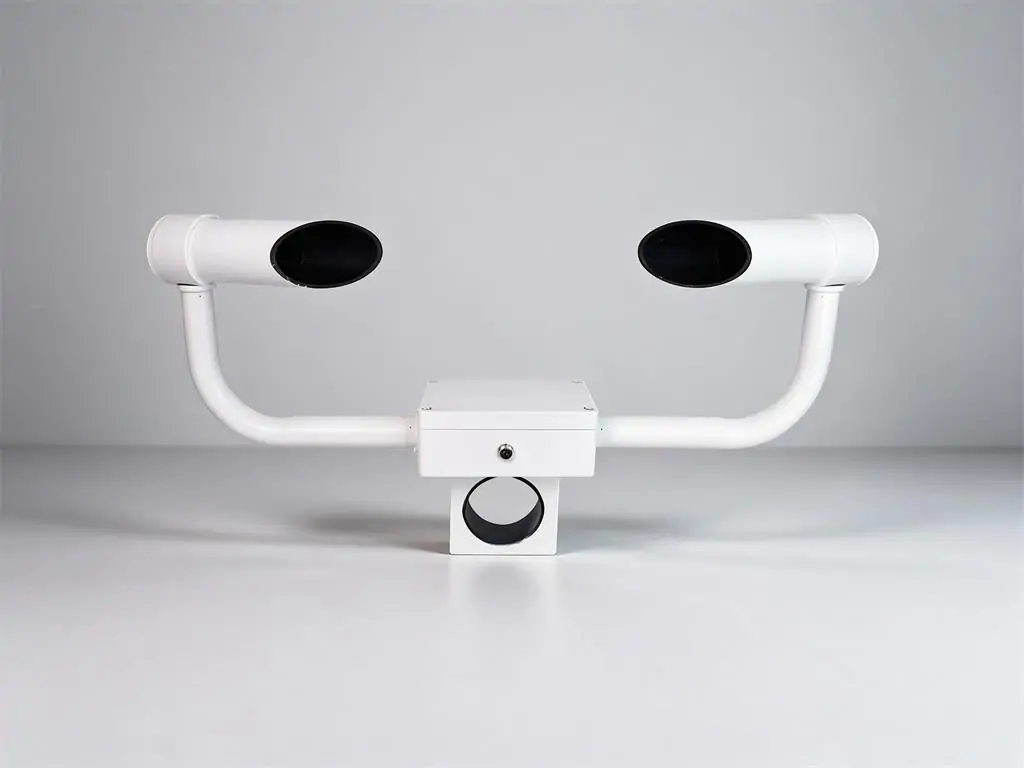
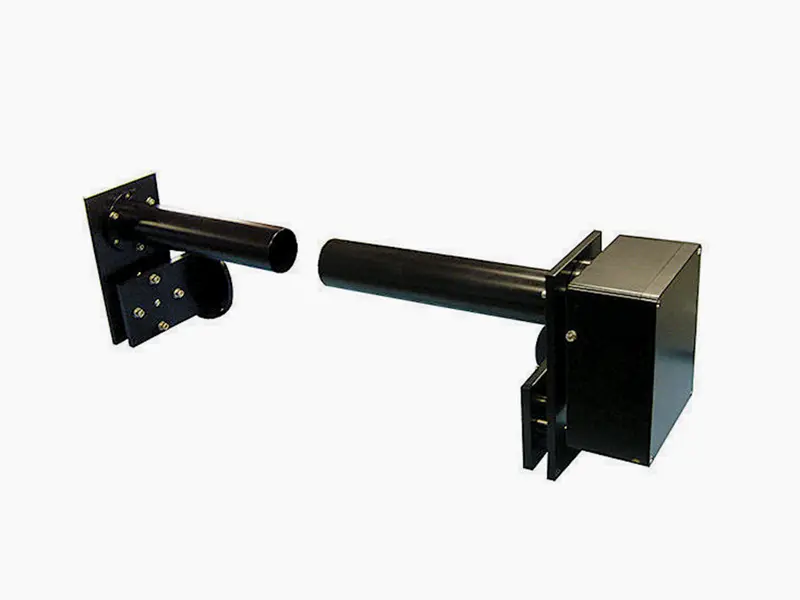
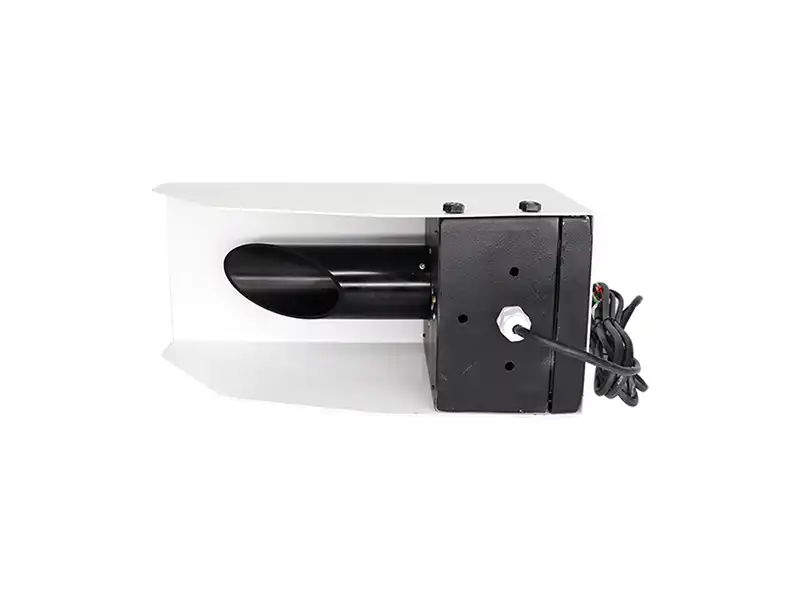
Yantai Sensor provides a range of monitoring solutions for tunnel and transportation applications, including luminance sensors, visibility sensors, weather monitoring sensors, and environmental detection devices. These sensors help tunnel operators collect real-time environmental data and improve lighting control, safety management, and operational efficiency.
Conclusion
Tunnel luminance sensors play an important role in modern tunnel lighting control systems by providing accurate brightness measurements for lighting adjustment and management. By monitoring actual luminance conditions, they help reduce visual adaptation problems at tunnel entrances, improve driving safety, optimize lighting operation, and support more efficient energy use.
For tunnel projects requiring reliable luminance monitoring and system integration, contact Yantai Sensor for professional tunnel lighting measurement solutions and customized sensor support.