Introduction
During winter, a thin layer of ice or unexpected water accumulation on a road surface can create serious safety risks within minutes. For highway operators and transportation authorities, knowing the actual condition of pavement in real time is essential for preventing accidents and improving maintenance efficiency.
A road condition sensor is an intelligent monitoring device designed to detect and analyze pavement conditions such as ice, snow, water, and surface temperature in real time. Unlike traditional manual inspections and weather monitoring devices, it directly monitors road surface conditions and provides accurate data to improve highway safety, optimize winter maintenance, and support intelligent traffic management. As a key component of a pavement monitoring system, road condition sensors help transportation authorities make faster and more reliable decisions for changing road environments. This article explains how road condition sensors work, their main applications, and their role in modern road safety management.If you’re interested in “How Does a Road Surface Condition Sensor Detect Ice and Water?”, please click on the article.

What Is a Road Condition Sensor?
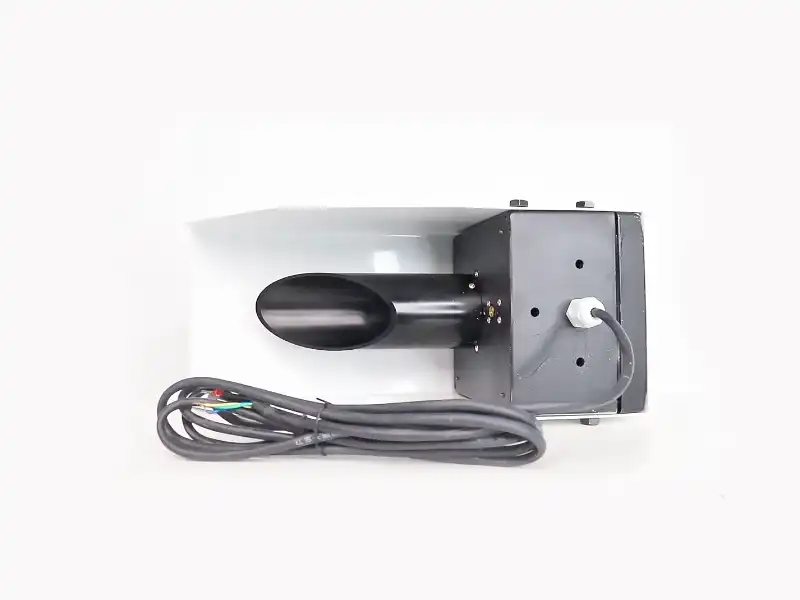
A road condition sensor, also known as a road surface condition sensor, is a specialized monitoring device used to detect and analyze the real-time status of pavement surfaces. As an important part of a road weather monitoring network, it provides accurate information about road conditions that may affect driving safety, including ice, snow, water accumulation, and surface temperature.
Unlike traditional weather sensors that mainly monitor atmospheric conditions such as air temperature, humidity, wind, and precipitation, road condition sensors focus directly on the pavement surface. The collected data helps transportation authorities evaluate road safety risks, improve winter maintenance efficiency, and support intelligent pavement monitoring systems.
What Conditions Can a Road Condition Sensor Detect?
A road condition sensor can identify different pavement states and provide key data for road safety management.
| Detection Parameter | Function |
| Ice Formation | Detects freezing risks and helps identify potential icing conditions before they impact traffic safety. |
| Water Film | Monitors surface moisture and evaluates wet pavement conditions. |
| Snow Coverage | Identifies snow accumulation on the road surface for maintenance planning. |
| Surface Temperature | Measures pavement temperature to assess freezing risks. |
| Pavement Condition | Classifies overall surface conditions such as dry, wet, snowy, or icy states. |
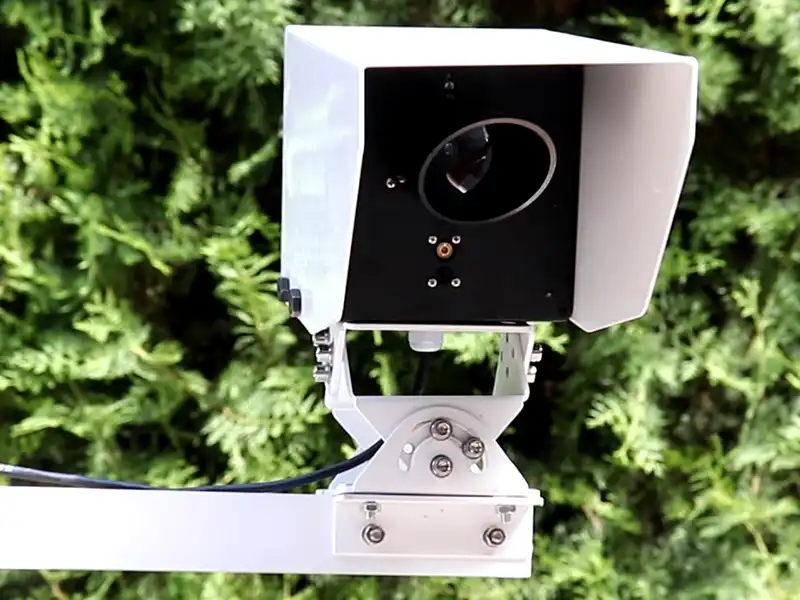
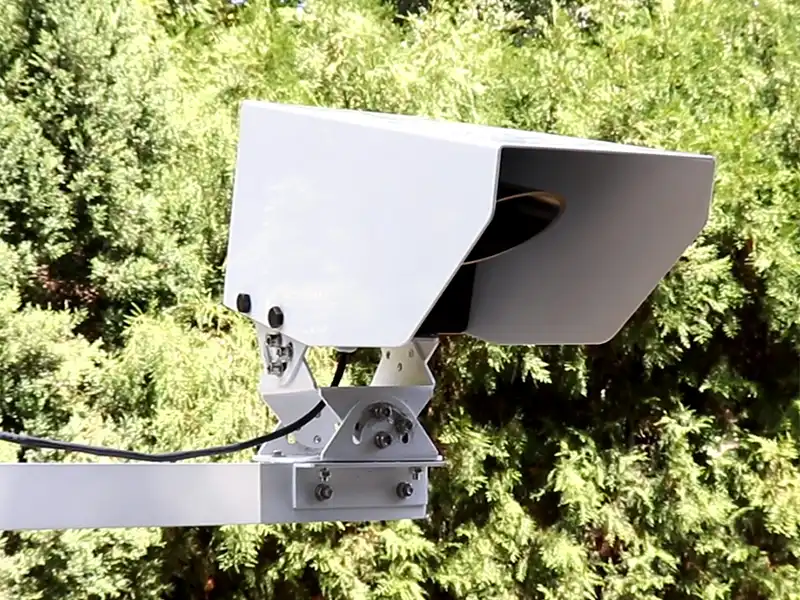
How Does a Road Condition Sensor Work?
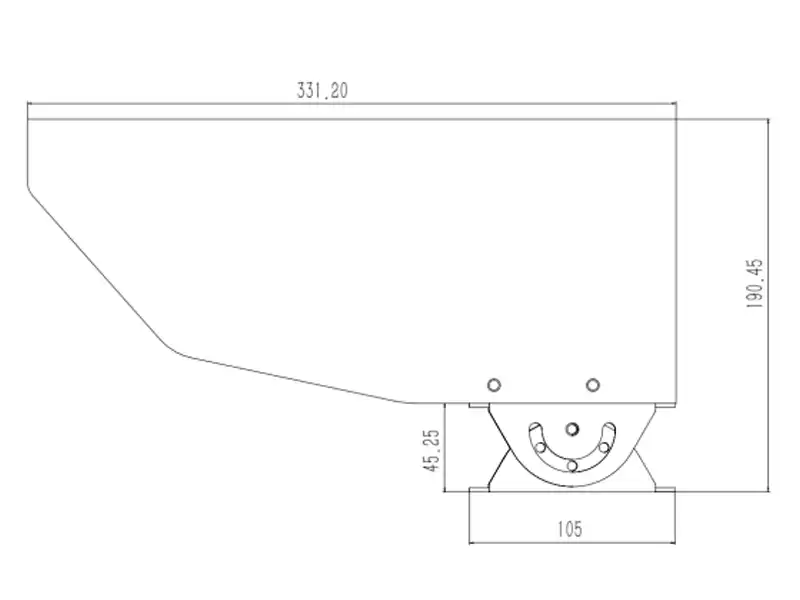
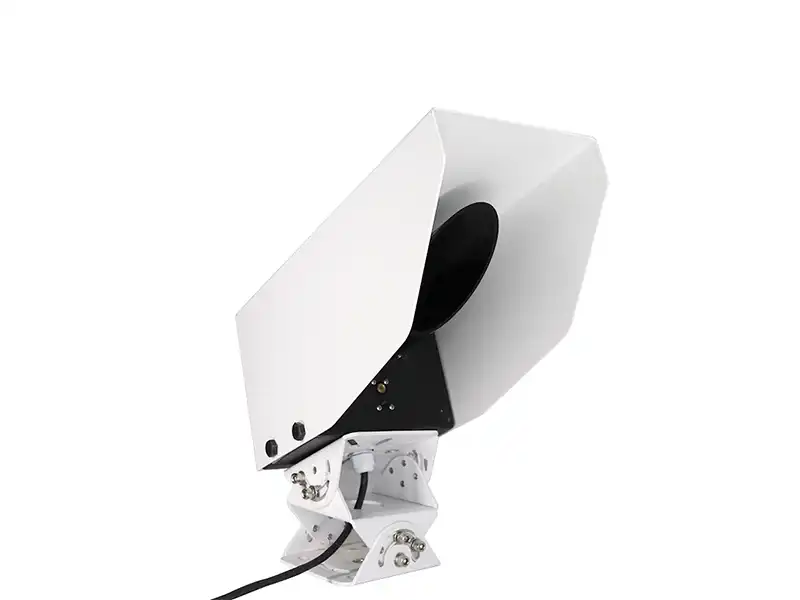
A road condition sensor works by using non-contact sensing technologies, such as infrared measurement and optical reflection analysis, to identify changes in pavement conditions including ice, snow, water, and surface temperature in real time. By combining optical detection with environmental data analysis, modern road condition sensors can provide accurate information about road surface status without direct contact with the pavement, making them an important part of intelligent pavement monitoring systems.For a practical overview of how roadside sensors work together to collect, process, and transmit weather and road-condition data, see our guide to [How Does a Road Weather Station Work?].
Optical Detection Technology
The core detection method of many advanced ice detection sensors is based on infrared measurement and optical reflection analysis. The sensor emits infrared or laser signals toward the pavement surface, and the reflected signals change according to different surface materials and conditions.
Because dry pavement, water, ice, and snow have different light absorption and reflection characteristics, the sensor can analyze these optical differences to identify the current road surface condition. This technology allows an ice detection sensor to recognize early icing risks before hazardous conditions develop, making it particularly valuable for highways, bridges, and airport runways in cold climates.
As a non-contact road surface condition sensor, it can continuously monitor pavement conditions without damaging the road structure, reducing installation limitations and maintenance requirements compared with traditional embedded sensors.
Surface Temperature and Environmental Data Analysis
In addition to optical detection, a road condition sensor combines pavement temperature measurements with surrounding environmental information to improve monitoring accuracy. Important data sources may include pavement temperature, air temperature, humidity, and precipitation conditions.
By analyzing these parameters together, the system can evaluate icing possibilities, determine freezing risks, and support decisions such as when to apply deicing materials or begin snow removal operations. This data-driven approach helps transportation departments move from reactive maintenance to proactive road safety management.
Real-Time Data Transmission and Monitoring Platform
After collecting pavement and environmental data, road condition sensors transmit information through communication systems to centralized monitoring platforms. The collected data can be integrated with data loggers, traffic management platforms, weather monitoring systems, and road maintenance centers.
When connected with a pavement monitoring system, real-time road condition information allows transportation authorities to monitor multiple locations, receive early warnings, and optimize winter maintenance strategies based on actual pavement conditions. This makes road condition sensors an important technology for smart transportation infrastructure and modern winter road management.
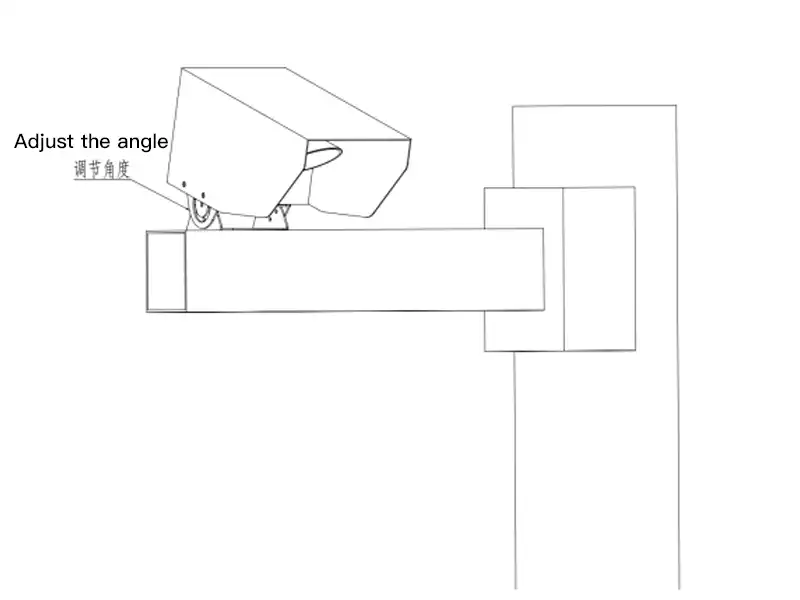
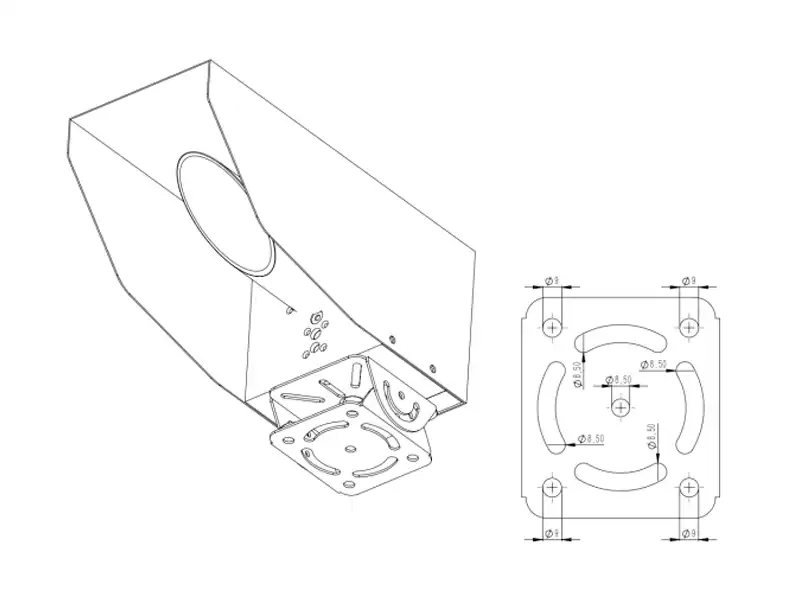
Road Condition Sensor vs Weather Sensor: What Is the Difference?
Although both road condition sensors and weather sensors are used for environmental monitoring, they focus on different measurement targets. Weather sensors mainly collect atmospheric information, while road condition sensors provide direct data about pavement conditions that affect driving safety.When selecting sensors for road monitoring, see our guide to Road Weather Station vs Weather Station: Key Differences Explained
Different Monitoring Objectives
A weather sensor provides information about the surrounding atmosphere, helping users understand environmental conditions such as temperature, humidity, wind, and precipitation. However, atmospheric data does not always represent the actual condition of the road surface.
For example, low air temperatures may indicate a potential freezing risk, but they cannot confirm whether ice has already formed on the pavement. A road condition sensor fills this gap by directly monitoring surface conditions such as ice formation, water accumulation, snow coverage, and pavement temperature.
Different Applications
Weather sensors are widely used in meteorological stations, agriculture, environmental monitoring, and smart city applications. In transportation systems, they are often used as supporting devices to provide broader weather information.
In comparison, road condition sensors are specifically designed for transportation safety management. They are commonly installed on highways, bridges, tunnels, airport runways, and other critical infrastructure where changing pavement conditions may create safety hazards. By providing real-time pavement information, they support early warnings, winter maintenance planning, and intelligent pavement monitoring systems.
In simple terms, weather sensors explain the surrounding environment, while road condition sensors directly monitor pavement safety conditions. Both technologies can work together, but road condition sensors provide the surface-level data required for safer and more efficient road management.
Differences Between Road Condition Sensor and Weather Sensor
| Feature | Road Condition Sensor | Weather Sensor |
| Monitoring Target | Pavement surface conditions | Atmospheric environment |
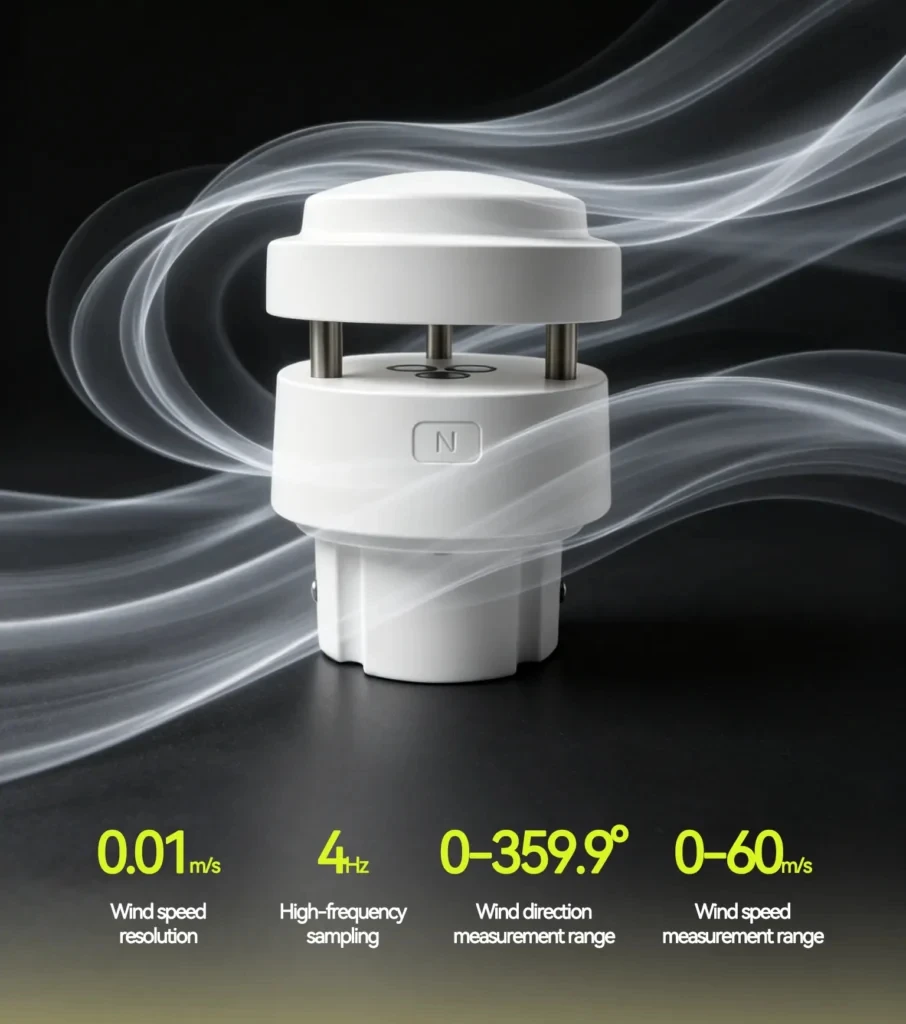
| Main Data | Ice, snow, water film, pavement temperature, surface condition | Air temperature, humidity, wind speed, wind direction, rainfall, solar radiation |
| Detection Method | Non-contact optical, infrared, or remote sensing technologies for pavement analysis | Different sensing technologies for measuring atmospheric parameters |
| Installation Location | Roadside poles, bridges, tunnels, or areas near pavement | Weather stations and environmental monitoring sites |
| Primary Purpose | Road safety management, icing warning, and maintenance decision-making | Weather observation, forecasting, and environmental monitoring |
Benefits of Using Road Condition Sensors
Road condition sensors provide transportation authorities with real-time pavement information that improves safety, maintenance efficiency, and operational decision-making. By replacing delayed manual inspections with continuous monitoring, these sensors support more proactive and data-driven road management.
Improve Road Safety
One of the key benefits of using road condition sensors is the ability to identify dangerous pavement conditions before they become major safety risks. By monitoring ice formation, snow coverage, water accumulation, and surface temperature changes in real time, these sensors help operators detect potential hazards such as black ice and slippery roads, allowing faster warnings and preventive actions to reduce traffic accidents.
Optimize Winter Maintenance Operations
Road condition sensors enable transportation departments to move from fixed-schedule maintenance to data-driven maintenance. Instead of applying deicing materials or dispatching snow removal teams based only on weather forecasts, operators can make decisions based on actual pavement conditions. This improves response efficiency, ensures maintenance resources are used where they are most needed, and supports more effective winter road management.
Reduce Operating Costs
By providing accurate real-time pavement data, road condition sensors help reduce unnecessary maintenance activities and operational expenses. They minimize excessive salt usage, reduce the need for frequent manual inspections, and lower emergency response costs by enabling early detection of changing road conditions. Combined with intelligent monitoring platforms, these sensors improve long-term efficiency for highway and municipal road management.
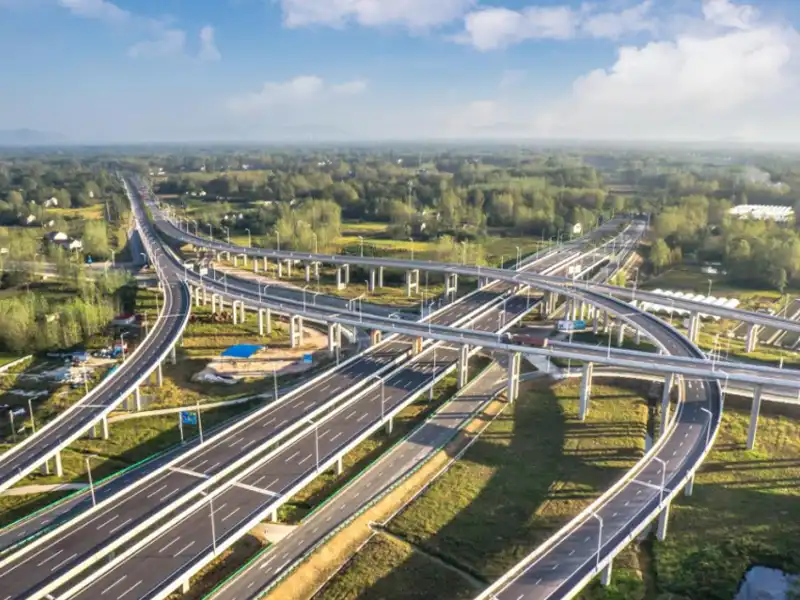
Applications
Road condition sensors are widely used in transportation infrastructure where real-time pavement information is required to improve safety and maintenance efficiency. By monitoring road surface conditions such as ice, snow, water, and temperature changes, these sensors provide critical data for winter management, intelligent transportation, and infrastructure protection.
Highway Winter Safety Management
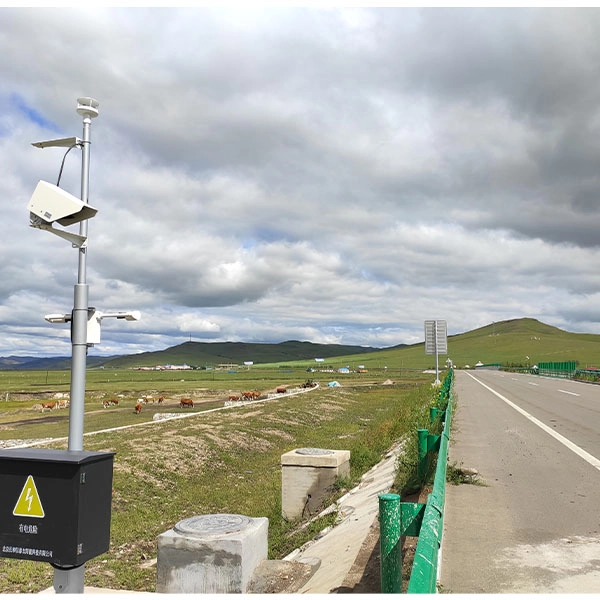
Highway winter safety is one of the most common applications of road condition sensors. In cold regions, these sensors continuously monitor pavement conditions to detect risks such as black ice, freezing surfaces, and snow accumulation. As an important ice detection sensor, it helps road operators optimize salt spreading, plan snow removal operations, and respond quickly to hazardous conditions based on real-time road data rather than manual inspections.
Smart Transportation Systems
In intelligent transportation systems (ITS), road condition sensors provide real-time pavement information for traffic control centers and road management platforms. When integrated with a pavement monitoring system, they support automated road monitoring, early warning functions, and data-driven maintenance decisions by combining road surface information with weather and traffic management data.
Airports and Critical Transportation Infrastructure
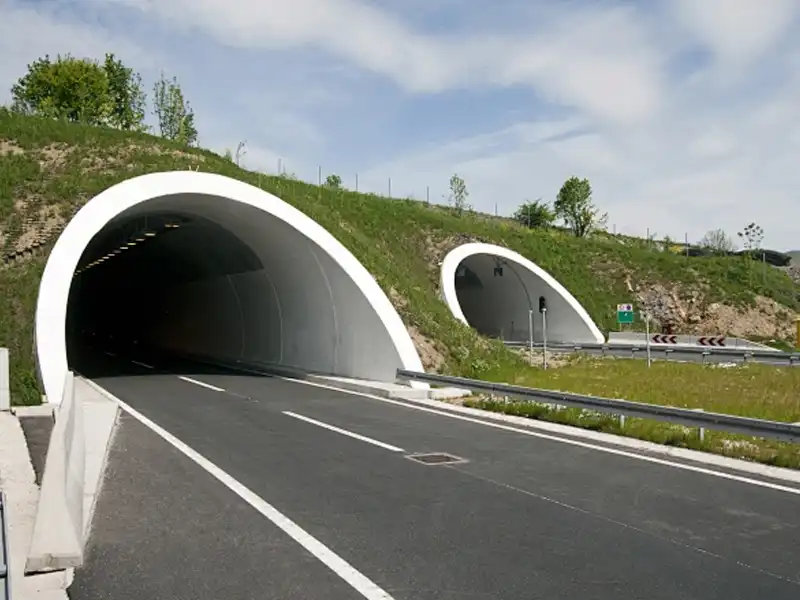
Road condition sensors are also used in critical transportation areas such as airport runways, bridges, mountain roads, and tunnels where changing surface conditions can affect operational safety. By monitoring ice formation, water accumulation, and pavement temperature, these sensors help operators identify potential hazards and improve safety management in challenging environments.
Municipal Road Maintenance
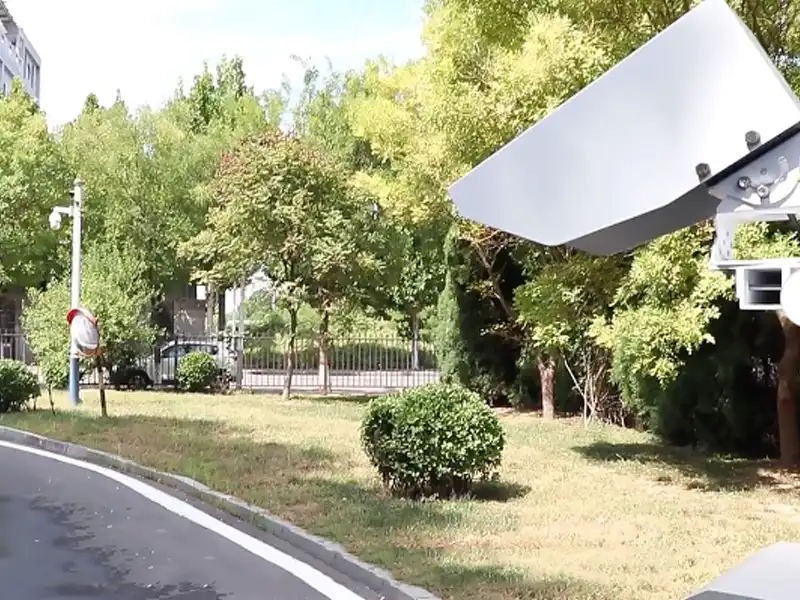
For urban road networks, road condition sensors help municipalities improve maintenance efficiency and reduce unnecessary costs. Real-time pavement data allows maintenance teams to optimize deicing operations, prioritize high-risk areas, and reduce manual inspections, helping cities achieve safer roads with more efficient resource management.

How to Choose a Road Condition Sensor?
Selecting the right road condition sensor requires considering the application environment, detection requirements, communication capability, and long-term maintenance needs. Different road conditions and infrastructure types may require different sensing technologies, so the best solution should be matched with actual monitoring objectives.
Detection Accuracy
Detection accuracy is one of the most important factors when choosing a road condition sensor, especially for applications involving ice and winter road safety. Key considerations include ice detection sensitivity, pavement temperature measurement accuracy, and the false alarm rate of the monitoring system. Sensors with reliable detection performance can identify early icing risks and provide more accurate information for road maintenance decisions.
Installation Environment
The installation location directly affects sensor selection and performance. For highways, bridges, airport runways, and remote areas, factors such as weather exposure, traffic conditions, and accessibility should be considered. Non-contact sensors are often preferred for existing roads because they can monitor pavement conditions without cutting or damaging the road surface, reducing installation impact and maintenance requirements.
Communication and System Integration
Modern road monitoring projects require sensors that can easily connect with existing management platforms. Before selection, users should consider communication options such as RS485, Modbus, wireless communication, and cloud platform integration. Good system compatibility allows road condition data to be shared with traffic control centers, weather monitoring networks, and pavement monitoring systems for centralized management.
Maintenance Requirements
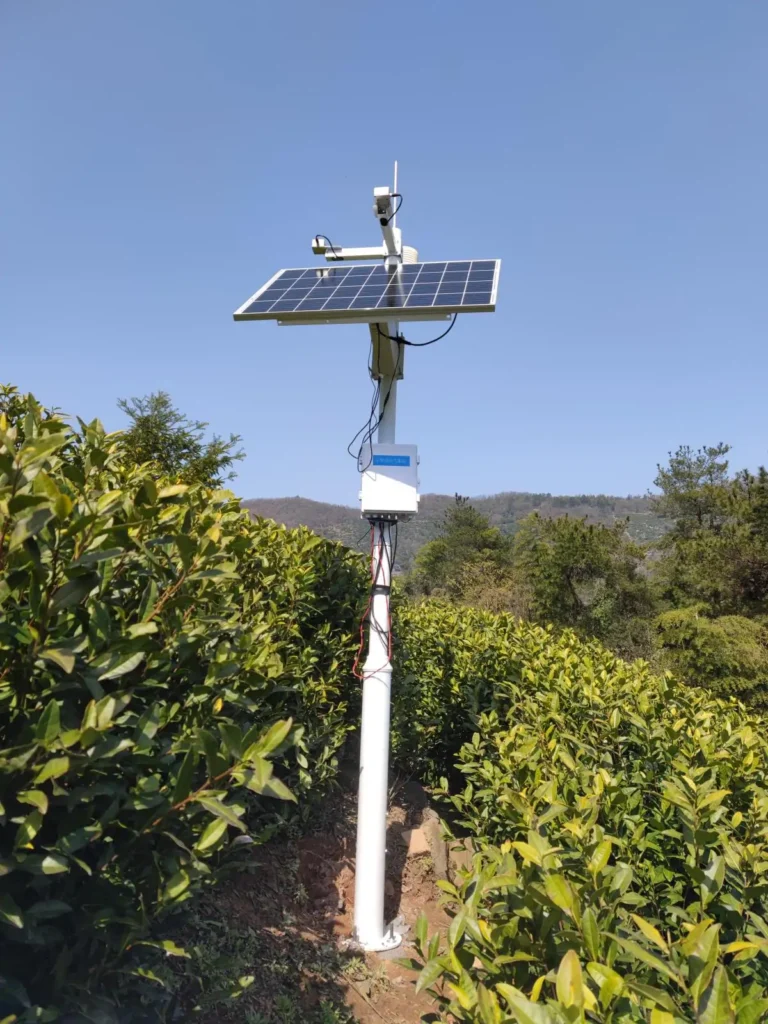
Long-term reliability is essential for outdoor road monitoring applications. Selecting a sensor with non-contact detection technology, weather-resistant housing, and stable operation in harsh environments can reduce maintenance frequency and improve service life. Products designed for continuous outdoor operation are especially suitable for highways, bridges, and other critical transportation infrastructure.
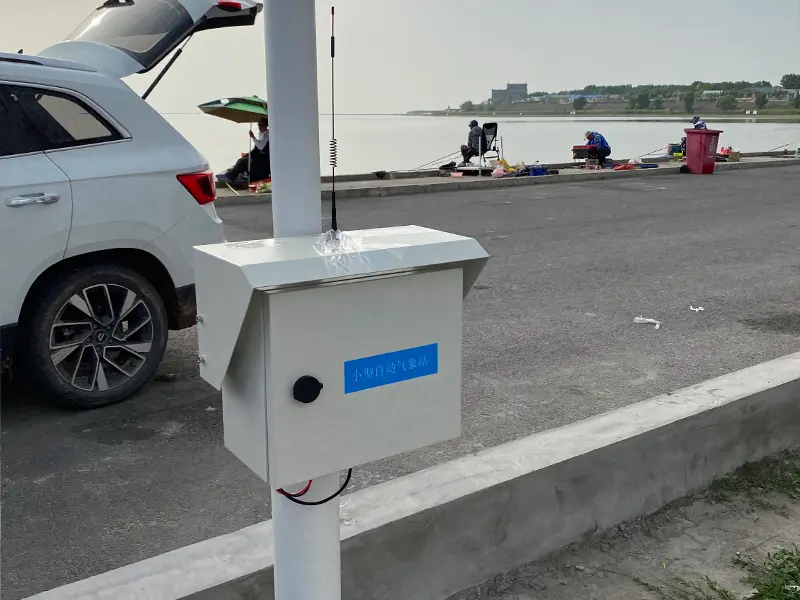

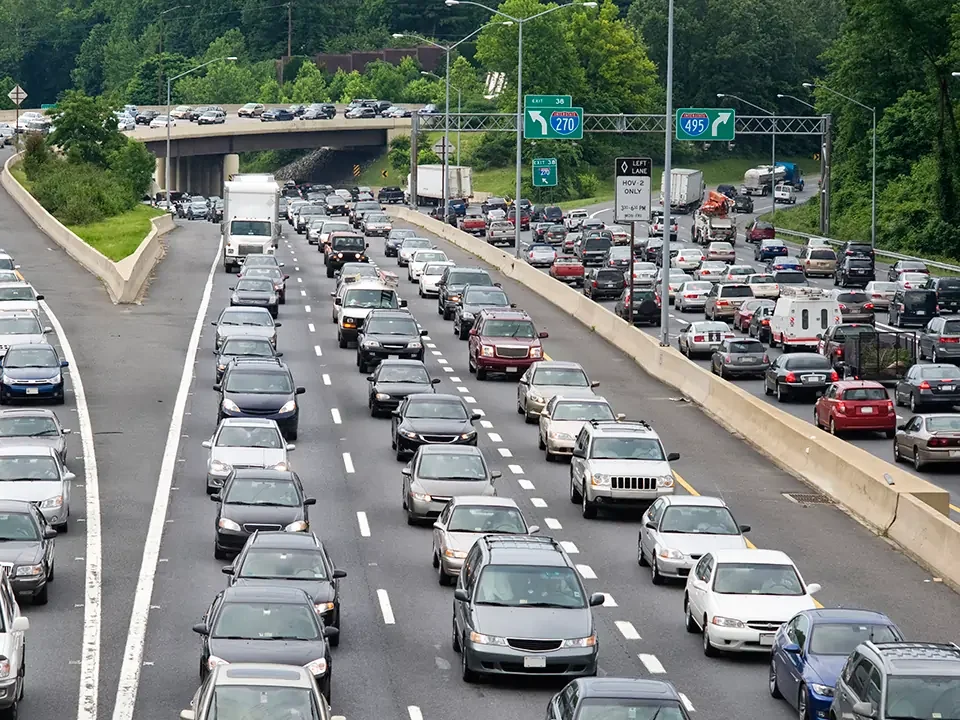

Road Condition Sensor Applications in Smart Road Infrastructure
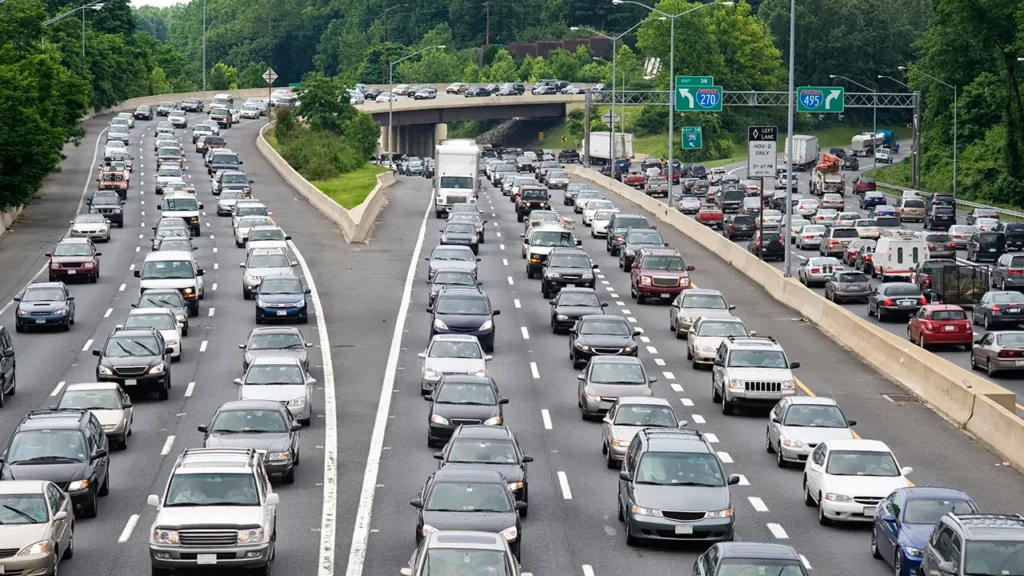
In smart road infrastructure, road condition sensors act as a key data source for Traffic Safety Inspection Solutions by providing real-time information about pavement conditions. Unlike traditional monitoring methods that rely on periodic inspections, these sensors enable continuous road status assessment and help digital platforms understand actual pavement conditions in changing environments.
When connected with a pavement monitoring system, road condition sensors can work together with traffic management platforms, road weather networks, and maintenance systems to support automated decision-making. This data-driven approach helps transportation authorities improve monitoring efficiency, optimize maintenance planning, and build safer and more responsive smart transportation networks.


Conclusion
Road condition sensors provide real-time information about pavement conditions, including ice, snow, water, and surface temperature. Unlike traditional weather monitoring devices, they directly analyze road surface conditions and provide valuable data for improving road safety, optimizing maintenance operations, and supporting intelligent transportation management.
For highway operators, municipalities, and smart transportation projects, selecting a reliable road condition sensor with accurate detection performance, stable operation, and easy system integration is essential for building safer and more efficient road networks. Contact our professional engineering team to discuss your specific application requirements and find the right road condition monitoring solution for your project.