Introduction
Solar farms operate in constantly changing environmental conditions, where solar irradiance, temperature, wind, and other weather factors directly influence energy production and plant performance. Because these conditions vary across locations and throughout the day, understanding the actual environment at the site is essential for efficient plant operation.
To capture these changing conditions, modern solar farms use PV weather stations to continuously monitor solar irradiance, ambient and module temperature, wind speed, humidity, rainfall, and other key environmental parameters. With accurate site-specific data, operators can evaluate plant performance, identify weather-related performance changes, plan maintenance more effectively, improve energy management, and provide reliable inputs for PV power forecasting. For utility-scale and commercial PV projects, a PV weather station has become an essential part of a modern solar farm monitoring system.If you want to learn how to increase solar farm output using environmental sensors, click on the article.
What Is a Solar Photovoltaic Environmental Monitoring Station?
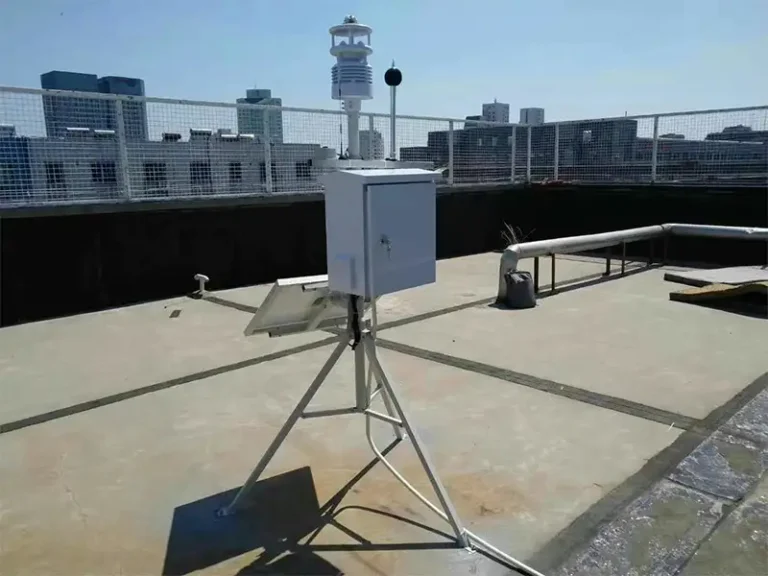
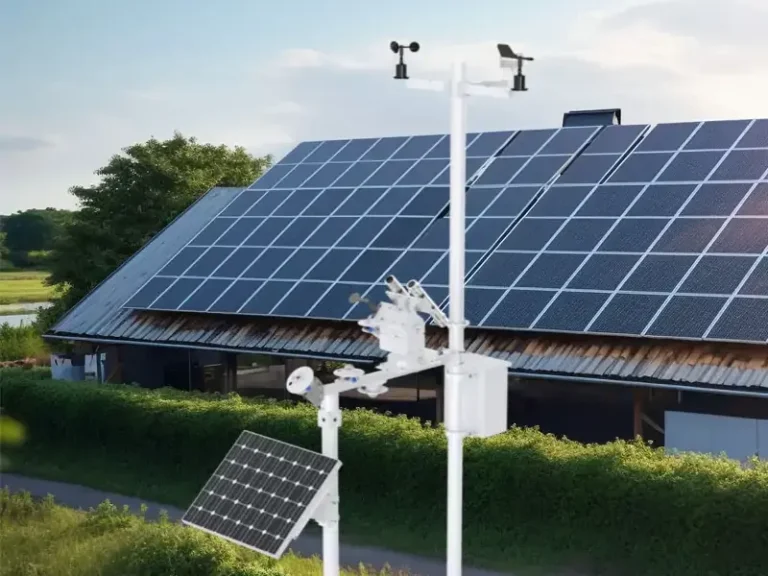
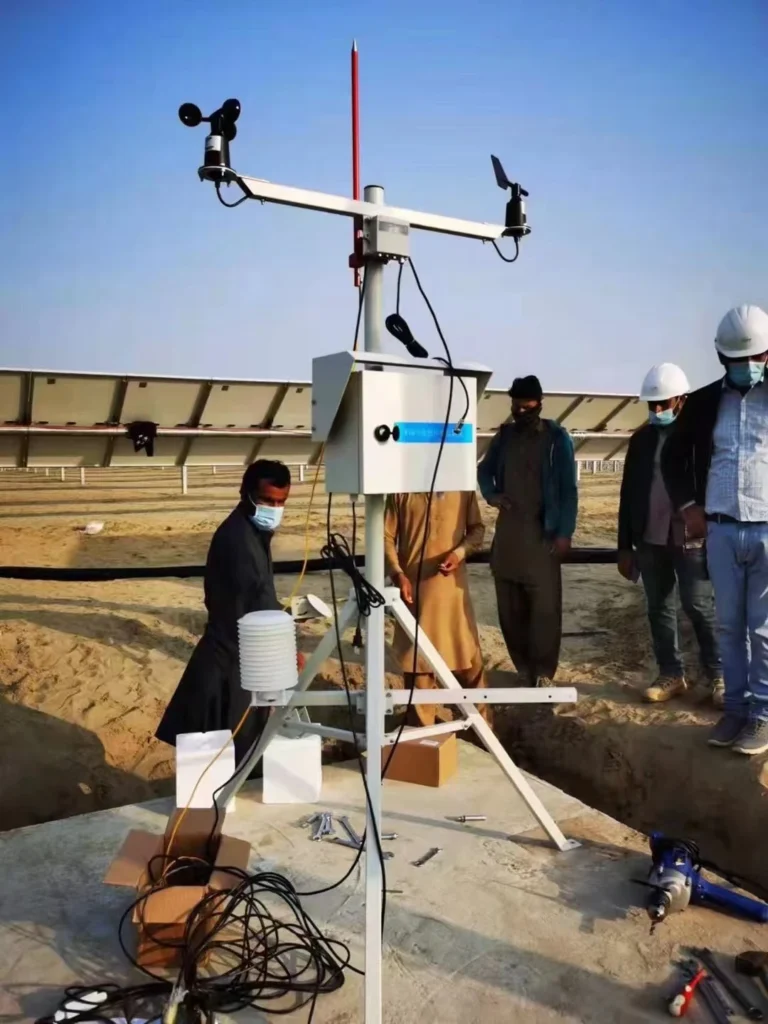
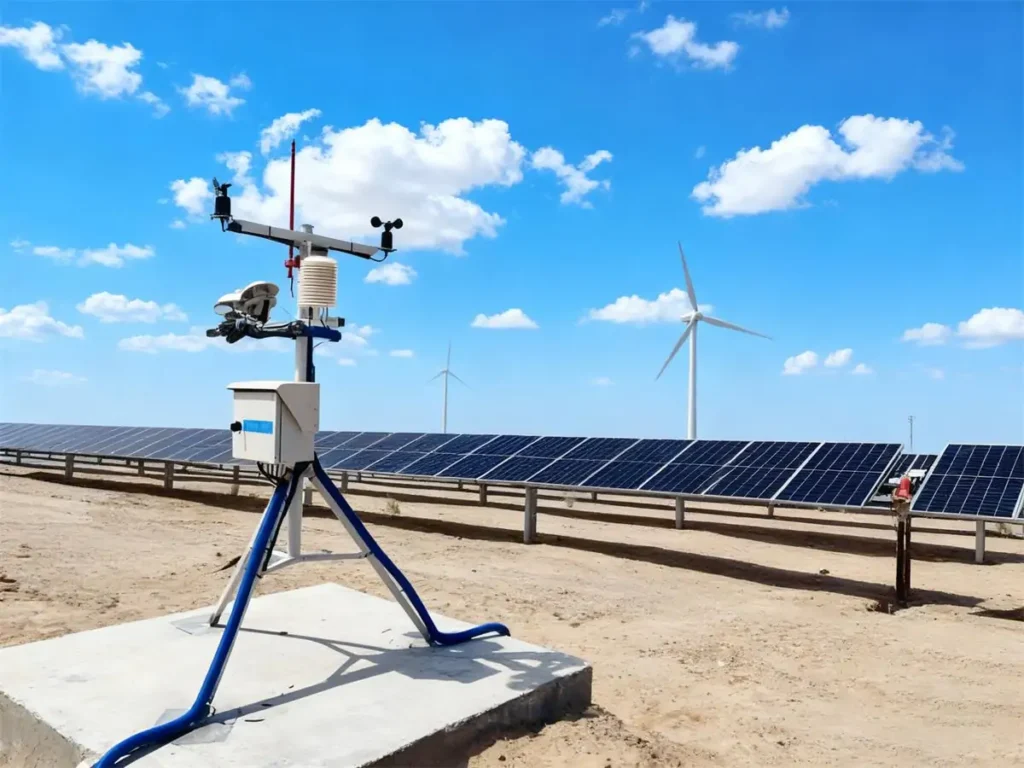
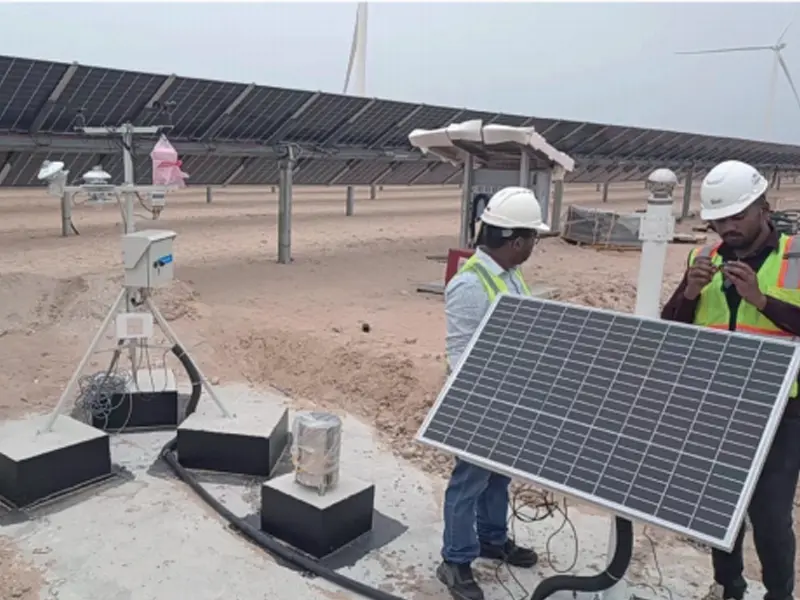
A PV weather station is a weather monitoring system installed at a solar farm to measure the environmental conditions that affect photovoltaic power generation. It continuously collects site-specific weather data, providing operators with an accurate picture of the conditions surrounding the PV array.
Typical measurements include solar irradiance, ambient and module temperature, wind speed, wind direction, humidity, and rainfall. By monitoring these parameters at the project site, operators can evaluate plant performance, support daily operation and maintenance, and make better operational decisions throughout the life of the solar farm.
Why Is a PV Weather Station Critical for Solar Farms?
Weather directly affects the output and operation of a solar farm. A PV weather station records the environmental conditions that influence photovoltaic generation, giving operators the data needed to evaluate plant performance, plan maintenance, manage daily operations, and reduce weather-related risks throughout the life of the plant.
Enables Accurate Solar Resource Assessment
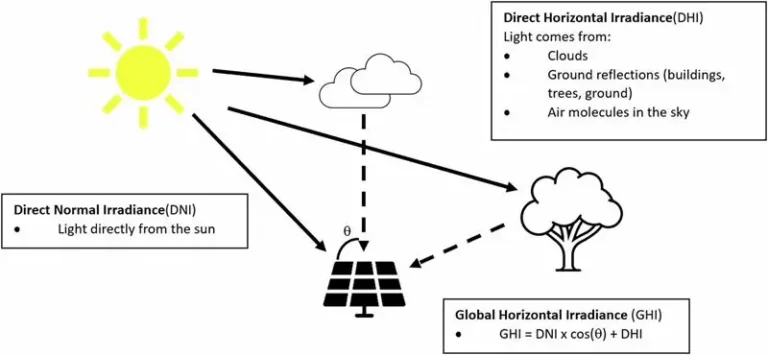
Solar irradiance is the primary energy source for photovoltaic generation. Together with ambient and module temperature, it provides the baseline for evaluating site conditions and plant performance.
The data is used to estimate energy yield, calculate performance ratio (PR), compare actual and expected generation, and assess long-term solar resource conditions.
Identifies the Causes of Performance Losses
Lower power output is not always caused by equipment faults. Cloud cover, high temperatures, seasonal weather, and dust can all reduce generation under normal operating conditions.
Comparing weather data with operating data makes it easier to determine whether losses are caused by environmental conditions or by issues such as soiling, shading, inverter faults, or module degradation.
Improves Operation and Maintenance
Weather conditions influence maintenance planning as well as plant performance. Historical weather records provide useful context for equipment inspections, preventive maintenance, and performance analysis.
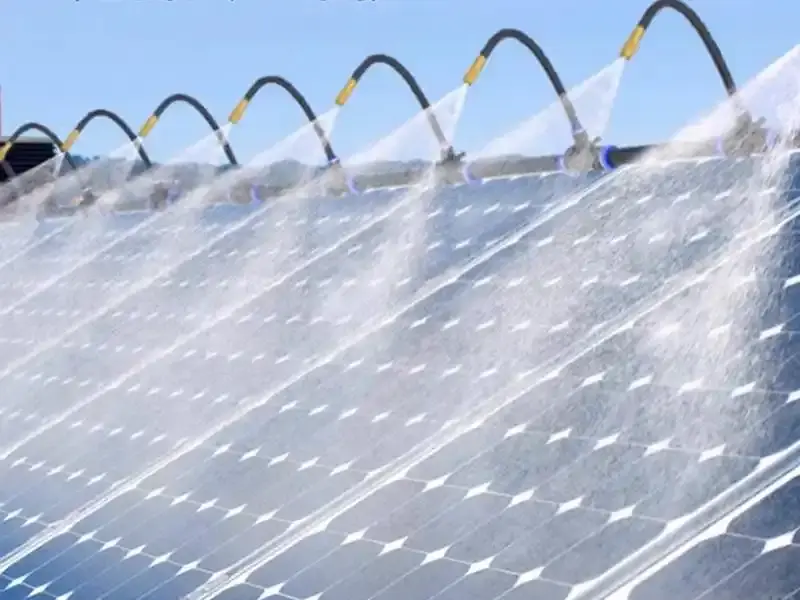
Rainfall, irradiance, and temperature data can also be used to optimize module cleaning schedules and improve maintenance efficiency.
Supports Energy Management
Power generation changes throughout the day as weather conditions change. On-site measurements give operators a more accurate understanding of production patterns than regional weather data alone.
Combined with plant monitoring systems, this information supports operational planning, grid coordination, and short-term PV power forecasting.
Reduces Weather-Related Risks
Solar farms operate under changing weather conditions throughout their service life. Strong winds, heavy rainfall, snow, and extreme temperatures can all affect equipment reliability and plant operation.
Continuous weather monitoring allows operators to respond earlier, reduce weather-related risks, and maintain stable plant operation.
What Data Does a PV Weather Station for Solar Farms Monitor?
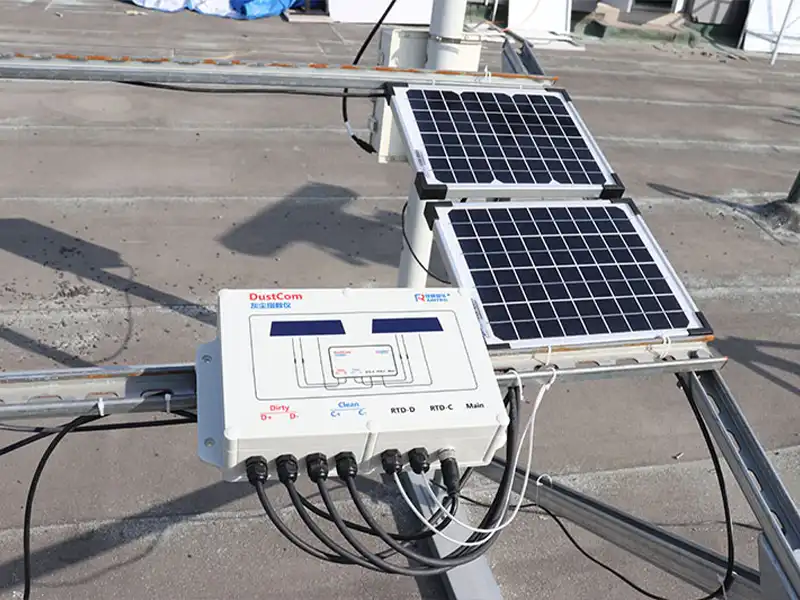
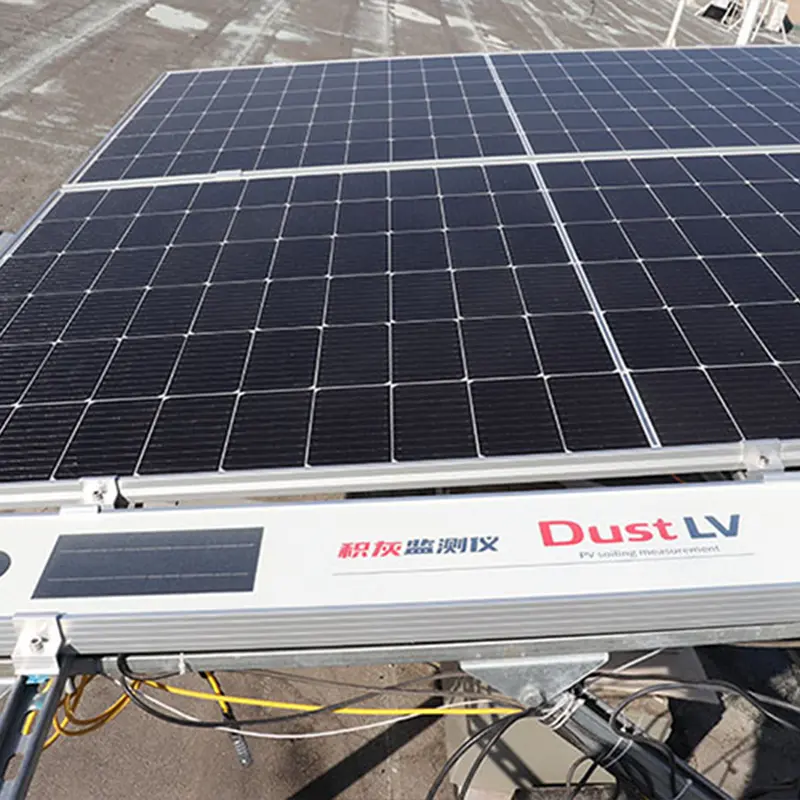
A PV weather station for solar farms monitors the environmental conditions that directly affect photovoltaic power generation and plant operation. While monitoring requirements vary by project size and design, most systems measure the following key parameters.
| Parameter | Purpose |
| Solar Irradiance | Measure available solar energy |
| Module Temperature | Evaluate efficiency losses |
| Ambient Temperature | Monitor operating conditions |
| Wind Speed & Direction | Assess weather conditions |
| Relative Humidity | Monitor site environment |
| Rainfall | Support cleaning planning |
| Atmospheric Pressure (Optional) | Supplement weather analysis |
PV Environmental Monitoring Station vs Standard Weather Station.
Regional weather data can provide general weather information, but it may not accurately represent the actual conditions inside a solar farm. A PV weather station collects measurements directly from the plant site, providing reliable environmental data for performance evaluation, operation and maintenance, and long-term plant management.
| Aspect | Regional Weather Data | PV Weather Station Data |
| Data Source | Nearby weather stations or weather models | Sensors installed at the PV plant site |
| Location | Regional coverage | Solar farm location |
| Solar Irradiance | Estimated or indirect data | Direct irradiance measurement |
| Accuracy | Regional average conditions | Site-specific measurements |
| Application | General weather analysis | PV performance evaluation, O&M, and plant management |
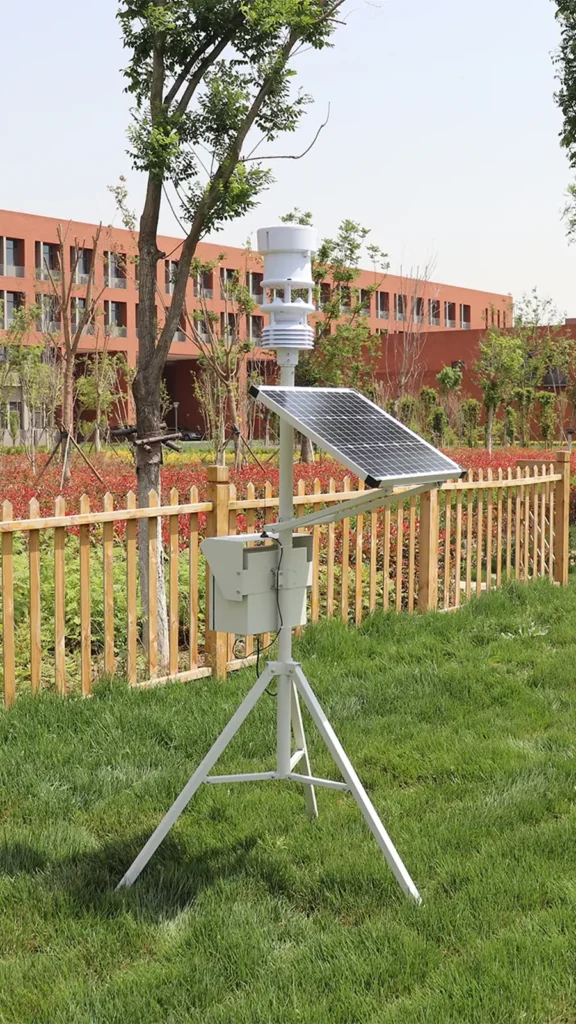
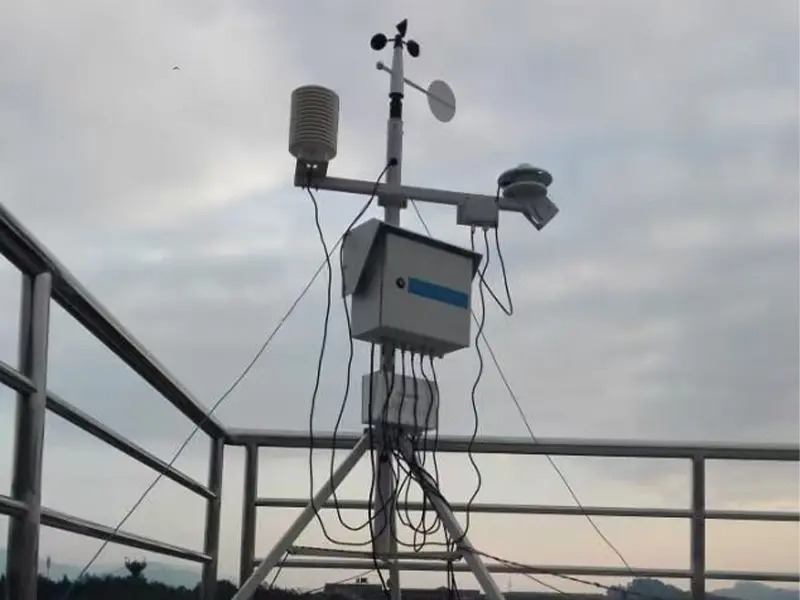
Main Components
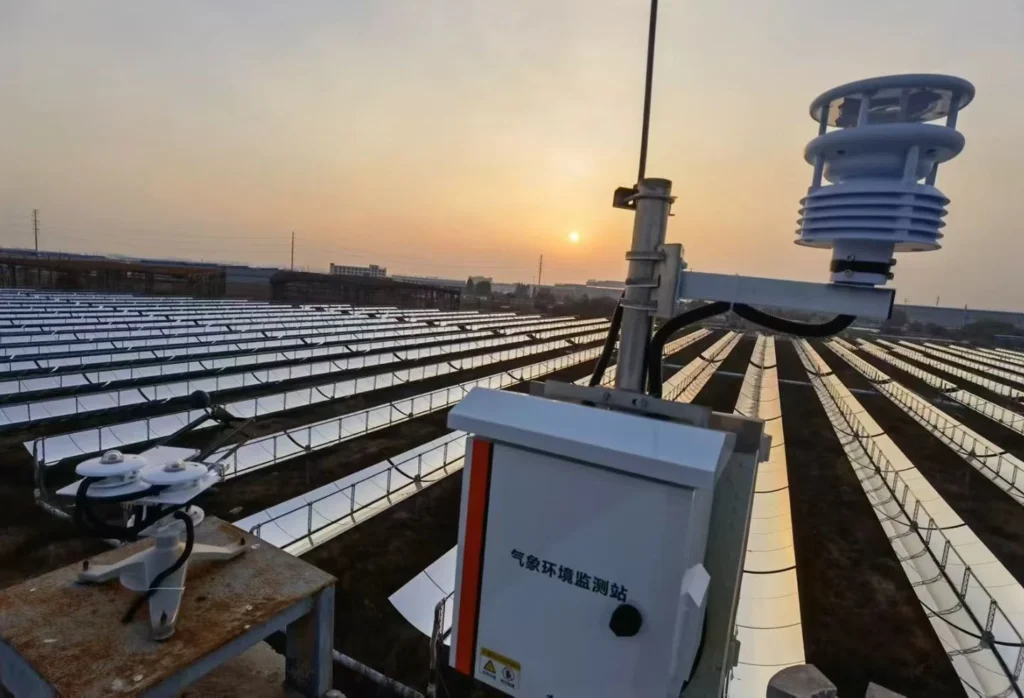
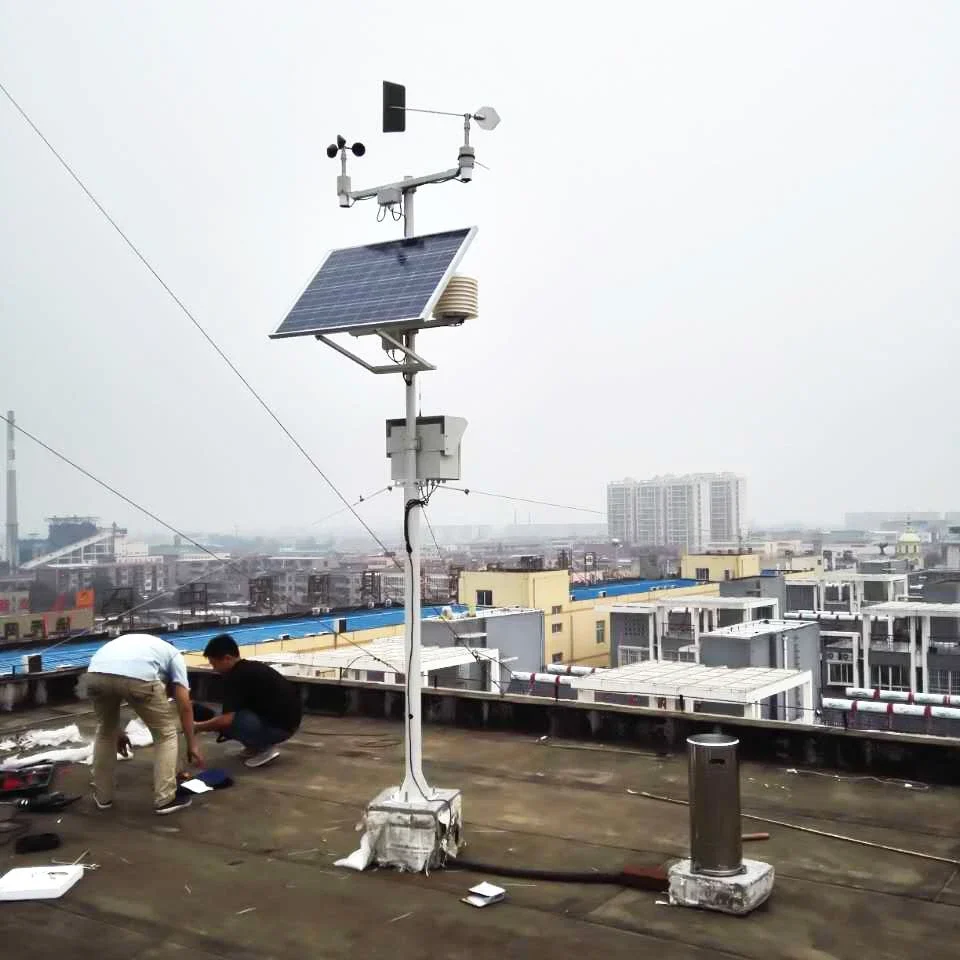
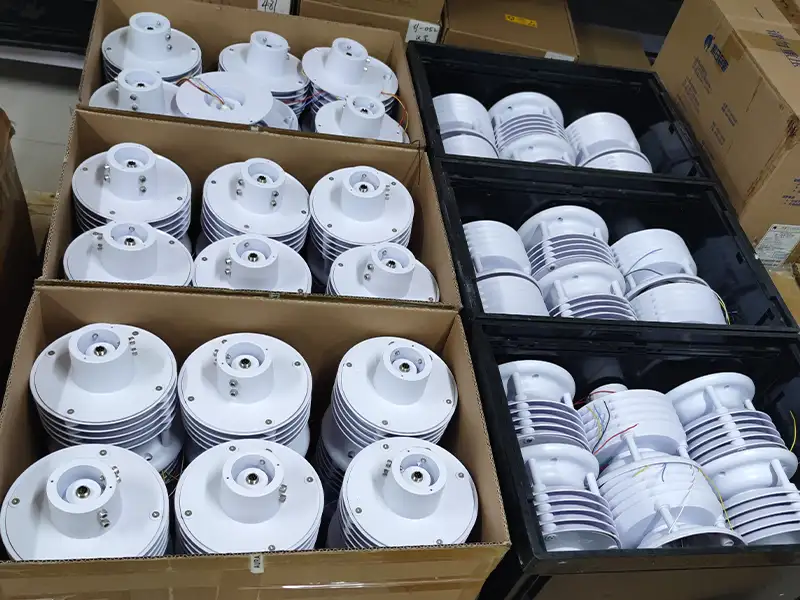
A solar farm weather monitoring system combines sensors, data acquisition, communication, and monitoring units to collect and manage environmental data from solar farms.
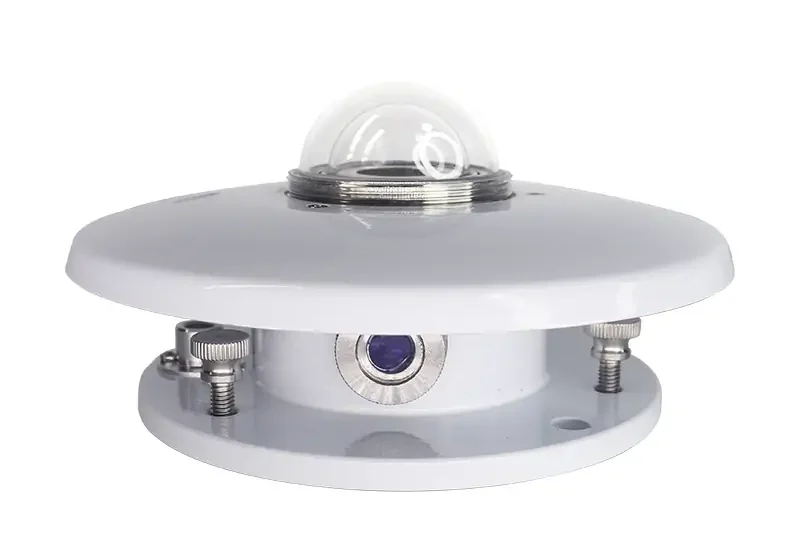
- Solar Radiation Sensors
Measure solar irradiance to monitor solar resource conditions at the PV site. - Temperature Sensors
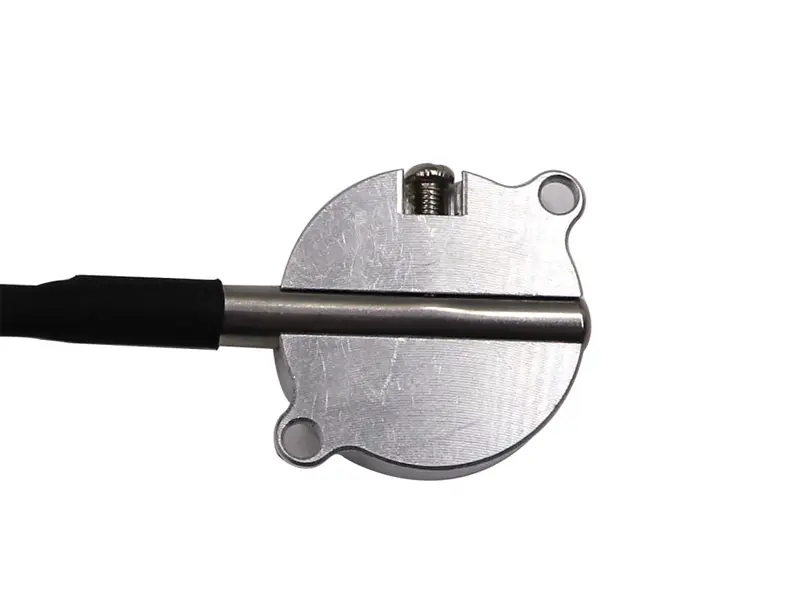
Monitor ambient and module temperature to evaluate thermal conditions affecting PV operation. - Wind Sensors
Collect wind speed and direction data for weather condition monitoring. - Data Logger
Collects, processes, and stores data from connected sensors. - Communication System
Transfers monitoring data through 4G/5G, LoRa, Wi-Fi, or RS485 for remote access. - Power Supply and Protection System
Provides stable power through solar panels, batteries, and charge controllers while ensuring outdoor durability. - Monitoring Platform
Displays real-time data, historical records, alarms, and system status.
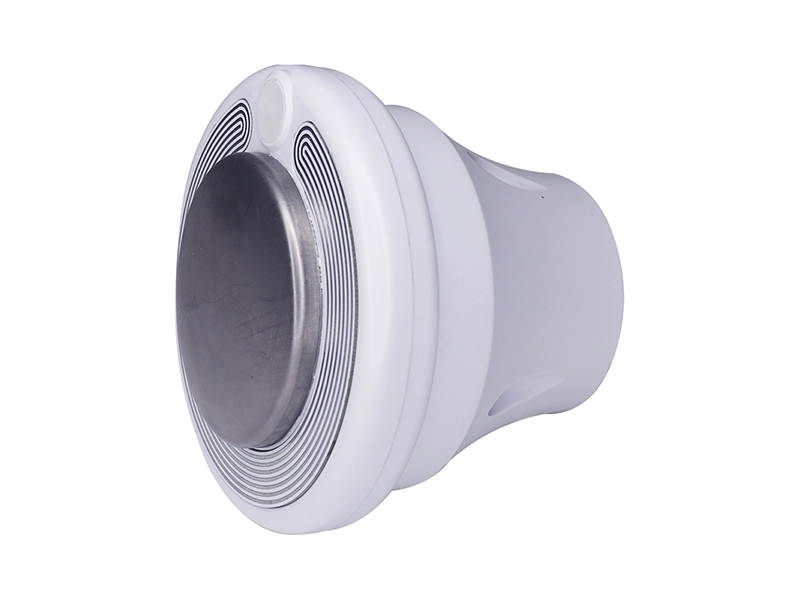
PV Weather Station Installation Considerations
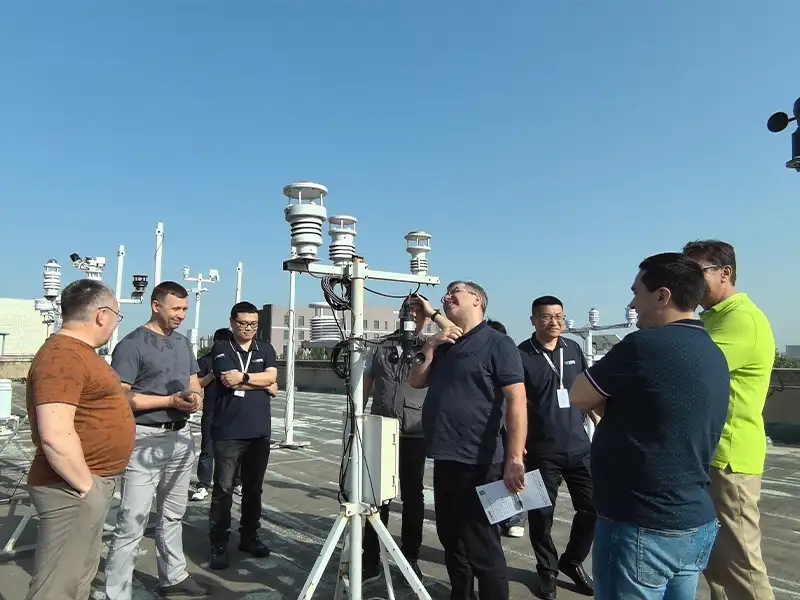
Proper installation is essential for obtaining reliable weather data from a PV weather station. Correct sensor placement, orientation, calibration, and maintenance help ensure accurate measurements and stable long-term operation in solar farms.
| Factor | Key Requirement |
| Installation Location | Open area, no shading, away from heat sources and interference. |
| Sensor Orientation | Correct tilt and position for accurate measurements. |
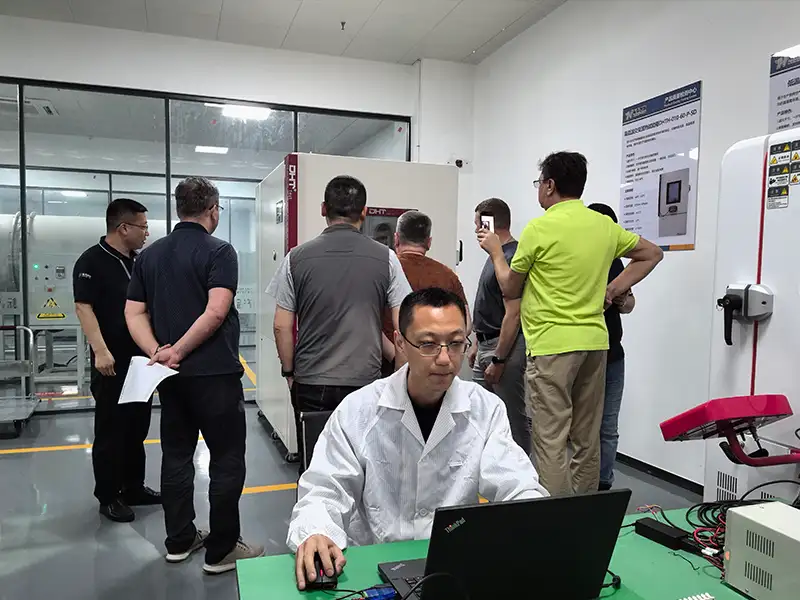
| Calibration | Regular calibration to maintain data accuracy. |
| Maintenance | Clean sensors and check equipment regularly. |
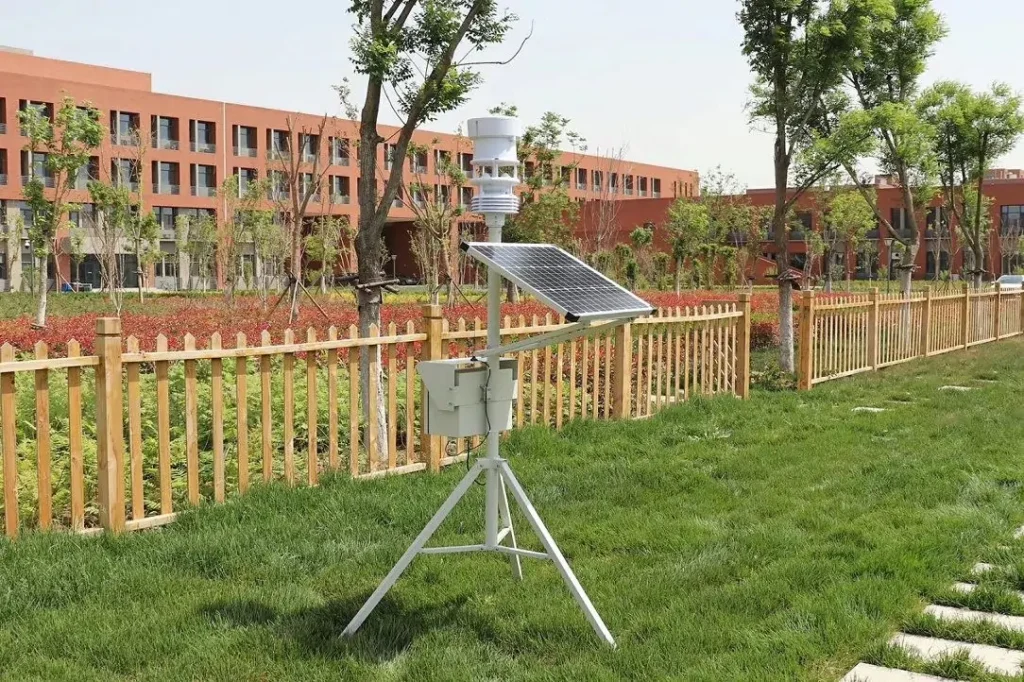
Applications
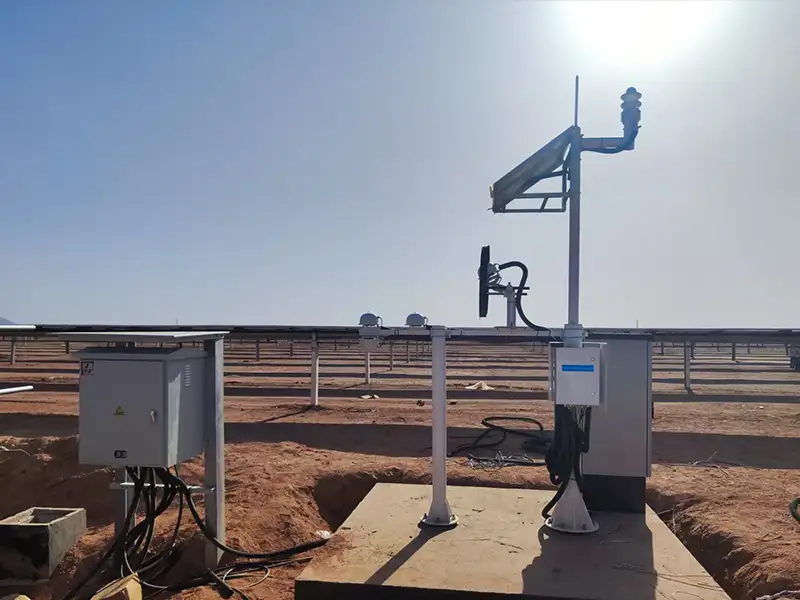
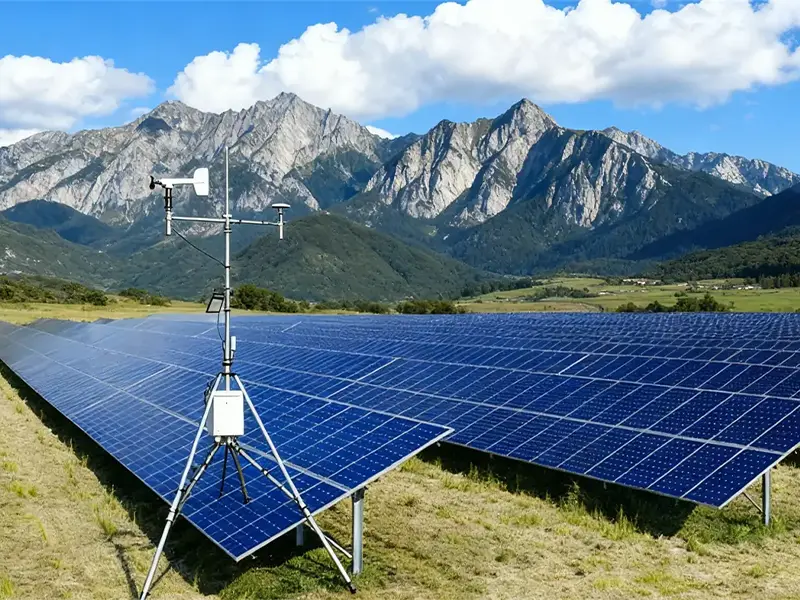
PV weather stations for solar farms are widely used in solar projects where accurate environmental monitoring is required. They provide real-time weather data to support PV performance evaluation, operation management, and long-term plant reliability.
Utility-Scale Solar Farms
Utility-scale solar farms are the primary application for PV weather stations. They monitor irradiance, temperature, and weather conditions to support plant performance analysis and daily operation.
Commercial PV Plants
Commercial PV plants use weather stations to track local environmental conditions that may affect energy production, helping operators improve maintenance planning and system management.
Hybrid Renewable Energy Projects
In hybrid projects combining solar with wind, storage, or other energy systems, PV weather stations provide environmental data for coordinated operation and energy management.
Solar Research Facilities
Research facilities use PV weather stations for high-accuracy environmental measurements, supporting solar technology testing, performance studies, and system optimization.
How to Select a PV Weather Station for Solar Farms?
Selecting the right PV weather station for solar farms is essential for obtaining reliable environmental data throughout the plant lifecycle. The selection should focus on sensor accuracy, environmental durability, communication compatibility, and data integration to ensure stable monitoring and effective plant management.
Sensor Accuracy
Accurate measurement is the foundation of reliable PV performance analysis. Solar irradiance is especially important because it directly affects solar resource evaluation and energy yield assessment.
Sensors should provide stable and calibrated measurements of irradiance, module temperature, ambient temperature, and other key environmental parameters.
Environmental Durability
PV weather stations operate outdoors and must withstand long-term exposure to sunlight, wind, rain, dust, and temperature changes.
For remote solar farms, the system should have strong weather protection, corrosion resistance, UV resistance, and reliable performance under harsh conditions.
Communication Compatibility
The communication system should match the existing infrastructure of the solar plant. Common options include RS485, Modbus, Ethernet, 4G/5G, and wireless communication.
Compatible communication methods ensure stable data transmission and convenient remote monitoring.
Data Integration Capability
Weather data becomes more valuable when integrated with plant monitoring platforms, SCADA systems, or energy management systems.
Good integration capability allows operators to combine environmental measurements with operating data for performance analysis, maintenance planning, and future system upgrades.
Conclusion
A PV weather station is an essential part of solar farm management, providing accurate site-specific environmental data for performance evaluation, operation, maintenance, and asset management. Compared with regional weather data, on-site monitoring helps operators better understand actual plant conditions and make more reliable decisions.
A properly selected and installed PV weather monitoring system supports stable operation and long-term performance throughout the solar plant lifecycle. By considering sensor accuracy, system integration, and installation requirements, solar operators can build a more reliable monitoring solution.
Get in touch with our experts to design a reliable PV Weather Station for Solar Farms solution tailored to your site conditions and monitoring requirements.