

XF400 Integrated Weather Station Sensors
The XF400 combines four weather station sensors for temperature, humidity, atmospheric pressure, and optical rainfall measurement in one compact unit. It supports RS485/Modbus RTU communication for integration with compatible data acquisition systems.
|
Parameter |
Specification |
|---|---|
|
Air Temperature |
-40 to 85°C; ±0.3°C at 25°C |
|
Relative Humidity |
0–100%RH; ±3%RH (10–90%, non-condensing) |
|
Atmospheric Pressure |
500–1100 hPa; ±0.5 hPa (950–1100 hPa at 25°C) |
|
Optical Rainfall |
0–200 mm/h; 0.01 mm resolution |
US$338.14–405.77/ Unit
Introduction
The XF400 Integrated Weather Station collects meteorological data through its built-in sensing components and transmits the measurements to compatible data acquisition systems via RS485 using the Modbus RTU protocol. Its integrated design combines multiple measurement functions within one unit, reducing the need for separate sensor installation, additional wiring, and individual device connections. This makes the XF400 suitable for outdoor monitoring projects that require centralized meteorological data collection, including agricultural, environmental, and microclimate monitoring applications.For a broader overview of meteorological instruments and their measurement functions, read our guide to 18 Types of Weather Instruments and Their Uses.
Weather Station Sensors: XF400 Components and Structure
The XF400 integrates four weather station sensors for air temperature, relative humidity, atmospheric pressure, and rainfall monitoring, along with data processing, communication, and protective components.To understand how different rain gauge technologies detect and record precipitation, see our guide to How Is Rainfall Measured? Rain Gauge Types and Methods.
- Air Temperature Sensor: Measures air temperature from -40 to 85°C, with ±0.3°C accuracy at 25°C and 0.01°C resolution.
- Relative Humidity Sensor: Measures atmospheric relative humidity from 0 to 100%RH, with ±3%RH accuracy within 10%–90%RH under non-condensing conditions.
- Atmospheric Pressure Sensor: Measures atmospheric pressure from 500 to 1100 hPa, with ±0.5 hPa accuracy at 25°C within the 950–1100 hPa range.
- Optical Rainfall Sensor: Measures rainfall intensity from 0 to 200 mm/h, with 0.01 mm resolution and a 1 Hz sampling frequency.
- Data Processing and Communication Module: Converts sensor signals into digital data and transmits measurements through RS485 using the Modbus RTU protocol.
- Data Acquisition Software: XF_PcSoft V1.0 supports meteorological data reading, display, and statistical analysis.
- Radiation Shield: Uses a PC-fiber composite structure with an internal insulation coating to reduce solar radiation interference.
- Mounting Structure and Communication Cable: Supports standard sleeve mounting and optional flange-plate or bent-plate mounting, with a standard 3-meter cable and optional 10-meter cable.
- Power Supply System: Supports DC 9–30V input.

XF400 Dimensions

Specifications
The following table lists the XF400’s measurement ranges, accuracy, resolution, sampling frequency, communication interface, power supply, and installation specifications.
Parameters
| Parameters | Measuring Range | Accuracy | Resolution | Sampling Frequency |
| Ambient Temperature | -40-85℃ | ±0.3℃@25℃ | 0.01℃ | 1HZ |
| Relative Humidity | 0-100%RH | ±3%RH (10%-90%RH, No Condensation) | 0.01%RH | 1HZ |
| Atmospheric Pressure | 500-1100hPa | ±0.5hPa(25℃,950-1100hPa) | 0.1hPa | 1HZ |
| Optical Rainfall | 0-200mm/h | — | 0.01mm | 1HZ |
| Operating Temperature | -40℃-80℃ | |||
| Output | Standard product with RS485 interface, ModbusRTU;Customization option SDI-12(Extra costs apply) | |||
| Maximum Output Frequency | Passive Mode: 1/S Active Mode: 1/min | |||
| Power Supply | DC9-30V | |||
| Level of Protection | IP65 | |||
| Mounting Manner | Standard Product is sleeve fixed (Optional: matching parts, extra costs apply, see Accessory and Parts) | |||
| Fixed Trestle | Optional: 1.5 meter, or 1.8 meter bracket (extra cost apply) | |||
| Cable | 3 meter cable line (Optional: 10 meter cable line available for extra cost ) | |||
XF400 Product Details Show
The following images show the XF400’s external structure, dimensions, and mounting details for installation reference.


Mounting Accessories and Installation Methods
The following images show compatible adapters and mounting accessories for the XF400 weather station sensors, helping users identify suitable components for installation and system integration.


Flange Mounting Method
Bent Plate Mounting Method
Main Features
The XF400 integrates multiple weather station sensors into one compact unit, with practical mounting options, a radiation shield, and standard digital communication for outdoor meteorological monitoring.
Compact Integrated Design
Integrates four meteorological measurement functions and signal processing electronics within one housing. The compact structure reduces the need for separately installed sensors and associated connections.
Flexible Mounting Options
Supports standard sleeve mounting, with optional flange-plate and bent-plate configurations. Mounting brackets and extended cables are available for different installation requirements.
Radiation Shield Design
Features a PC-fiber composite radiation shield with an internal insulation coating to reduce direct solar radiation effects on air temperature and relative humidity measurements.
Data Communication and Software Support
Uses RS485 with Modbus RTU as standard, with optional SDI-12 communication. XF_PcSoft V1.0 supports sensor data reading, display, and testing.
Applications
The XF400 weather station sensors measure air temperature, relative humidity, atmospheric pressure, and optical rainfall. These parameters support agricultural weather monitoring, environmental monitoring, transportation weather monitoring, and photovoltaic weather monitoring projects.To explore how meteorological data supports agriculture, environmental management, transportation, and other industries, read our guide to Applications of Weather Monitoring System Across Different Industries.
Agricultural Meteorological Monitoring
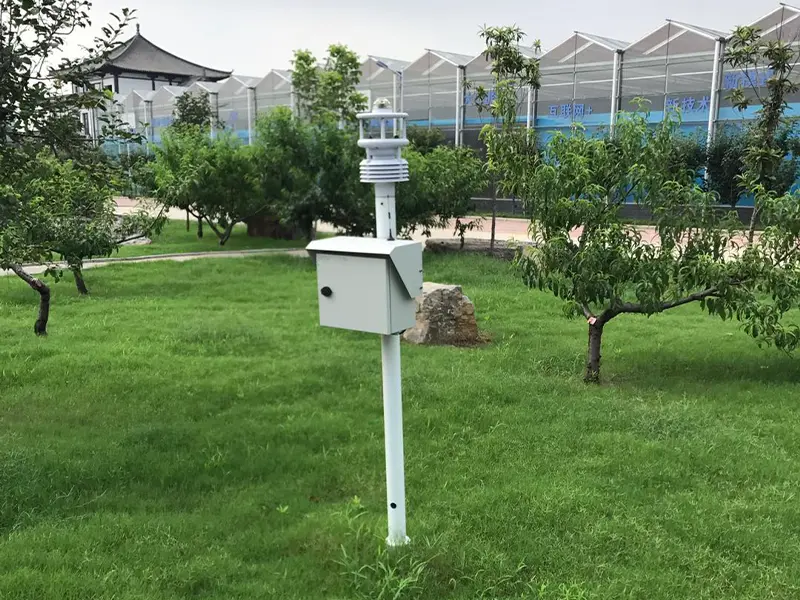
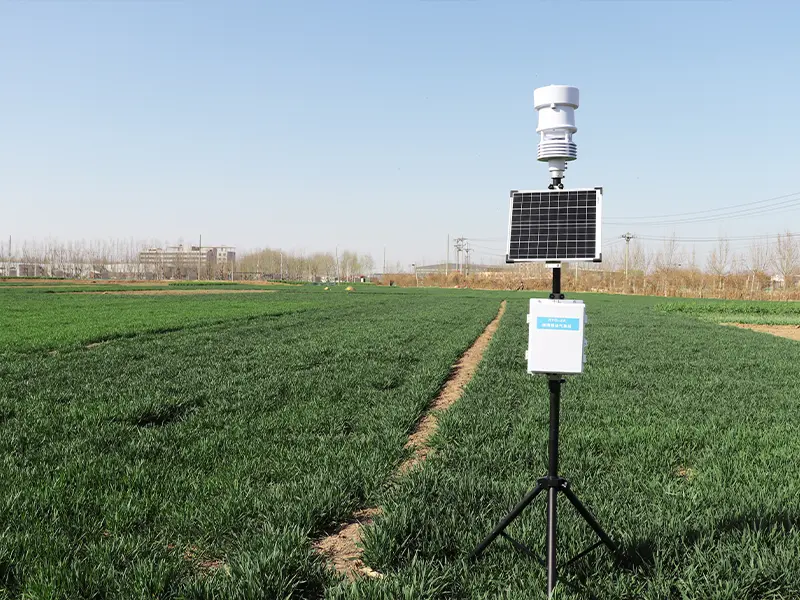
For agricultural weather monitoring, the XF400 records field temperature, humidity, atmospheric pressure, and rainfall. These measurements help users assess local weather conditions and plan irrigation and field operations.
Environmental and Microclimate Monitoring
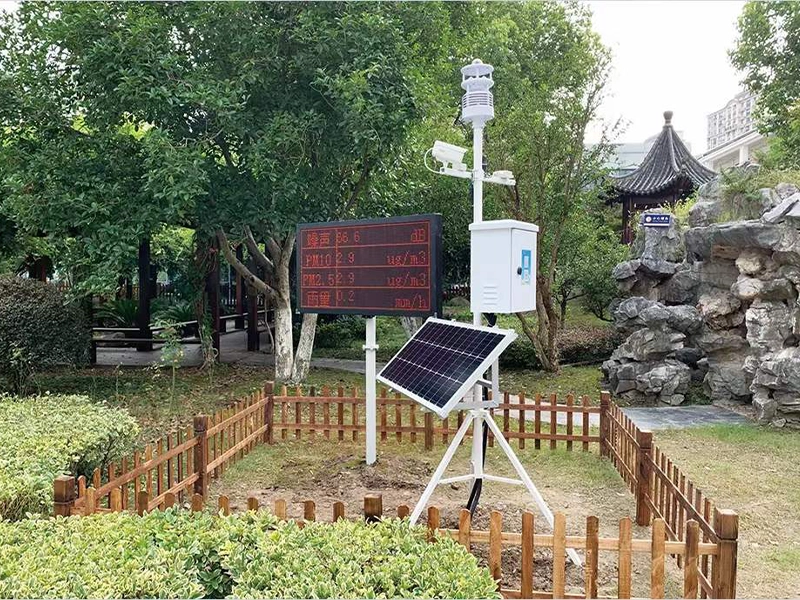
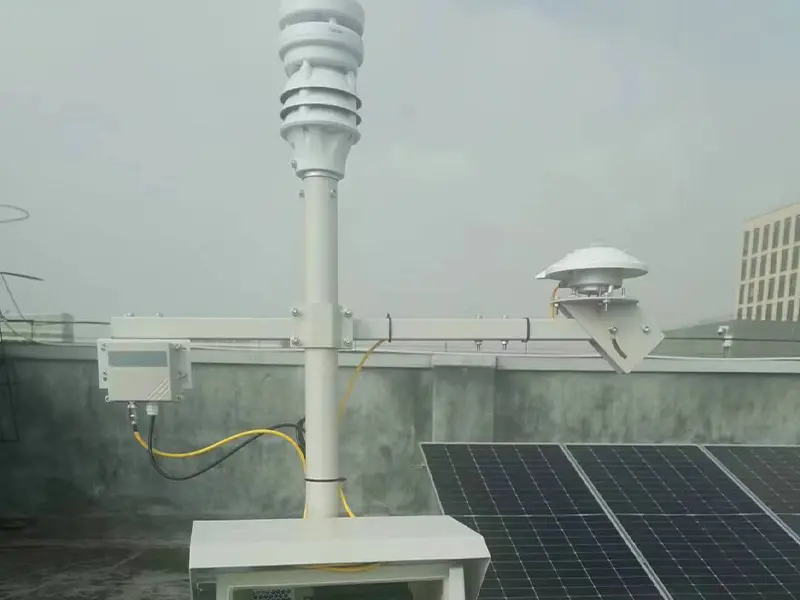
The XF400 serves as one of the environmental monitoring sensors used at outdoor sites such as parks and industrial facilities. Multiple units can collect local temperature, humidity, pressure, and rainfall data for microclimate monitoring across different locations.
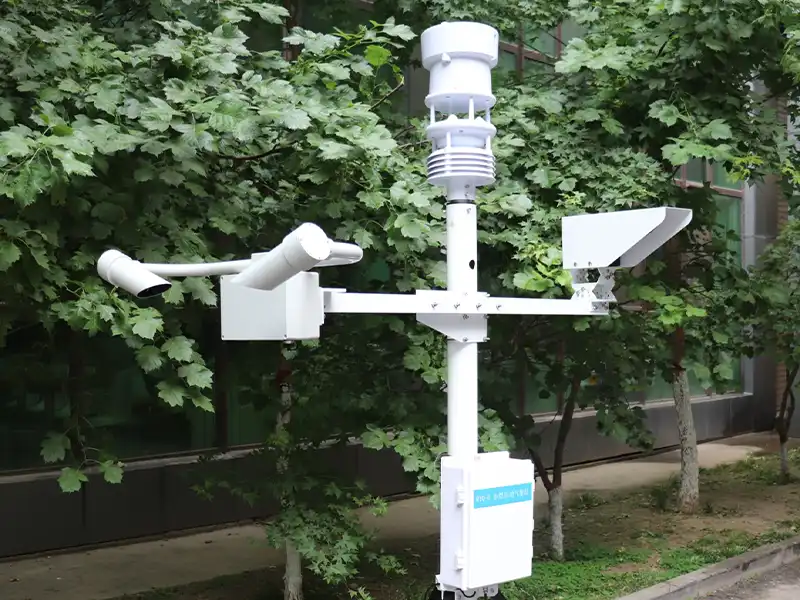
Transportation Meteorological Monitoring
For transportation weather monitoring, the XF400 collects roadside temperature, humidity, atmospheric pressure, and rainfall data. These measurements provide basic meteorological information for road environment assessment, but do not replace systems requiring wind or visibility monitoring.
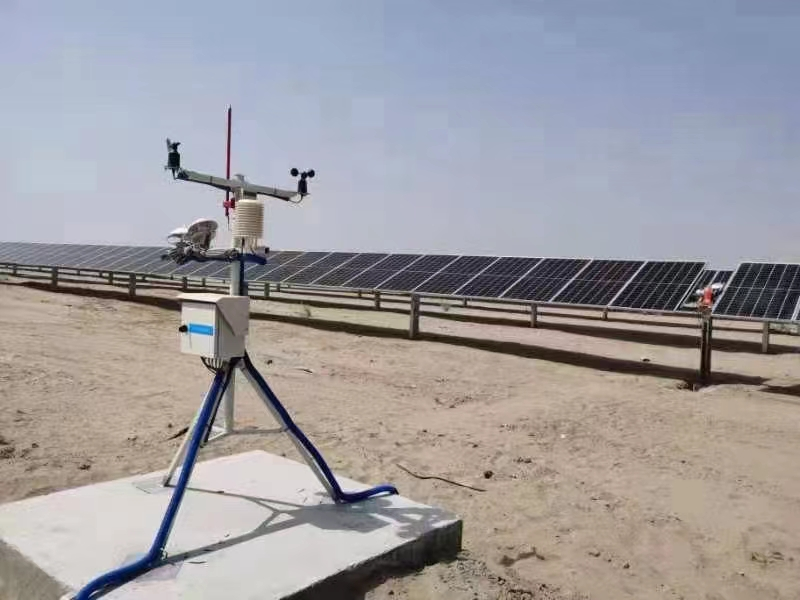
Photovoltaic Environmental Monitoring
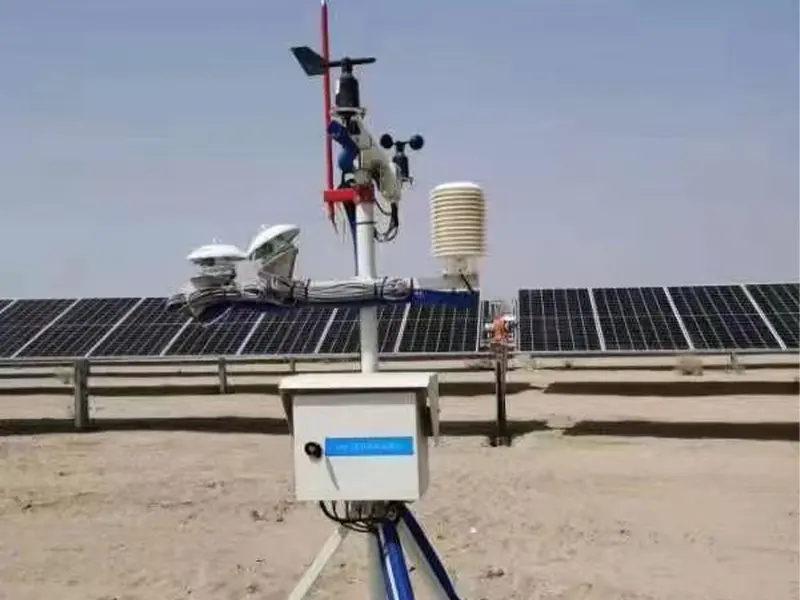
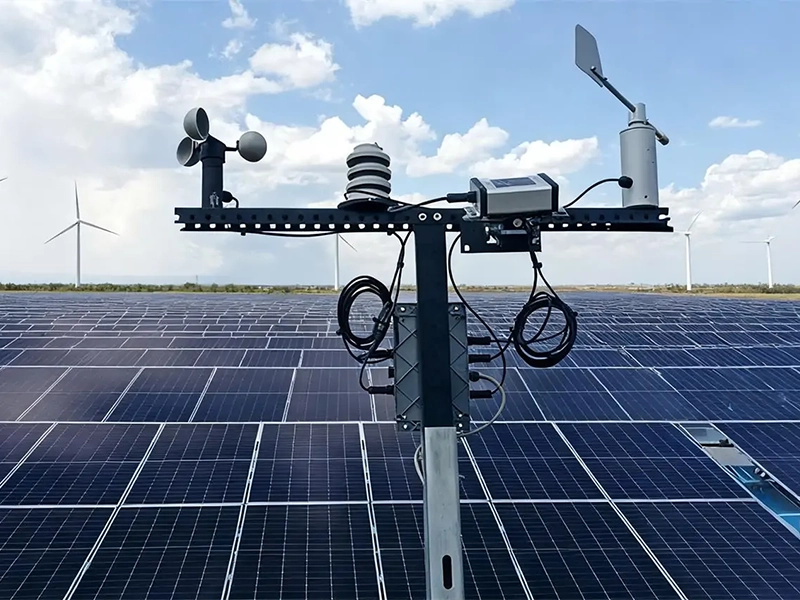
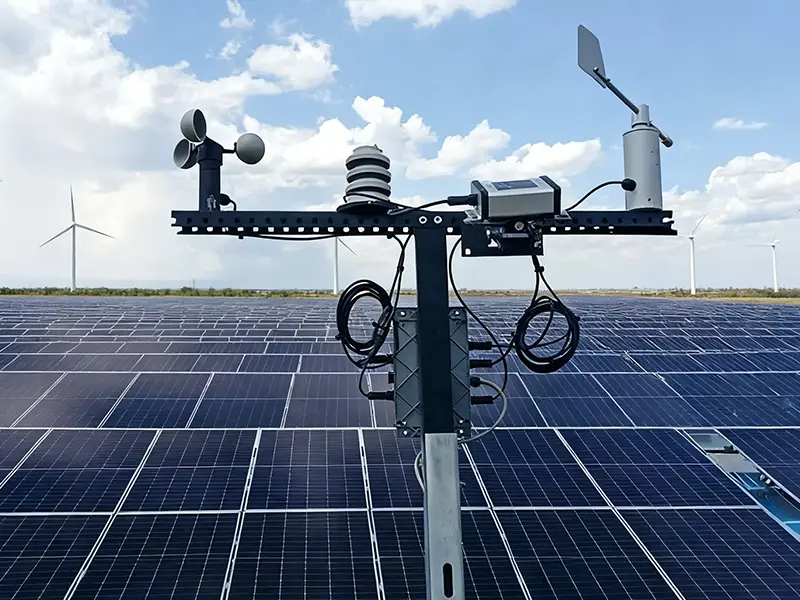
For photovoltaic weather monitoring, the XF400 records ambient temperature, humidity, atmospheric pressure, and rainfall around PV sites. These data support site weather records and complement dedicated solar radiation and PV module temperature measurements.
Customization Options for the XF400 Compact Weather Station
The XF400 comes with four standard meteorological measurement functions. For projects with additional monitoring or system integration requirements, configuration options can be evaluated according to sensor compatibility, communication interfaces, power requirements, and site conditions. The feasibility of each option must be confirmed through technical assessment before implementation.
- Additional Sensor Integration: Additional monitoring sensors can be considered based on hardware space, interface compatibility, power consumption, and signal processing requirements. Integration feasibility must be confirmed before adding measurement functions.
- Communication Compatibility: The standard interface is RS485 with Modbus RTU, while SDI-12 is available as an optional interface. Communication requirements can be assessed against the protocols supported by existing data acquisition equipment.
- Power Supply Compatibility: The XF400 operates on a standard DC 9–30V power supply. Project power conditions should be checked against this operating range and the equipment’s electrical requirements. Alternative power configurations require separate technical evaluation.
- Third-Party System Integration: Compatibility with third-party data loggers, monitoring platforms, or control systems can be evaluated based on communication protocols, data formats, and interface requirements.
- Project-Specific Configuration: Sensor selection, communication requirements, and installation arrangements can be reviewed according to project measurement objectives and site conditions. The final configuration is subject to technical feasibility.

Compact Weather Station Manufacturer and Supplier
Yantai Sensor is a professional manufacturer and supplier of weather station sensors, specializing in the R&D and production of meteorological and environmental monitoring equipment. With its own R&D and production facilities, the company develops integrated weather station sensors, including the XF400 compact weather station, which measures air temperature, relative humidity, atmospheric pressure, and optical rainfall.
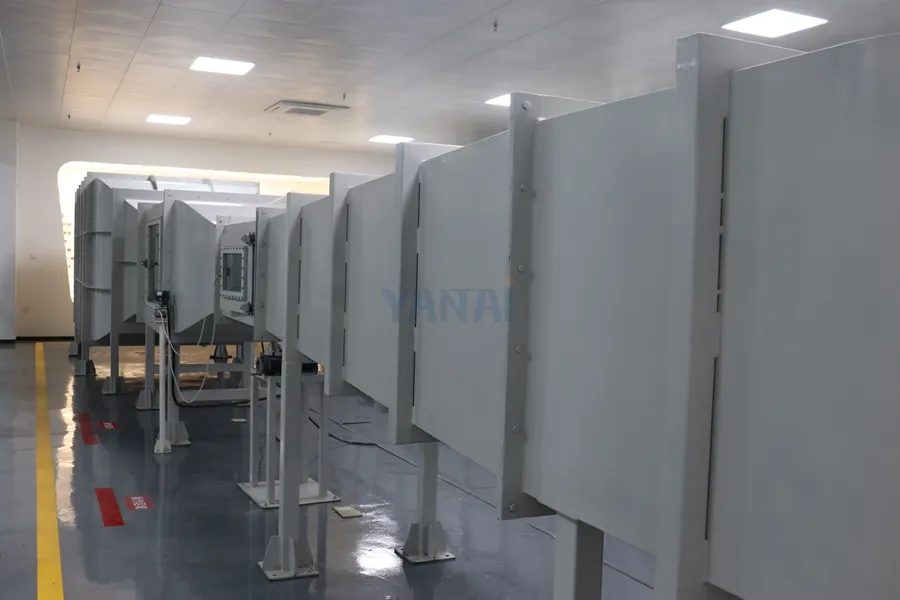
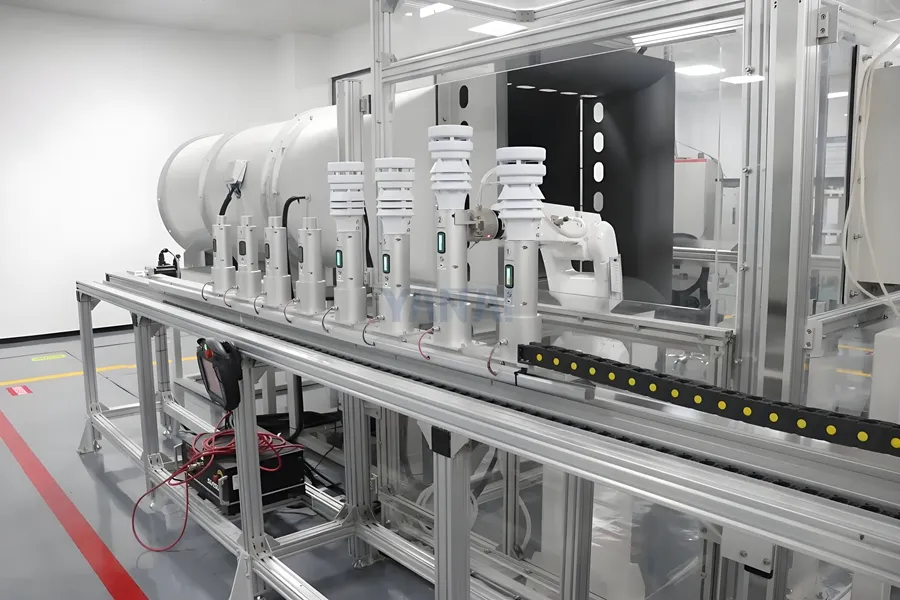
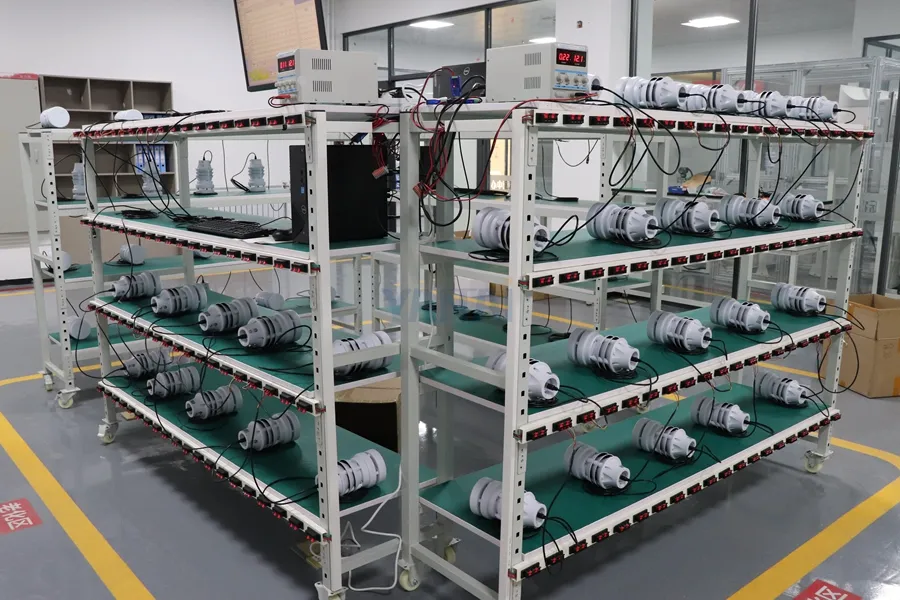
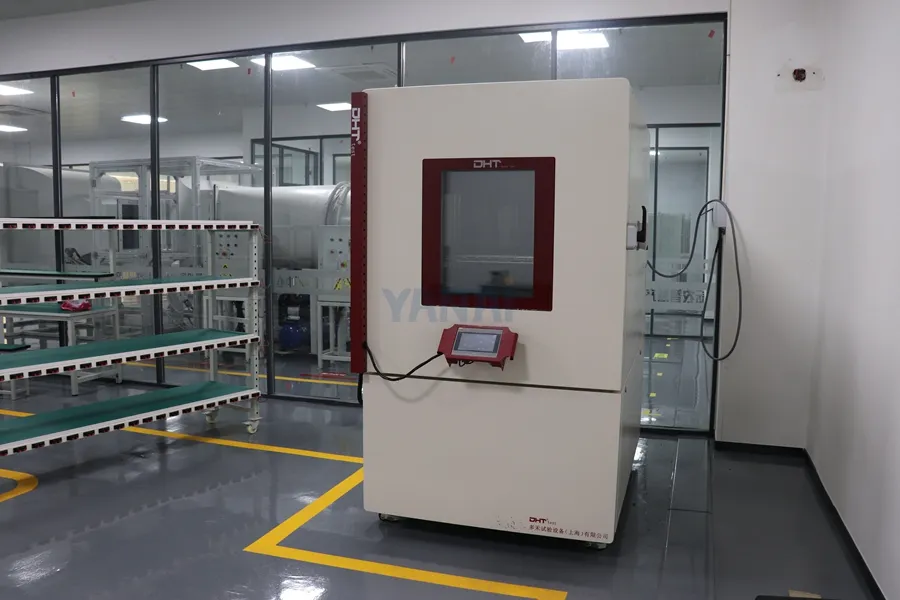
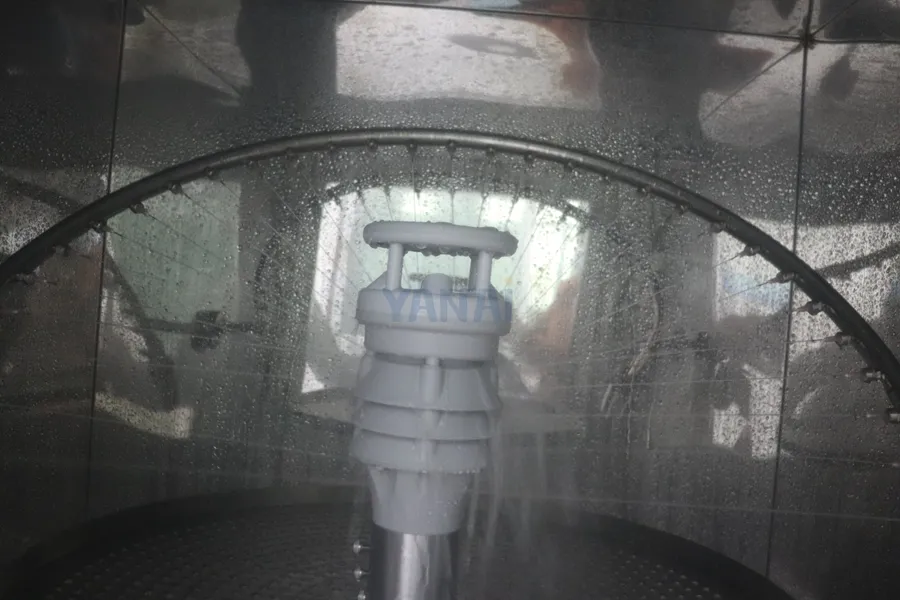
The company operates a CNAS-accredited testing laboratory and uses environmental simulation equipment to evaluate product performance under different operating conditions. Its manufacturing capabilities are supported by automated production lines and a quality management system. Yantai Sensor holds 10 product patents and has obtained CE, ISO, and RoHS certifications. For project-specific requirements, the company also provides OEM and ODM services, including communication protocol customization, structural adjustments, and functional expansion subject to technical evaluation.