Introduction
Choosing a pyranometer for a solar monitoring project is not only about comparing accuracy or sensor specifications. Buyers also need to know which solar radiation measurement standard applies, what it covers, and how it affects sensor selection and calibration.
The main standards used in solar radiation measurement are ISO 9060, ISO 9847 and IEC 61724, but they address different requirements. ISO 9060 focuses on the specification and classification of solar radiation instruments, ISO 9847 covers pyranometer calibration, and IEC 61724 addresses measurement and monitoring for photovoltaic system performance.
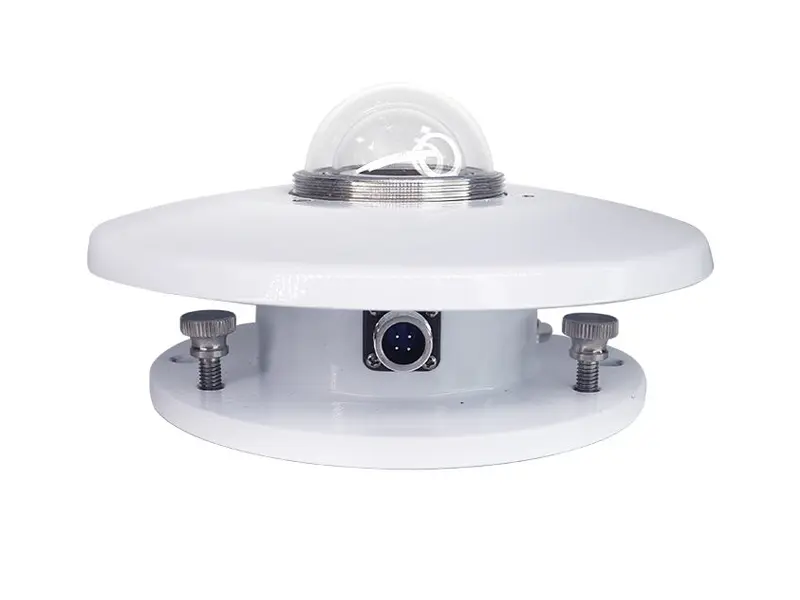
Understanding these differences is the starting point for selecting the right sensor and measurement configuration. First, let’s clarify [what is solar sensor] and the main irradiance parameters used in solar applications, then look at how ISO and IEC 61724 apply to real measurement projects.
What Are the Main Solar Radiation Measurement Standards?
When selecting a solar radiation sensor, it is important to know which standard applies to the instrument, calibration process, or PV monitoring system. The main standards are summarized below.
| Standard | Main Purpose | Typical Application |
| ISO 9060:2018 | Specification and classification of solar radiation measuring instruments | Pyranometers and pyrheliometers |
| ISO 9847:2023 | Calibration of pyranometers by comparison with a reference pyranometer | Pyranometer calibration |
| ISO 9846:2025 | Calibration of a pyranometer using a pyrheliometer | Pyranometer calibration |
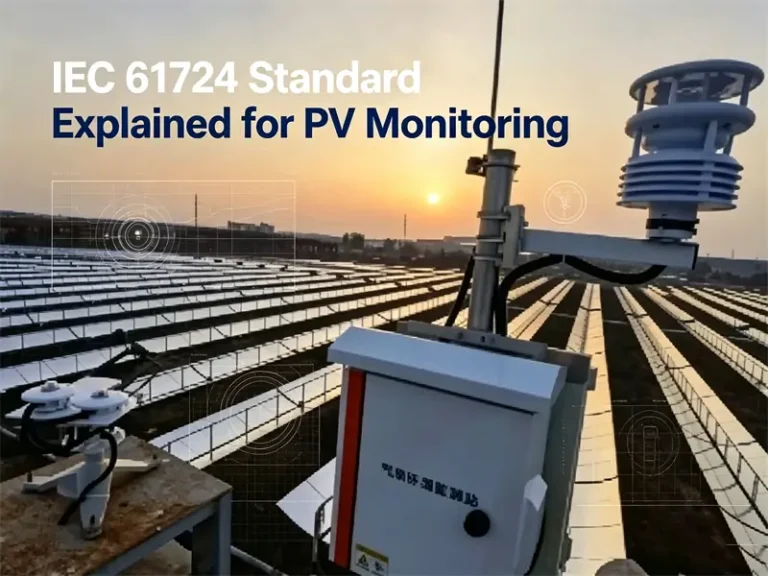
| IEC 61724-1:2021 | PV system performance monitoring and measurement methods | Solar PV monitoring |
These standards are related, but they do not regulate exactly the same thing: ISO 9060 covers instrument classification, ISO 9846 and ISO 9847 cover calibration, and IEC 61724-1 addresses PV system monitoring.
For meteorological measurements, WMO guidance and the World Radiometric Reference (WRR) provide an important reference framework for radiometric traceability and international comparability.
ISO 9060:2018 for Solar Radiation Measurement Instruments
This standard establishes the specification and classification of instruments for measuring hemispherical and direct solar radiation over approximately 0.3 μm to 3–4 μm. It classifies instruments according to the results of defined indoor or outdoor performance tests and provides the technical basis for comparing solar radiation measuring instruments. The 2018 edition was reviewed and confirmed in 2024 and remains current.
What Does ISO 9060 Classify?
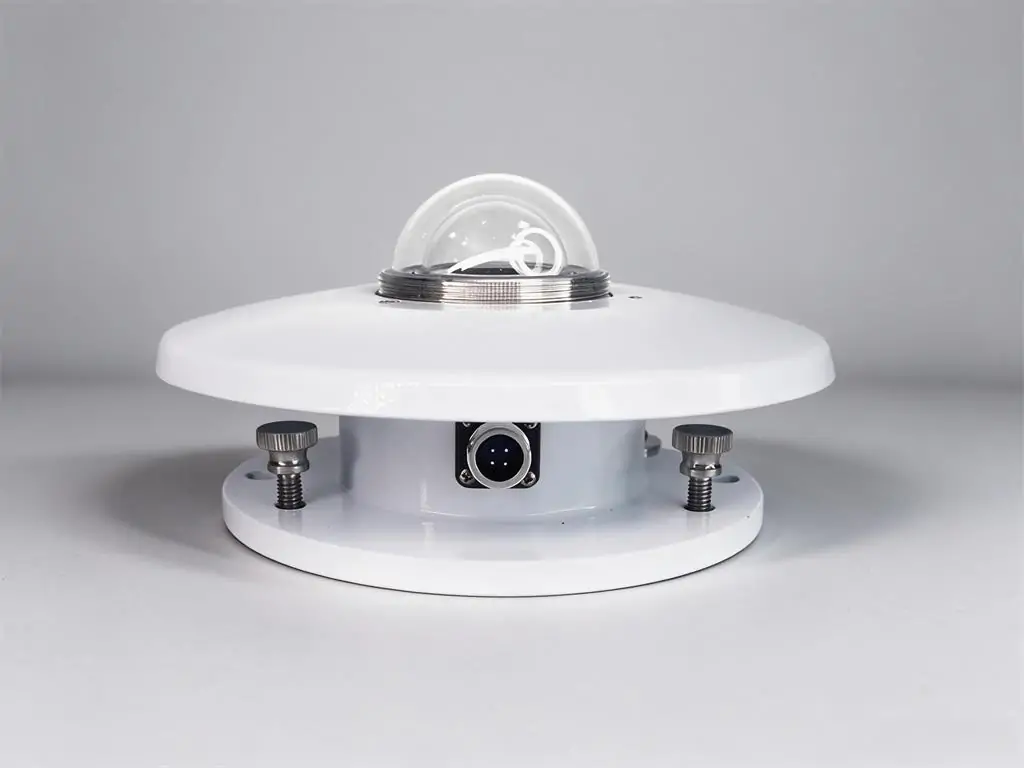
This standard covers instruments used for two main measurement types: pyranometers for hemispherical solar radiation and pyrheliometers for direct solar radiation. The distinction is important when selecting a sensor because the measurement geometry and radiation component determine which instrument type is appropriate.
The classification also considers multiple performance characteristics, including response time, zero offset, non-stability, nonlinearity, directional response, tilt response and spectral error. These characteristics provide a more useful technical basis for evaluating an instrument than relying on a single accuracy value. For a clearer distinction between instrument terminology, see [Pyranometer vs Solar Radiation Sensor: What’s the Difference?].
ISO 9060 Class A, B and C
This standard classifies instruments according to the results of specified indoor or outdoor performance tests. The classification is based on multiple performance characteristics, so the relevant class should be considered together with the individual specifications that affect the intended measurement. ISO 9060 itself establishes the classification and specification framework; it does not prescribe the test procedures.
For practical sensor selection, focus on the performance characteristics relevant to the measurement task, such as spectral response, directional response, tilt response, stability and response time, together with calibration information. The required measurement component—such as GHI, POA or DNI—and the installation conditions should also be defined before selecting the instrument class. For a practical comparison, see [ISO 9060 Class A and Class B pyranometers].
Why ISO 9060 Classification Matters for Sensor Selection?
This standard provides a standardized framework for comparing solar radiation instruments, but the classification alone does not describe the complete performance of a measurement system in the field. Sensor specifications, calibration, mounting geometry, shading, soiling and environmental conditions can all affect the resulting irradiance data.
For PV and meteorological applications, the selection process should therefore start with what radiation needs to be measured, followed by the required measurement quality and field conditions. ISO 9060 classification can then be used to narrow the instrument options and verify whether the sensor’s documented performance is appropriate for the application.

Why ISO 9060 Class Is Not the Same as Measurement Accuracy?
This standard classification is not a single overall accuracy rating. Class A, B and C are determined from multiple specified performance requirements, including response time, zero offset, non-stability, nonlinearity, directional response, tilt response and spectral error. As a result, instruments within the same ISO 9060 class can still have different individual performance characteristics.
Actual irradiance measurement quality also depends on how the instrument is calibrated, installed and maintained. Sensor tilt, shading, dome cleanliness, temperature and long-term maintenance can all affect field data. Therefore, the ISO 9060 class should be used as a standardized reference when selecting an instrument, while the specific performance specifications, calibration information and field installation conditions should be evaluated for the intended application.
ISO 9847:2023 for Pyranometer Calibration
A pyranometer converts solar radiation into an electrical signal, so its output needs to be calibrated against a known reference before it can be used for reliable irradiance measurement. ISO 9847:2023 specifies methods for calibrating a pyranometer by comparison with a reference pyranometer, including procedures for determining its sensitivity and associated measurement uncertainty.
The standard defines two preferred approaches: Indoor Type A, which uses an artificial light source, and Outdoor Type B, which uses natural sunlight. The choice mainly depends on the calibration setup and the measurement geometry required for the application.
Indoor Type A Calibration
Indoor Type A calibration is performed with a controlled artificial light source. Type A1 uses a lamp with the pyranometer positioned for normal incidence, while Type A2 uses an integrating sphere to provide a more uniform diffuse radiation field. Compared with outdoor calibration, the controlled light source makes the test conditions easier to reproduce.
However, the calibration result still depends on the reference pyranometer, light source, instrument setup and uncertainty evaluation. For this reason, the calibration result should be considered together with the traceability of the reference instrument rather than treated as a standalone accuracy value.
Outdoor Type B Calibration
Outdoor Type B calibration uses natural solar radiation and includes three measurement configurations: B1 horizontal, B2 tilted and B3 normal incidence. The configuration determines the geometric relationship between the reference and test pyranometers during calibration.
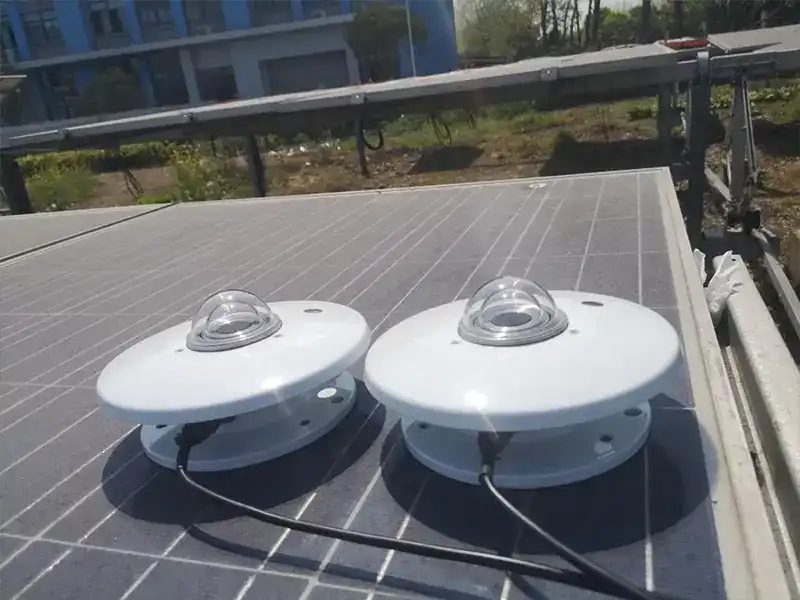
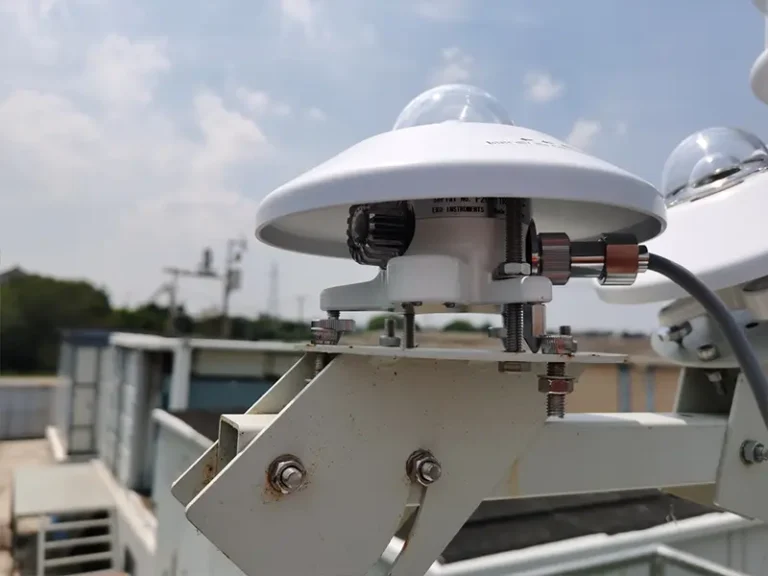
This is particularly relevant to solar projects because the installation geometry affects how irradiance is measured. A sensor for horizontal GHI and one installed on a tilted PV plane may require different calibration considerations. When traceable reference instruments are used, the calibration can be related to the World Radiometric Reference (WRR) through the applicable traceability chain.
ISO 9060, ISO 9847 and IEC 61724-1: What Is the Difference?
ISO and IEC 61724-1 cover different aspects of solar radiation measurement. ISO 9060 covers the specification and classification of solar radiation measuring instruments, ISO 9847 covers pyranometer calibration, and IEC 61724-1:2021 covers measurement and monitoring for PV system performance.
| Standard | Main Question | Main Focus |
| ISO 9060:2018 | How is the instrument specified and classified? | Instrument specification and performance classification |
| ISO 9847:2023 | How is the pyranometer calibrated? | Pyranometer calibration against a reference instrument |
| IEC 61724-1:2021 | How are measurements used in PV monitoring? | PV system measurement and performance monitoring |
In practice, ISO 9060 helps determine the performance class of the measuring instrument, ISO 9847 provides the calibration method for pyranometers, and IEC 61724-1 shows how these measurements fit into PV system performance monitoring.
How Does IEC 61724-1 Relate to Solar Radiation Measurement Standards?
IEC 61724-1:2021 focuses on PV system performance monitoring, while This standard defines the performance classification of solar radiation measuring instruments. In a PV monitoring project, the two work together: ISO 9060 describes the instrument, while IEC 61724-1 sets requirements for how irradiance measurements are used within the monitoring system.
ISO 9060 Class vs IEC 61724-1 Class
The two classifications are related but not interchangeable. ISO 9060 Class A, B and C classify the measuring instrument, while IEC 61724-1 Class A and B classify the PV monitoring system. A Class A pyranometer therefore does not automatically make the complete monitoring system Class A; other requirements, including calibration, installation and monitoring equipment, also need to be considered.
For a detailed explanation of these monitoring requirements and how irradiance sensors are selected, see our guide to [IEC 61724 requirements for PV monitoring].
Which Solar Radiation Measurements Are Used in Solar Projects?
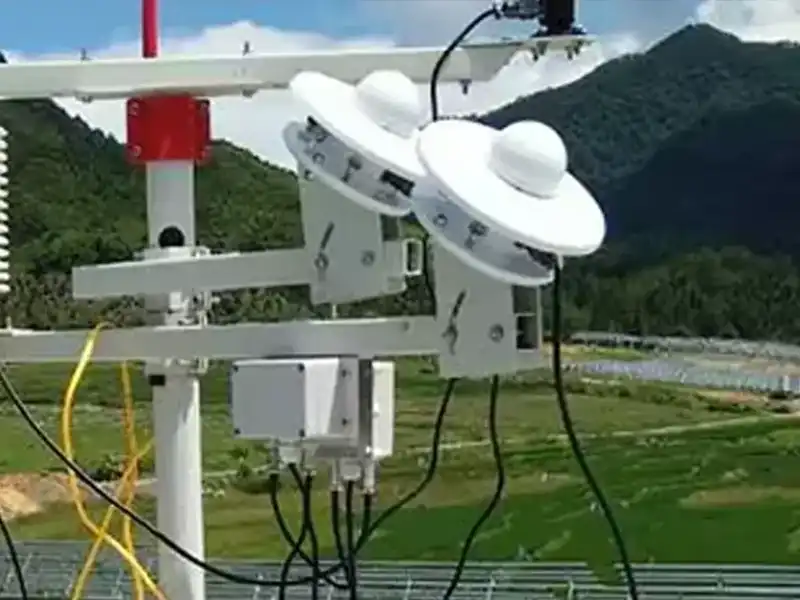
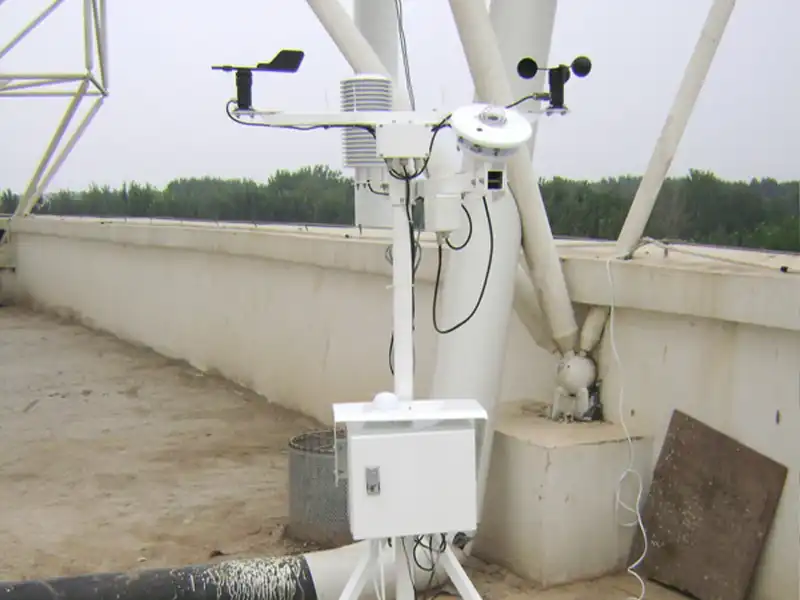
Different solar projects need different irradiance measurements. GHI, POA, DHI and DNI are commonly used, but they are not measured in the same way. The required sensor depends on what the project needs to measure and where the sensor will be installed.
| Measurement | What It Measures | Typical Instrument / Setup | Common Application |
| GHI | Total irradiance on a horizontal surface | Horizontal pyranometer | Solar resource assessment, PV monitoring |
| POA | Irradiance received on the PV array plane | Pyranometer mounted at the array tilt | PV performance monitoring |
| DHI | Diffuse irradiance on a horizontal surface | Pyranometer with shading device | Solar resource assessment, irradiance modeling |
| DNI | Direct irradiance normal to the Sun’s rays | Pyrheliometer with solar tracker | CSP, direct solar resource assessment |
For a basic explanation of GHI, DNI and DHI, see [What Is GHI, DNI, and DHI in Solar Energy?]. For more detail on DNI measurement, see [How to Measure Direct Normal Irradiance (DNI) Accurately].
Before selecting a sensor, confirm the irradiance to be measured and the installation plane first. These two factors determine the sensor type and measurement setup.
How to Measure Solar Irradiance for Photovoltaic Systems?
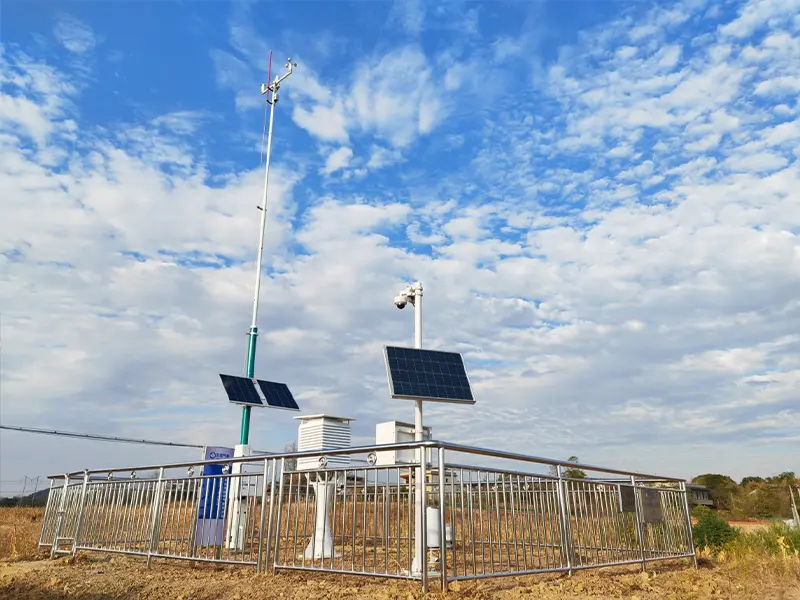
PV systems commonly use irradiance measurements to assess solar resource, monitor operating conditions and evaluate system performance. The sensor configuration depends on whether GHI, POA or other irradiance measurements are required.
Once the measurement target and applicable monitoring requirements are clear, the next step is to select a sensor with the appropriate measurement range, installation configuration and calibration requirements. For a practical guide to sensor placement, measurement parameters and irradiance monitoring in PV systems, see our guide on [How to Measure Solar Irradiance for Photovoltaic Systems].
Solar Radiation Sensors for PV Monitoring
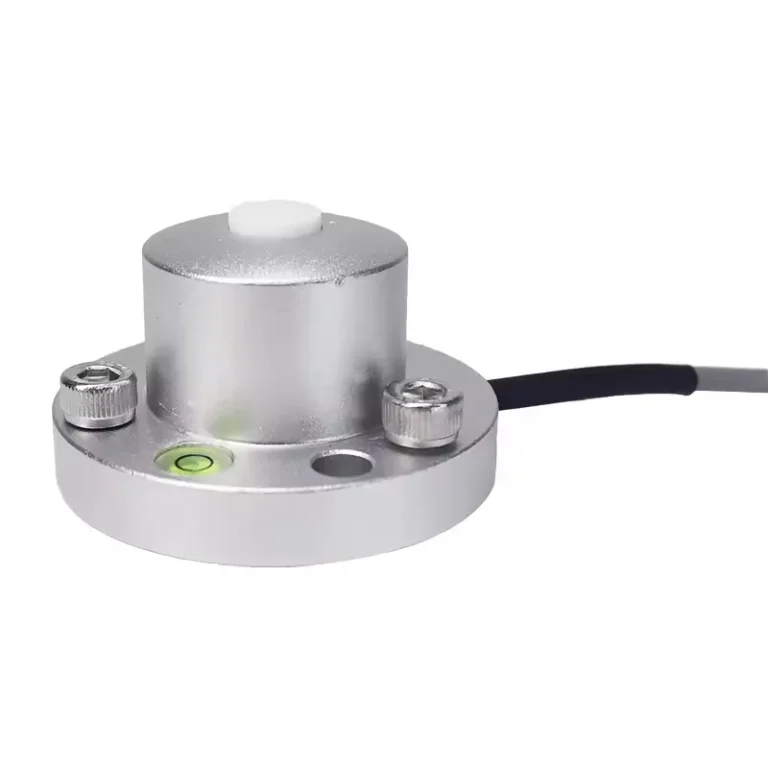
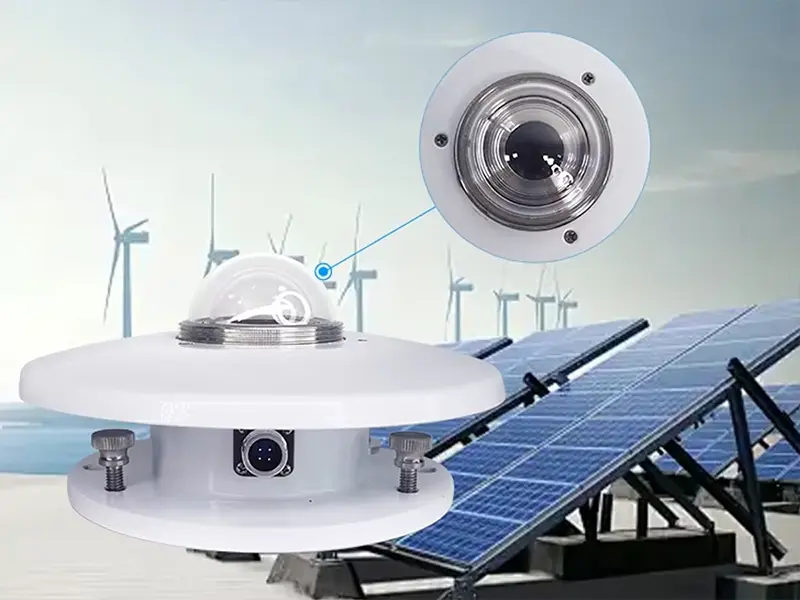
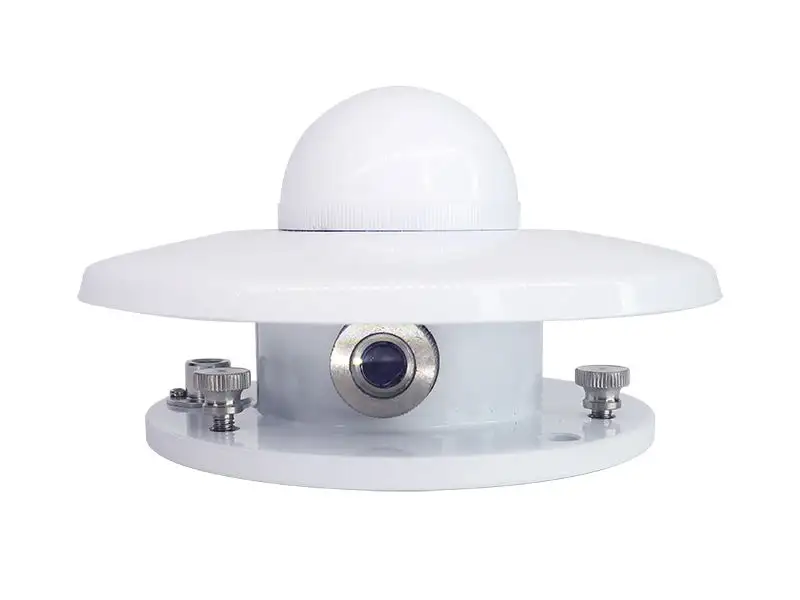
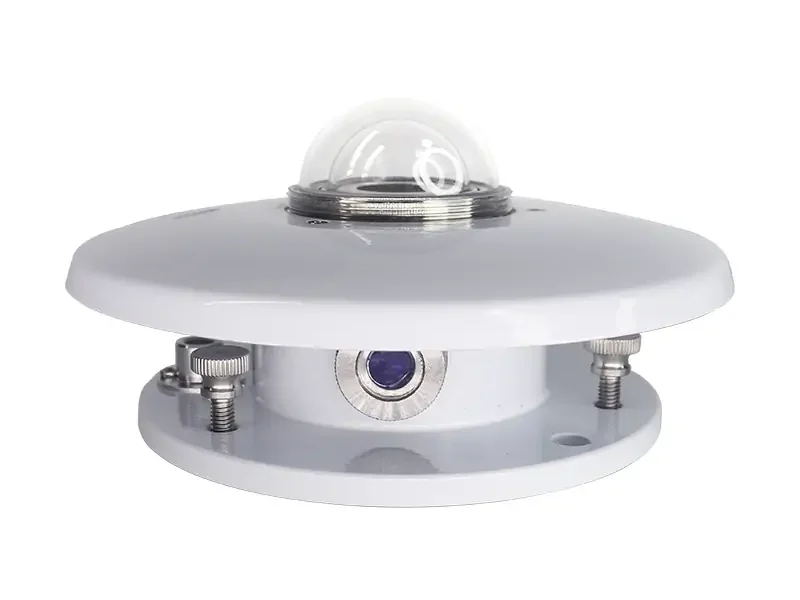
For projects requiring a dedicated pyranometer, the TBQ-2C Total Solar Radiation Sensor is designed for total solar radiation measurement. It uses a thermopile sensing element and covers 0.3–3.2 μm, making it suitable for solar radiation monitoring and PV-related measurement applications. Its product specifications can be reviewed alongside the required instrument classification and calibration conditions when selecting a sensor.
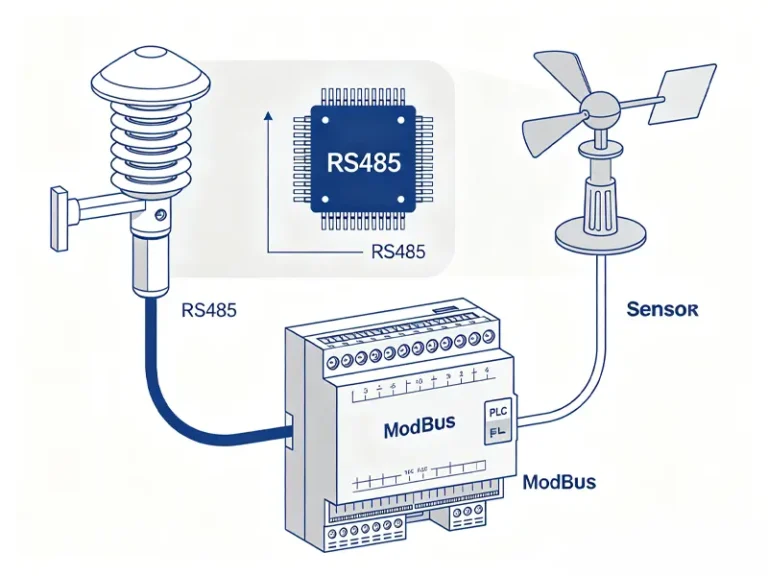
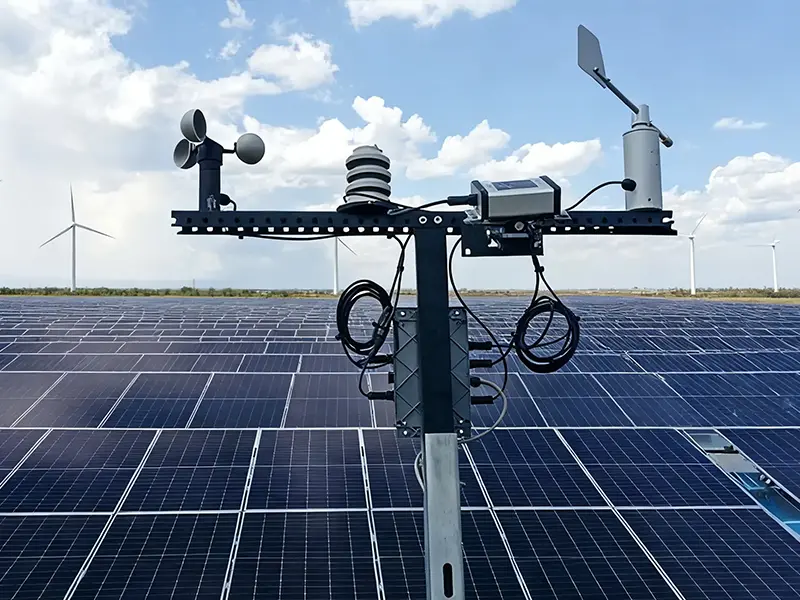
For PV projects that need irradiance data together with environmental measurements, the XF500S-CWB Compact Weather Sensor combines POA solar radiation measurement with ambient temperature, relative humidity, component temperature, wind speed, wind direction and atmospheric pressure. With RS485/Modbus RTU output, it can be used as part of a photovoltaic power station monitoring system.

How to Select a Sensor According to Solar Radiation Measurement Standards?
When selecting a solar radiation sensor, first confirm what needs to be measured and where the sensor will be used. GHI, POA, DHI and DNI require different measurement setups, while PV monitoring, solar resource assessment, meteorological observation and research may have different requirements. After that, check which standards apply to the instrument, calibration or monitoring system.
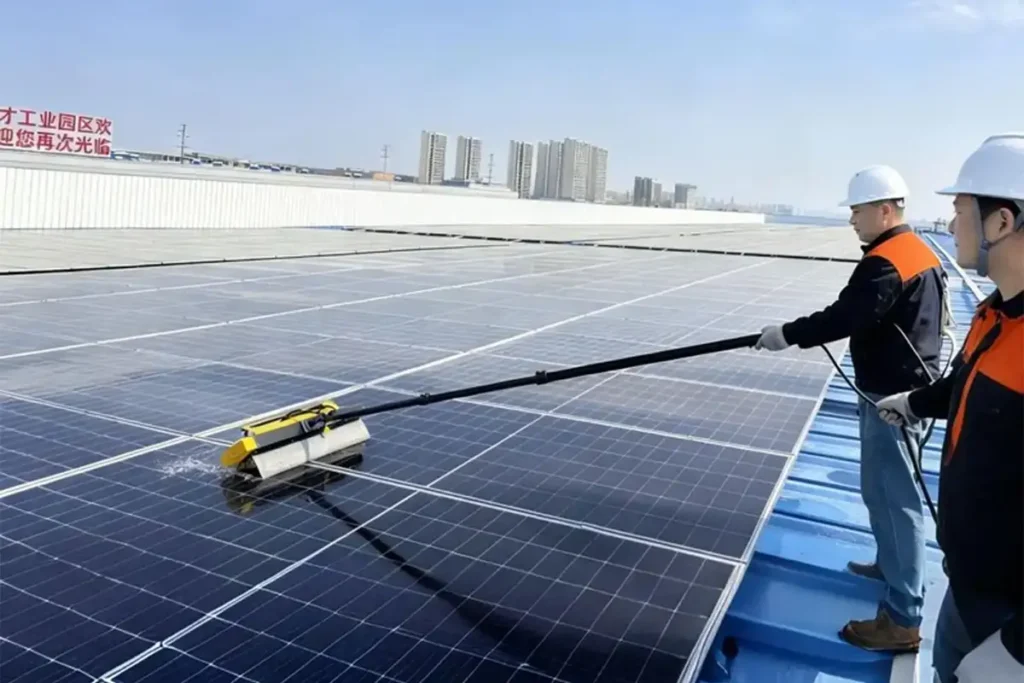
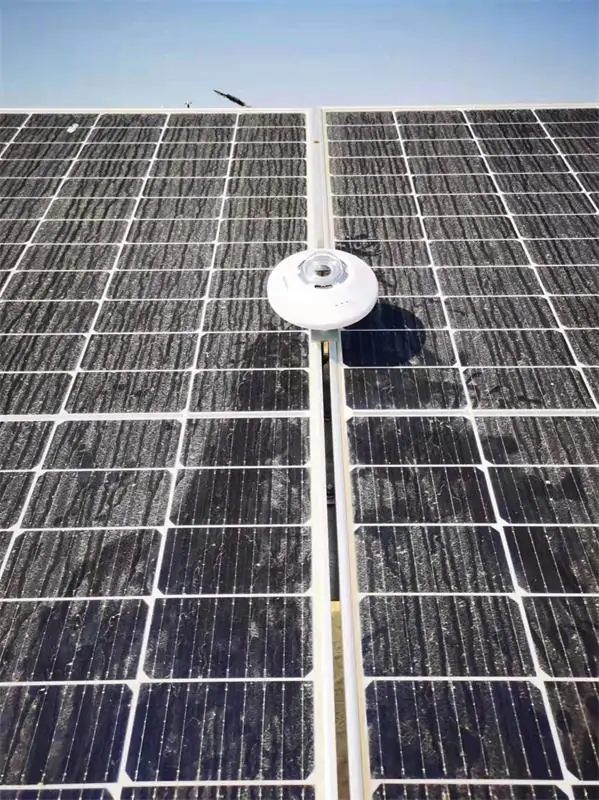
Do not select a sensor based on its class alone. Check response time, zero offset, non-stability, nonlinearity, spectral response, temperature response, tilt response and calibration information against the project requirements. Installation angle, shading, soiling and the data acquisition system also affect field measurements. For most projects, these details are more useful for sensor selection than simply choosing a higher class.
Conclusion
Choosing a solar radiation sensor is not just a matter of checking the ISO 9060 class. The measurement target, calibration method, installation position and operating conditions all affect the final measurement. In practical projects, the selection process usually comes down to four steps: define the measurement, select the instrument, confirm calibration, and match the sensor to the application. ISO 9060, ISO 9847 and IEC 61724-1 provide the relevant framework at different stages of this process.
At Yantai Sensor, we work with solar radiation sensors and pyranometer systems for PV, meteorological and environmental monitoring. Our engineers can review the required measurement parameter, sensor performance, output interface and installation conditions before recommending a suitable configuration. This is particularly useful when the project has specific requirements for irradiance type, sensor class, calibration or data integration.
If you are selecting a solar radiation sensor or planning a new monitoring system, contact us with your measurement requirements and project conditions. We can help you evaluate the suitable sensor and configuration for the application.