Introduction
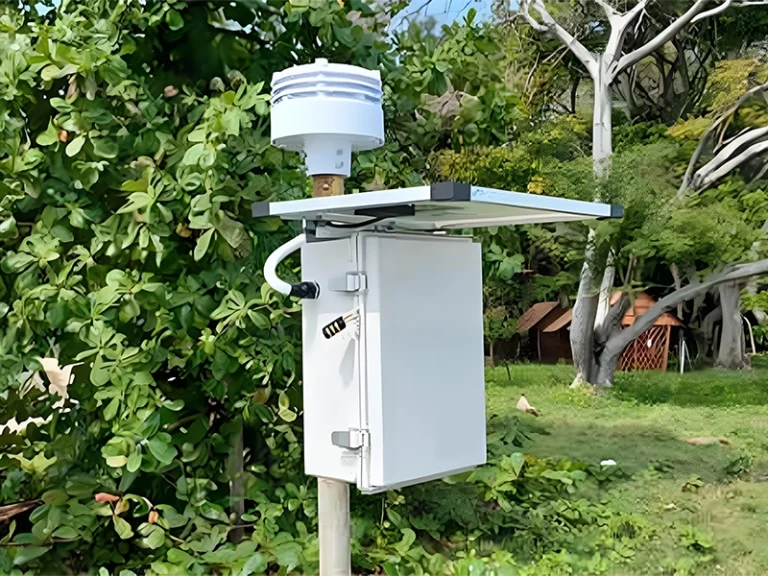
When solar monitoring data does not match expected conditions, many engineers first suspect sensor failure. However, inaccurate solar irradiance results are often caused by small issues throughout the measurement process, including incorrect installation, insufficient maintenance, calibration problems, or unsuitable system configurations. These Solar Measurement Mistakes can reduce the reliability of data used for PV performance analysis, solar resource assessment, and energy yield evaluation.
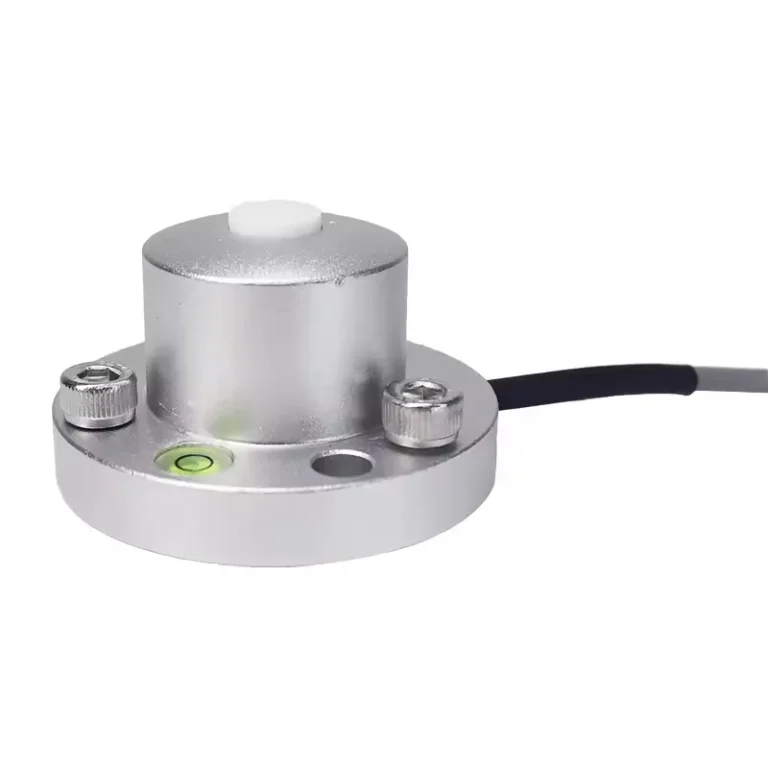
In practical solar projects, even a high-quality solar radiation sensor cannot guarantee reliable results if the measurement environment and operating procedures are not properly managed. Dust accumulation, incorrect positioning, tracking deviation, and inconsistent calibration records may introduce measurement deviations that affect long-term data quality and lead to unreliable project analysis.
Identifying common Solar Irradiance Measurement Mistakes helps engineers improve monitoring reliability, avoid incorrect evaluation results, and maintain consistent solar radiation data throughout the project lifecycle. To achieve dependable solar measurements, it is important to understand not only where these problems occur but also how they develop and how they can be prevented. The following sections will analyze the most common measurement mistakes, their impact on data quality, and practical solutions for improving solar monitoring performanceIf you’d like to learn more about “What is Solar Radiation,” please click
Why Accurate Solar Irradiance Data Matters?
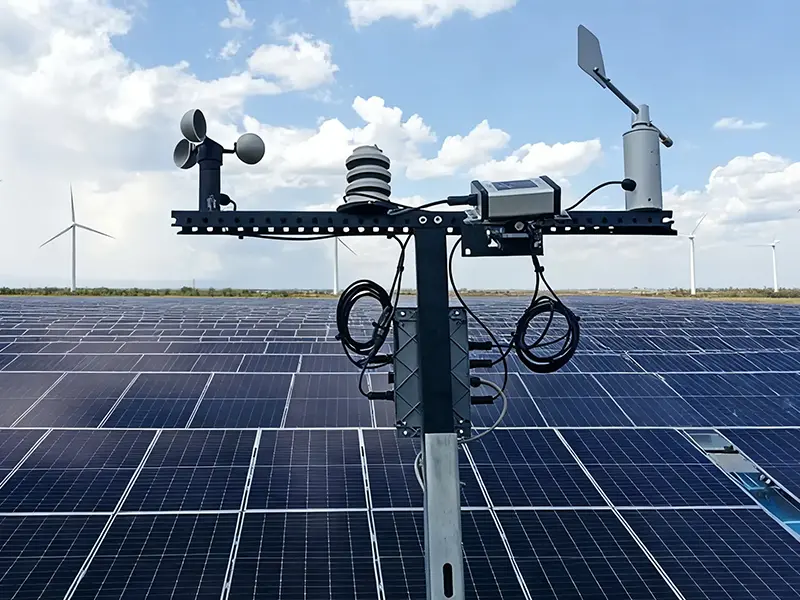
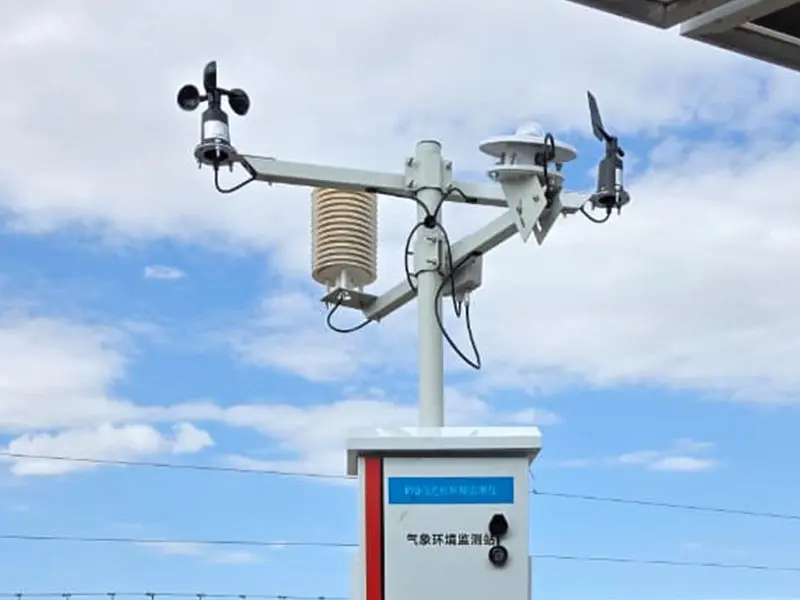
Reliable Solar Data Quality is critical for evaluating solar resources, monitoring photovoltaic system performance, and supporting long-term energy analysis. In PV projects, measured irradiance data is used to compare actual plant performance with expected energy output, calculate performance indicators, and identify potential system issues. During the development stage, accurate solar resource data also helps engineers assess site conditions and improve the reliability of energy yield predictions. Beyond solar applications, continuous irradiance measurements are widely used in meteorological observations, climate research, and environmental monitoring to understand surface energy balance and atmospheric processes.
For solar monitoring systems, poor-quality irradiance data can create uncertainty throughout the project lifecycle. Inaccurate measurements may affect PV performance evaluation, resource assessment results, and operational decisions. Reliable solar data requires more than selecting a suitable sensor; factors such as correct installation, regular maintenance, calibration management, and proper data validation all influence measurement reliability. Understanding the causes of data quality issues is therefore essential for building a trustworthy solar radiation monitoring system.If you would like to learn more about “How to Measure Solar Irradiance for Photovoltaic Systems,” please click
Common Solar Measurement Mistakes Affecting Data Quality
In real solar monitoring projects, poor irradiance data quality is often caused by small issues in daily operation rather than complete equipment failure. Incorrect installation, environmental contamination, poor calibration management, and unsuitable system configurations can introduce measurement deviations that affect PV performance analysis, energy yield evaluation, and solar resource assessment.
Understanding these common Solar Irradiance Measurement Mistakes helps identify the causes of abnormal data and improve the reliability of long-term solar radiation monitoring.To learn more, click on “What Is an Automatic Solar Tracking Measurement System?”
Mistake 1: Incorrect Sensor Installation Position
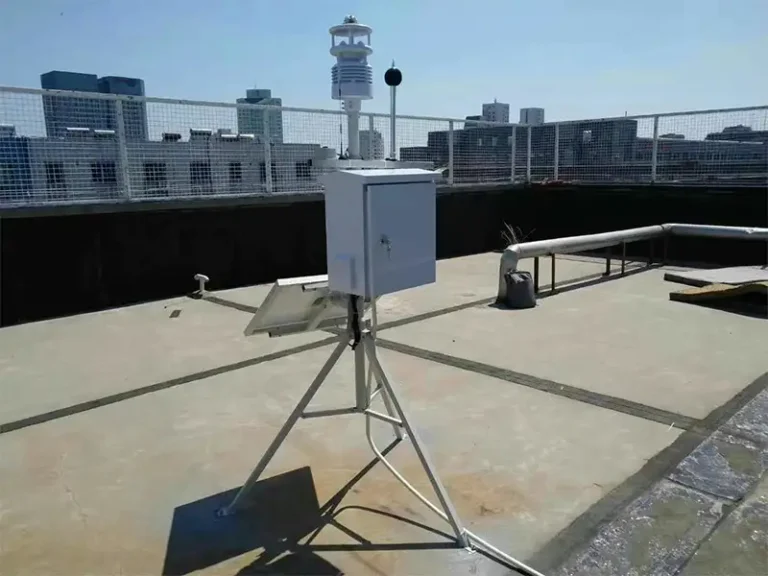
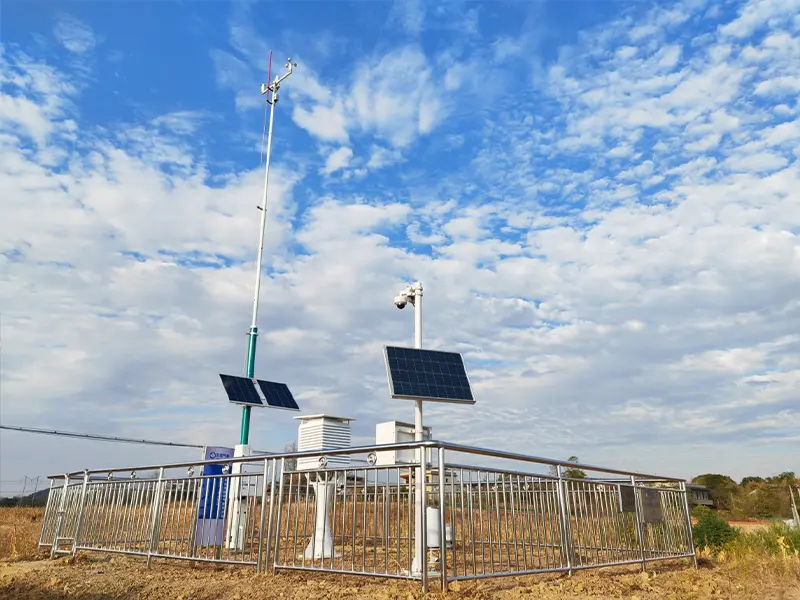
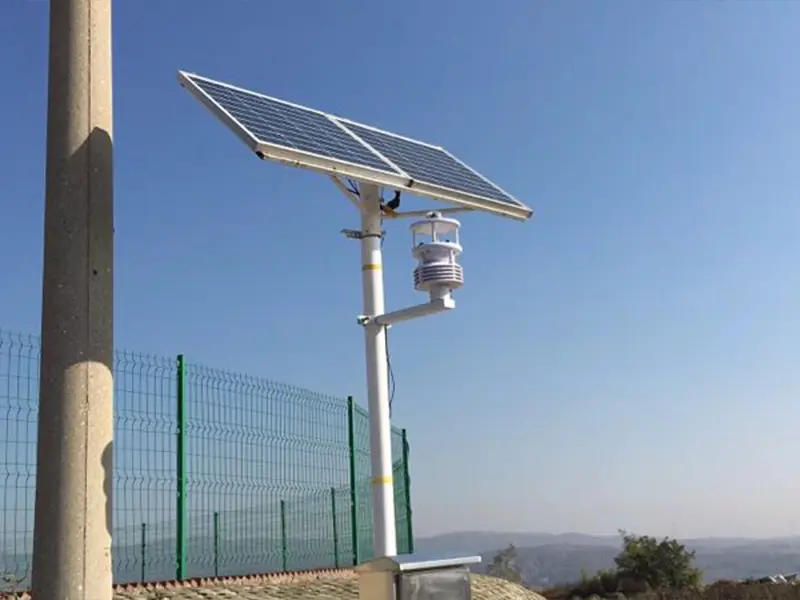
Incorrect sensor installation is one of the most common causes of Solar Measurement Errors. Problems such as nearby shading objects, incorrect tilt angle, poor horizon visibility, and unstable mounting structures can affect the radiation received by the sensor. In many cases, the sensor itself works normally, but the installation environment creates inaccurate measurement results.
Proper site selection and installation are essential for reliable monitoring. The sensor should be installed in an open area with minimal obstruction, correctly leveled, and regularly inspected to prevent position changes caused by wind, vibration, or structural movement.
Mistake 2: Ignoring Sensor Cleaning and Environmental Contamination
Outdoor solar sensors are continuously exposed to dust, snow, rainwater, salt particles, and bird contamination. When the sensor surface becomes dirty, less solar radiation reaches the sensing element, causing measured irradiance values to gradually decrease. This type of error is especially common in desert, agricultural, and industrial environments.
Regular cleaning and inspection should be included in the maintenance plan. Establishing a suitable cleaning schedule based on local conditions helps prevent contamination from causing long-term deviations and protects overall Solar Data Quality.
Mistake 3: Using Solar Sensors Without Proper Calibration Management
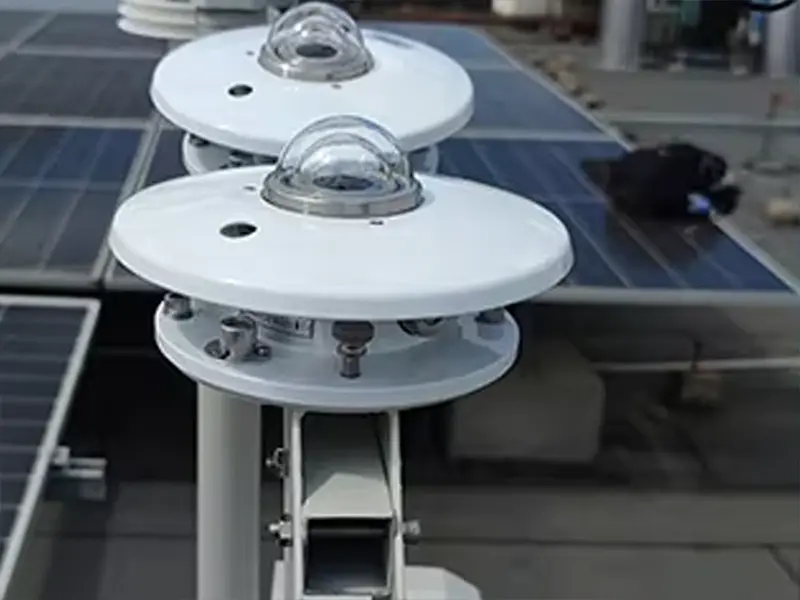
Solar radiation sensors may experience gradual performance changes during long-term outdoor operation. Common calibration problems include expired calibration periods, incomplete calibration records, and failure to monitor sensor drift. These issues can remain unnoticed because the measurement data may still appear reasonable.
Proper Radiation Sensor Calibration management requires maintaining calibration records, tracking sensor performance, and verifying measurement stability over time. Regular calibration checks help maintain data consistency and improve confidence in long-term solar monitoring results.If you’d like to learn more, click on “What Is a Pyranometer and How Does It Work?”
Mistake 4: Incorrect Tracking Alignment for DNI Measurement
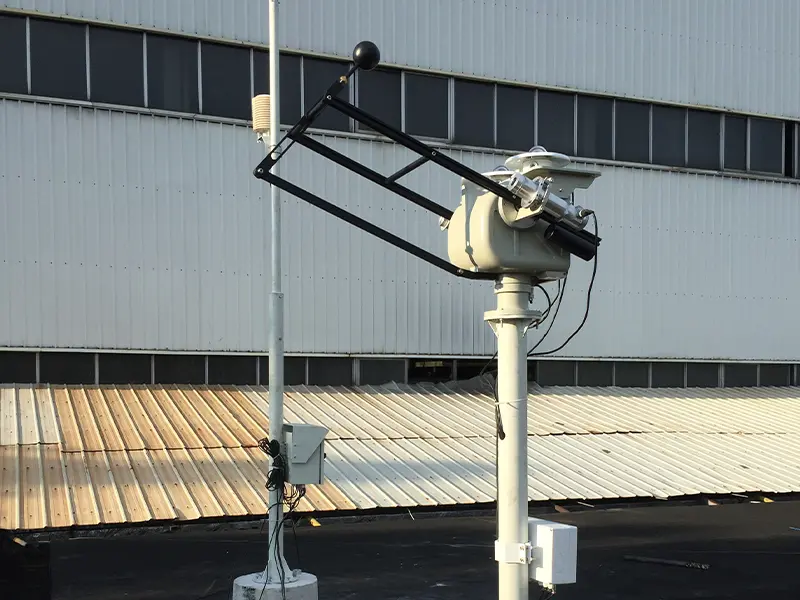
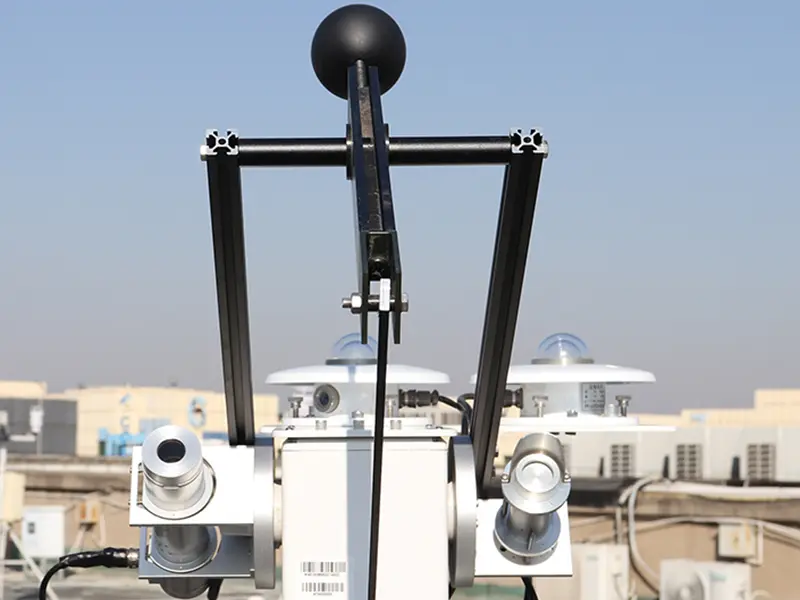
DNI measurement requires the sensor to remain accurately aligned with the sun position throughout the day. Incorrect tracker alignment, mechanical deviation, or inaccurate positioning can reduce the direct sunlight received by the instrument and create unstable DNI measurement results.
Regular tracking inspection and alignment checks are necessary for reliable DNI monitoring. Maintaining the mechanical accuracy of the tracking system ensures that the measurement instrument follows the solar position correctly during daily operation.
Mistake 5: Selecting the Wrong Measurement Configuration
Selecting an unsuitable measurement configuration can lead to incomplete or unreliable solar data. Different applications require different measurement combinations, and using the wrong setup may create problems during data analysis. For example, fixed sensors are not suitable for applications requiring continuous DNI monitoring, while missing reference measurements can make performance evaluation more difficult.
Before deploying a solar monitoring system, engineers should consider the measurement objectives, required parameters, and site conditions. Choosing the appropriate sensor combination and monitoring configuration helps avoid unnecessary data gaps and improves overall measurement reliability.
How to Troubleshoot Solar Measurement Problems Step by Step?
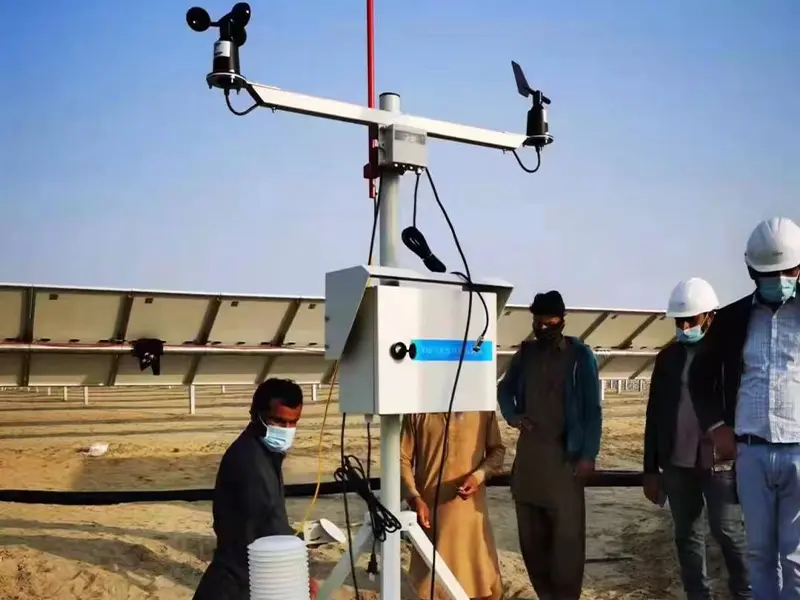
When solar irradiance data appears abnormal, the problem is not always caused by sensor failure. In many solar monitoring projects, inaccurate results come from installation conditions, environmental changes, calibration issues, or incorrect system configuration. A structured troubleshooting process helps engineers quickly identify the cause and improve Solar Data Quality.If you would like to learn more, click on “Benefits of Solar Tracking in Radiation Measurement.”
Step 1: Analyze Abnormal Data Patterns
The first step is to identify how the irradiance data deviates from expected conditions. Different abnormal patterns often indicate different sources of Solar Measurement Errors.
| Data Issue | Possible Cause | Solution |
| Sudden irradiance drop | Sensor contamination or temporary shading | Clean sensor and inspect surroundings |
| DNI fluctuation | Tracking alignment problem | Check tracker positioning |
| Long-term data drift | Calibration issue or sensor aging | Review calibration records |
| Unrealistic peaks | Installation or data processing issue | Check configuration and measurement conditions |
Analyzing the data pattern first prevents unnecessary replacement of sensors and helps locate the actual cause more efficiently.
Step 2: Inspect Installation and Environmental Conditions
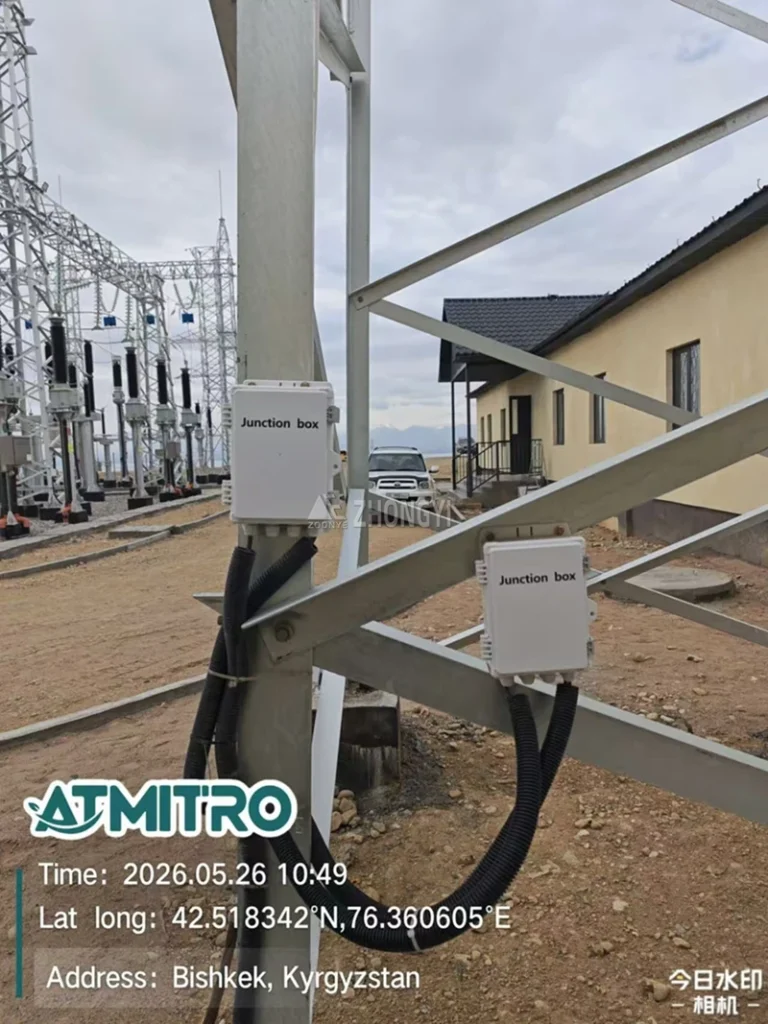
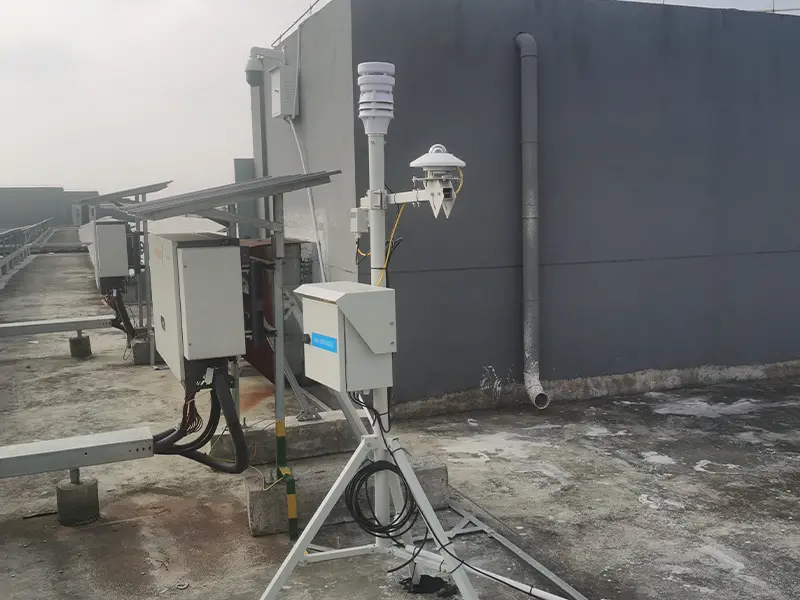
Many solar measurement problems originate from the installation environment rather than the instrument itself. Nearby obstacles, incorrect sensor leveling, unstable mounting structures, and poor horizon visibility can affect the radiation received by the sensor.
Engineers should check the sensor position, surrounding shading conditions, mounting stability, and surface cleanliness. Regular inspection and maintenance are especially important for outdoor monitoring stations exposed to dust, snow, rain, or other environmental factors.
Step 3: Check Sensor Condition and Calibration Status
If installation conditions are normal, the next step is to verify the sensor condition and maintenance history. Dust contamination, aging components, and missing calibration records are common causes of gradual measurement deviation.
Reviewing Radiation Sensor Calibration records, checking sensor response stability, and comparing measurements with reference devices can help determine whether the sensor requires cleaning, verification, or replacement. Proper maintenance is essential for maintaining long-term Solar Data Quality.
Step 4: Verify Tracking and Measurement Configuration
For systems involving DNI monitoring, tracking performance should be checked separately. Incorrect alignment, mechanical deviation, or positioning errors can cause DNI Measurement Problems even when the sensor itself operates normally.
In addition, engineers should review the overall Solar Radiation Monitoring System configuration, including sensor combinations, measurement parameters, and data processing settings. A correct system setup ensures that collected irradiance data matches the actual application requirements.To understand how irradiance data is used in solar PR calculation, see our Solar PR Calculation Guide.
How to Improve Solar Data Reliability?
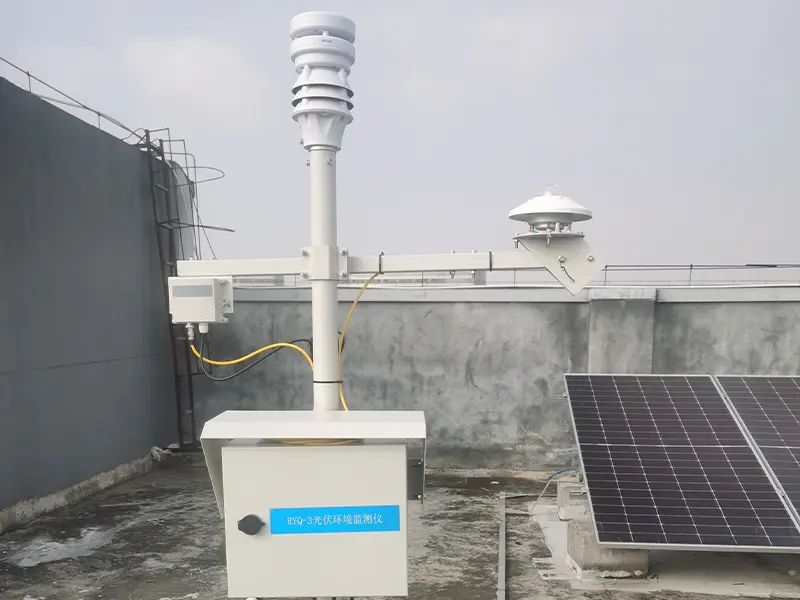
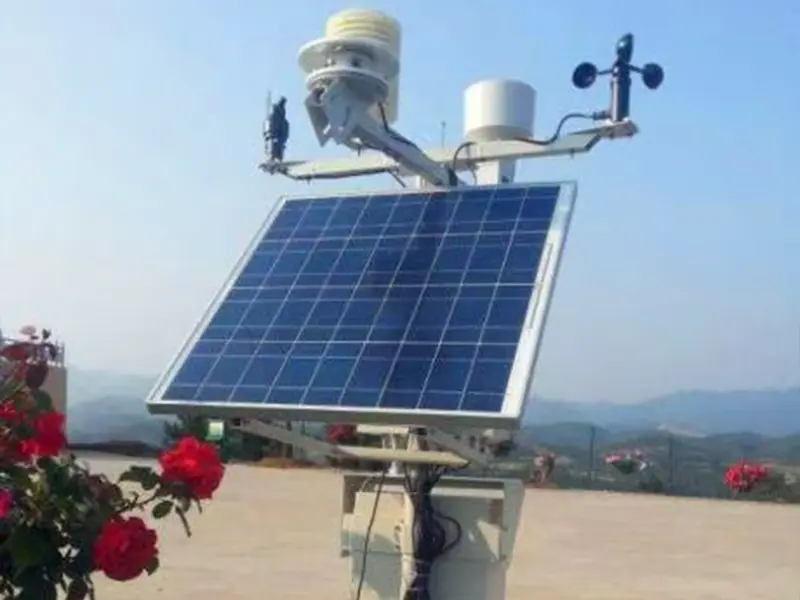
Improving Solar Data Quality requires a complete approach that covers sensor installation, regular maintenance, calibration management, and system operation. Proper installation ensures that the sensor receives representative solar radiation without shading or positioning errors, while routine cleaning and inspection help prevent dust, snow, and environmental contamination from affecting long-term measurements. Regular calibration checks and maintenance records also help identify sensor drift and maintain consistent data reliability throughout the monitoring period.
For solar monitoring systems that include DNI measurement, regular tracking inspection is essential to maintain accurate sun positioning and stable direct radiation measurements. In addition, remote monitoring functions can help detect abnormal data patterns, identify potential equipment issues earlier, and reduce unnecessary manual inspections. By combining correct installation practices, preventive maintenance, calibration control, and continuous monitoring, solar projects can achieve more reliable irradiance data for performance evaluation and resource assessment. For more information about measurement requirements and accuracy levels, see our guide: How Accurate Should Solar Radiation Measurement Be?
Solar Measurement Mistakes in Different Applications
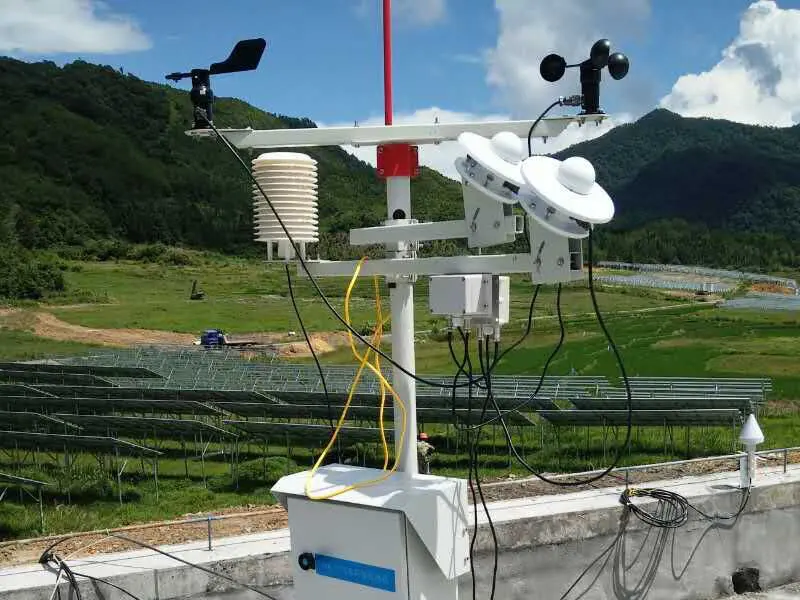
Solar measurement errors can vary depending on project goals, monitoring environments, and data requirements. Different applications face different challenges, and understanding these differences helps improve Solar Data Quality and avoid common measurement problems.
Solar Resource Assessment Projects
Solar resource assessment relies on long-term irradiance data for site evaluation and energy yield prediction. Common mistakes include improper sensor placement, limited horizon visibility, and insufficient calibration management. These issues can introduce systematic deviations that affect the reliability of solar resource analysis and project planning.
PV Performance Monitoring Systems
In PV monitoring systems, irradiance data is used to evaluate plant performance and compare expected energy output with actual generation. Common problems include sensor mismatch, neglected maintenance, and incorrect measurement configurations. Dust accumulation, aging sensors, or inconsistent installation conditions may reduce data reliability and affect performance analysis.
Meteorological Monitoring Stations
Meteorological stations require stable radiation measurements for long-term weather and climate monitoring. Continuous exposure to dust, humidity, temperature changes, and other environmental factors can gradually affect sensor performance. Regular maintenance, calibration checks, and data quality monitoring help maintain consistent measurement results.
Conclusion
Solar measurement mistakes can significantly affect the reliability of irradiance data used for PV performance analysis, solar resource assessment, and meteorological monitoring. From incorrect sensor installation and environmental contamination to calibration issues and tracking alignment problems, most data quality issues can be reduced through proper system design, regular maintenance, and effective monitoring practices. Maintaining high Solar Data Quality requires continuous attention throughout the entire measurement process, not only selecting a reliable sensor.
If you are planning a solar radiation monitoring project and need support in selecting suitable measurement solutions, installation methods, or long-term data management strategies, contact Yantai Sensor for professional assistance and reliable solar monitoring solutions tailored to your application requirements.