Introduction
As cities expand and traffic demand continues to increase, transportation operators need more accurate and timely data to understand road conditions and manage daily traffic operations. From monitoring highway flow and detecting congestion to improving intersection control, reliable traffic information has become essential for modern transportation management.
Traffic sensors play an important role in intelligent transportation systems (ITS) by providing real-time data for traffic analysis, safety improvement, and infrastructure optimization. These sensing technologies are widely used in highways, urban roads, tunnels, and smart city projects, supporting traffic monitoring systems with accurate information for better decision-making. This article explains the main types, working principles, applications, and key considerations when selecting traffic monitoring system for different transportation scenarios.
What Is a Traffic Sensor?
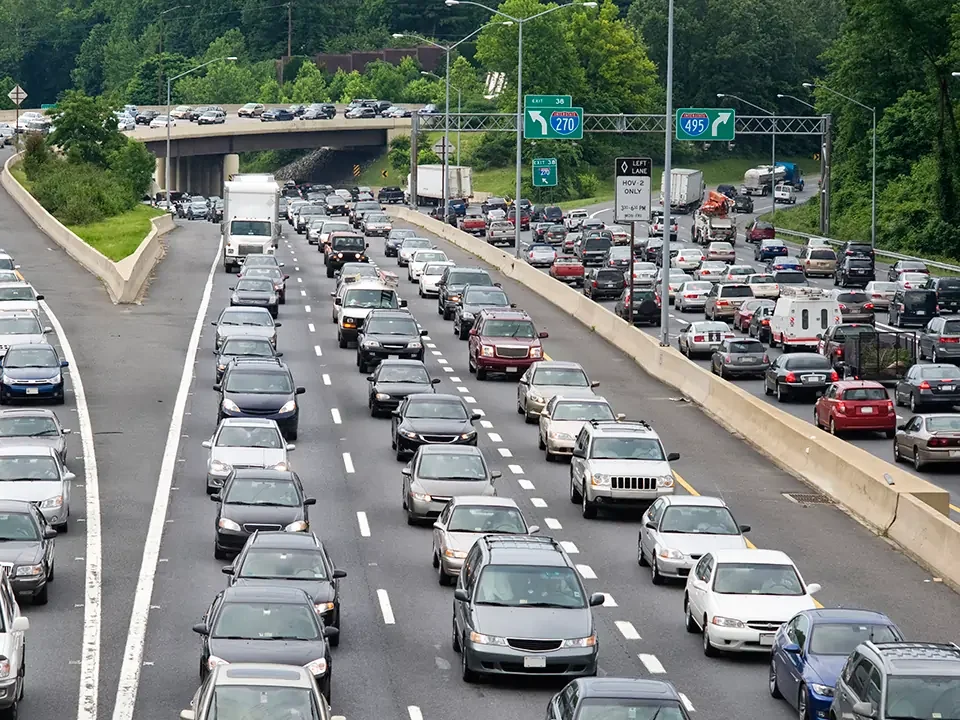
A traffic detection sensor is a device used to detect and collect real-time information from road traffic conditions, including vehicle movement, traffic flow, and surrounding transportation environments. By sensing physical changes and traffic activities, these devices provide reliable data for transportation management, monitoring, and control systems.
As a key component of intelligent transportation systems (ITS), the sensor convert traffic conditions into structured data that can be analyzed by management platforms. They are widely deployed on highways, urban roads, intersections, and other transportation facilities where accurate traffic information is required to support efficient operation and safer mobility.
How Does a Traffic Sensor Work?
A sensor works by detecting changes in road conditions and traffic activities, then converting physical signals such as vehicle movement, speed, and object presence into structured traffic data. Although different sensor technologies use different detection methods, their working process generally follows three main stages: data collection, signal processing, and data transmission.
During operation, smart transportation system collect information from vehicles, pedestrians, and surrounding road conditions, process the raw signals through algorithms, and generate usable traffic information for transportation management. The processed data is then transmitted to traffic platforms, enabling real-time monitoring, traffic control, and improved operational decisions.
Traffic Data Detection
The first stage of a sensor’s operation is collecting signals from the road environment. Based on different detection requirements, sensors use technologies such as electromagnetic sensing, radar detection, video recognition, infrared sensing, and laser scanning to capture information related to vehicles, pedestrians, and road conditions.
These sensing methods provide the raw data needed for further processing, allowing traffic systems to analyze vehicle movement, traffic flow, and road conditions in real time.
Data Processing and Analysis
After collecting raw signals, traffic monitoring system process the data to identify traffic conditions and generate structured traffic information. The processing stage typically includes signal processing, object recognition, data analysis, and filtering to improve detection accuracy and remove abnormal data.
The processed data can be used to determine traffic status, congestion levels, traffic patterns, and vehicle movement characteristics, providing support for traffic monitoring and management systems.
Data Transmission and Integration
After processing, traffic data is transmitted to connected management platforms through wired or wireless communication networks. These platforms may include traffic monitoring systems, intelligent transportation system (ITS) platforms, and cloud-based traffic management systems.
The integrated data enables real-time traffic monitoring, traffic control, and system-level analysis for transportation management.
Types
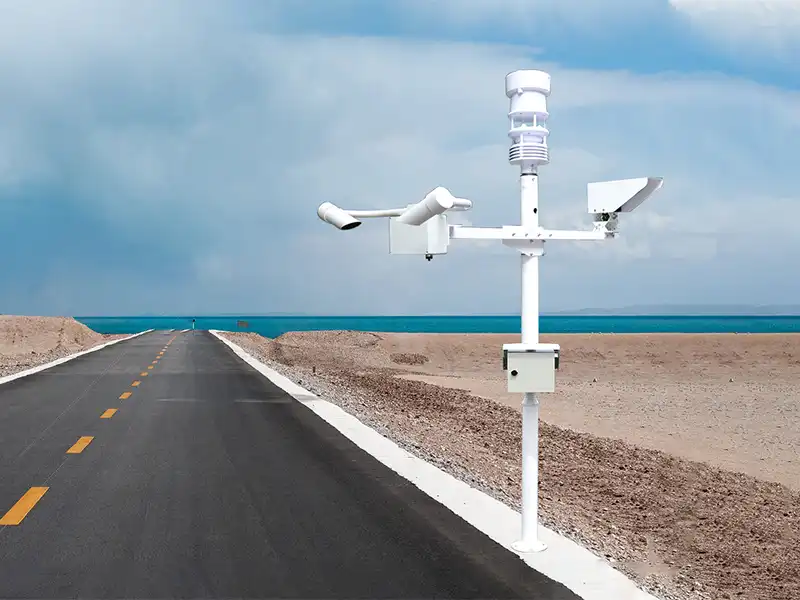
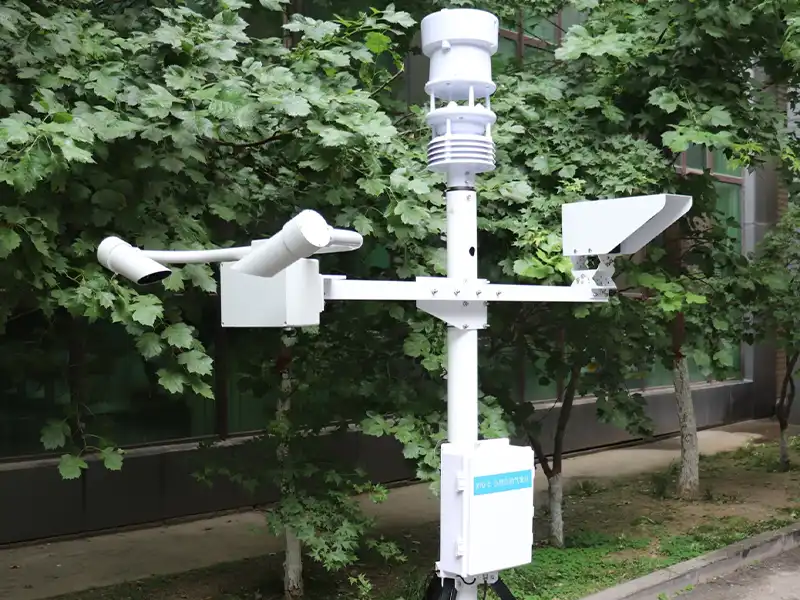
Traffic sensors can be categorized based on their sensing technologies and intended applications. Different sensor types use specific detection methods to collect traffic data, with their suitability depending on factors such as accuracy requirements, installation conditions, and operating environments.
Common traffic monitoring system technologies include inductive loop sensors, radar sensors, video sensors, LiDAR sensors, infrared sensors, ultrasonic sensors, and piezoelectric sensors.
Inductive Loop Intelligent Sensor
Inductive loop smart transportation system are a widely used vehicle detection technology installed beneath the road surface. They detect vehicles by measuring changes in the electromagnetic field when a vehicle passes over the embedded loop.
These sensors provide reliable vehicle presence and traffic volume data and are commonly used for traffic signal control, vehicle counting, and roadway monitoring. However, installation requires pavement cutting, which can increase installation difficulty and maintenance challenges.
Radar Traffic Sensors
Radar traffic sensors use electromagnetic waves to detect vehicle movement, speed, and distance. By analyzing reflected signals from vehicles, they can collect traffic data without direct contact with the road surface.
Radar sensors provide reliable detection in challenging weather conditions, including rain, fog, and darkness. They are commonly used for highway traffic monitoring, speed detection, vehicle tracking, and traffic flow measurement.
Video Traffic Detection Sensor
Video Traffic Detection Sensor use cameras and image processing technologies to capture and analyze road scenes. By applying computer vision algorithms, they can detect vehicles, pedestrians, lane occupancy, and traffic events from video data.
Compared with point-based detection methods, video sensors provide wider-area monitoring and support multiple-object detection and classification. They are commonly used for urban traffic monitoring, intersection control, incident detection, and smart transportation systems.
LiDAR Sensors
LiDAR smart transportation system use laser pulses to measure the distance and position of objects and generate three-dimensional data of vehicles, pedestrians, and road environments. By analyzing reflected laser signals, LiDAR systems can provide detailed spatial information for traffic detection.
With high-resolution 3D sensing capability, LiDAR sensors are suitable for applications requiring accurate object detection and positioning, including advanced traffic monitoring, intersection management, and autonomous driving systems.
Infrared Traffic Detection Sensor
Infrared Traffic Detection Sensor detect vehicles and objects by measuring infrared radiation emitted or reflected within the detection area. They can operate in low-light or nighttime conditions, making them suitable for environments where visible cameras may have limited performance.
These sensors are commonly used for vehicle presence detection, nighttime traffic monitoring, and applications requiring reliable detection under reduced visibility conditions.
Ultrasonic Intelligent Traffic Sensor
Ultrasonic Intelligent Sensor use high-frequency sound waves to detect vehicles and measure distance by analyzing reflected signals. They are mainly used for short-range vehicle detection, parking systems, and localized traffic monitoring.
These sensors are cost-effective and easy to deploy, but their detection performance can be affected by environmental conditions such as temperature changes, wind, and heavy rain.
Piezoelectric Traffic Sensors
Piezoelectric sensors generate electrical signals when vehicles apply pressure to the sensing element. By analyzing these signals, the system can detect vehicle speed, axle information, and other traffic parameters.
These sensors are mainly used for vehicle classification, axle detection, speed measurement, and weigh-in-motion (WIM) systems. They are commonly installed on highways for vehicle overload detection, traffic data collection, and road monitoring applications.
Advantages
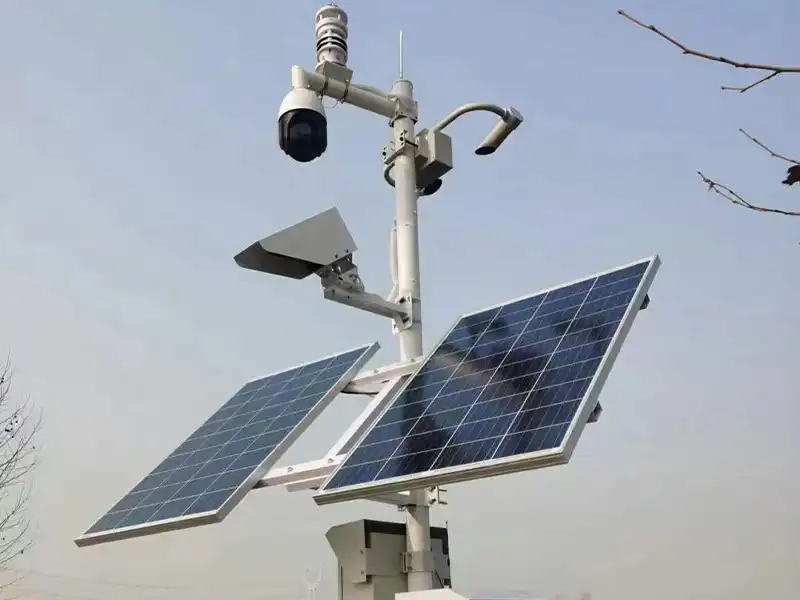
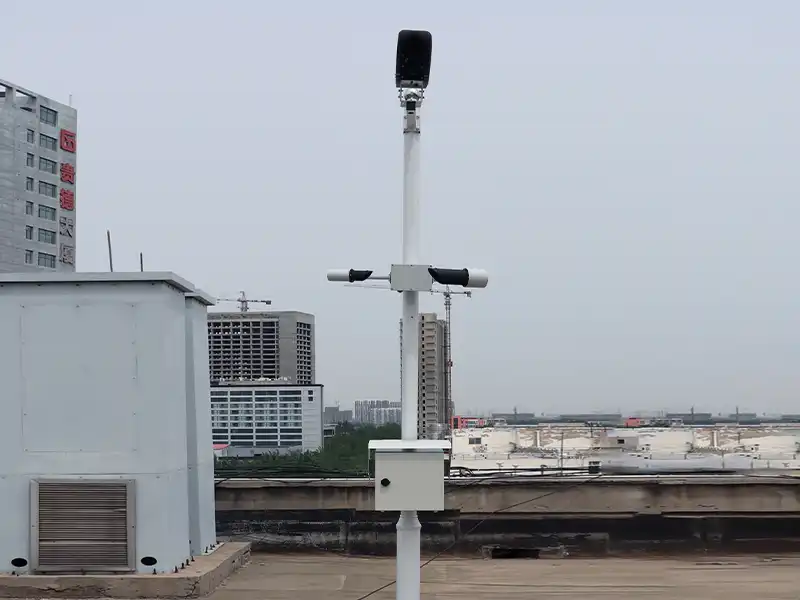
Traffic sensors are essential components of intelligent transportation systems, providing real-time and reliable data for road and infrastructure monitoring. By measuring key environmental parameters such as visibility, air quality, lighting conditions, wind, and noise levels, they help improve traffic safety, optimize system operation, and support smarter decision-making. The key features of the sensor include accurate measurement, strong environmental adaptability, multi-parameter monitoring capability, and seamless system integration.
Real-Time Monitoring and Data Collection
Traffic Detection Sensor continuously collect real-time data on visibility, air quality, lighting, wind, and noise conditions. The collected data helps operators monitor changes, improve response efficiency, and support safer traffic management.
High Measurement Accuracy and Reliability
Advanced smart transportation system provide accurate and stable measurements under various transportation conditions. Reliable data supports traffic safety management, tunnel operation, and infrastructure monitoring.
Strong Environmental Adaptability
Traffic Detection Sensor are designed for outdoor and demanding transportation environments, providing stable performance under conditions such as fog, rain, dust, and temperature changes. Durable designs ensure reliable operation for long-term monitoring applications.
Multi-Parameter Monitoring Capability
Traffic monitoring systems can integrate multiple sensors to measure visibility, air quality, lighting, wind, and noise conditions. Multi-parameter data provides a more comprehensive view of transportation environments and supports effective traffic management.
Easy Integration with Intelligent Transportation Systems
Traffic sensors support standard communication interfaces for integration with traffic management platforms, monitoring systems, and smart city solutions. Centralized data management improves operational efficiency and supports intelligent transportation applications.


Environmental Monitoring Sensors in Intelligent Transportation Systems
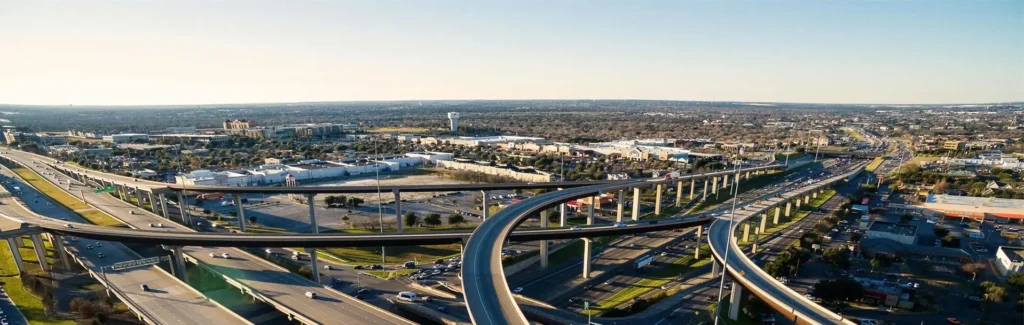
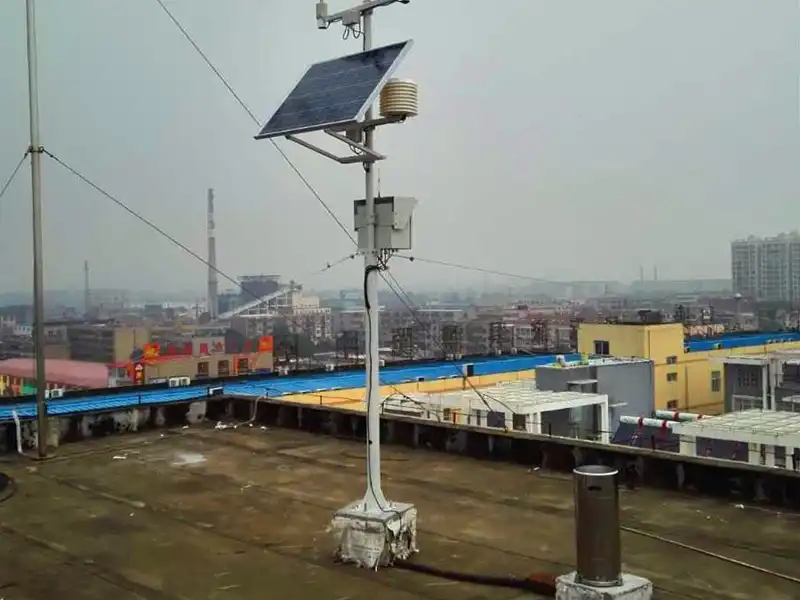
Environmental monitoring sensors are an important component of intelligent transportation systems (ITS), extending traffic perception beyond vehicle detection and traffic flow monitoring. These sensors collect information about road and environmental conditions, such as visibility, road surface status, air quality, and tunnel conditions, providing additional data for safer and more efficient transportation management.
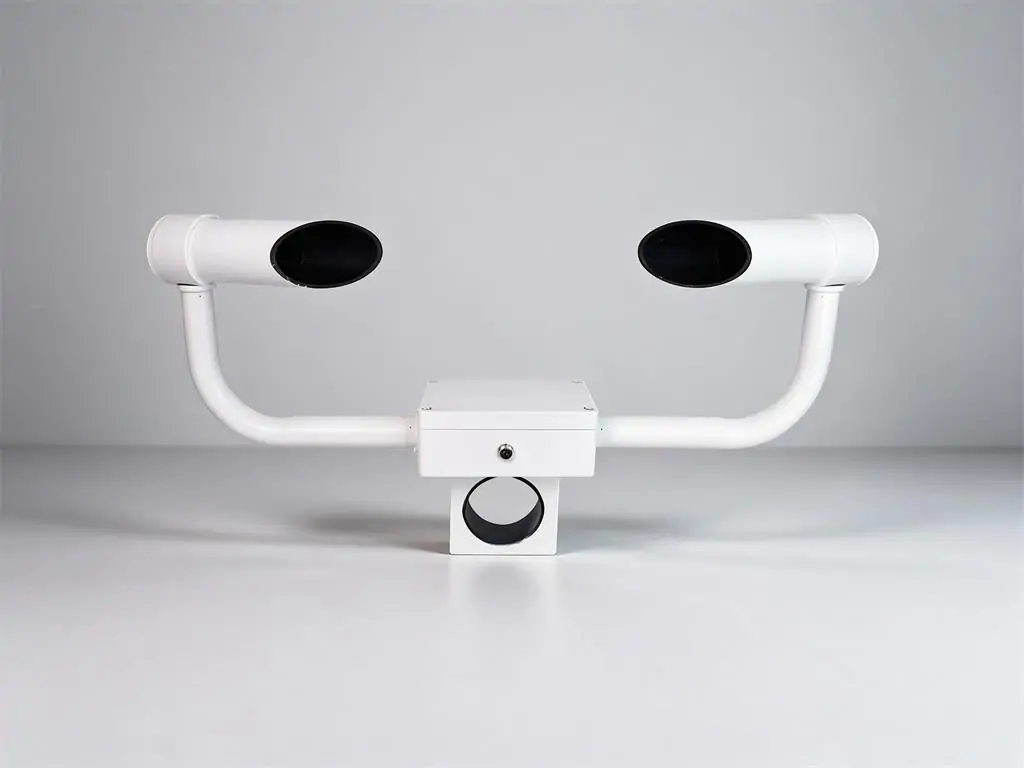
XF-CQ10 forward scatter visibility sensor for road
The XF-CQ10 Forward Scatter Visibility Sensor is designed to measure atmospheric visibility and meteorological optical range (MOR) using forward scattering optical technology. It provides real-time visibility data under conditions such as fog, haze, and dust, helping highways, tunnels, airports, and other transportation systems improve low-visibility monitoring and safety management.
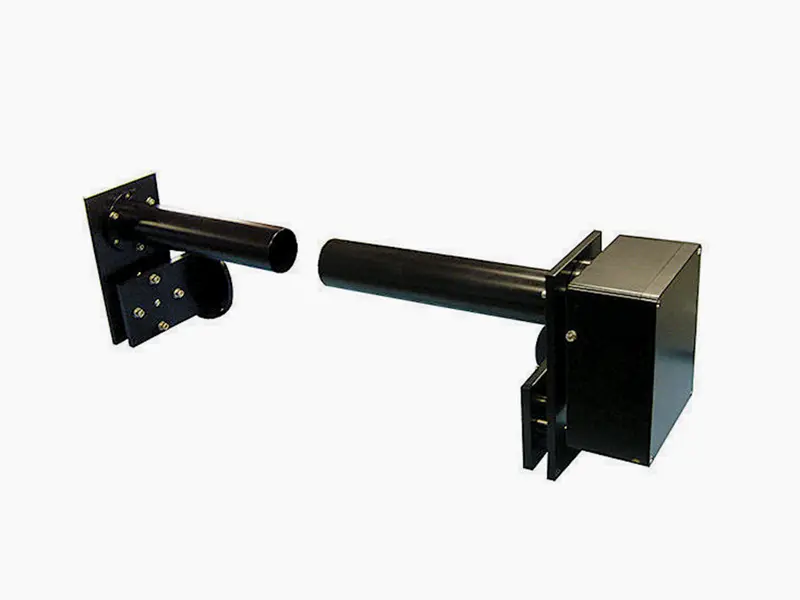
XF-CQ15 Tunnel Air Quality Monitoring System
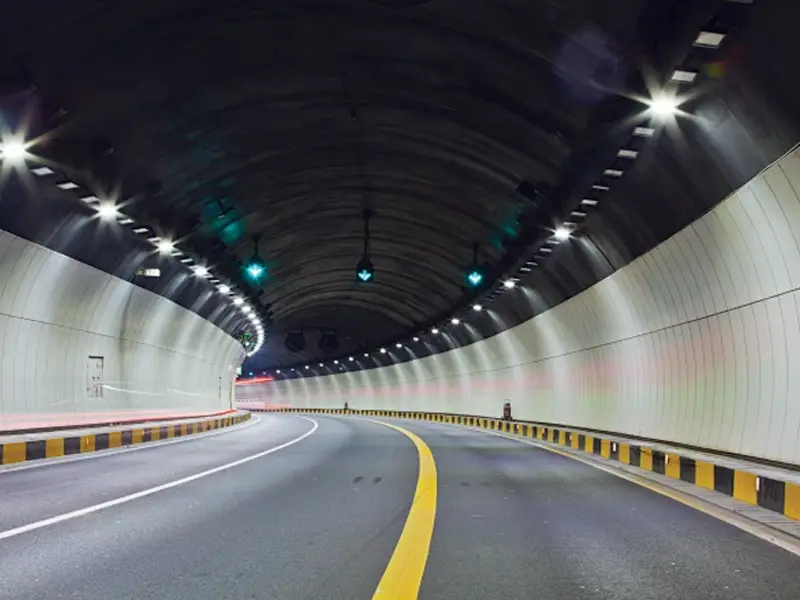
The XF-CQ15 Tunnel Air Quality Monitoring System is designed for tunnels, underground passages, and other enclosed transportation environments. It monitors key parameters including CO, NO₂, visibility, particulate matter, airflow, temperature, and humidity to provide real-time environmental data. With accurate measurement and stable operation, the system supports tunnel ventilation control, safety management, and intelligent transportation applications for highway, railway, and urban tunnel projects.
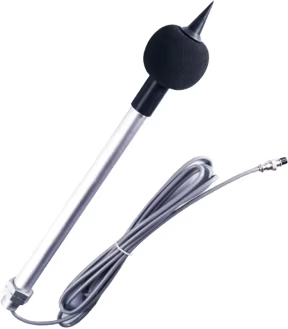
RY-CZS/485 Tube Smart RS485 Digital Output Microphone Outdoor Noise Sensor
The RY-CZS/485 Tube Smart RS485 Digital Output Microphone Outdoor Noise Sensor is designed for outdoor and industrial noise monitoring applications. Featuring a stainless steel tubular housing, high-sensitivity microphone, and digital processing technology, it accurately measures environmental sound levels and outputs real-time noise data. With reliable performance and easy installation, it is suitable for traffic noise monitoring, environmental assessment, industrial safety management, and smart city applications.
Types Comparison
Traffic sensors provide real-time environmental data for highways, tunnels, and smart transportation systems. Different sensor types are designed to measure specific parameters such as visibility, air quality, illumination, wind conditions, and noise levels. Choosing the right sensor depends on the installation environment, monitoring requirements, and integration with traffic management systems.
| Sensor Type | Main Parameters | Applications |
| Visibility Sensor | MOR, fog, haze, dust | Highways, tunnels, airports |
| Tunnel Air Quality Sensor | CO, CO₂, NO₂, PM, temperature, humidity | Tunnel ventilation and safety management |
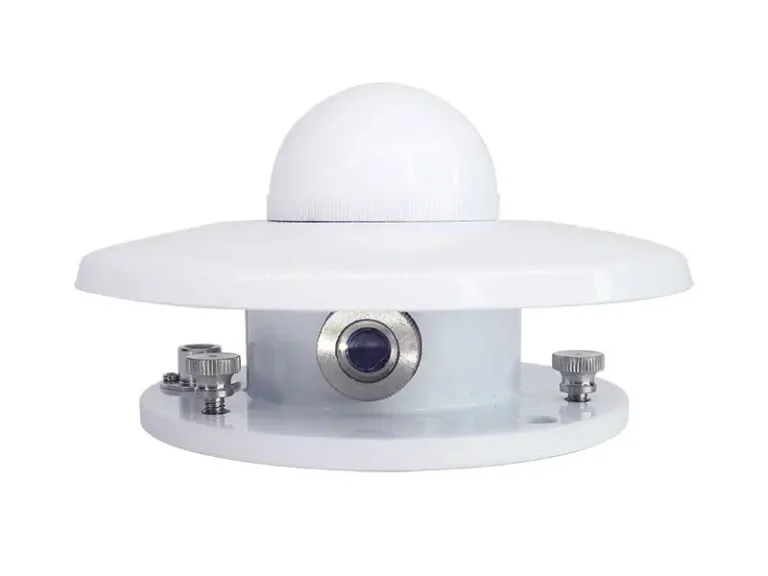
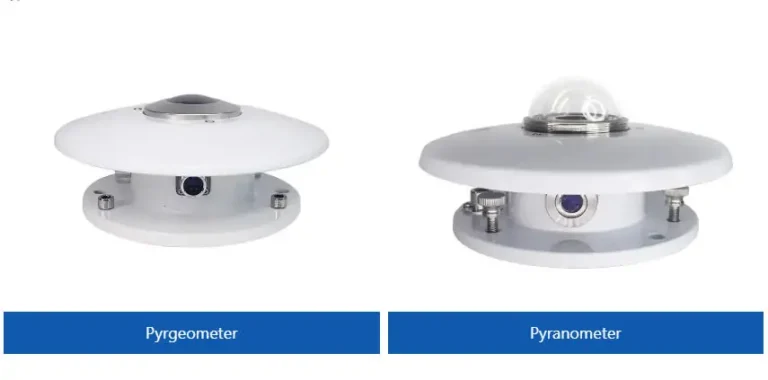
| Illuminance Sensor | Light intensity (Lux) | Tunnel and road lighting control |
| Luminance Sensor | Luminance level | Tunnel lighting optimization |
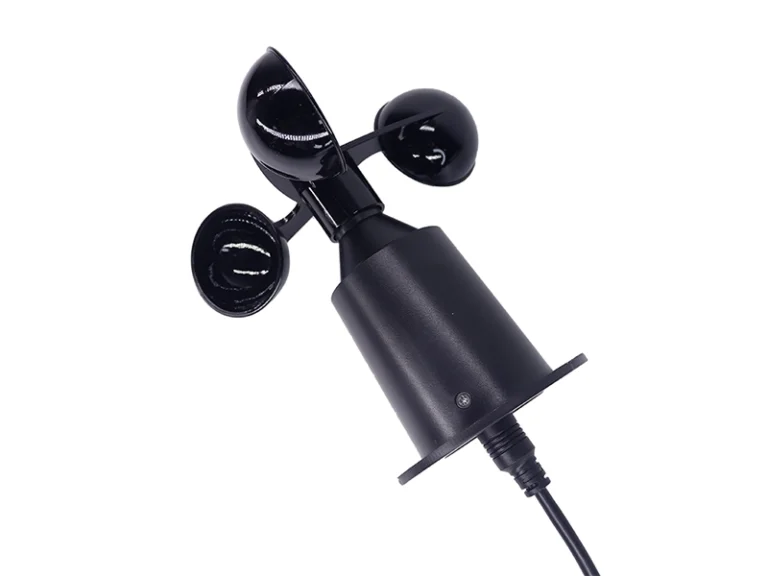
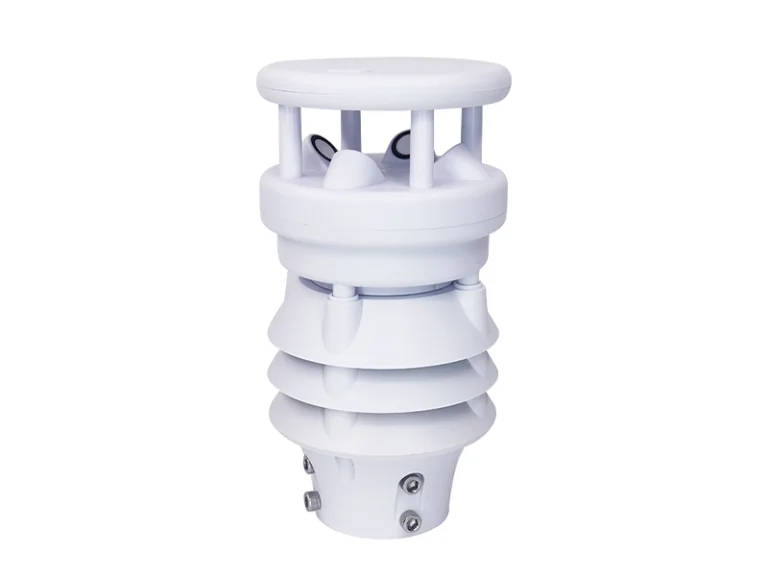
| Wind Speed & Direction Sensor | Wind speed, wind direction | Tunnel ventilation, weather monitoring |
| Noise Sensor | Sound level (dB) | Traffic noise monitoring, environmental assessment |
Applications
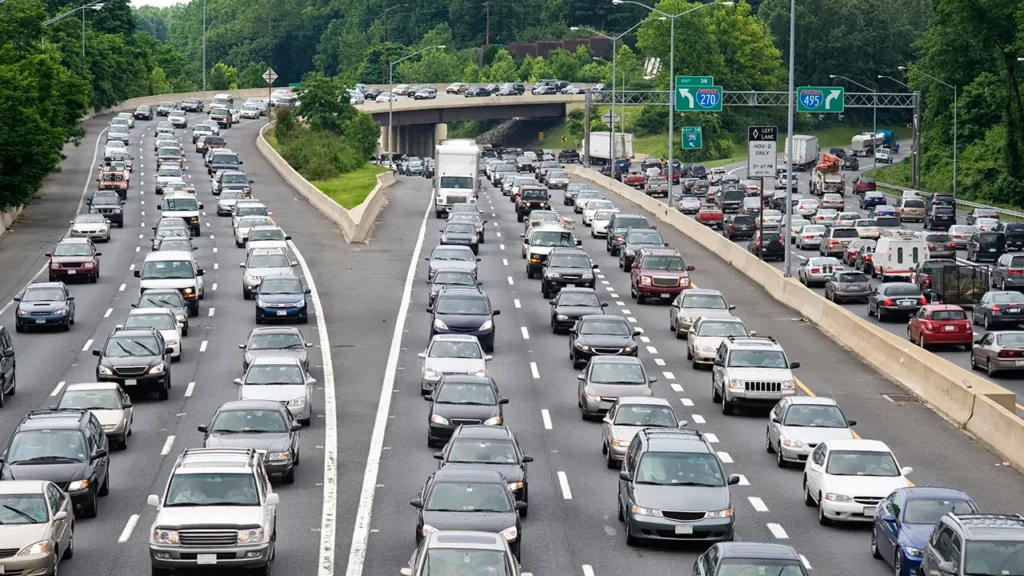
Traffic sensors provide real-time environmental and operational data for highways, tunnels, urban roads, and intelligent transportation systems. By monitoring visibility, air quality, lighting, wind, and noise conditions, these sensors help improve traffic safety, optimize infrastructure management, and support smarter transportation operations across various applications.
Highway Traffic Monitoring
Traffic Detection Sensor help monitor highway environments by collecting real-time data on visibility, weather conditions, and road surroundings. These sensors support low-visibility warnings, traffic safety management, and efficient highway operation by providing reliable information for transportation systems.
Intelligent Transportation Systems (ITS)
Traffic sensors are essential components of intelligent transportation systems (ITS). They collect real-time traffic and environmental data to support traffic management, road monitoring, and intelligent transportation control.
Smart City Traffic Management
smart transportation system support smart city traffic management by providing real-time data on urban transportation and environmental conditions. The collected information helps improve traffic efficiency, road monitoring, and public safety.
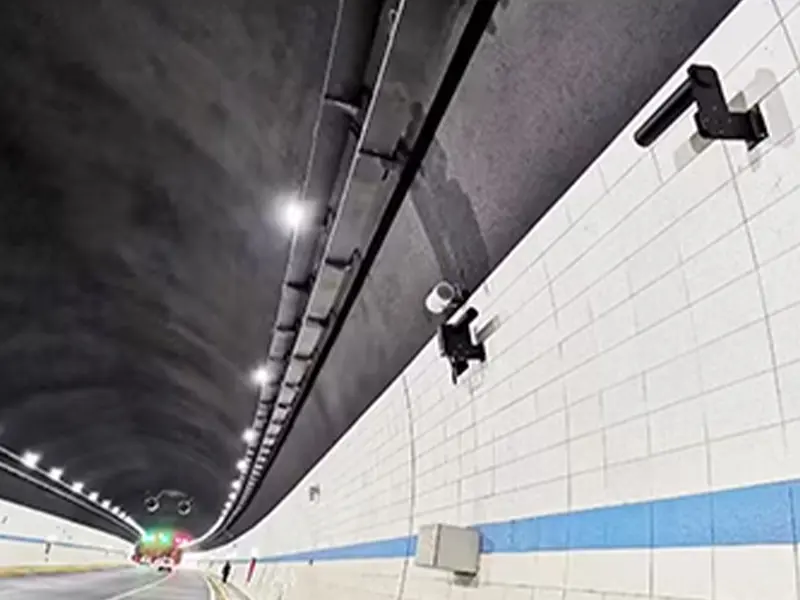
Tunnel Safety and Operation Management
Traffic sensors help improve tunnel safety by monitoring air quality, visibility, lighting, and airflow conditions. The collected data supports ventilation control, lighting adjustment, and safe tunnel operation.

Challenges and Limitations
Traffic sensors are essential for modern transportation systems, but their performance can be affected by complex operating environments. Weather conditions such as rain, fog, snow, dust, and temperature changes may impact detection accuracy. Proper sensor selection, installation, calibration, and regular maintenance are important to ensure reliable data collection and long-term operation.
Another challenge is maintaining data accuracy and system compatibility in large-scale deployments. Factors such as vehicle occlusion, signal interference, and different communication standards can affect sensor performance. Advanced technologies, including AI-based data processing and sensor fusion, help improve detection reliability, while seamless integration with ITS platforms ensures efficient traffic management.
How to Choose the Right Traffic Sensor?
Selecting the right traffic sensor requires considering the actual application environment, detection requirements, and system objectives. Based on real transportation projects, factors such as traffic volume, detection range, road conditions, weather adaptability, and integration requirements should be evaluated before selecting a sensor.
For example, highway monitoring projects usually require sensors with longer detection distances and stable performance under changing weather conditions, while urban intersections may focus more on vehicle counting, classification, and traffic flow analysis. In tunnel applications, visibility, air quality, and environmental monitoring capabilities are often critical. Selecting suitable sensor specifications, including detection range, accuracy, communication interface, and operating conditions, helps ensure reliable data collection and long-term system performance.
Traffic Sensor vs Traffic Camera: What Is the Difference?
Intelligent Traffic Sensor and traffic cameras are both widely used for traffic monitoring, but they serve different purposes. The main differences are reflected in their detection methods, data output, advantages, limitations, and typical applications. The table below provides a quick comparison.
| Feature | Traffic Sensor | Traffic Camera |
| Main Purpose | Traffic data collection | Visual monitoring |
| Output | Traffic data such as speed, volume, and vehicle detection | Images and videos |
| Detection Method | Radar, LiDAR, loop detection, and other sensors | Video and image recognition |
| Advantages | Accurate traffic measurement, continuous monitoring, less affected by lighting conditions | Rich visual information, can identify vehicle appearance and details |
| Limitations | Limited ability to recognize colors, text, or detailed images | More affected by lighting, rain, fog, and image quality |
| Typical Applications | Traffic flow monitoring, speed detection, vehicle counting, ITS control | License plate recognition, traffic violation detection, video surveillance |
Future Trends of Traffic Sensor Technology
Traffic sensor technology is evolving toward smarter, more connected, and more integrated solutions. By combining AI, IoT, edge computing, and V2I communication, modern traffic monitoring system can deliver more accurate real-time data, improve traffic analysis, and support faster decision-making in transportation systems. Future traffic sensors will become key data sources for intelligent transportation networks, enabling more efficient traffic management, safer road operations, and smarter infrastructure development.

Conclusion
Traffic sensors have become essential components of modern transportation infrastructure by providing accurate and real-time data for traffic monitoring, road safety management, and intelligent transportation systems (ITS). Different application scenarios, such as highways, tunnels, urban roads, and smart cities, require different sensing technologies based on detection requirements, environmental conditions, accuracy, and system integration needs.
Selecting the right Traffic Detection Sensor requires a balance between performance, reliability, maintenance requirements, and compatibility with existing traffic management systems. With the continuous development of AI, IoT, edge computing, and V2I communication technologies, traffic monitoring system will continue to improve data intelligence and support the evolution of safer, more efficient, and smarter transportation networks.Contact us to discuss the right traffic monitoring system solution for your transportation monitoring needs.