Introduction
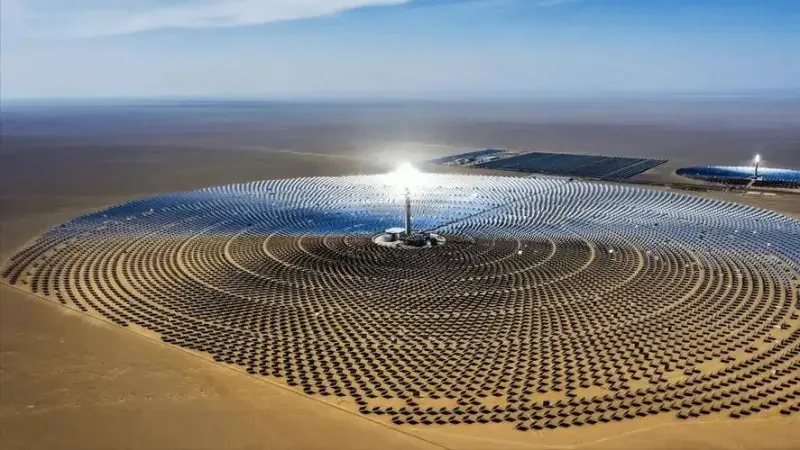
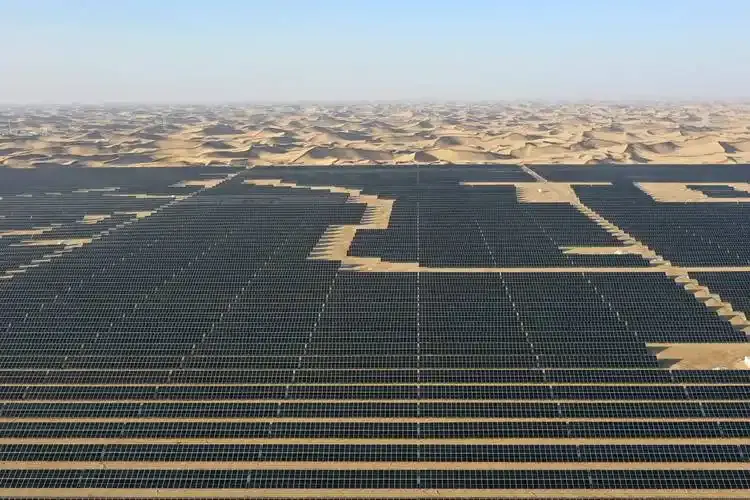
Desert solar farms receive abundant sunlight, but dust buildup, high module temperatures, and sandstorms can affect PV performance. For project developers and O&M teams, the challenge is to identify these effects and use monitoring data to guide maintenance decisions, especially at remote sites.
Desert Solar Monitoring Solutions combine solar irradiance, module temperature, soiling, weather, and PV operating data to help operators assess site conditions and performance changes. As discussed in Environmental Monitoring for Utility-Scale Solar Farms, environmental data also supports broader plant monitoring. This article covers key measurement parameters, data analysis, and sensor selection for desert PV projects.For projects in hot climates, High Temp Solar Monitoring explains how to select temperature sensors and monitoring equipment for solar installations exposed to extreme heat.
Why Do Desert Solar Farms Need Specialized Monitoring?
Desert solar farms face specific challenges that affect energy yield and maintenance planning, including dust accumulation, high module temperatures, and frequent sandstorms. Desert Solar Monitoring Solutions combine environmental measurements with PV operating data to help operators distinguish weather-related fluctuations from soiling losses and potential equipment problems.
Dust Accumulation and Solar Panel Soiling
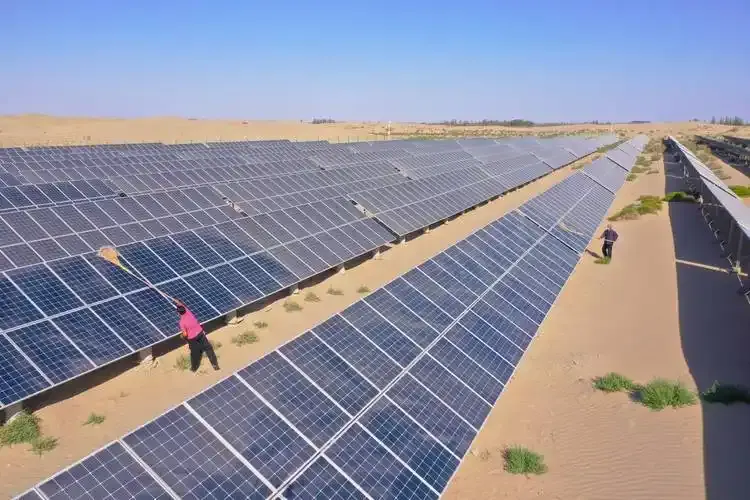
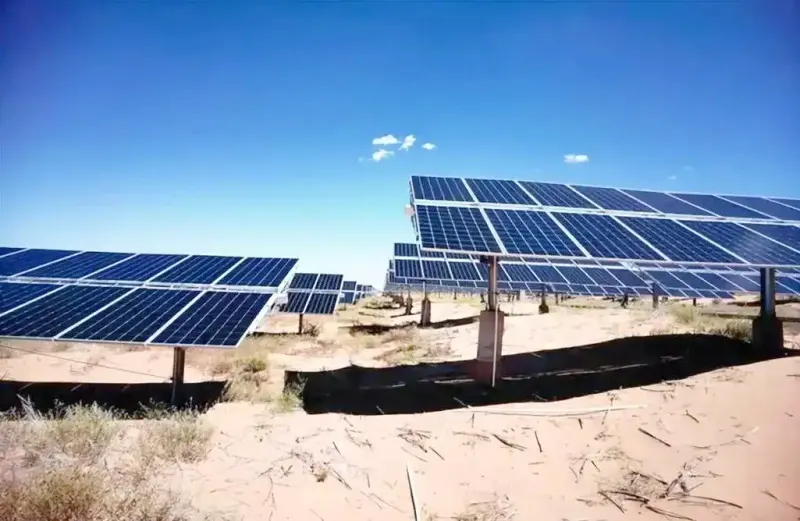
Dust and sand deposits reduce the sunlight reaching PV cells, but visible dirt alone cannot reliably indicate the resulting power loss. Accumulation depends on particle properties, wind conditions, module tilt, rainfall, and cleaning frequency.
Solar soiling monitoring uses dedicated soiling sensors or comparisons between clean and soiled reference modules to estimate performance losses. This solar panel dust monitoring data helps operators weigh potential energy recovery against cleaning costs, water availability, and site conditions before scheduling maintenance. For desert solar farm monitoring, this supports cleaning decisions based on measurements rather than visual inspections alone.
High Temperatures and Solar Irradiance Variations
High ambient temperatures can raise PV module temperatures, but air temperature and module temperature are different measurements. Most conventional PV modules lose some output as cell temperature rises; the actual effect depends on the module’s temperature coefficient.
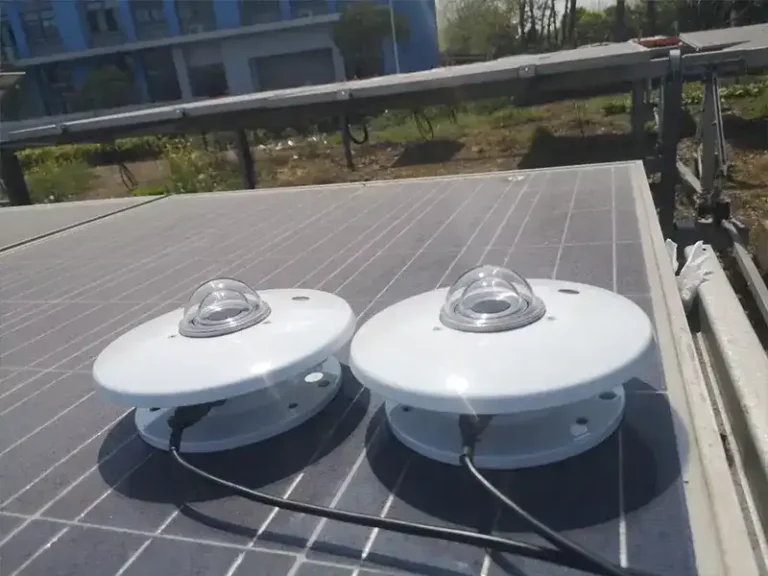
Combining solar irradiance monitoring with PV module temperature monitoring helps explain power fluctuations under changing weather conditions. A pyranometer measures solar irradiance, while a module temperature sensor tracks module heating. For more reliable performance diagnosis, operators should also review inverter status, power output, curtailment, and downtime records.
Sandstorms, Wind Exposure, and Remote Operations
Sandstorms can reduce incoming sunlight, deposit fresh dust on modules, and expose monitoring equipment to blowing particles. Wind speed, wind direction, rainfall, and irradiance help characterize site conditions, while dedicated soiling measurements are needed to assess dust-related losses.
A solar weather monitoring system for desert sites should account for sensor exposure, maintenance access, and communication reliability. Data logging and remote access help operators identify missing or unusual readings, particularly at sites where inspections require long travel distances. For a related overview of weather monitoring in a different PV installation environment, see Weather Monitoring for Rooftop Solar Systems.
What Parameters Should a Desert Solar Monitoring System Measure?
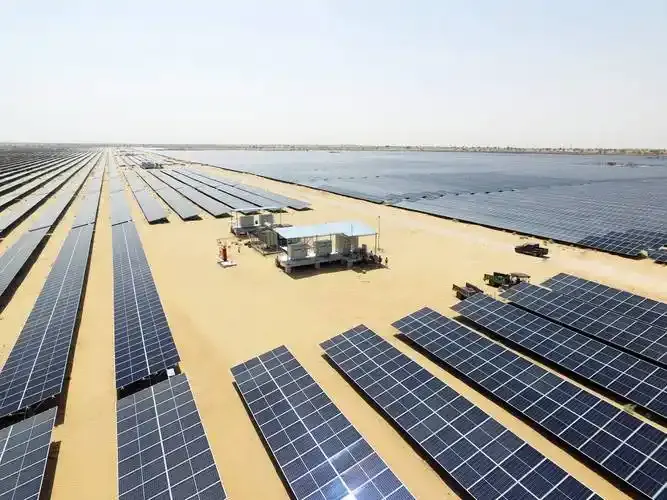
A desert solar monitoring system needs to track the conditions that affect PV output, from changing sunlight and module temperature to dust buildup and wind. The right combination of measurements helps O&M teams understand performance changes and decide when maintenance is needed.
Solar Irradiance Monitoring: GHI vs. POA
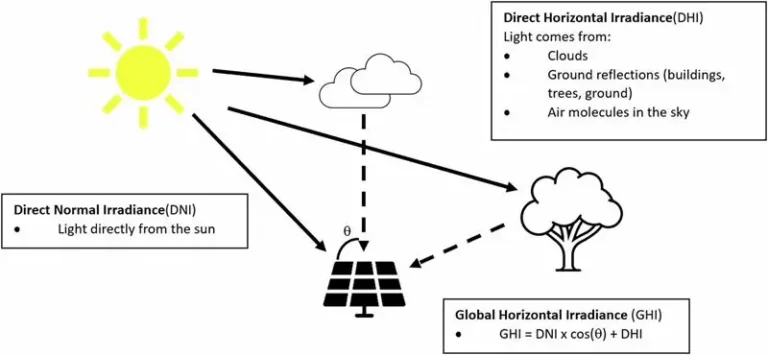
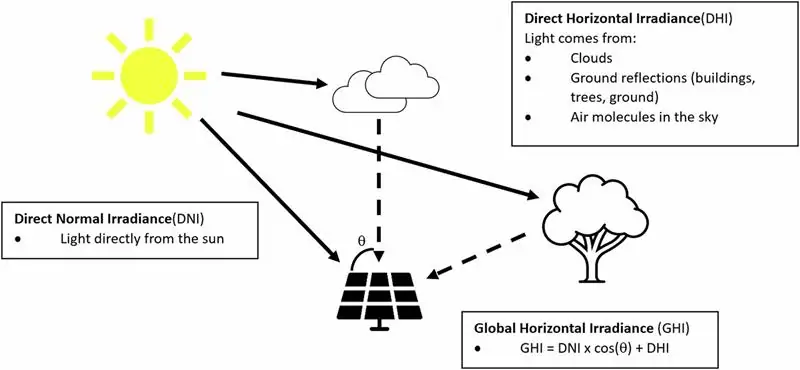
Solar irradiance data provides a reference for assessing how much sunlight reaches a PV plant. Global Horizontal Irradiance (GHI) measures sunlight received by a horizontal surface, while Plane-of-Array (POA) irradiance measures sunlight on the same plane as the PV modules. GHI is useful for assessing local solar conditions, whereas POA is more directly related to the sunlight reaching the modules.
For a desert PV plant, the choice depends on the monitoring objective and module layout. When selecting a pyranometer for solar monitoring, consider measurement accuracy, spectral and cosine response, site conditions, and calibration requirements.
To understand the differences between irradiance measurements, see [What Is GHI, DNI, and DHI in Solar Energy?]. For projects that require direct beam radiation data, [How to Measure Direct Normal Irradiance (DNI) Accurately] explains the measurement approach. You can also refer to [How to Measure Solar Irradiance for Photovoltaic Systems] for guidance on PV irradiance measurement.
PV Module Temperature and Ambient Temperature
Air temperature does not tell the whole story. Under strong sunlight, a PV module can become much hotter than the surrounding air, affecting its electrical output. The size of this effect depends on the module’s temperature coefficient and operating conditions.
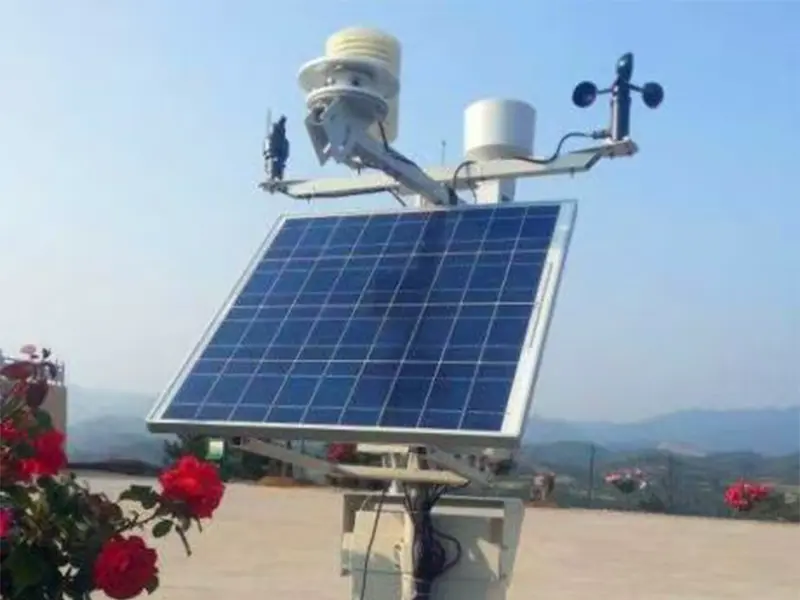
Monitoring PV module temperature alongside ambient temperature and irradiance helps explain changes in power output. The temperature sensor should be attached and positioned appropriately to represent the module being monitored. For meaningful performance analysis, compare temperature readings with irradiance, inverter data, and actual power output instead of treating temperature as the only cause of a drop in generation.
Solar Soiling Sensors and Weather Sensors
Wind can carry dust onto module surfaces, while rainfall may remove some of the accumulated deposits. Wind speed, wind direction, and rainfall records help operators understand these events, but weather data alone cannot show how much energy is being lost to soiling.
Solar soiling monitoring provides a more direct way to assess dust-related losses. Depending on the system, this may involve dedicated soiling sensors or a comparison between clean and soiled reference modules. Operators can review the results alongside irradiance and PV output to judge whether cleaning is likely to recover enough energy to justify the cost. For more detail, see [Solar Soiling Loss Monitoring].
Main Parameters at a Glance
| Monitoring parameter | What it helps operators assess | Practical consideration |
| Solar irradiance | Changes in available sunlight and expected PV output | Choose GHI or POA according to the monitoring objective |
| PV module temperature | Temperature-related changes in module output | Do not use ambient temperature as a substitute for module temperature |
| Soiling level | Energy loss associated with dust accumulation | Use an appropriate measurement method and maintain reference sensors or modules |
| Wind speed and direction | Wind exposure and conditions that may transport dust | Select an exposed but suitable measurement location |
| Ambient temperature | Local air conditions around the PV plant | Interpret alongside module temperature |
| Rainfall | Rain events that may affect module cleanliness | Do not assume rainfall has fully cleaned the modules |
| PV power and inverter data | Actual plant response to environmental conditions | Check for curtailment, inverter faults, and downtime before attributing losses to weather or soiling |
How Does a Desert Solar Monitoring System Work?
A desert solar monitoring system brings together site measurements and PV operating data. This allows O&M teams to assess changing conditions and investigate why a plant’s output may be falling.
Sensor Data Collection and Transmission
Sensors measure solar irradiance, module temperature, weather conditions, and soiling. A data logger records each reading with a timestamp and sends the data through RS485/Modbus, Ethernet, or a suitable wireless connection. At remote desert sites, stable power, local data storage, and reliable communications are essential to reduce gaps in monitoring records.
Data Analysis, Alarms, and Monitoring Platforms
The monitoring platform compares sensor readings with inverter status and PV output to flag changes that may need investigation, such as possible soiling losses or temperature-related power reductions. Solar farm performance monitoring helps operators compare site conditions with actual generation, while remote solar plant monitoring gives teams access to data without visiting the site.
Alerts alone cannot confirm a fault, so engineers should check equipment status and operating conditions before deciding on maintenance. If the system will connect to an existing SCADA platform, protocol and data compatibility should be checked during planning.For practical guidance on comparing system capabilities and requirements, see [How to Choose the Right PV Monitoring System].
Recommended Sensors for Desert Solar Farm Monitoring
Desert PV projects may need to monitor irradiance, module temperature, weather conditions, and dust-related losses. The right sensor setup depends on which performance factors the O&M team needs to track, how the data will be used, and whether the equipment must connect to an existing monitoring platform.
Compact Weather Sensors for PV Monitoring
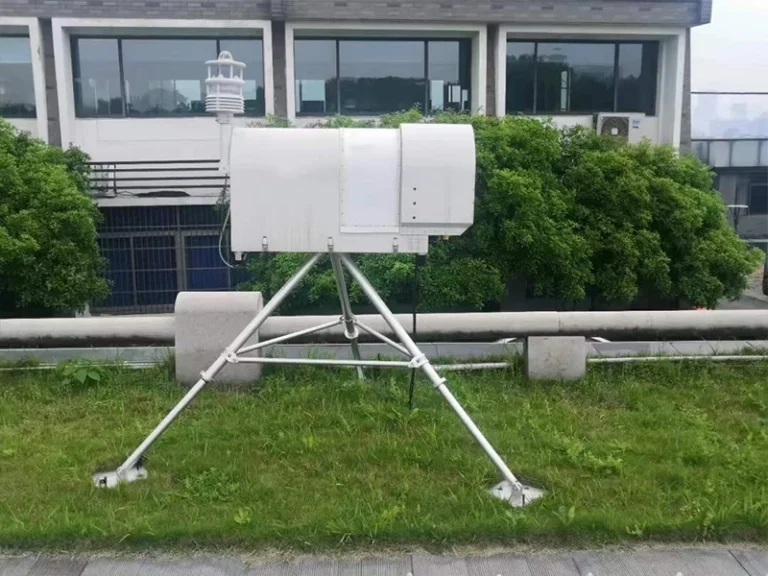
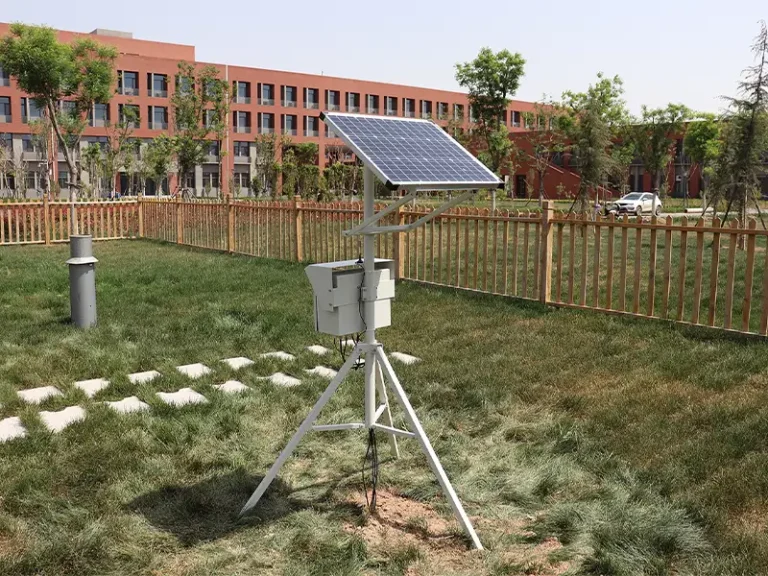
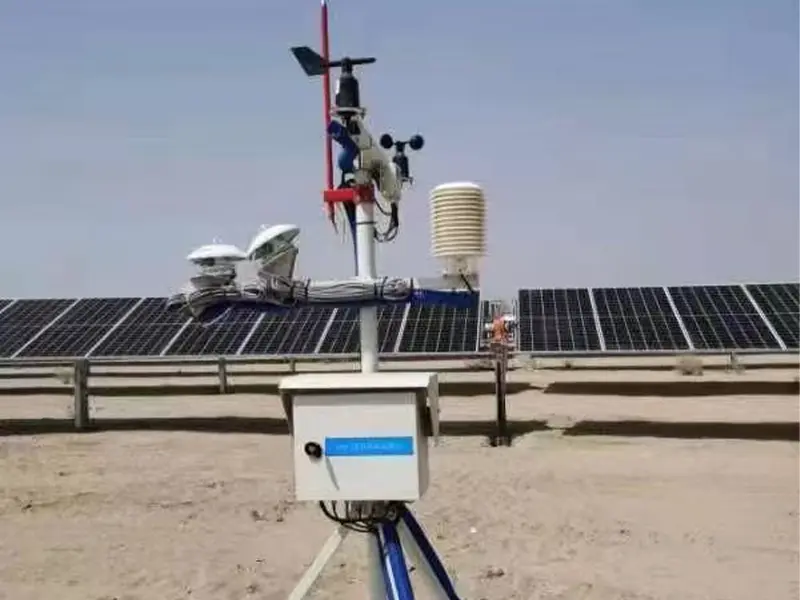
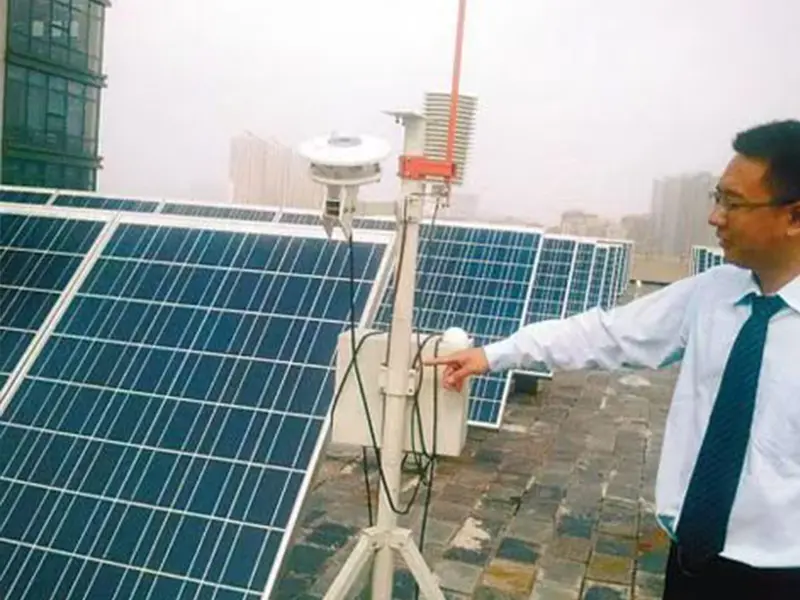
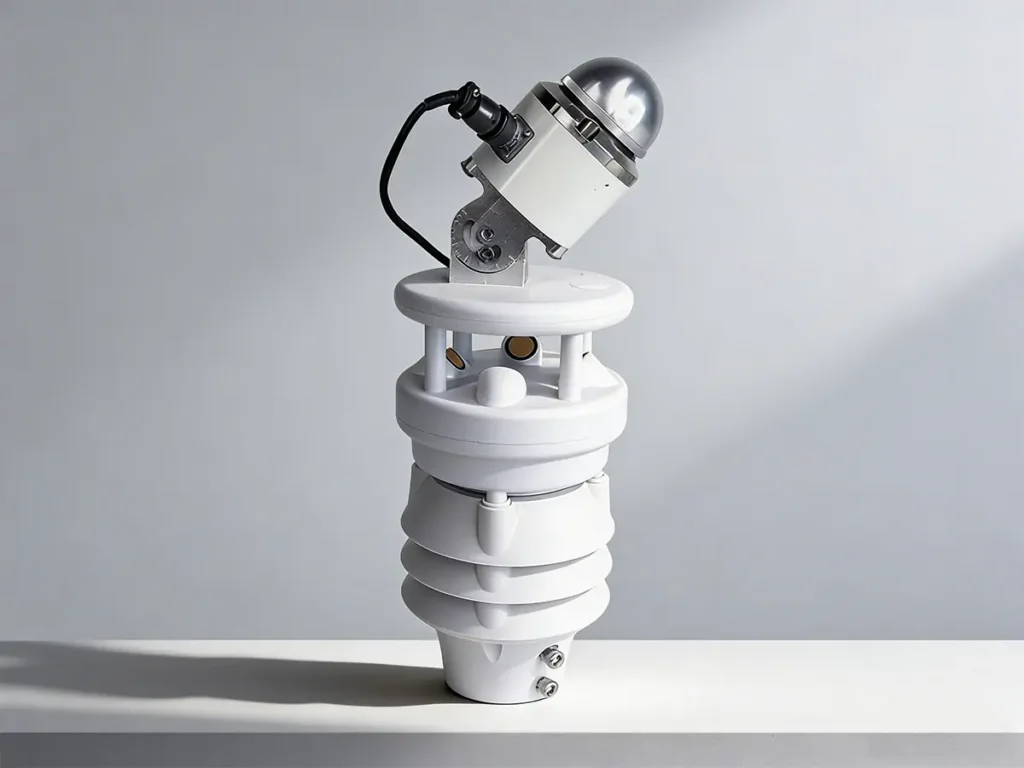
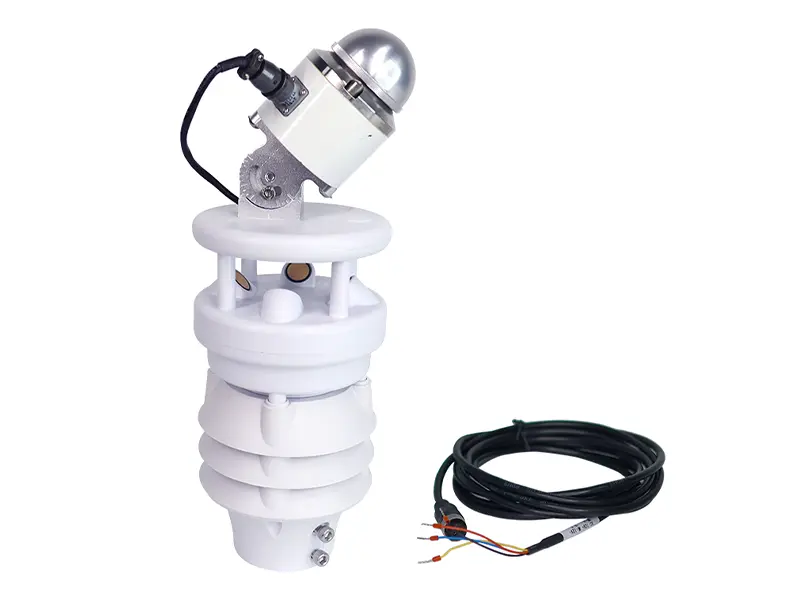
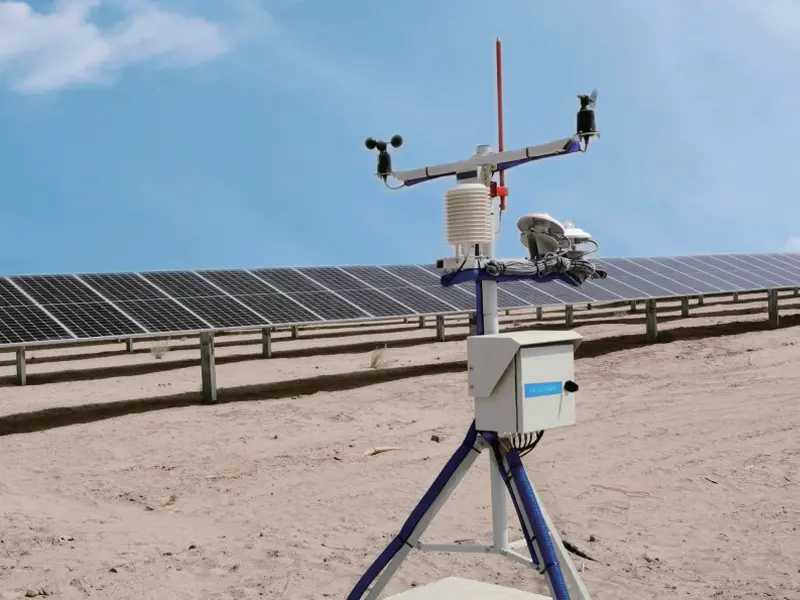
The XF500S-CWB Compact Weather Sensor is an option for projects that need several PV-related and weather measurements in a compact device. The Solar Monitoring Weather Station is another option for monitoring key parameters such as irradiance and module temperature, subject to the selected configuration.
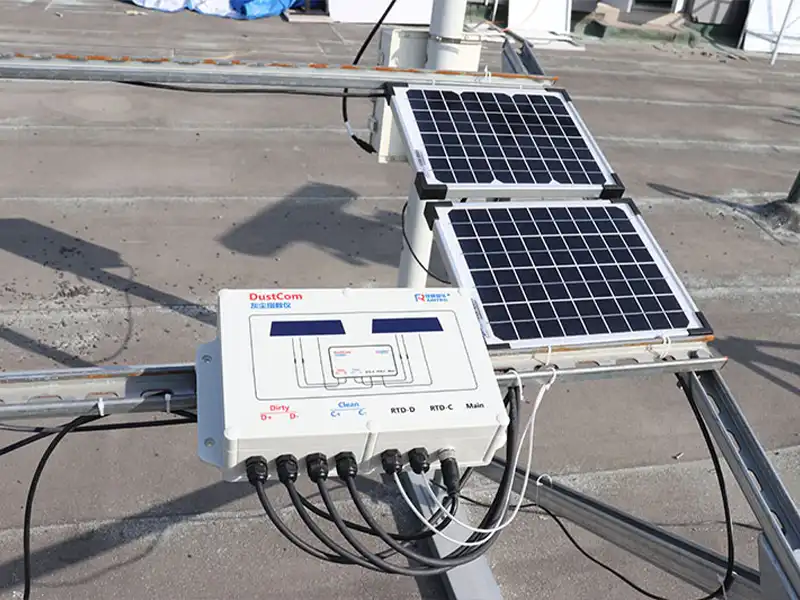
DustCom Photovoltaic Dust Index Monitoring System
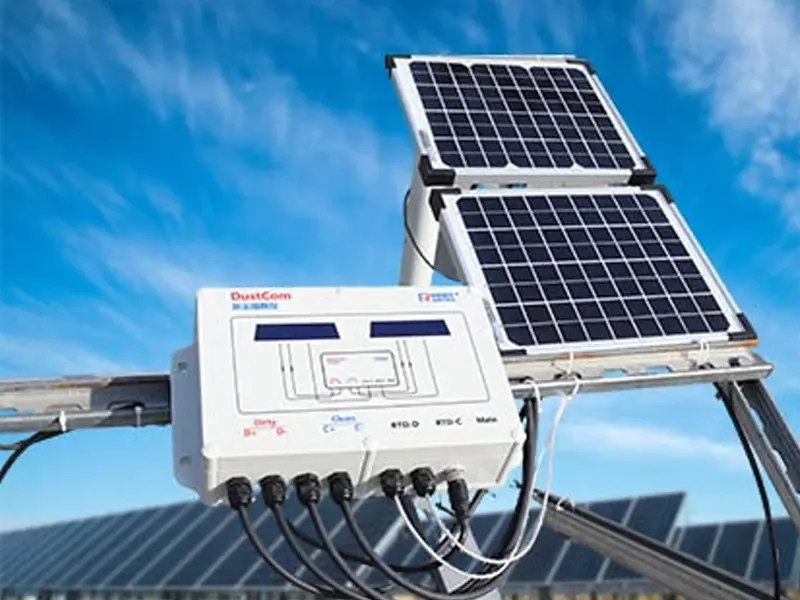
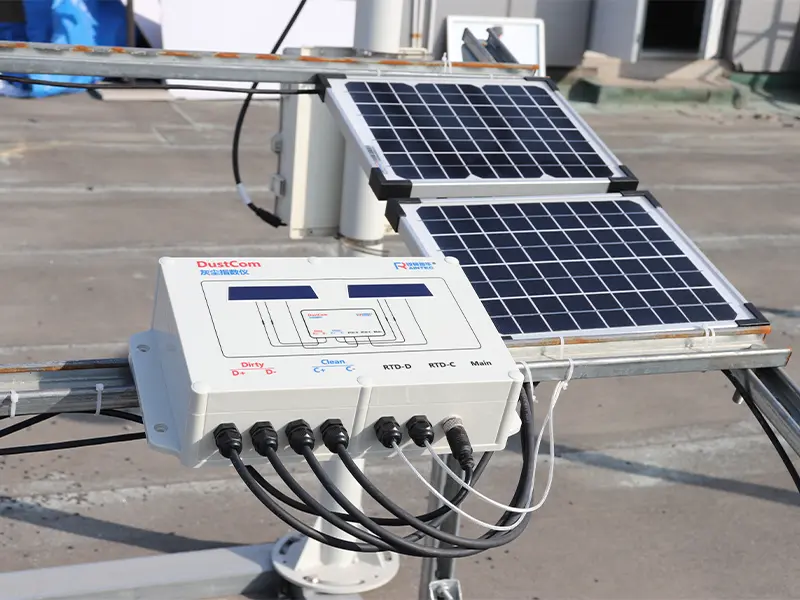
The DustCom Photovoltaic Dust Index Monitoring System is designed to monitor soiling-related changes in PV performance. Its readings can help O&M teams assess dust accumulation and decide when cleaning may be justified. For desert sites, soiling data is most useful when reviewed alongside irradiance, power output, and cleaning records.
Weather Monitoring Stations for Solar Farms
The Solar Photovoltaic Environmental Monitoring Station is worth considering when a project requires coordinated environmental measurements. Before selection, confirm the required sensors, communication interfaces, power supply, and data acquisition compatibility against the actual station configuration.
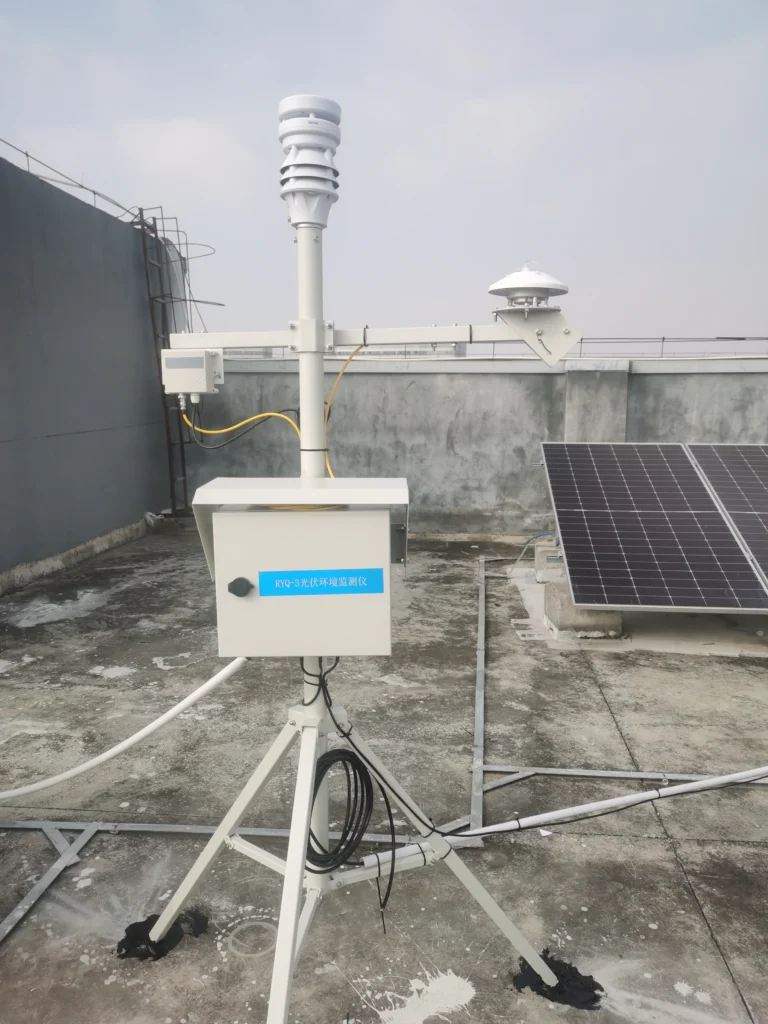
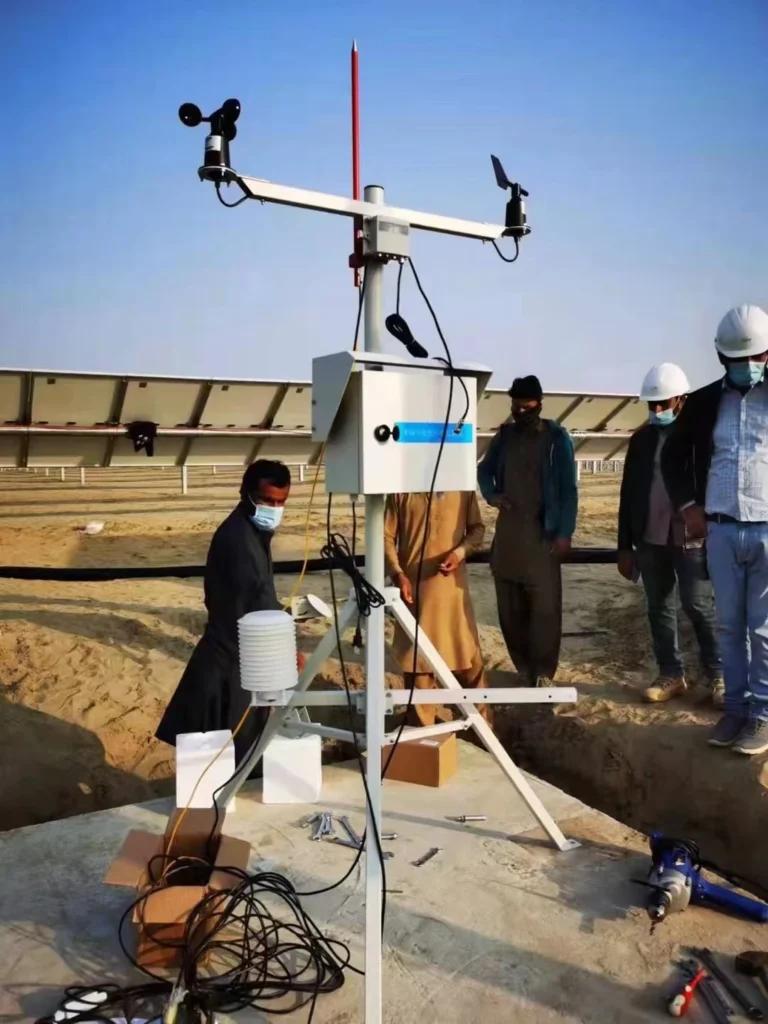
For desert installations, also evaluate dust exposure, temperature range, sensor mounting, communication reliability, and access for inspection and maintenance. An enclosure rating or operating-temperature specification alone does not guarantee suitability for every site; the complete configuration must match the project’s environmental conditions.
How to Measure and Identify Dust-Related Power Loss in Desert Solar Plants?
Dust buildup can reduce the amount of sunlight reaching PV cells, but a fall in power output does not necessarily mean the panels need cleaning. In desert solar plants, operators need to compare soiling measurements with irradiance, module temperature, and inverter data to understand what is affecting generation. This helps avoid unnecessary cleaning and makes maintenance decisions more evidence-based.
Compare Clean and Soiled Reference Measurements
A practical way to estimate solar panel soiling loss is to compare a clean reference module with a soiled one exposed to similar conditions. The difference in their measured performance helps indicate how much dust may be affecting PV output.
For reliable solar soiling monitoring, the modules should have comparable specifications, tilt, orientation, and exposure. Their cleaning status and measurement conditions must also be consistent. A power difference between two unrelated modules is not enough to calculate a dependable soiling-loss percentage. Camera-based monitoring can show where dust accumulates, but the amount of visible dirt does not directly indicate how much energy has been lost.
Separate Soiling Loss from Temperature and Weather Effects
Before blaming dust for lower generation, check the other data that can explain the change:
- Solar irradiance: Was less sunlight reaching the modules during the comparison period?
- Module temperature: Did higher cell or module temperatures contribute to lower output?
- Inverter and grid records: Were there faults, downtime, or power curtailment?
- Soiling measurements: Did the measured increase in soiling coincide with the drop in generation?
For solar farm performance monitoring, these readings should be reviewed over comparable periods, with corrections for changing operating conditions where appropriate. The same applies to desert solar power monitoring, where rapid weather changes can complicate comparisons. If the data does not point to a clear cause, further inspection or electrical testing may be needed.
Verify Results After Panel Cleaning
To assess whether cleaning has worked, record soiling measurements, irradiance, module temperature, and PV output before the panels are washed. Repeat the measurements afterward under similar conditions.
A solar panel cleaning monitoring system can help operators track changes over time and monitor dust on solar panels between cleaning cycles. If irradiance or temperature differs significantly between the two measurements, account for those changes before judging the result.
The final decision should also reflect labor, equipment, water use, and any operational disruption. Cleaning is worthwhile when the expected energy recovery justifies the cost—not simply because a fixed number of days has passed.
How to Optimize Solar Panel Cleaning with Monitoring Data?
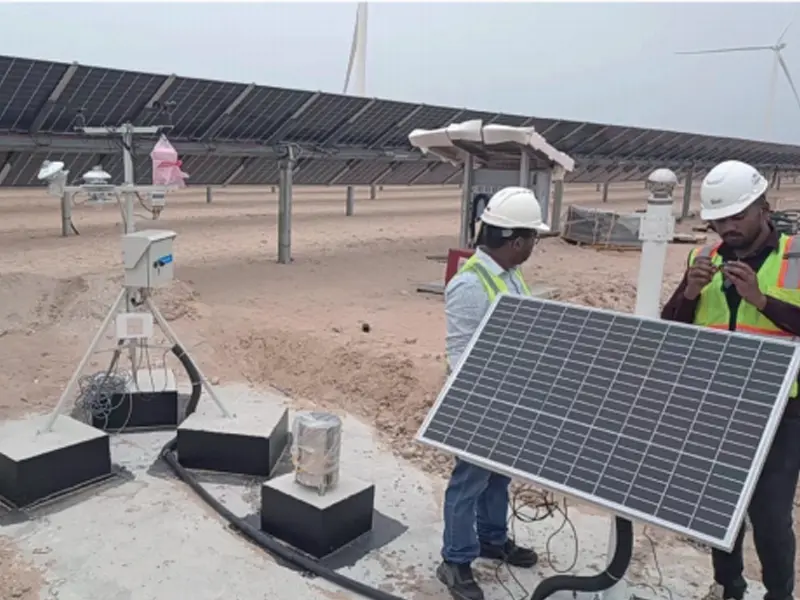
Cleaning solar panels too often wastes water and labor, while delaying cleaning can reduce energy yield. For solar monitoring in desert environments, operators need to balance soiling losses against cleaning costs and local water availability.
| Decision factor | What to monitor | How it guides cleaning |
| Soiling loss | Soiling readings and PV performance trends | Identify when dust-related losses may justify cleaning |
| Cleaning costs | Labor, equipment, water use, and access costs | Weigh potential energy recovery against cleaning expenses |
| Seasonal conditions | Dust accumulation, rainfall, and previous cleaning results | Adjust cleaning intervals to site conditions |
A desert solar monitoring system helps operators set cleaning thresholds based on soiling loss, energy value, and maintenance costs. For solar monitoring systems for desert climates, tracking dust trends and reviewing performance after cleaning can help refine schedules as site conditions change.
How to Design a Reliable Solar Monitoring System for Desert Conditions?
Desert solar plants need monitoring equipment that can handle dust, high temperatures, strong sunlight, and long periods without on-site maintenance. The system design should account for local conditions, measurement needs, and how the data will reach the plant’s operations team.
Select Sensors for Heat, Dust, and UV Exposure
When choosing a solar weather monitoring system, check each sensor’s operating temperature range, enclosure protection, measurement accuracy, and calibration requirements. Windblown sand and prolonged UV exposure can affect equipment differently, so check the specifications of each model. Easy access for inspection and cleaning is also important at remote sites.
Plan Monitoring Point Locations and Coverage
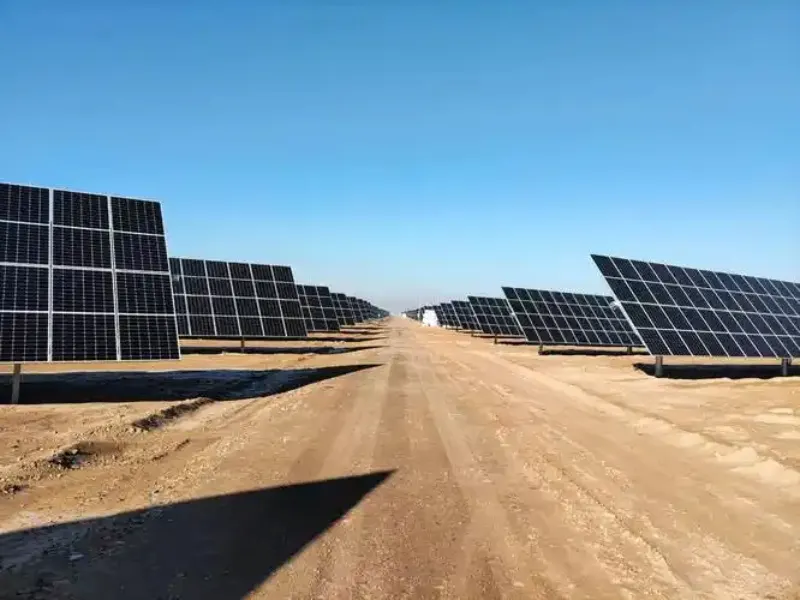
For effective desert solar farm monitoring, sensor locations should reflect the site layout, terrain, wind exposure, and module orientation. One weather station may not represent conditions across a large plant. Where dust accumulation varies between areas, place soiling sensors where readings represent the arrays being monitored and allow routine inspection.
Choose Data Logging, Communication, and Power Supply
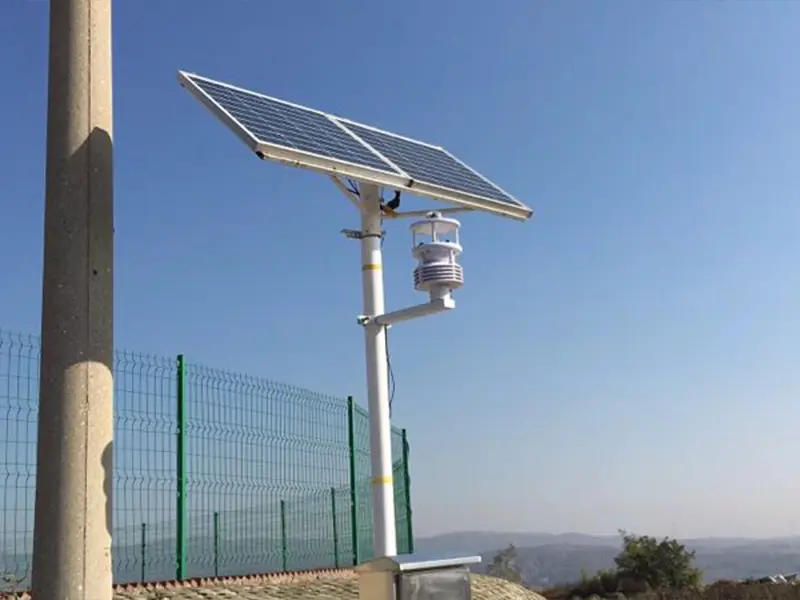
A desert solar monitoring system needs reliable data collection and transmission under local site conditions. For remote solar plant monitoring, a data logger with local storage can retain readings during network outages. Choose wired, cellular, or other wireless communication based on coverage, power availability, and the distance between monitoring points and the control room.
Integrate with Existing SCADA and O&M Platforms
Before connecting new sensors to an existing SCADA or O&M platform, confirm protocol compatibility, data formats, timestamp settings, and alarm requirements. This helps teams review environmental readings alongside inverter status and power output for solar farm performance monitoring. Historical data should also remain accessible for investigating recurring performance changes.
How to Choose Desert Solar Monitoring Solutions for Your Project?
The right monitoring setup depends on the project’s objectives, site conditions, and existing infrastructure. Defining these requirements early helps avoid unnecessary equipment and compatibility issues.
Basic Weather Monitoring vs. Full PV Performance Monitoring
Weather monitoring tracks irradiance, temperature, wind, and rainfall, while soiling monitoring measures dust-related changes. Full PV performance monitoring also includes module temperature, inverter status, and generation data. The right desert solar monitoring solutions depend on the measurements required for the project.
What Information Is Needed Before Requesting a Quote?
When requesting a quote for a desert solar monitoring system, provide the project location, array layout, required measurements, accuracy requirements, and existing communication or SCADA interfaces. These details help determine a suitable configuration for a solar monitoring system for utility-scale desert projects.
Common Mistakes in Desert Solar Monitoring
For desert solar monitoring, inaccurate measurements, poor sensor placement, and unreliable data transmission can make it harder to identify the causes of PV performance losses. Avoiding these common mistakes helps operators make better maintenance decisions.
- Relying on irradiance data alone: Solar irradiance monitoring shows available sunlight but cannot directly measure dust-related losses. Use solar soiling monitoring with dedicated sensors or clean and soiled reference modules to assess the impact of dust.
- Using too few monitoring points: Conditions can vary across a large solar farm. Place sensors where they represent differences in array layout, wind exposure, and dust accumulation.
- Misattributing power losses to dust: High module temperatures, low irradiance, inverter faults, and curtailment can also reduce output. Compare these factors before scheduling panel cleaning.
- Neglecting sensor maintenance: Dust buildup and sensor drift can affect readings. Inspect equipment regularly and follow the manufacturer’s cleaning and calibration recommendations.
- Overlooking communication and integration requirements: Check network coverage, power supply, communication protocols, and data interfaces before installation to reduce data gaps in remote solar plant monitoring.
Conclusion
Every desert solar site faces different challenges, from dust buildup to high module temperatures and changing weather. Desert Solar Monitoring Solutions should match these local conditions and combine environmental readings with PV output and inverter data. This helps O&M teams understand why generation changes and decide when panel cleaning or further inspection is needed.
At Yantai Sensor, we offer solar monitoring sensors and weather station options for different project requirements. If you are planning a desert solar monitoring system, contact us with your project location, monitoring needs, and existing system interfaces. We can help assess suitable sensor configurations and integration options for your site.